Artwork
Peisaj cu biserică ortodoxă
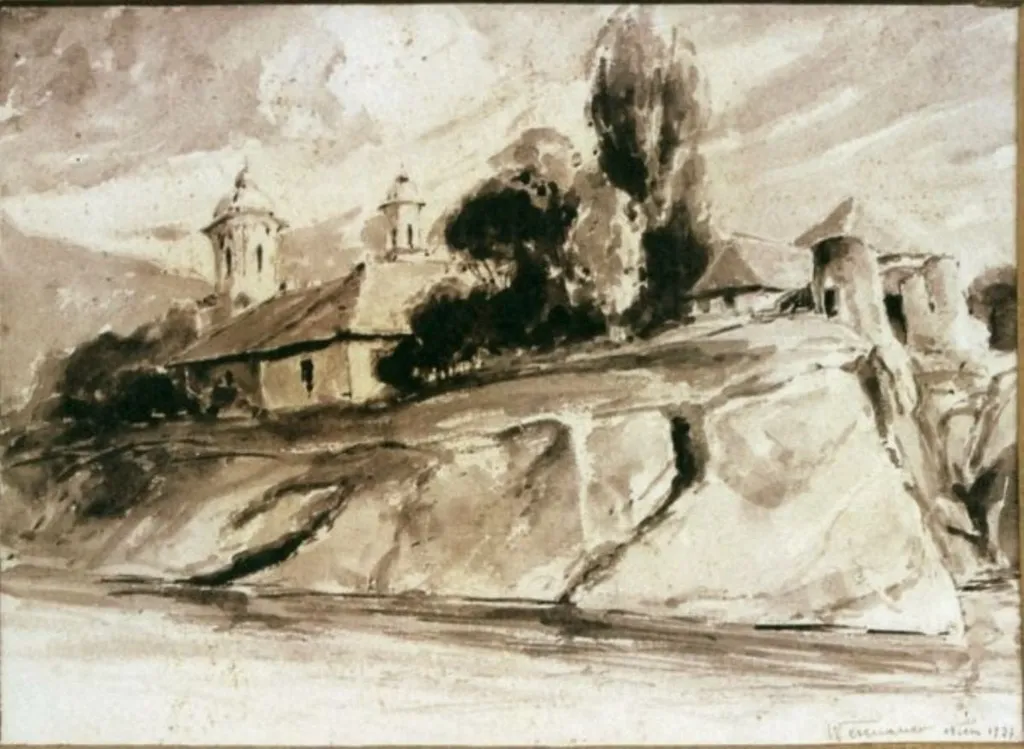
Peisaj cu biserică ortodoxă is a print by Wesenauer. It dates from 1949 and is held in the collection of the National Museum of Art of Romania.
About this work
Overview
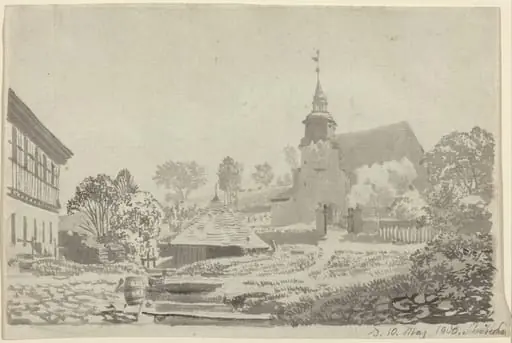
Created around 1949, this sketch by Wesenauer depicts a rural Romanian village centered on an Orthodox church. Rendered in ink or watercolor, the work captures a fleeting moment in a quiet landscape. The artist’s rapid, unrefined strokes suggest spontaneity, as if the scene was observed and recorded on-site rather than composed in the studio.
Subject & Meaning
The composition focuses on a modest church with twin towers, elevated on a hill as a visual and spiritual anchor. Surrounding structures are minimal, their sloped roofs indicating local vernacular architecture. The presence of the church amid rugged terrain and a winding river implies a community shaped by both faith and the natural environment, without overt symbolism or narrative.
Technique & Style
Wesenauer employed loose, gestural brushwork to convey texture and movement rather than detail. The palette is restrained—dominated by earthy browns, grays, and muted ochres—emphasizing the somber tone of the landscape. The lack of bright color and fine definition suggests a focus on atmosphere over realism, aligning with sketchbook traditions of immediate observation.
History & Provenance
The work dates from the late 1940s, a period of political transition in Romania. While little is documented about Wesenauer’s movements during this time, the sketch’s subject matter reflects a persistent interest in rural life, possibly as a counterpoint to urban modernization. Its survival as a private sketch implies it was not intended for public exhibition.
Context
In postwar Romania, artists often turned to rural scenes as subjects of cultural continuity. Orthodox churches, central to village identity, appeared frequently in regional art. Wesenauer’s approach—unembellished and direct—echoes a broader trend among Romanian painters who valued authenticity over idealization during a time of ideological pressure.
Legacy
This sketch remains a quiet example of mid-century Romanian landscape drawing, valued for its honesty and restraint. Though not widely exhibited, it contributes to an understudied body of work documenting everyday Romanian life outside official artistic narratives. Its preservation offers insight into the artist’s personal engagement with place.
Artist & collection
Artist
Wesenauer made small prints of Romanian village scenes in the mid-20th-century realist style.

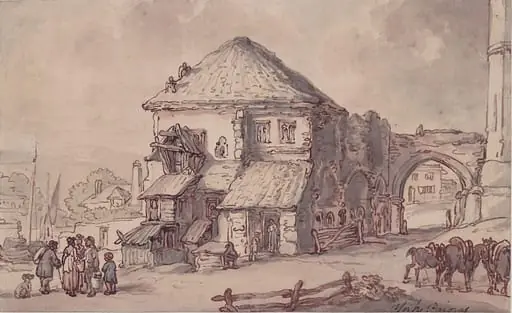 York Priory
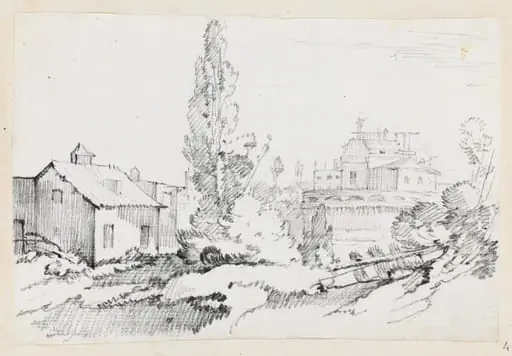 Castel Sant'Angelo from the Northwest
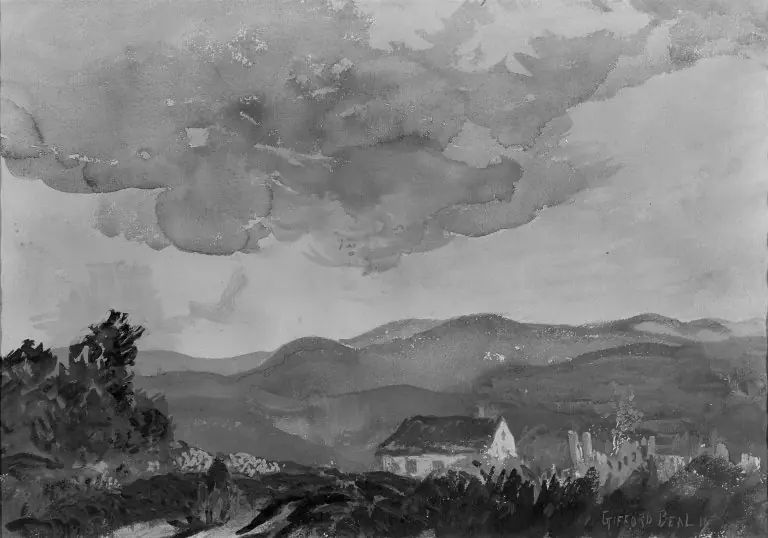 Ramapo Hills
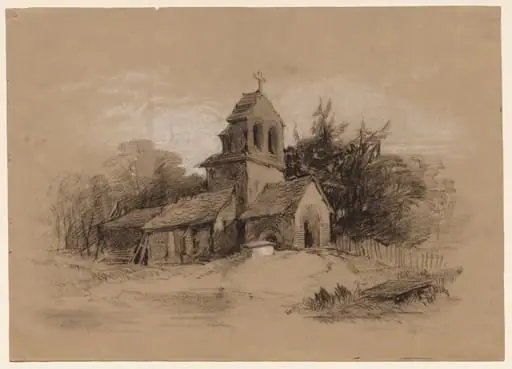 Church in a Landscape
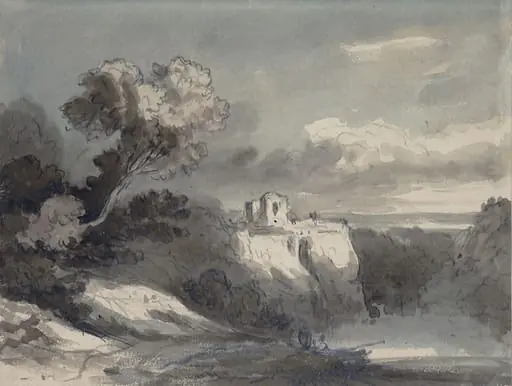 Landscape with Castle on a Cliff
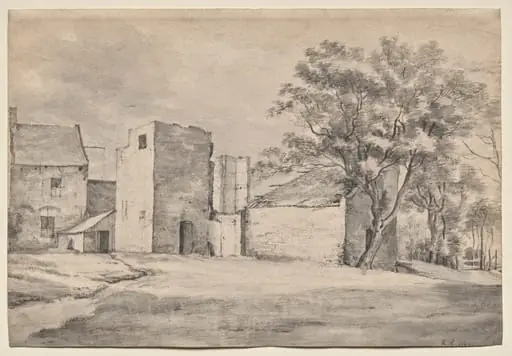 The Ruin of Huis 't Sant at Katwijk aan Zee
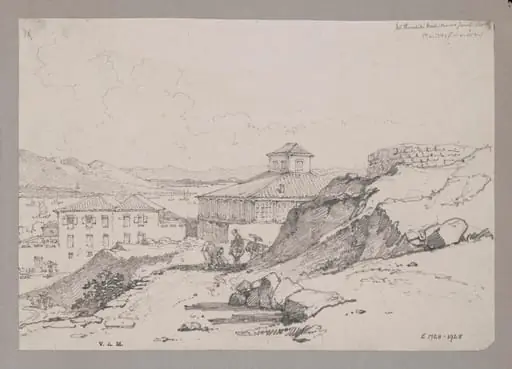 The Rev. Mr. Vatchell's house (formerly Mr. Thornhill's), Macao
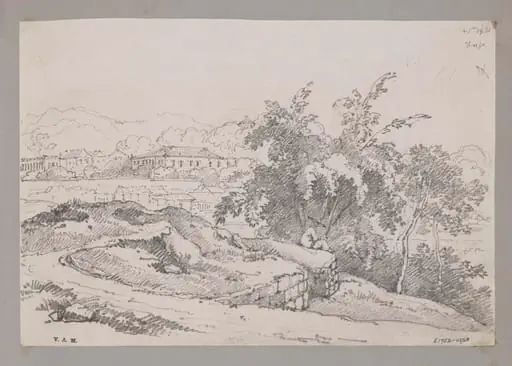 The Casa, Macao, in the gardens of which is Camoens' Cave (the residence of Lady Pereira), Macao
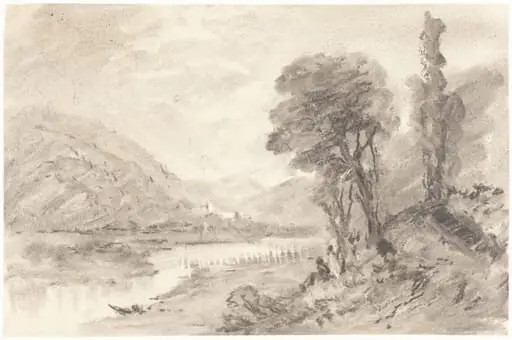 Landscape
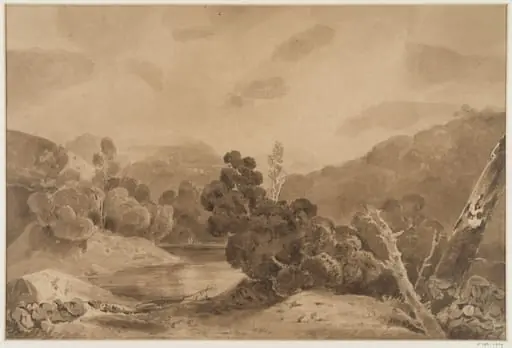 River scene with a temple or palace in the clouds
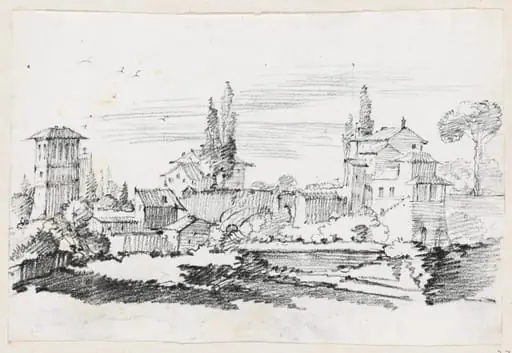 Houses in Italy
 Schreiberhau