Artwork
Death of Iphigenia (?)
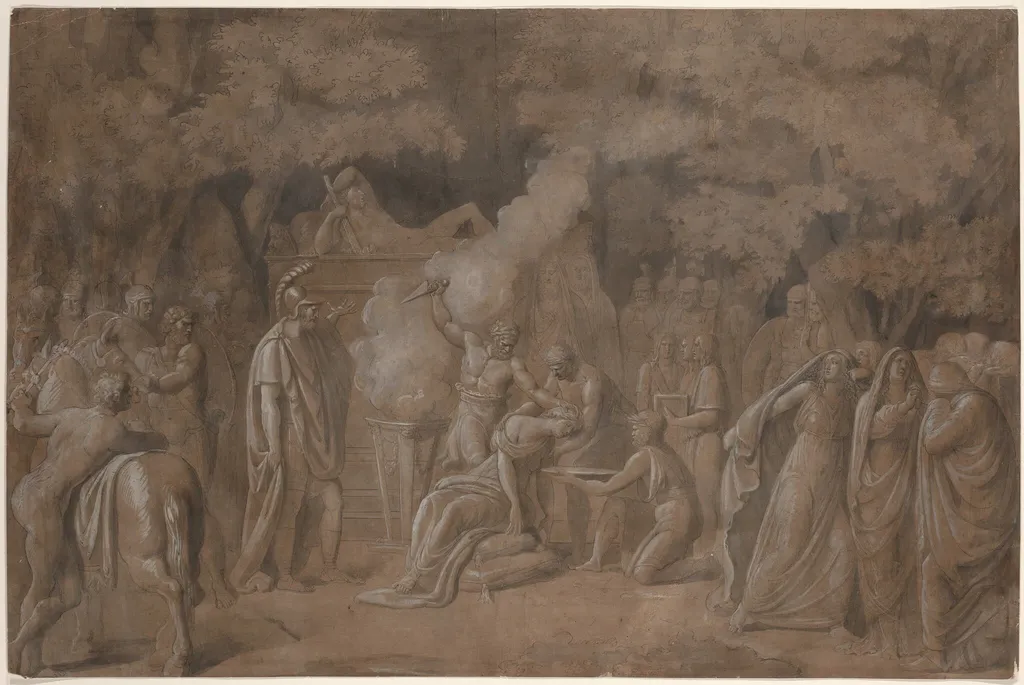
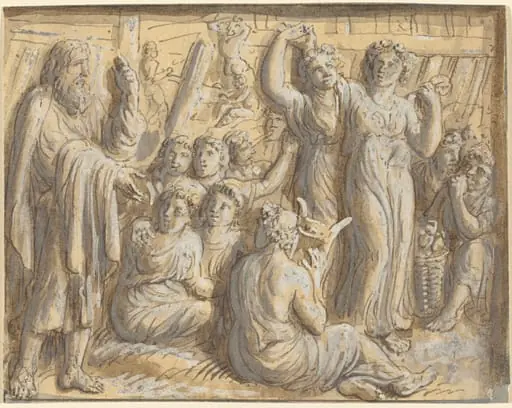
Death of Iphigenia (?) is an ink drawing by the Romanticist artist Benjamin West. It dates from 1758 and is held in the collection of the National Gallery of Art.
About this work
Overview
This drawing, attributed to Benjamin West and dated around 1758, depicts a scene from classical mythology rendered in pen and ink with washes of gray and brown, heightened with white. Executed on brown laid paper, the work reflects the artist’s engagement with historical and literary themes during his formative years, prior to his rise as a leading neoclassical painter.
Subject & Meaning
The composition likely represents the death of Iphigenia, the daughter of Agamemnon, whose sacrifice was demanded to appease the goddess Artemis and secure favorable winds for the Greek fleet bound for Troy. The ambiguity of the title suggests uncertainty in the precise narrative, though the emotional gravity and dramatic tension align with this mythological episode, emphasizing themes of duty, sacrifice, and divine intervention.
Technique & Style
West employs a delicate interplay of ink and wash to model figures and drapery, creating depth through subtle gradations of tone.
West employs a delicate interplay of ink and wash to model figures and drapery, creating depth through subtle gradations of tone. The use of white heightening on brown paper enhances luminosity, a technique common in eighteenth-century draftsmanship. The fluid, gestural lines and dynamic composition reveal the artist’s early experimentation with neoclassical ideals, balancing clarity of form with expressive movement.
History & Provenance
Created during West’s early career, this drawing predates his relocation to England, where he would later establish himself as a prominent history painter. Little is documented about its early ownership, though it likely circulated among collectors of neoclassical works. Its attribution and dating rely on stylistic comparisons to West’s known oeuvre and the artistic conventions of the period.
Context
The work emerges from a period in which artists increasingly turned to classical antiquity for subject matter, influenced by archaeological discoveries and the revival of Greek and Roman literature. West’s engagement with such themes reflects broader intellectual currents, including the Enlightenment’s fascination with heroic narratives and moral dilemmas. The drawing’s tentative identification underscores the challenges of interpreting preparatory studies.
Artist & collection

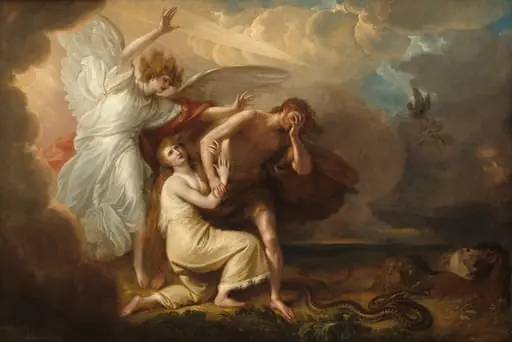 The Expulsion of Adam and Eve from Paradise
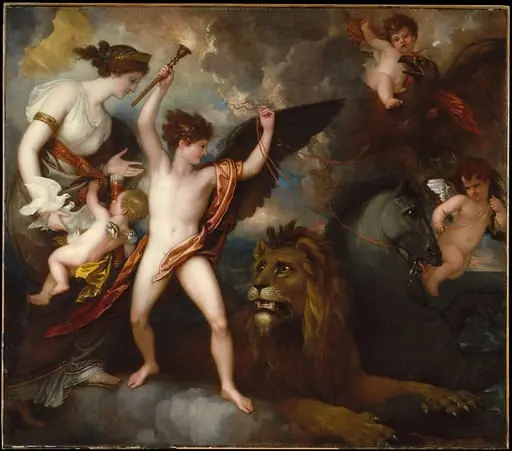 Omnia Vincit Amor, or The Power of Love in the Three Elements
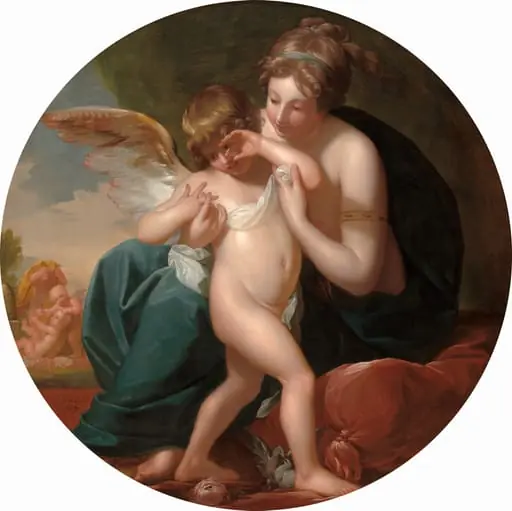 Cupid, Stung by a Bee, Is Cherished by his Mother
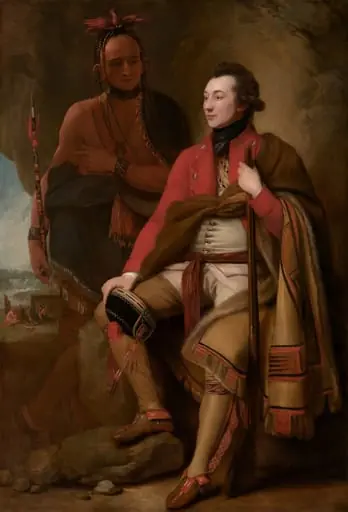 Colonel Guy Johnson and Karonghyontye (Captain David Hill)
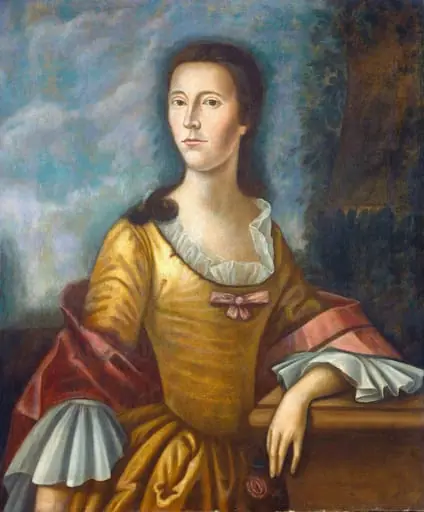 Mary Bethel Boude (Mrs. Samuel Boude)
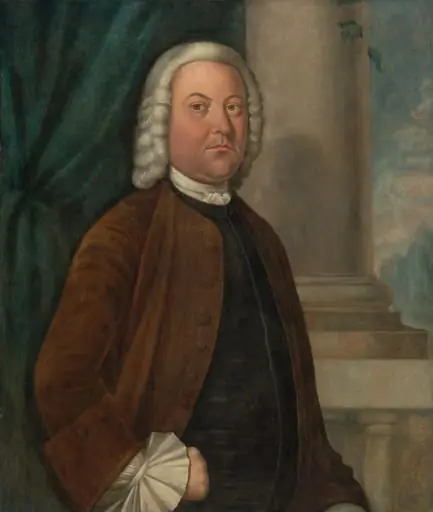 Dr. Samuel Boude
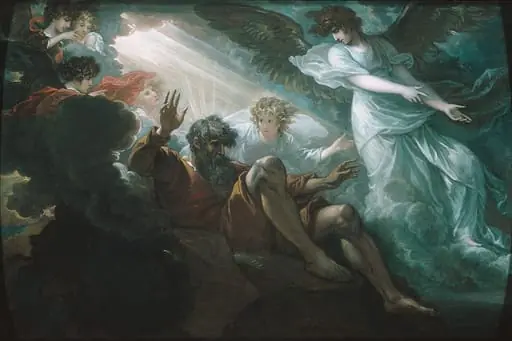 Moses Shown the Promised Land
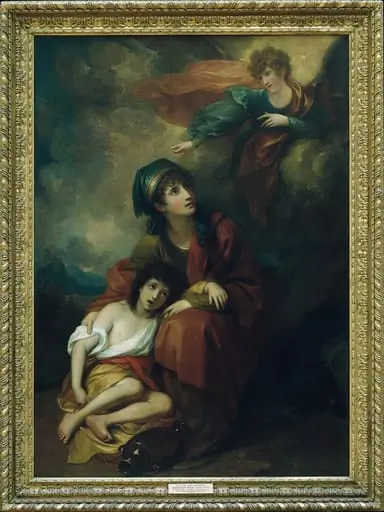 Hagar and Ishmael