Artwork
Street in Cairo
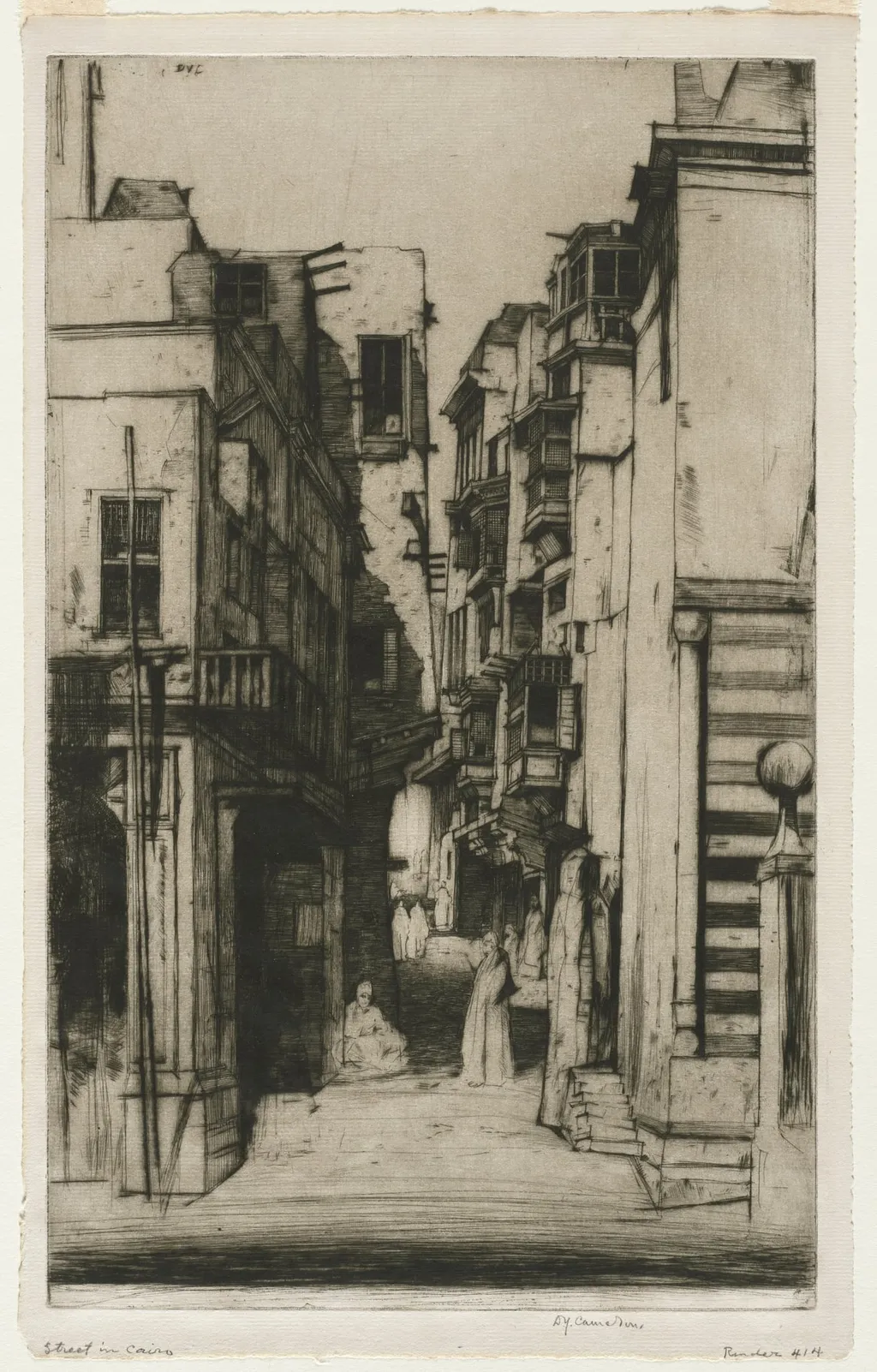
Street in Cairo is a print by David Young Cameron. It dates from 1910 and is held in the collection of the Cleveland Museum of Art.
About this work
Overview
A key figure in the late 19th- and early 20th-century Etching Revival, he traveled extensively to document architecture and daily life through printmaking.
David Young Cameron produced *Street in Cairo* in 1910 as an etching, reflecting his engagement with urban environments beyond Scotland. A key figure in the late 19th- and early 20th-century Etching Revival, he traveled extensively to document architecture and daily life through printmaking. This work is part of a broader series capturing foreign cities, emphasizing structure and mood over narrative.
Subject & Meaning
The print portrays a confined alleyway in Cairo, lined with weathered buildings and figures moving along its length. Cameron’s focus on the narrow passage and its inhabitants suggests an interest in the rhythm of urban life in a non-Western setting. The absence of overt symbolism points to a documentary impulse—recording spatial relationships and human presence within a specific cultural context.
Technique & Style
Cameron employed fine, controlled etching lines to model form and suggest texture, using chiaroscuro to define depth and volume. The contrast between shadowed recesses and sunlit surfaces enhances the sense of enclosure, while delicate hatching conveys the roughness of stone and plaster. His method prioritizes atmospheric precision over dramatic effect, aligning with the quiet realism of the Etching Revival.
History & Provenance
Created during Cameron’s travels in North Africa, the print was likely made from on-site sketches and later refined in his studio. It entered public collections in the early 20th century, often grouped with his other international views. Its preservation reflects institutional interest in British printmakers who documented global locales during the height of imperial exploration.
Context
Cameron’s work emerged amid growing European interest in Middle Eastern architecture and urban life, fueled by travel, colonial expansion, and scholarly curiosity. While not overtly political, his etchings contributed to a visual record of non-European cities, offering audiences a restrained, observational alternative to exoticized imagery common in popular media of the time.
Legacy
Cameron’s *Street in Cairo* remains a representative example of early 20th-century British printmaking’s engagement with global subjects. His emphasis on architectural integrity and subtle tonal variation influenced later generations of printmakers seeking to balance realism with expressive restraint. The work is now studied for its technical discipline and its quiet documentation of urban life beyond the Western canon.
Artist & collection
Artist
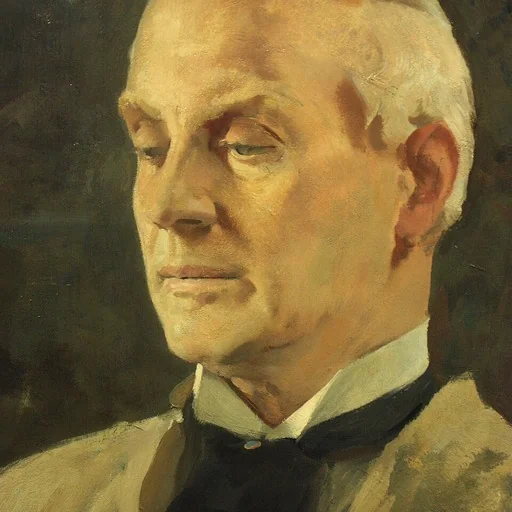
Sir David Young Cameron (28 June 1865 – 16 September 1945) was a Scottish painter and, with greater success, etcher, mostly of townscapes and landscapes in both cases. He was a leading figure in the final decades of the Etching Revival.


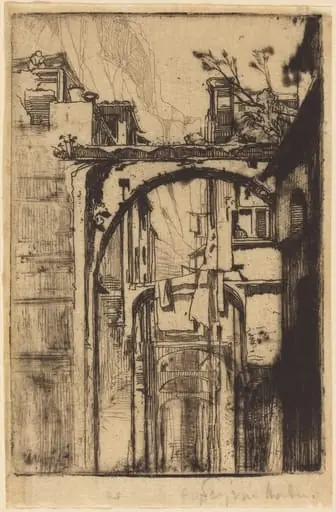 Amalfi
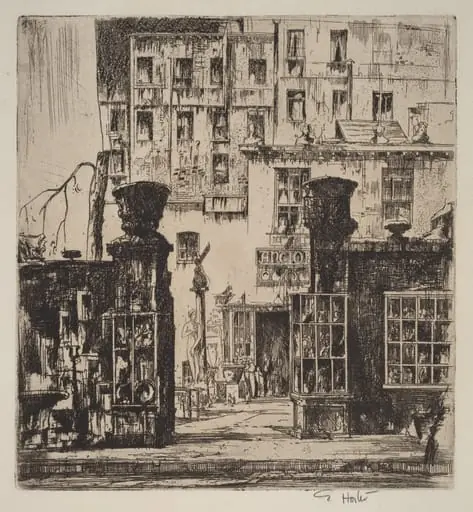 Antique Shop, New York
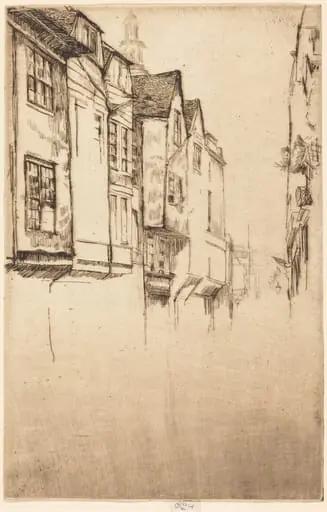 Wych Street
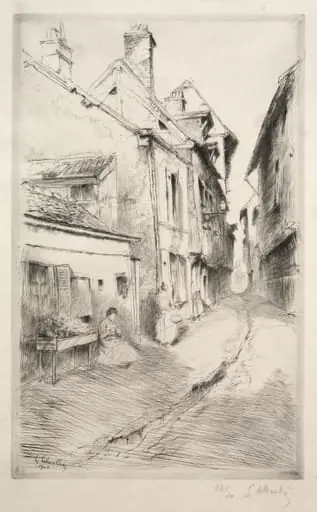 La rue de l'Ecole à Troyes
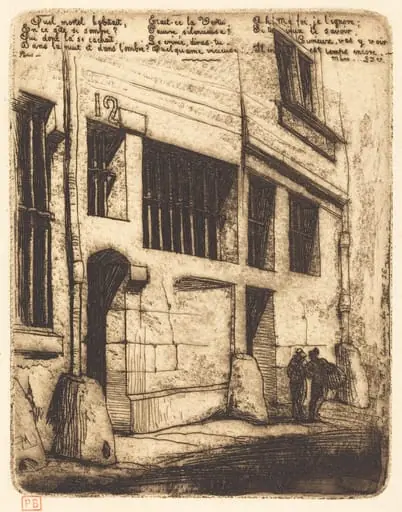 La Rue des Mauvais Garçons, Paris (The Street of the Bad Boys)
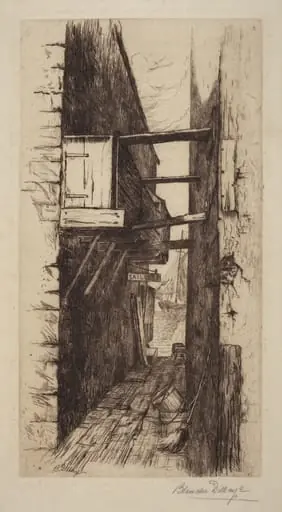 Untitled (Alleyway with View of a Harbor)
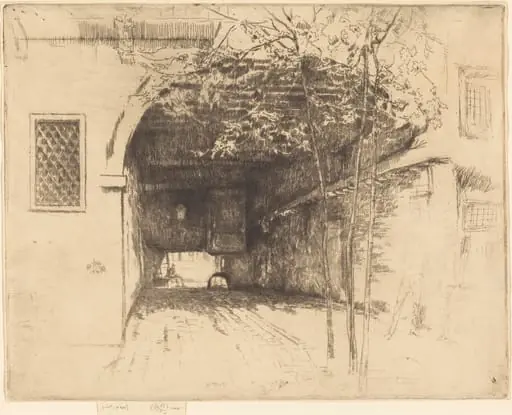 The Traghetto, No.I
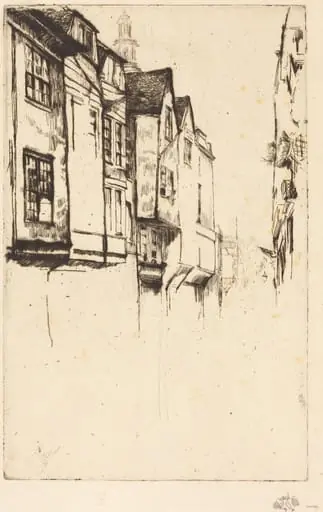 Wych Street
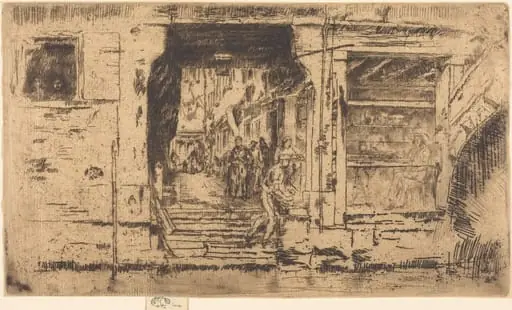 Fish-Shop, Venice
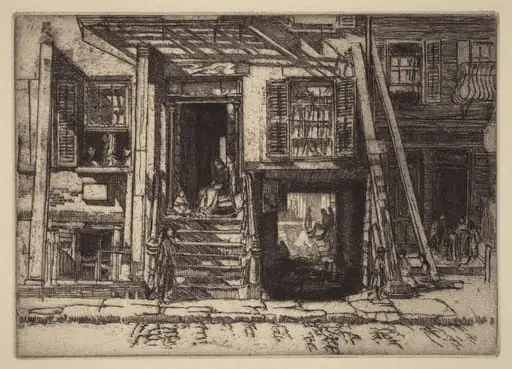 The Condemned Tenement, NY
![House of Dante da Castiglione [Casa di Dante da Castiglione], by Telemaco Signorini](https://artifactworldgallery.com/img/telemaco-signorini--house-of-dante-da-castiglione-casa-di-dante-da-castiglione--92db125a9a8d04db-w320.webp) House of Dante da Castiglione [Casa di Dante da Castiglione]
House of Dante da Castiglione [Casa di Dante da Castiglione]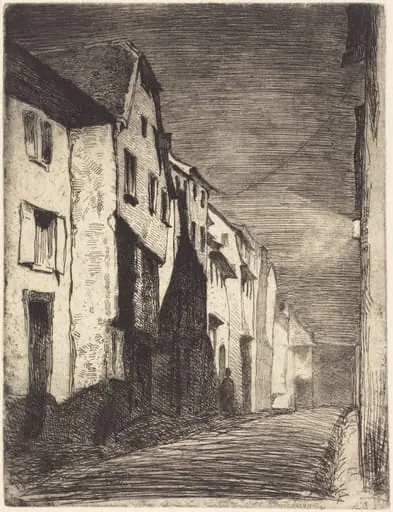 Street at Saverne