Artwork
La Rue des Mauvais Garçons, Paris (The Street of the Bad Boys)
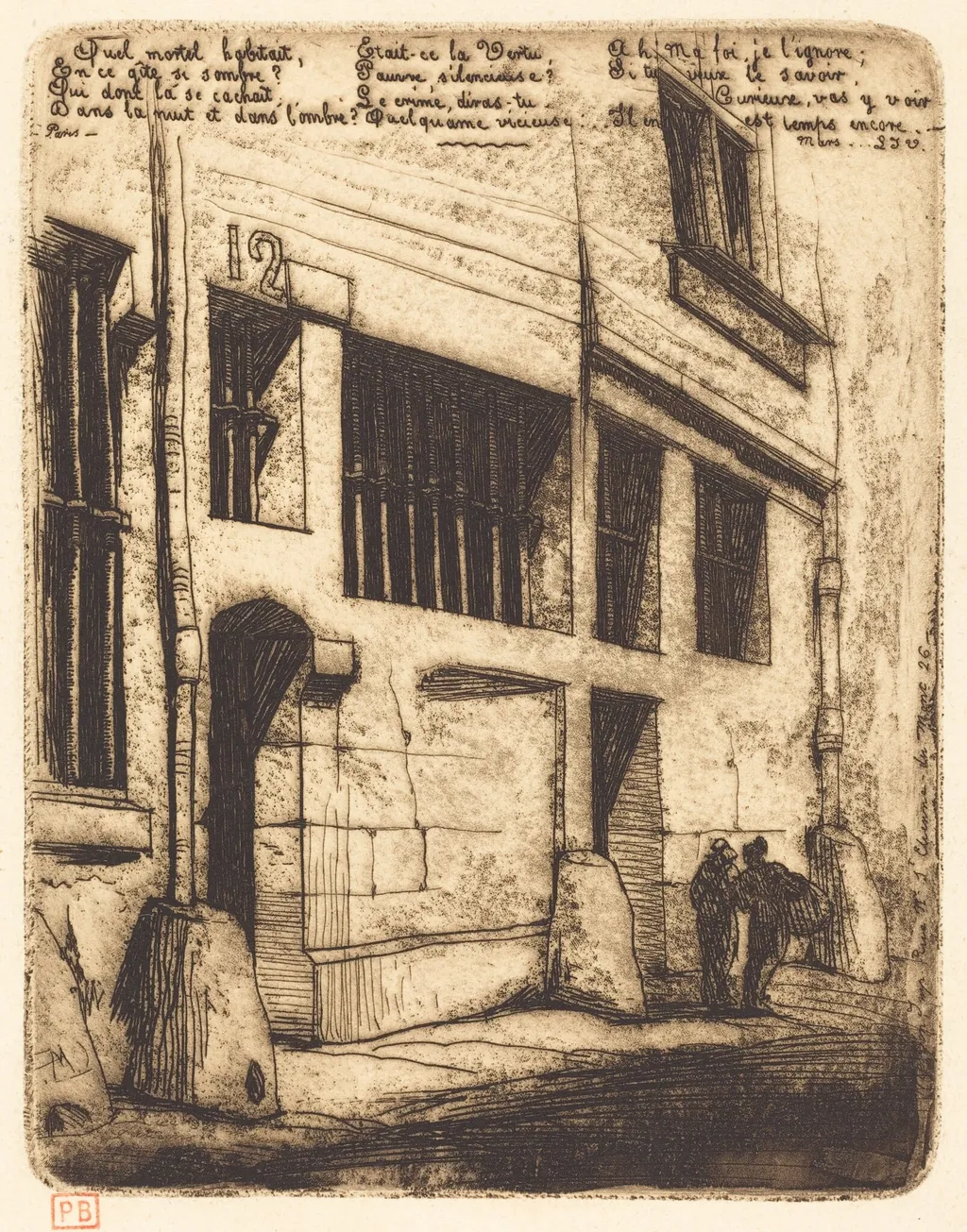
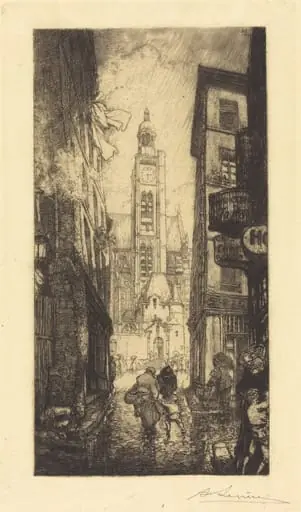
La Rue des Mauvais Garçons, Paris (The Street of the Bad Boys) is an ink print by the Impressionist artist Charles Meryon. It dates from 1854 and is held in the collection of the National Gallery of Art.
About this work
That’s because of drypoint, a printmaking trick where the artist scratches lines into metal.
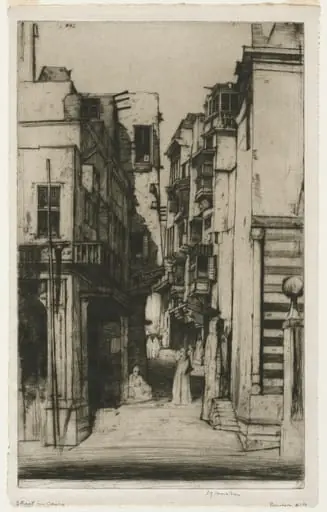
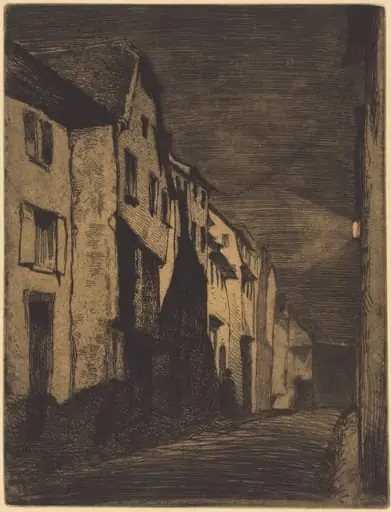
This small print shows a Paris street lined with old buildings. The shadowy figures below look like they belong to another time. Meryon etched the scene in 1854, when Paris was changing fast.
The buildings have a dark, ghostly look. That’s because of drypoint, a printmaking trick where the artist scratches lines into metal. It gives the image a rough, handmade feel.
Want to see how drypoint works? Try Meryon, Charles.
Overview
La Rue des Mauvais Garçons, Paris is an etching on wove paper created by Charles Meryon in 1854. It is a representative work of Meryon's oeuvre, showcasing his skill in the medium.
Subject & Meaning
The print depicts a Paris street scene with old buildings and shadowy figures, evoking a sense of timelessness. The image reflects Meryon's personal connection to Paris, where his mother was a dancer at the Paris Opera.
Technique & Style
Meryon employed etching and drypoint techniques to achieve a distinctive, atmospheric style. Drypoint, in particular, gave the image a rough, handmade quality, contributing to the dark, ghostly appearance of the buildings.
History & Provenance
Meryon, who was colour blind, worked primarily in etching throughout his career. His life was marked by mental illness, and he died in an asylum in 1868.
Artist & collection
Artist
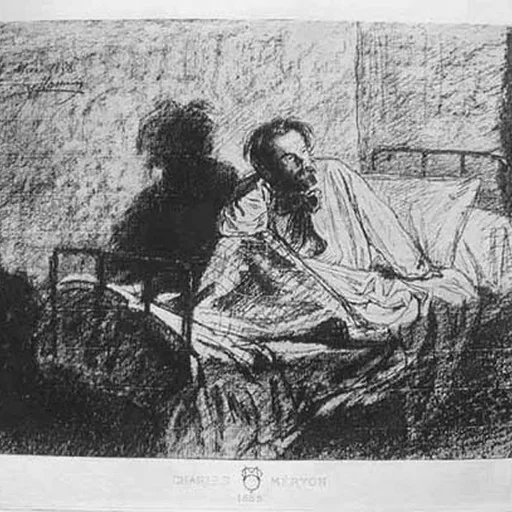
Charles Meryon (sometimes Méryon, 23 November 1821 – 14 February 1868) was a French artist who worked almost entirely in etching, as he had colour blindness.

![House of Dante da Castiglione [Casa di Dante da Castiglione], by Telemaco Signorini](https://artifactworldgallery.com/img/telemaco-signorini--house-of-dante-da-castiglione-casa-di-dante-da-castiglione--92db125a9a8d04db-w320.webp)