Artwork
The Traghetto, No.I
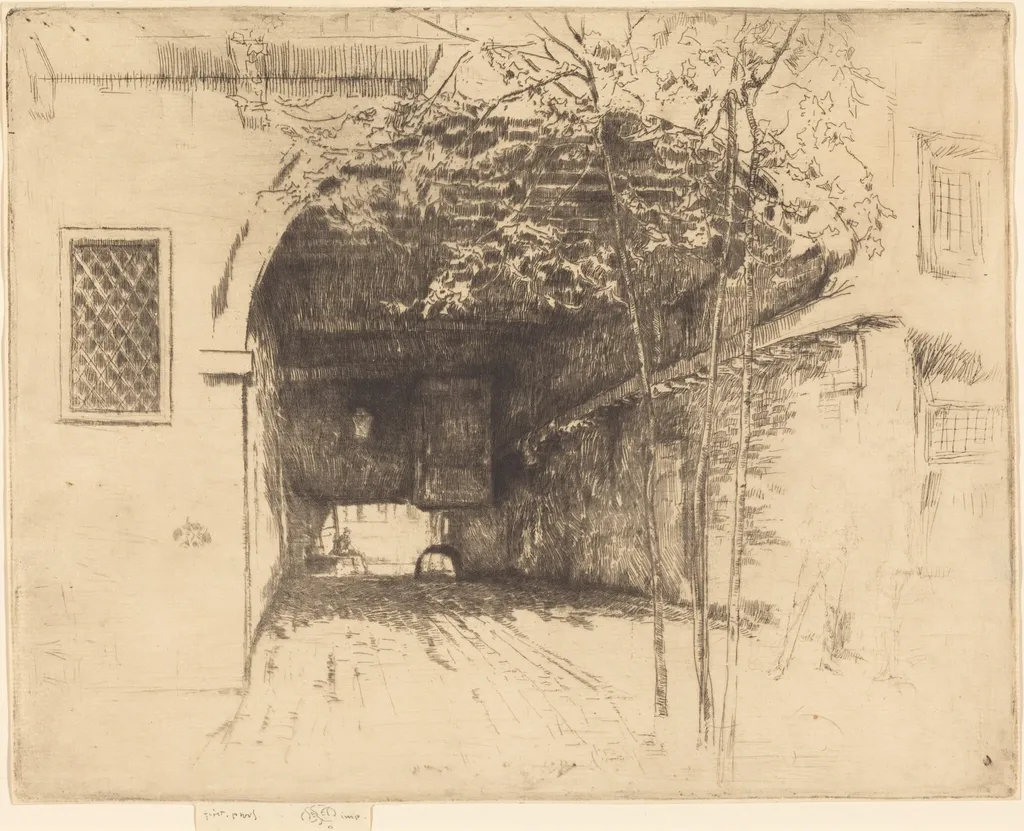
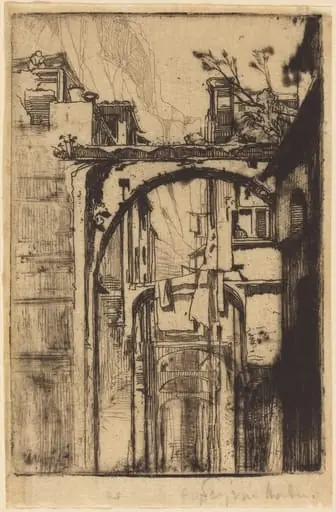
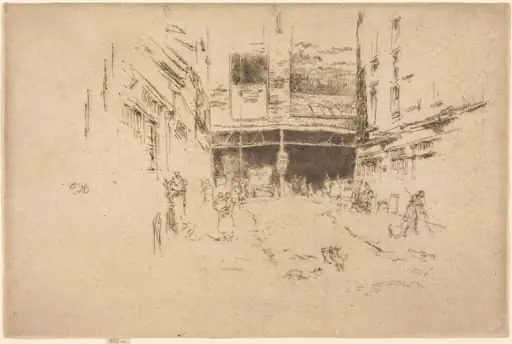
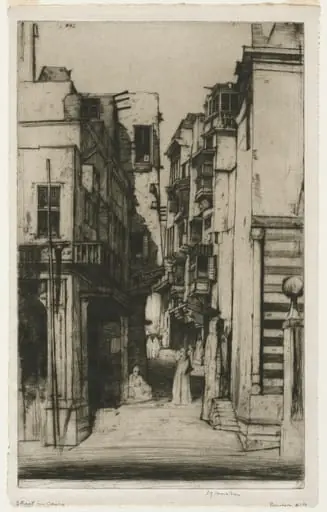
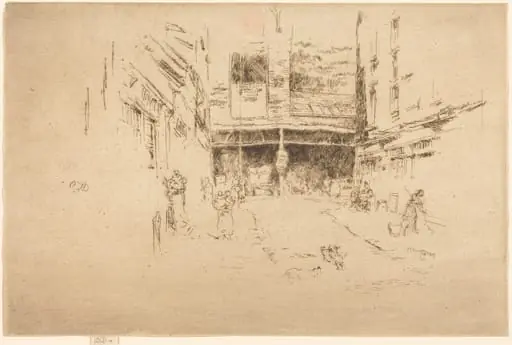
The Traghetto, No.I is an ink print by the Impressionist artist James McNeill Whistler. It dates from 1880 and is held in the collection of the National Gallery of Art. Created in 1880, *The Traghetto, No.
About this work
Overview
This piece captures a fleeting moment in Venice, reflecting his interest in transient effects of light and movement rather than narrative detail.
Created in 1880, *The Traghetto, No. I* is a print by James McNeill Whistler, executed in etching and drypoint on laid paper. Though best known for his paintings, Whistler produced a significant body of graphic work during his time in Europe. This piece captures a fleeting moment in Venice, reflecting his interest in transient effects of light and movement rather than narrative detail. The technique emphasizes texture and tone over clarity, aligning with his broader aesthetic philosophy.
Subject & Meaning
The scene portrays a small Venetian gondola, or traghetto, passing beneath a bridge at twilight. There is no human figure visible, and the focus lies in the motion of the boat and the surrounding architecture. The dark, confined space and the rough water suggest a quiet, almost solitary passage through the city’s waterways. Whistler avoids storytelling; instead, he invites contemplation of atmosphere and form, consistent with his belief in art as an autonomous sensory experience.
Technique & Style
Whistler employed etching and drypoint to achieve a range of textures: scratchy, irregular lines suggest the choppiness of water and the tangled branches of trees, while dense ink washes create deep shadows. The crisscrossed window on the left introduces a subtle contrast of structure against organic chaos. The drypoint burr adds a soft, velvety darkness, enhancing the mood without defining forms sharply. His method prioritizes tonal gradation and implied movement over precise detail.
History & Provenance
The print was made during Whistler’s extended stay in Venice, where he focused on the city’s canals and architecture between 1879 and 1880. It was part of a series of Venetian prints later published as *The Venice Set*. The work was not widely exhibited at the time but gained recognition among collectors and fellow artists for its technical innovation. Its provenance traces through private European collections before entering institutional holdings in the 20th century.
Context
Whistler created this work amid the rise of Aestheticism in Britain, a movement that rejected moral or historical themes in favor of beauty and sensory experience. His Venetian prints were responses to the growing interest in Japanese woodcuts, which influenced his flattened perspectives and emphasis on mood. Unlike contemporaries who depicted Venice as picturesque, Whistler chose intimate, shadowed moments, aligning his work with modernist tendencies in graphic art.
Legacy
Though not as widely known as his paintings, *The Traghetto, No. I* exemplifies Whistler’s influence on the revival of etching as a serious artistic medium in the late 19th century. His emphasis on tone, economy of line, and atmospheric suggestion inspired later printmakers, including those in the American and European modernist movements. The work remains a key example of how graphic art could convey emotional resonance without narrative or sentiment.
Artist & collection
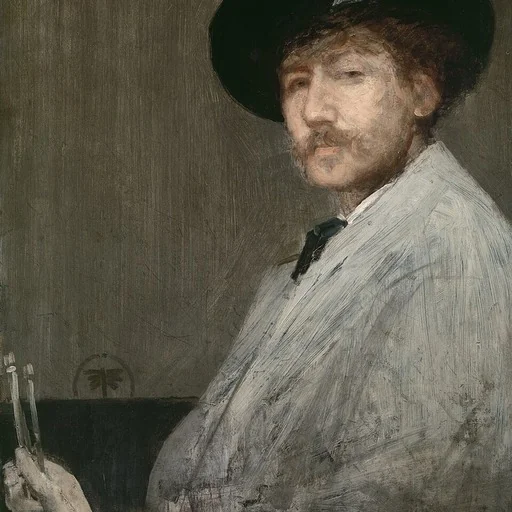
Artist
James Abbott McNeill Whistler was an American painter in oils and watercolor, and printmaker, active during the American Gilded Age and based primarily in the United Kingdom.

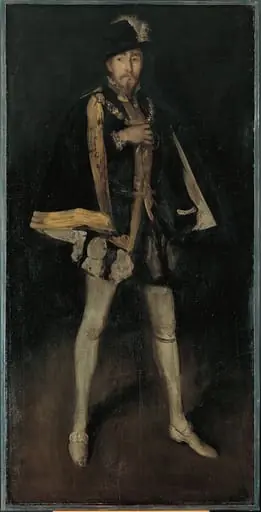 Arrangement in Black, No. 3: Sir Henry Irving as Philip II of Spain
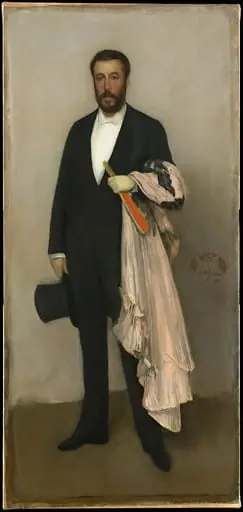 Arrangement in Flesh Colour and Black: Portrait of Theodore Duret
 Gold and Brown: Self-Portrait
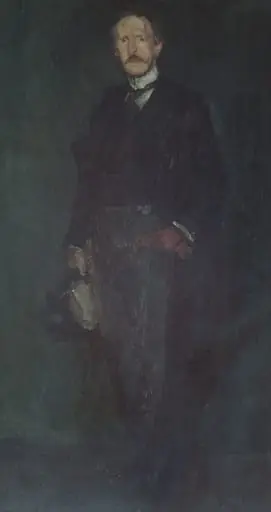 Edward Guthrie Kennedy
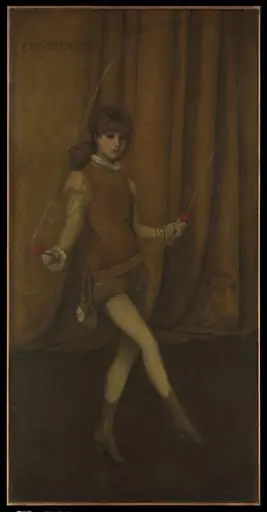 Harmony in Yellow and Gold: The Gold Girl—Connie Gilchrist
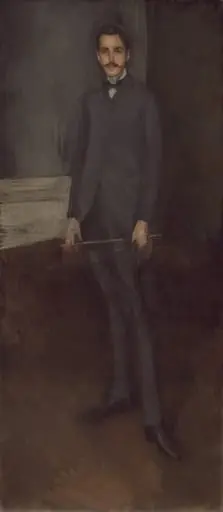 George W. Vanderbilt
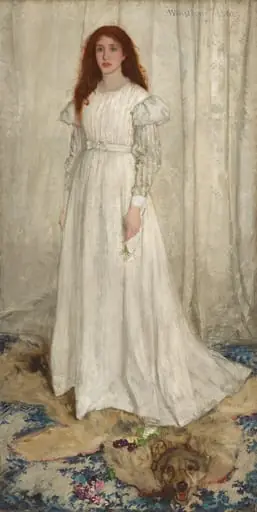 Symphony in White, No. 1: The White Girl
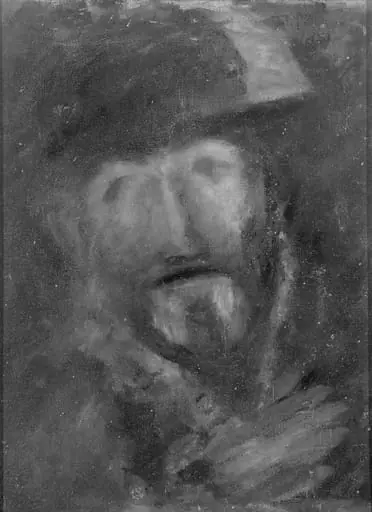 Henry Irving as Philip II of Spain