Artwork
John Overall, D.D., Bishop of Norwich
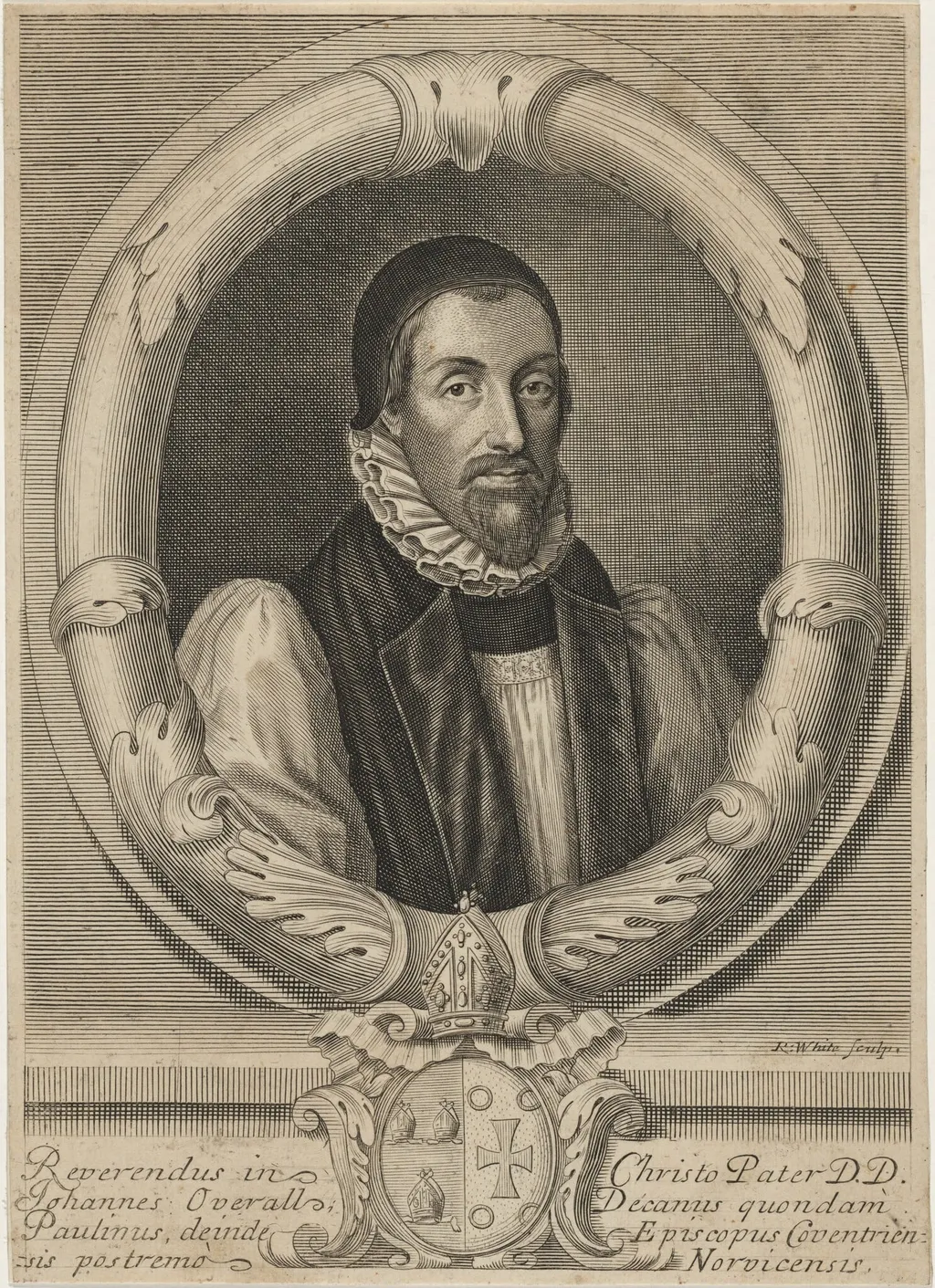
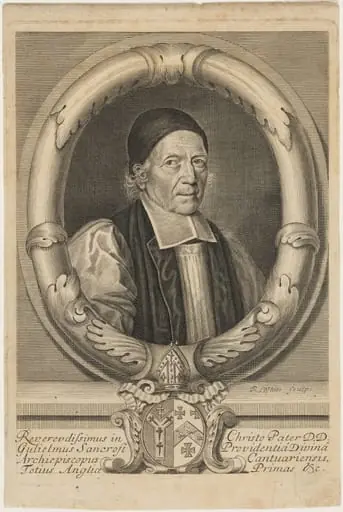
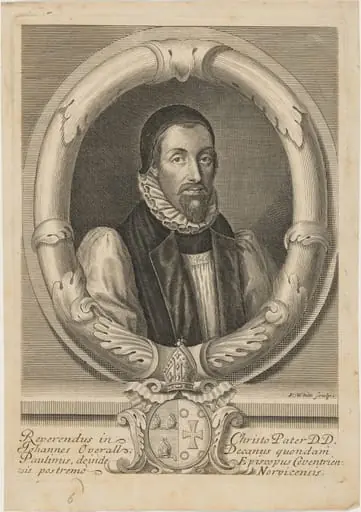
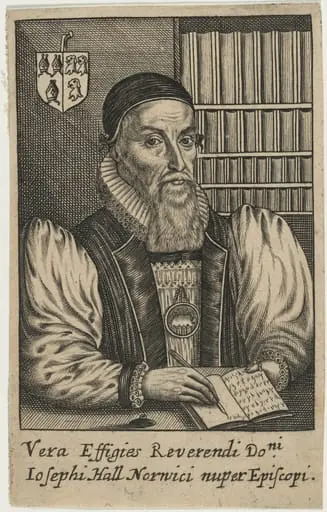
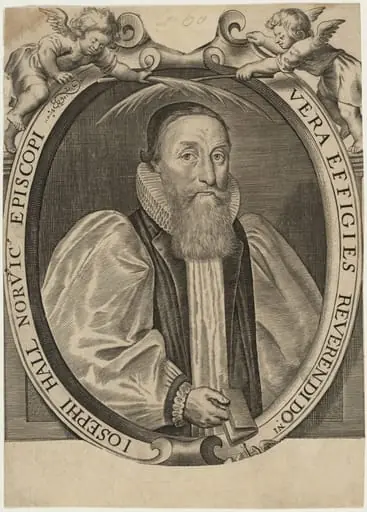
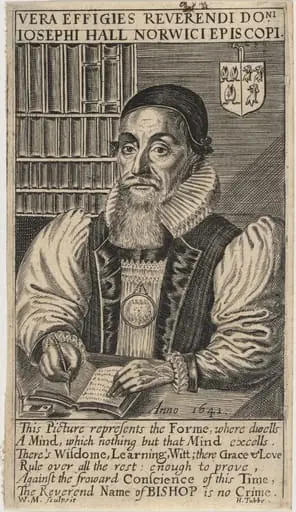
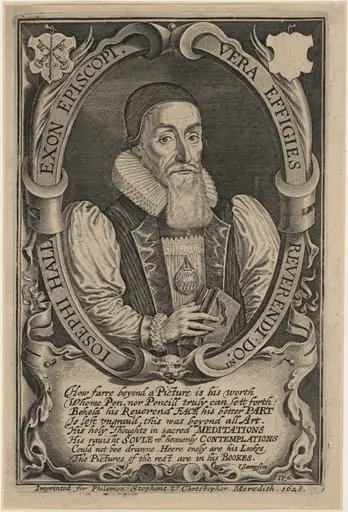
John Overall, D.D., Bishop of Norwich is an ink print by the Baroque artist Robert White. It dates from 1690 and is held in the collection of the National Gallery of Art.
About this work
Overview
Executed in black ink on paper, the image shows the cleric in contemporary attire, holding a book, against a plain backdrop framed by ornamental scrollwork.
Robert White’s 1690 engraving presents John Overall, who served as Bishop of Norwich, in a formal portrait format. Executed in black ink on paper, the image shows the cleric in contemporary attire, holding a book, against a plain backdrop framed by ornamental scrollwork. The composition reflects the conventions of late‑seventeenth‑century English portraiture, emphasizing status through dress and accessories.
Subject & Meaning
John Overall (c.1580–1649) was a prominent Anglican theologian and bishop, known for his scholarly contributions to church doctrine. In the engraving, his stiff collar, elevated hat, and the book he cradles signal his ecclesiastical authority and intellectual pursuits, while the decorative halo‑like border underscores his religious office.
Technique & Style
White employed fine, cross‑hatching lines to render subtle tonal variations, giving the figure a three‑dimensional presence despite the medium’s monochrome limits. The precision of the engraving mirrors White’s training under David Loggan and his reputation for meticulous pencil‑on‑vellum portraits, translating that exacting approach to the printed plate.
History & Provenance
The plate was produced in 1690, several decades after Overall’s death, and circulated as a printed portrait. Robert White, who died in 1703 under modest circumstances in Bloomsbury Market, left a modest body of work; this engraving stands among his later productions, reflecting both his skill and the market for clerical likenesses in post‑Restoration England.
Context
The portrait belongs to a broader English tradition of commemorating high‑ranking clergy through printed images, a practice that grew after the Restoration when the Church of England re‑asserted its hierarchy. Such engravings served both devotional and documentary purposes, reinforcing the bishop’s learned reputation among the faithful and scholars alike.
Artist & collection
Artist
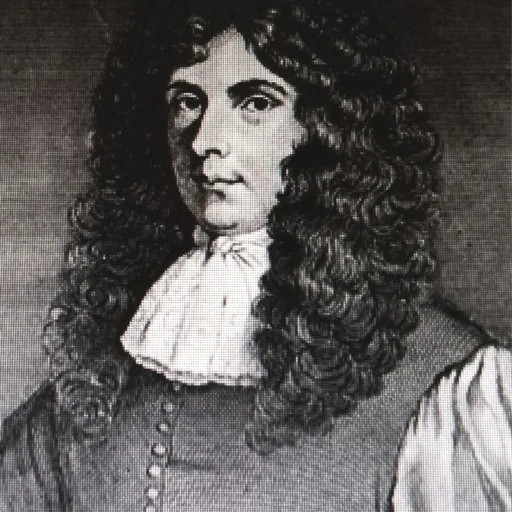
Robert White (1645 – 1703) was an English draughtsman and engraver. A Londoner, he was a pupil of David Loggan, and became a leading portrait engraver. White was celebrated for his original portraits, drawn in pencil on…