Artwork
Joseph Hall, Bishop of Norwich
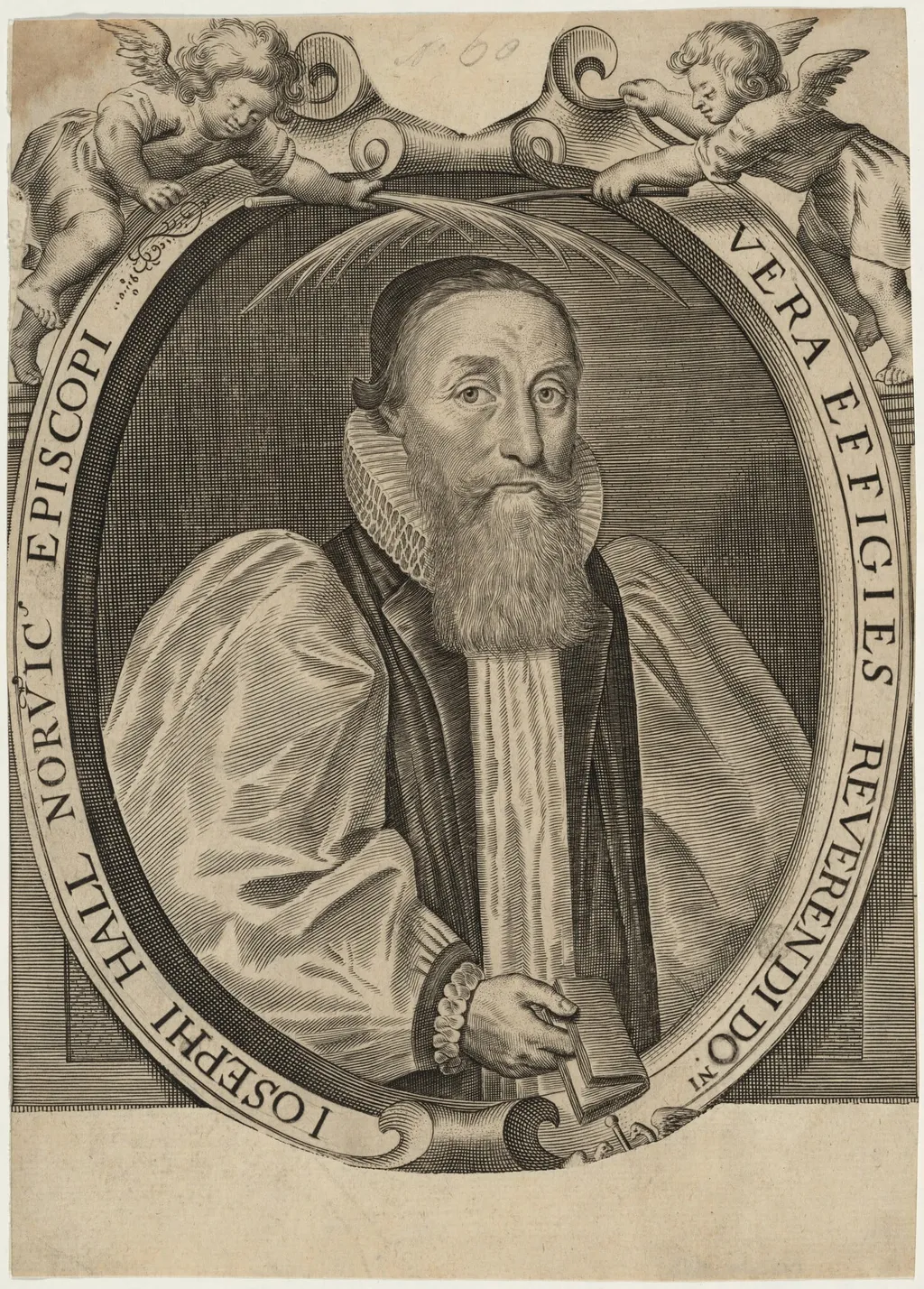
Joseph Hall, Bishop of Norwich is an ink print by the Baroque artist Crispyn van den Queboorn. It dates from 1628 and is held in the collection of the National Gallery of Art.
About this work
Overview
This 1628 engraving by Crispyn van den Queboorn depicts Joseph Hall, Bishop of Norwich, in formal ecclesiastical attire. Rendered in monochrome, the portrait presents a seated figure within a rounded border, emphasizing his status through symbolic elements. The composition is restrained yet deliberate, focusing on the subject’s demeanor and the attributes of his office.
Subject & Meaning
Joseph Hall, a prominent Anglican bishop and theologian, is portrayed with a book and a ring—symbols of scholarly authority and episcopal consecration. Above him, cherubs bear a Latin banner, reinforcing his spiritual role. Inscriptions around the frame, including 'Verae Fidei' and 'Episcopi', explicitly identify his position and doctrinal commitment, framing him as a guardian of true faith.
Technique & Style
Van den Queboorn employed fine linear engraving to capture texture and expression, with delicate hatching defining the bishop’s beard, ruff, and facial features. The precision of the lines conveys both physical age and solemnity. The rounded frame and decorative border reflect Northern European print traditions, where symbolism and clarity were prioritized over ornamental excess.
History & Provenance
Created in 1628, the engraving was likely produced to circulate Hall’s image among Protestant clergy and educated audiences. It may have served as a devotional or commemorative object, given his reputation as a writer and church leader. No record of early ownership is widely documented, but such prints were commonly distributed through academic and ecclesiastical networks of the period.
Context
In early 17th-century England, portraiture of clergy often combined religious authority with humanist ideals. Hall, known for his sermons and moral writings, exemplified the learned bishop ideal. Engravings like this one helped disseminate the image of church leaders beyond their immediate communities, reinforcing doctrinal unity amid religious tensions of the era.
Legacy
The engraving remains a representative example of Protestant ecclesiastical portraiture from the Jacobean period. While not widely reproduced today, it contributes to the visual record of Anglican leadership during a formative era. Its stylistic clarity and symbolic language reflect broader trends in print culture, where image and text worked in tandem to convey identity and authority.
Artist & collection

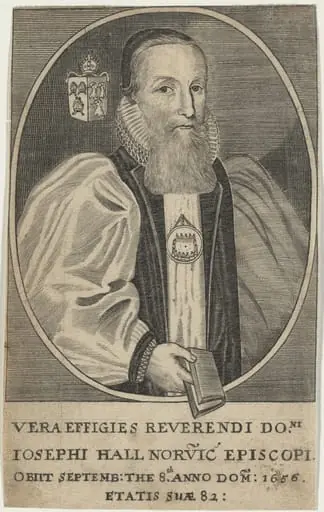 Joseph Hall, Bishop of Norwich
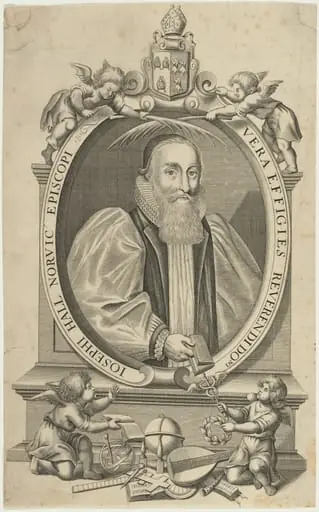 Rev. Joseph Hall, Bishop of Norwich
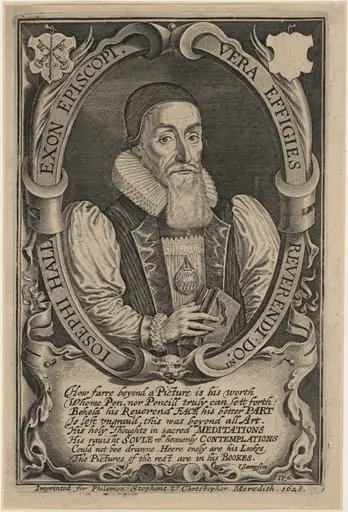 Joseph Hall, Bishop of Exeter and Norwich
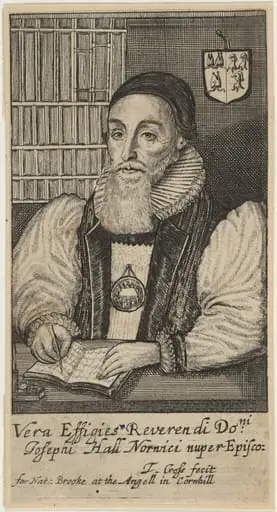 Reverendi Doni: Josephi Hall Norwici Nuper Episco. (Joseph Hall, Bishop of Norwich)
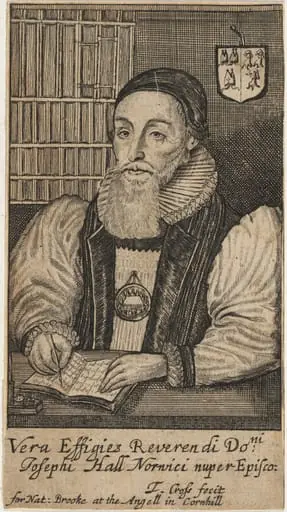 Reverendi Doni: Josephi Hall Norwici Nuper Episco. (Joseph Hall, Bishop of Norwich)
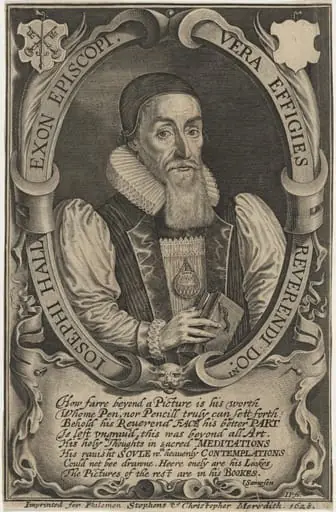 Joseph Hall, Bishop of Norwich
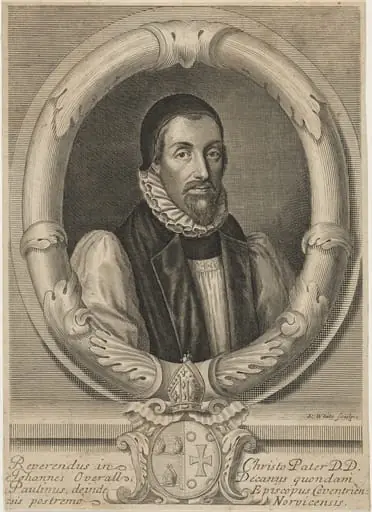 John Overall, D.D., Bishop of Norwich
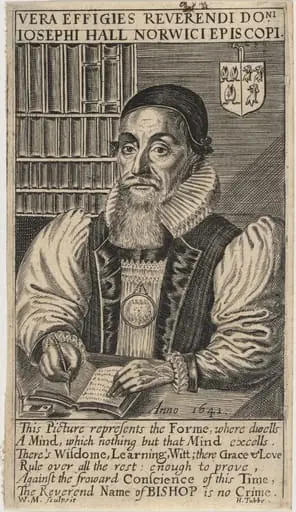 Joseph Hall, Bishop of Norwich
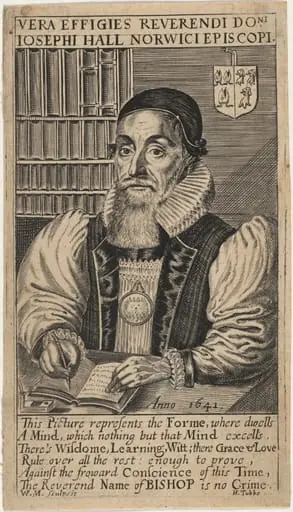 Joseph Hall, Bishop of Norwich
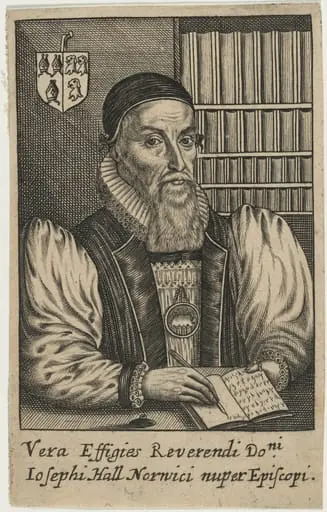 Joseph Hall, Bishop of Norwich
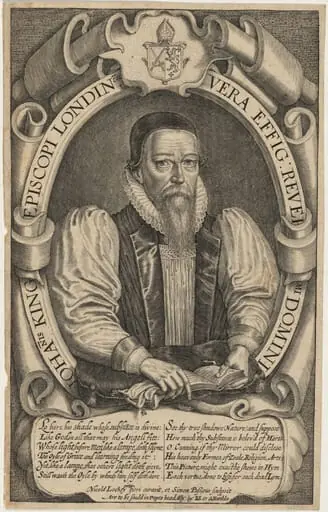 John King, Bishop of London