Artwork
The Market Place, Liège
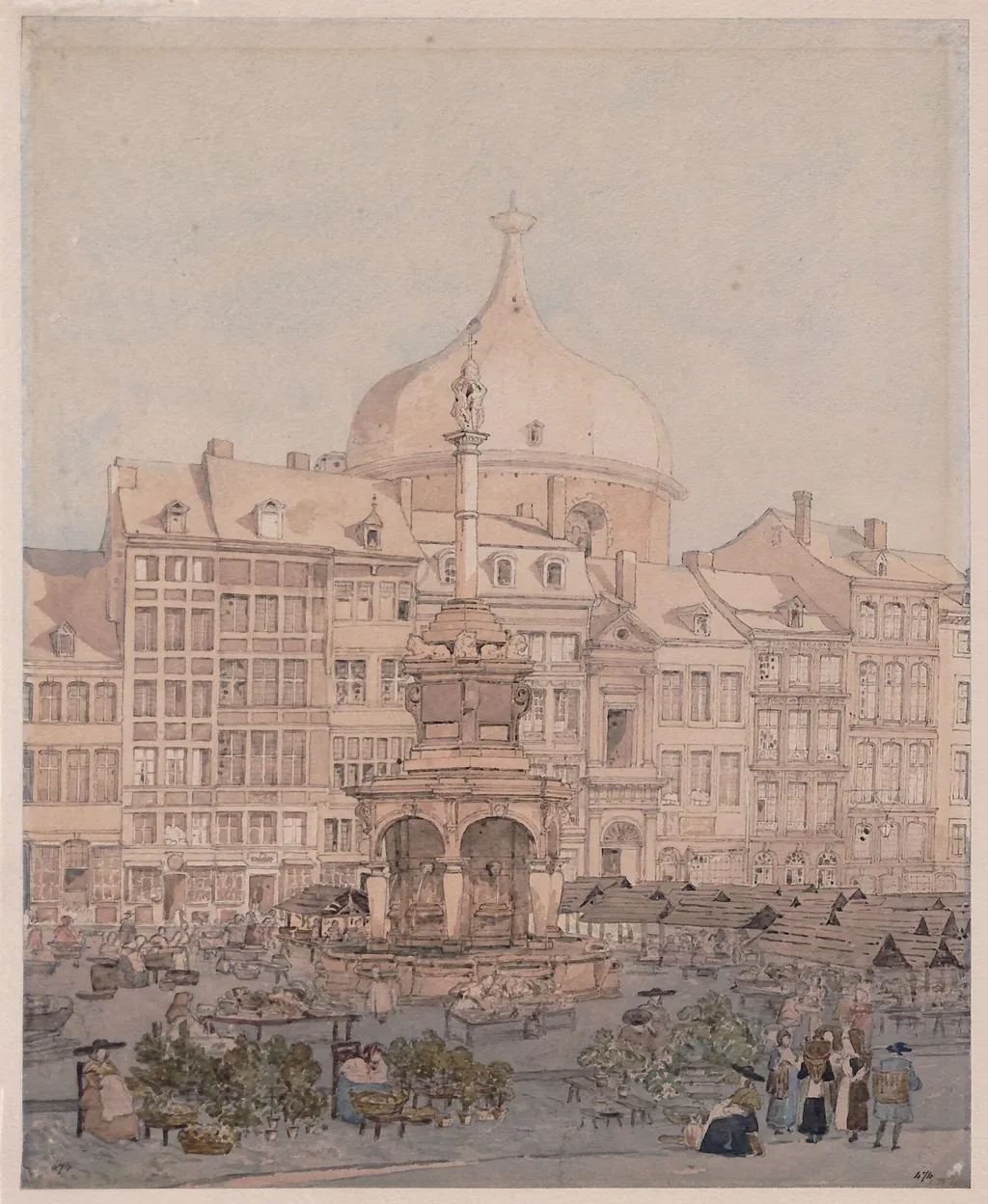
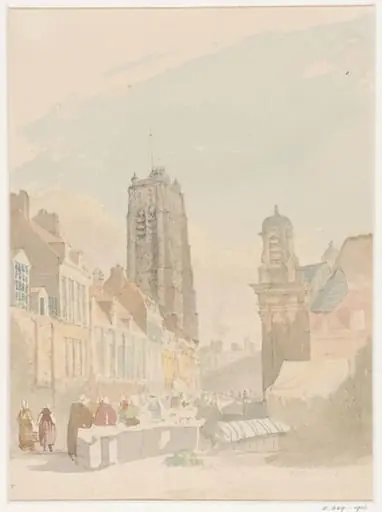
The Market Place, Liège is a watercolor work on paper by Charles Wild. It dates from 1850 and is held in the collection of the Victoria and Albert Museum.
About this work
Overview
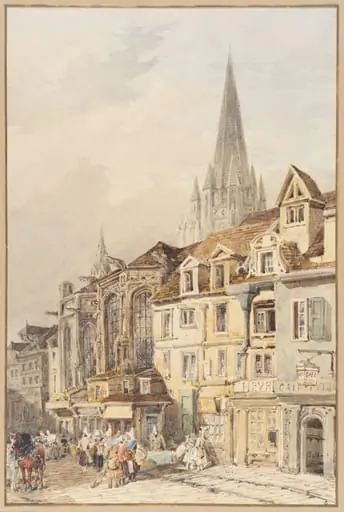
The Market Place, Liège is a watercolour painting capturing the eponymous market square in 1850, portraying a bustling urban scene with architectural, human, and natural elements in soft, muted tones.
Subject & Meaning
The painting focuses on everyday life in Liège's market square, highlighting community interaction amidst architectural backdrop. The central fountain, adorned with a statue and cross, serves as a symbolic and visual focal point.
Technique & Style
Executed in watercolour, the work features muted earth tones and light gray skies, suggesting a cool, possibly post-rainy day. The artist's use of soft colors and detailed rendering of textures (e.g., wet pavement, clothing) enhances the scene's realism.
History & Provenance
Created in 1850, the painting provides a historical snapshot of Liège's market square during that time. Current location: Victoria and Albert Museum.
Context
The work reflects mid-19th-century European urban life, where market squares served as hubs for commerce and social interaction. The depiction of ordinary life aligns with contemporary artistic interests in everyday scenes.
Legacy
As a detailed, period-specific representation, The Market Place, Liège contributes to the visual record of 19th-century European townscape evolution and daily life, offering insights for historians and art enthusiasts alike.
Own this work as a print
Artist & collection
Artist
Charles Wild painted precise watercolours of grand old buildings in early 19th-century England.

 The fish market, Bruges
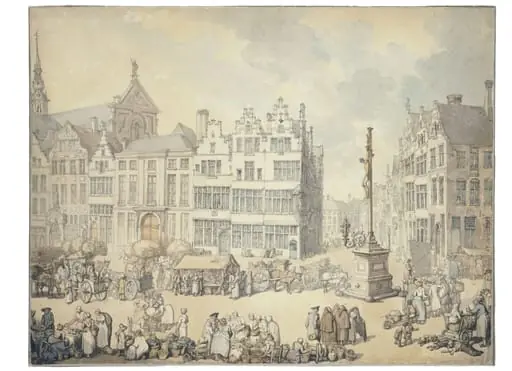 La Place de Meir, Antwerp
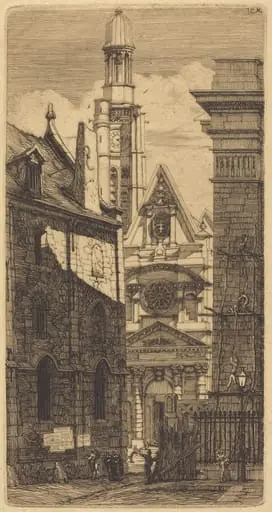 Saint-Etienne-du-Mont, Paris (Church of St. Stephen of the Mount, Paris)
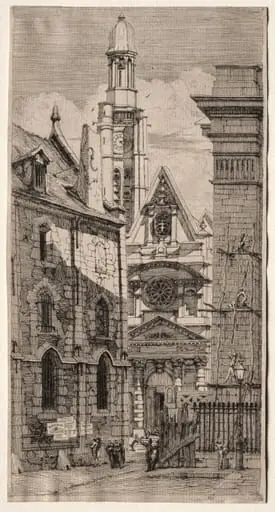 Etchings of Paris: Church of St. Stephen of the Mount
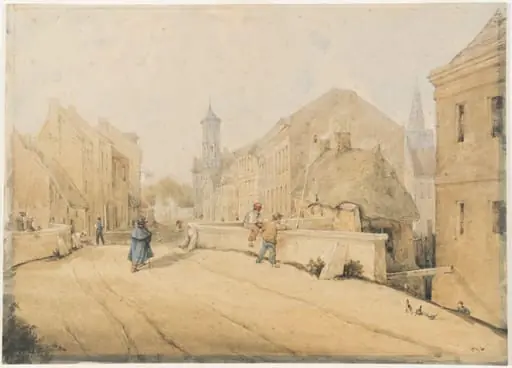 Street, with Bridge and Figures
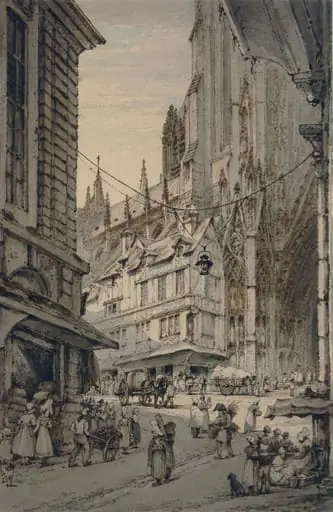 Rouen
Rouen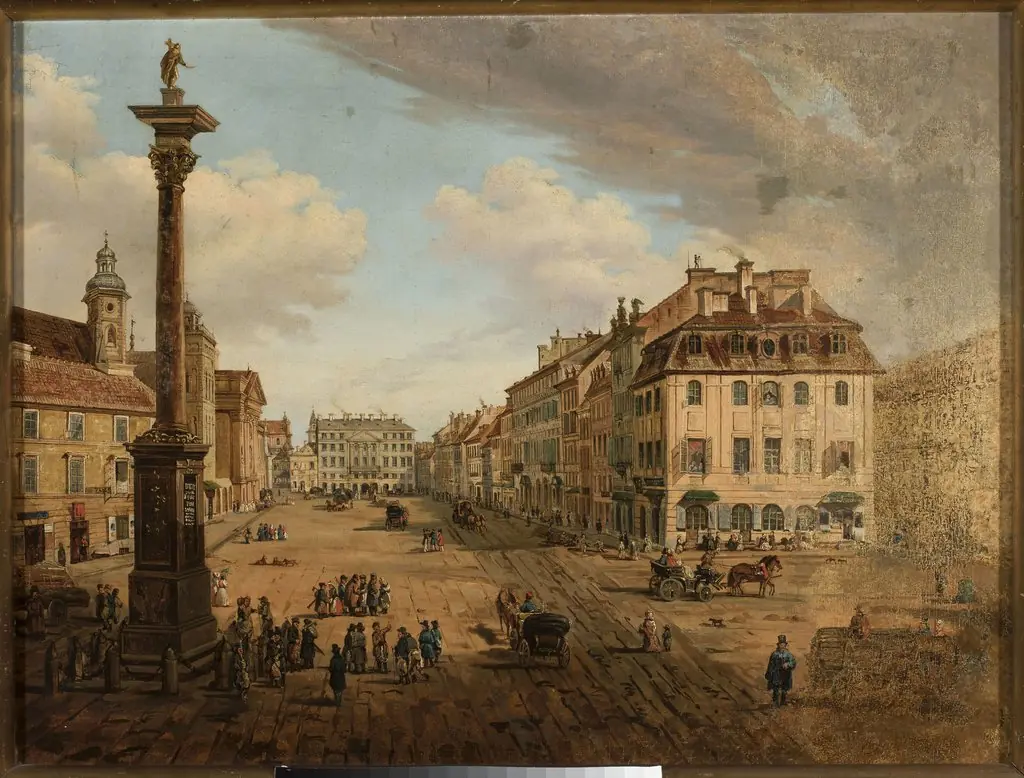 View from the Castle Square towards Krakowskie Przedmieście
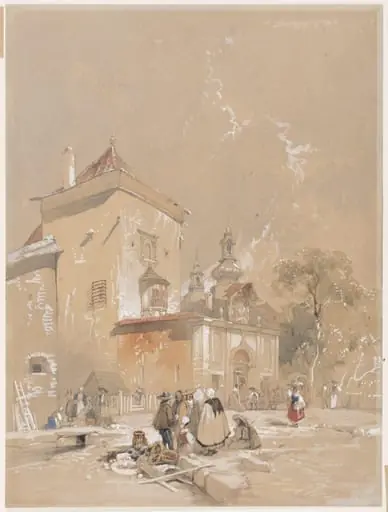 Gateway and buildings in Spain
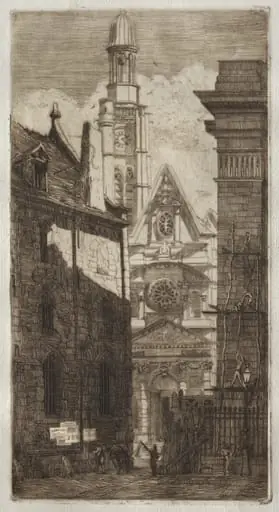 Saint-Etienne-du-Mont
 View at Caen, Normandy