Artwork
A Street Scene in the Dogdays
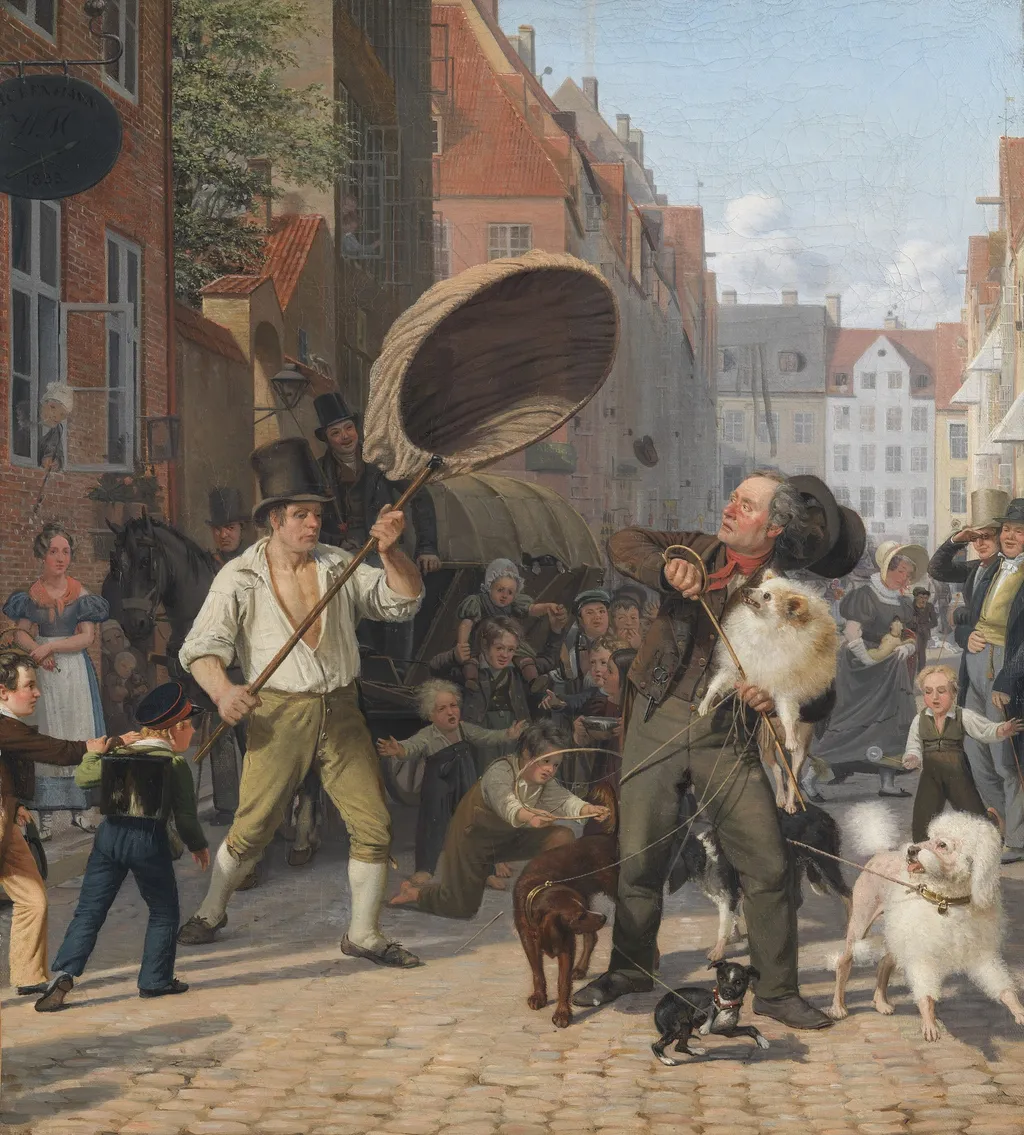
A Street Scene in the Dogdays is an oil painting by Wilhelm Marstrand. It dates from 1832 and is held in the collection of the Statens Museum for Kunst.
About this work
Overview
A Street Scene in the Dogdays is an 1832 oil painting by Danish artist Wilhelm Marstrand. It captures a moment of urban life in Copenhagen during the hottest period of summer, known as the dog days. The work belongs to the genre of everyday scenes, offering a quiet observation of public order and municipal duty in the early 19th century.
Subject & Meaning
The painting centers on a dog catcher apprehending stray animals along a city street, a common civic task at the time. The scene reflects public health concerns and municipal regulation in a rapidly growing capital. Rather than dramatizing the event, Marstrand presents it with calm realism, inviting viewers to consider the routines that shaped urban existence.
Technique & Style
Marstrand employed traditional oil-on-canvas methods to render the scene with careful attention to light, texture, and spatial depth. Figures are rendered with subtle detail, and the composition guides the eye along the street’s recession. The palette is restrained, emphasizing the heat and stillness of summer, while brushwork remains controlled, avoiding theatricality.
History & Provenance
Created in 1832, the painting entered the collection of the National Gallery of Denmark shortly after its completion. It remained relatively unaltered in public ownership, reflecting its early recognition as a representative work of Danish genre painting. No significant changes in ownership or restoration are documented in its recorded history.
Context
In the early 1830s, Copenhagen was undergoing urban modernization, with increasing attention to sanitation and public order. Stray dogs were seen as both a nuisance and a health risk, prompting municipal dog-catching patrols. Marstrand’s painting aligns with a broader European trend of depicting civic life with observational neutrality.
Legacy
The painting is regarded as an early example of Danish genre painting that prioritizes quiet observation over sentiment. While not widely exhibited outside Denmark, it remains a reference point for studies of 19th-century urban life and the evolution of social realism in Nordic art. Its enduring presence in the National Gallery underscores its role in documenting everyday norms.
Own this work as a print
Artist & collection
Artist
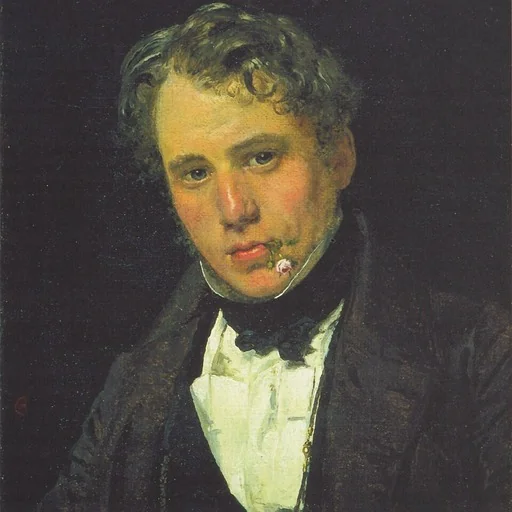
Nicolai Wilhelm Marstrand (24 December 1810 – 25 March 1873), painter and illustrator, was born in Copenhagen, Denmark, to Nicolai Jacob Marstrand, instrument maker and inventor, and Petra Othilia Smith.

 Portrait of Otto Marstrand's two daughters and their nanny
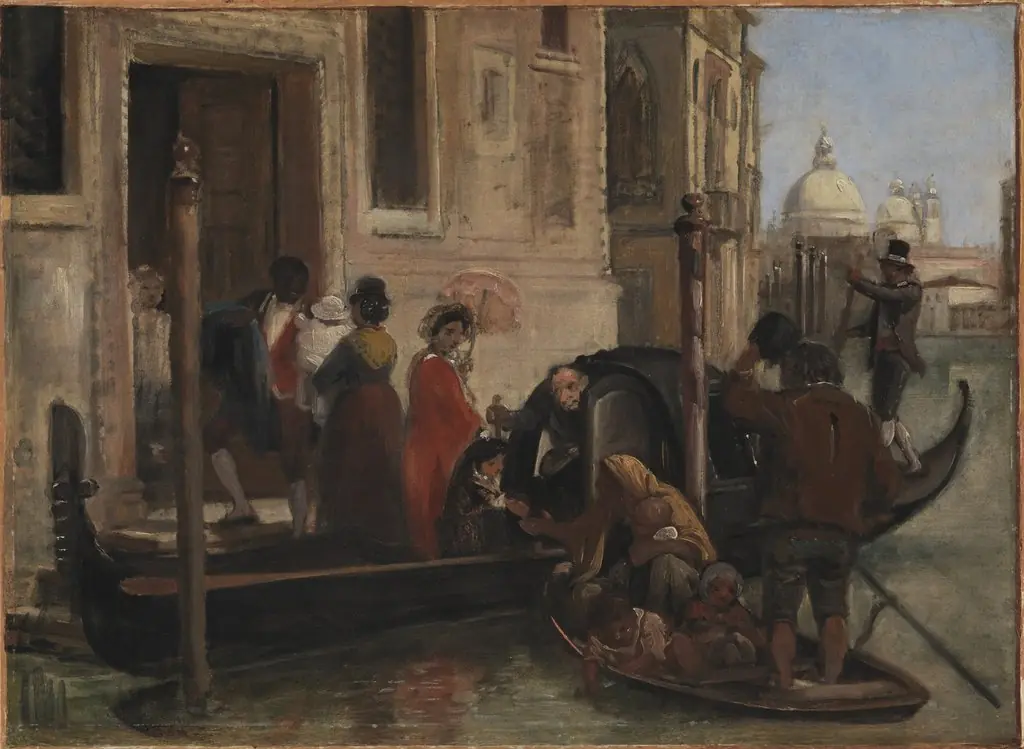 Landing in Venice. In the Distance S. Maria delle Salute
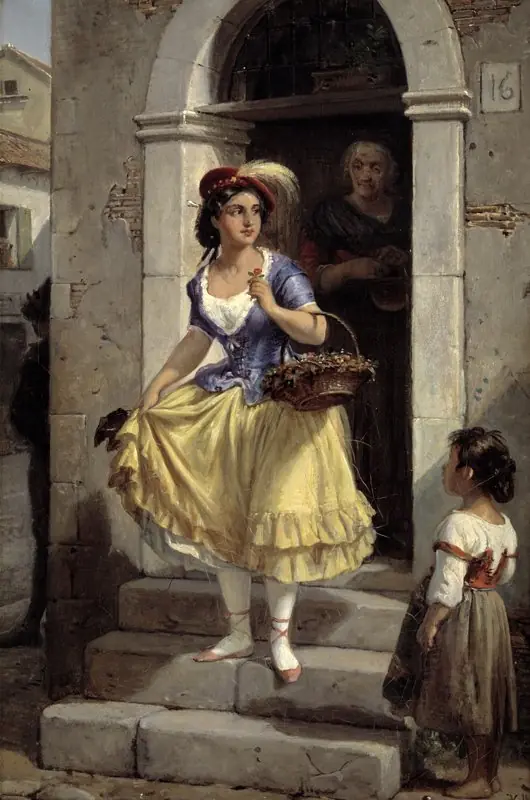 An Italian Woman in the Way to the Carnival
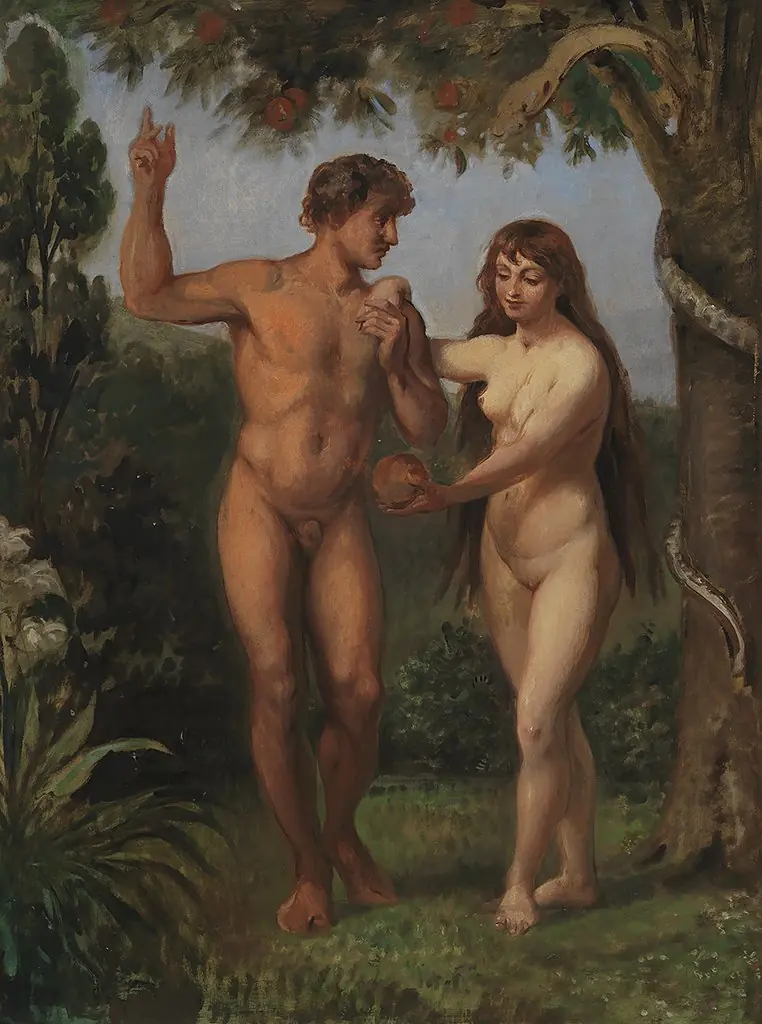 Eve Tempts Adam
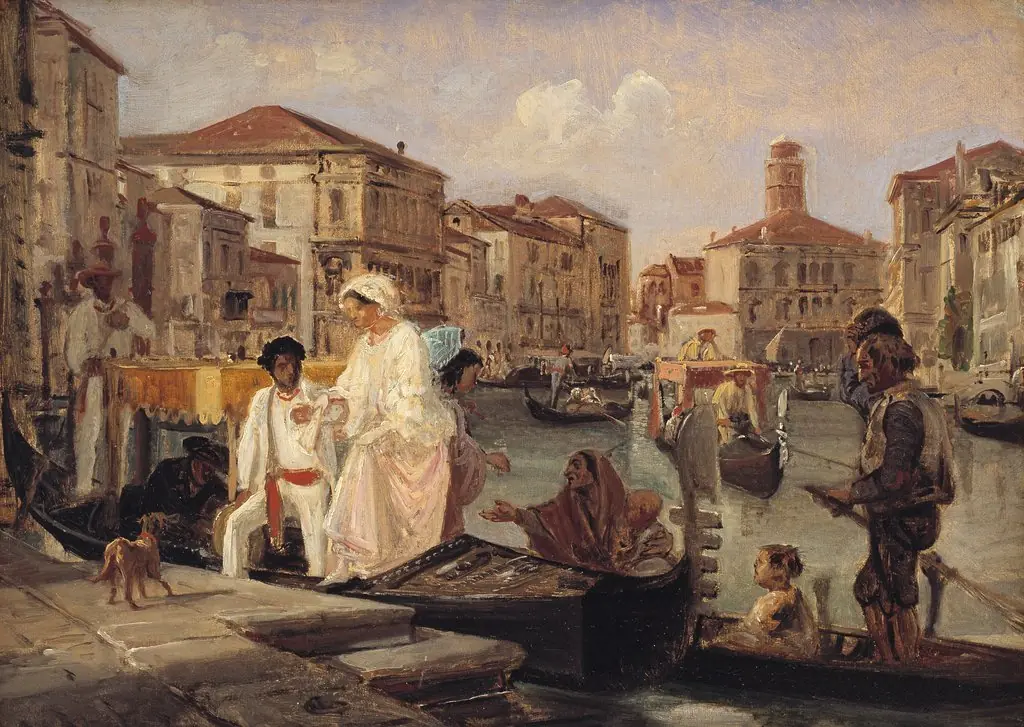 Alighting from a Gondola in Venice
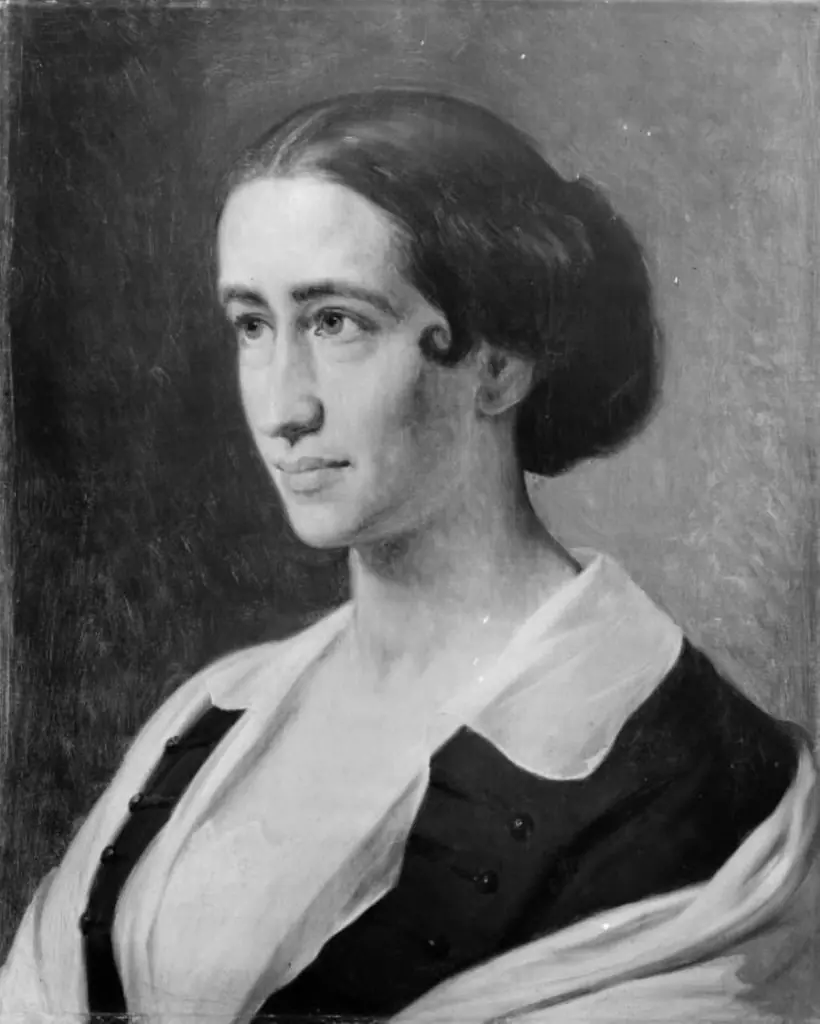 Skuespillerinden Johanne Luise Heiberg
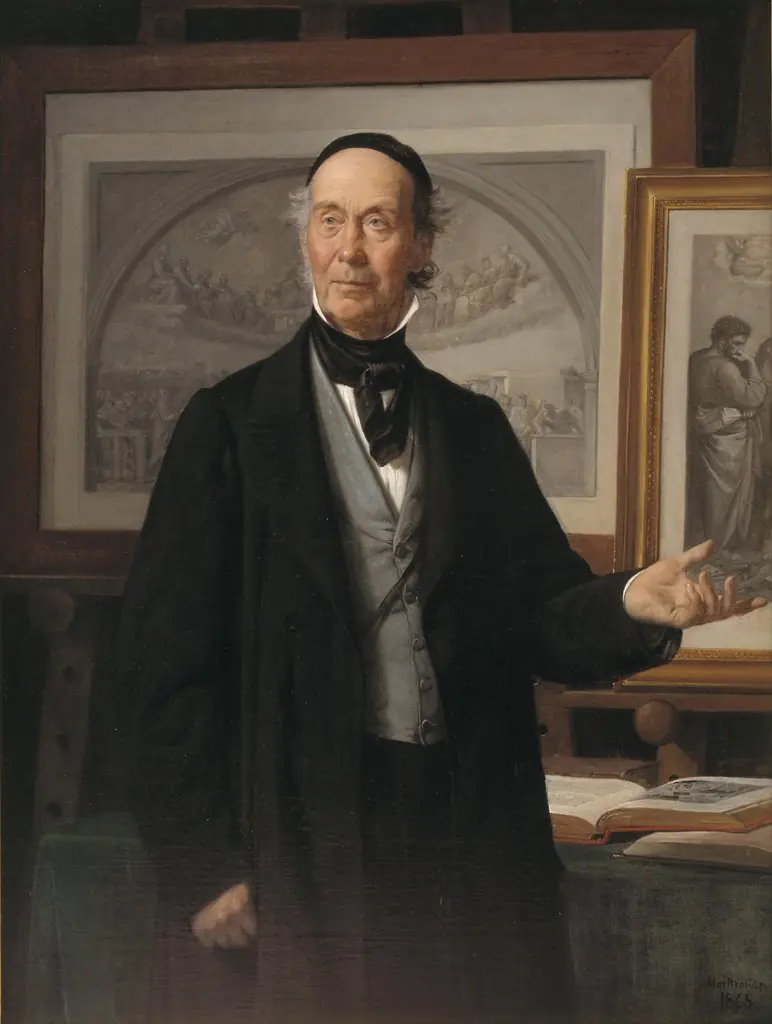 The Art Historian N. L. Høyen
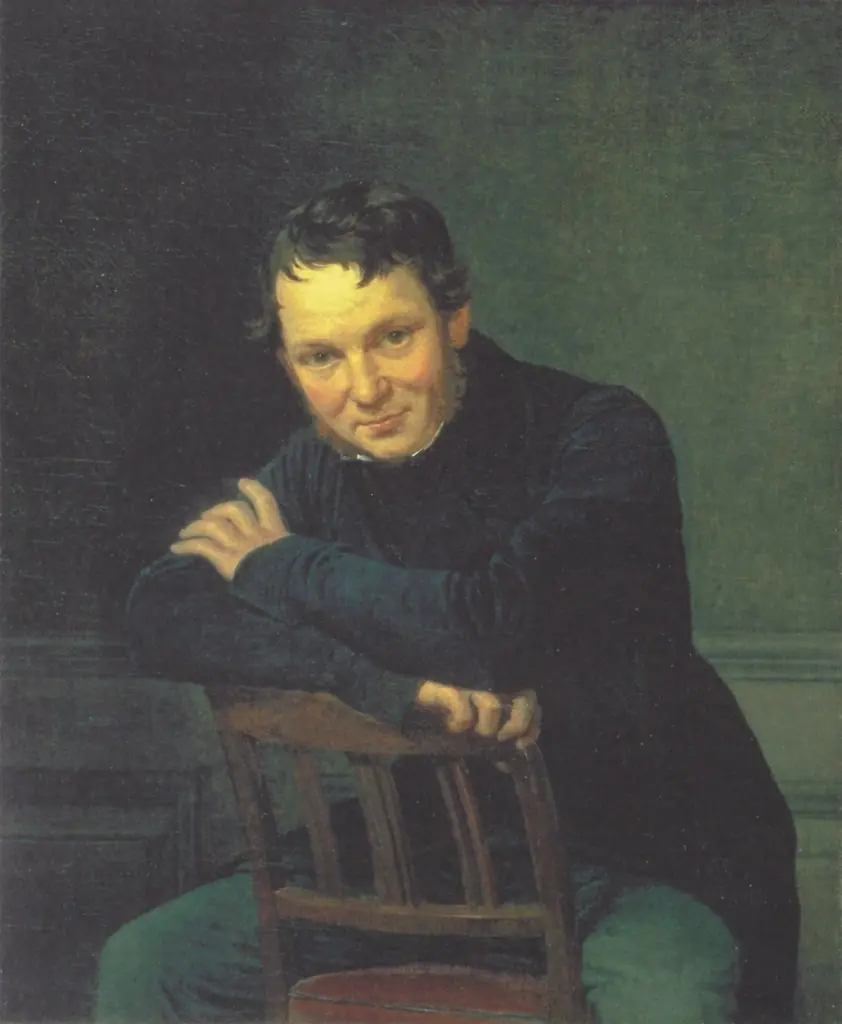 Gottlieb Bindesbøll, Danish Architect
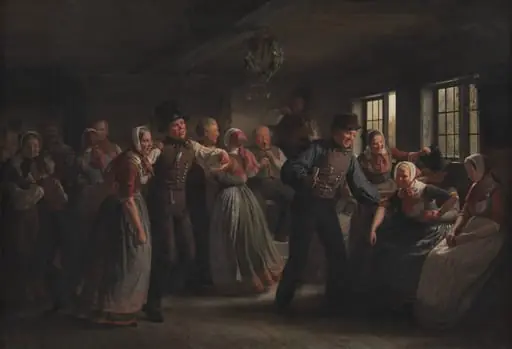 A Country Dance in the Hedebo District, Zealand
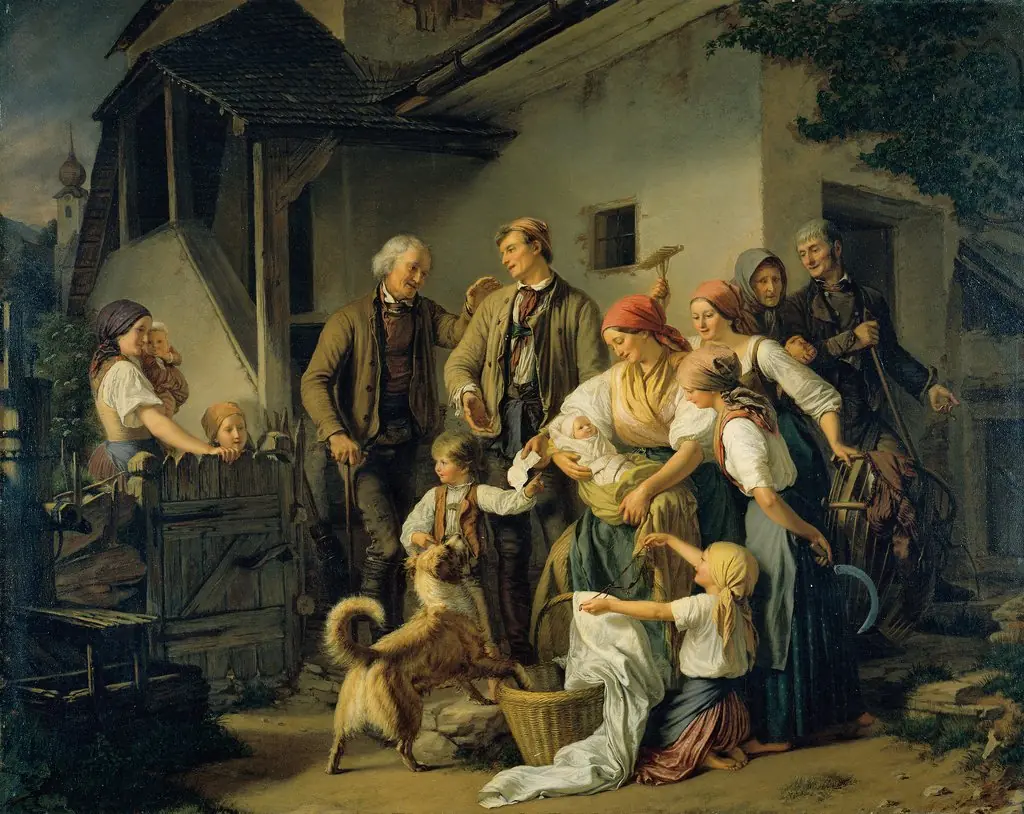 The Foundling
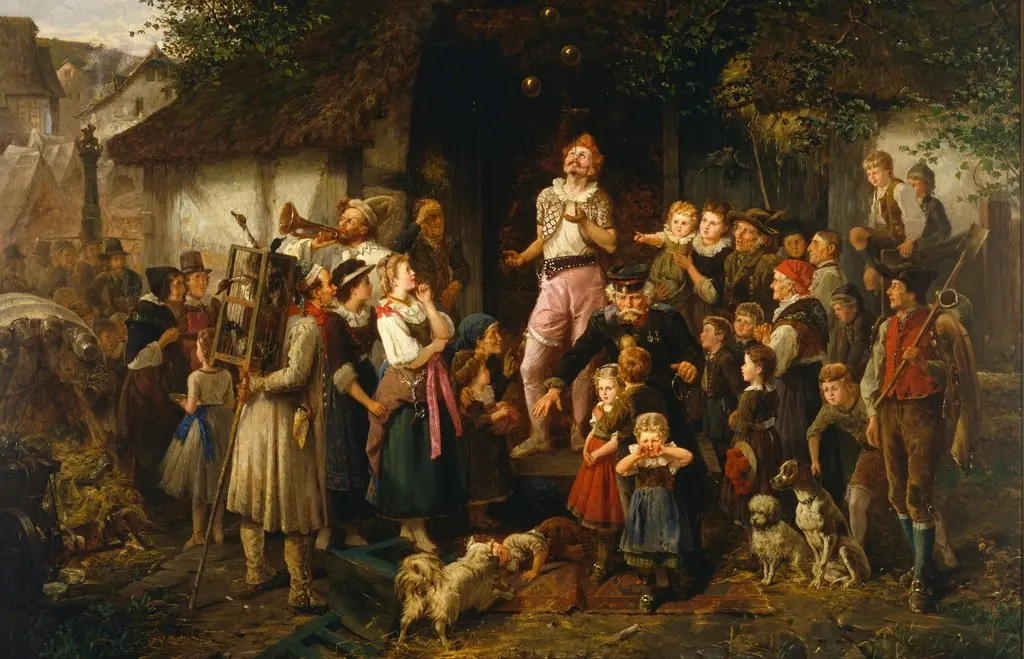 The juggler: a village fair
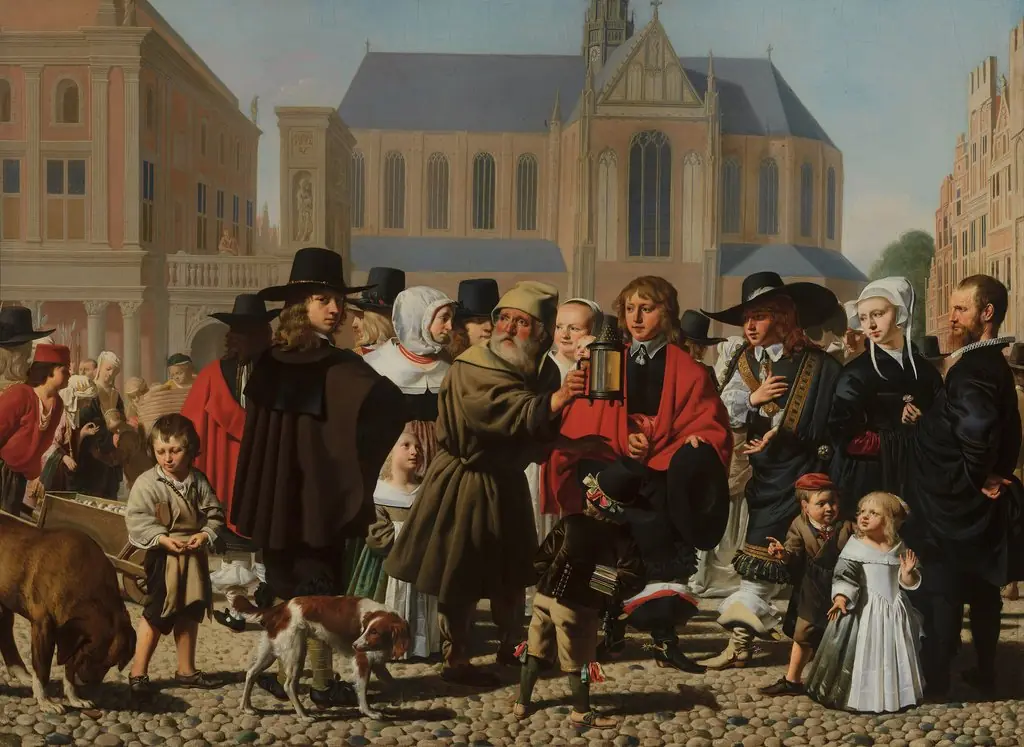 Allegorical portrait of the Steyn family as scene of Diogenes
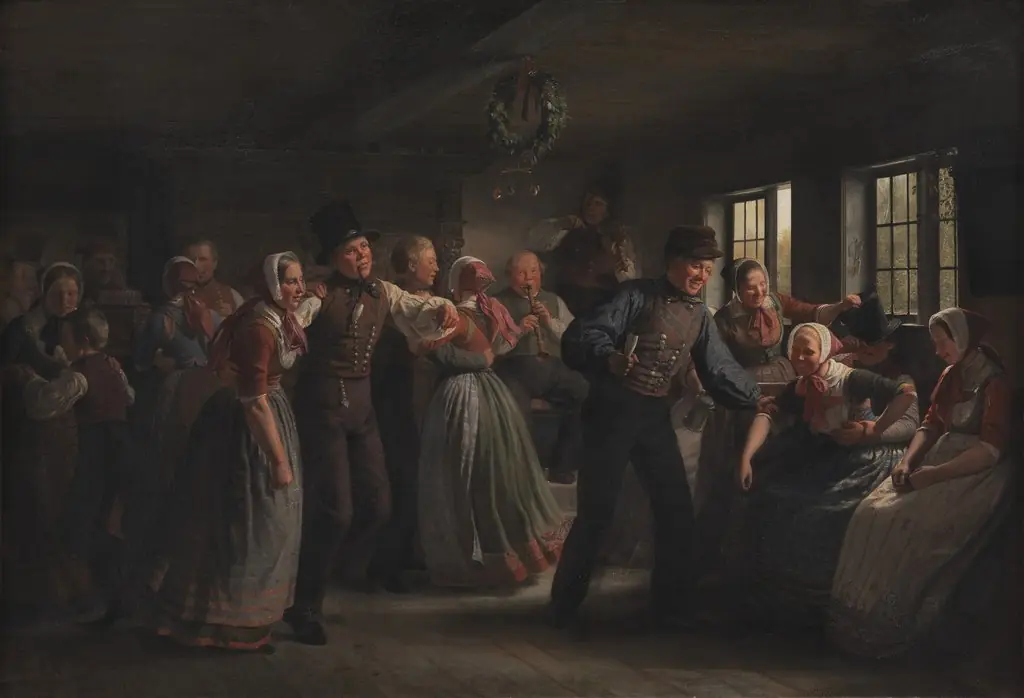 A Country Dance in the Hedebo District, Zealand
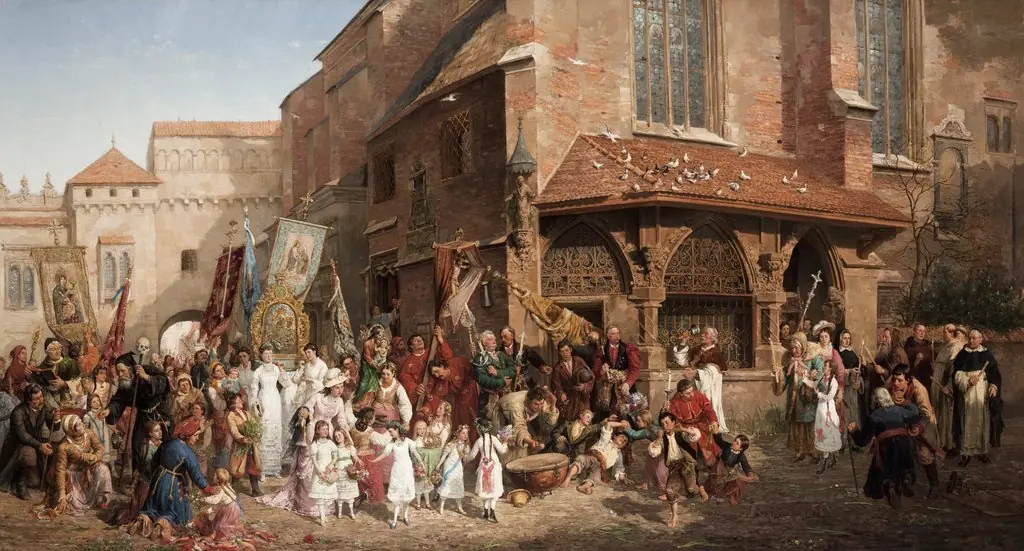 The Corpus Christi Procession
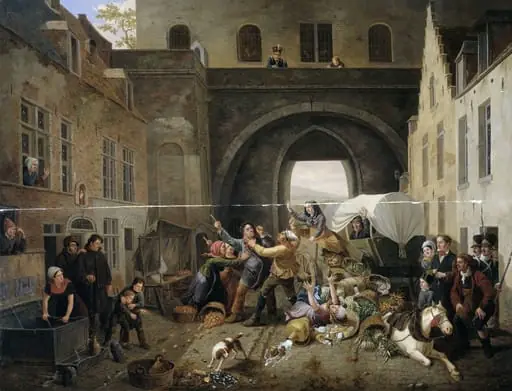 A Collision at the Porte de Hal, Brussels
 Peasants Celebrating Twelfth Night
 The Asylum for the Deaf
 Guests at a Wedding