Artwork
The Asylum for the Deaf
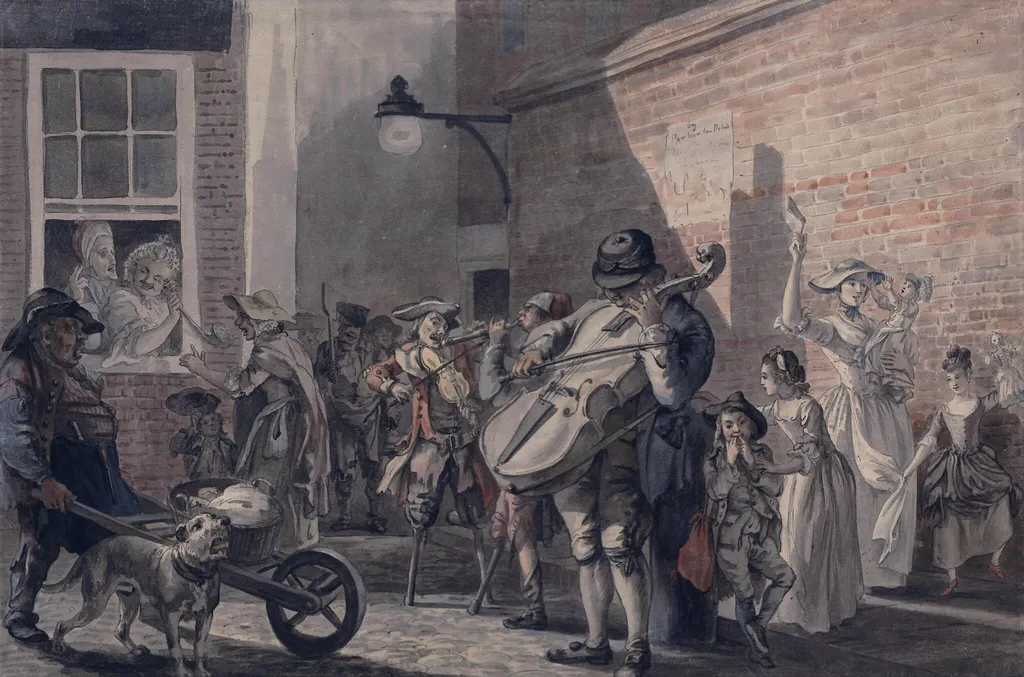
The Asylum for the Deaf is a watercolor work on paper by John Collet. It dates from 1750 and is held in the collection of the Victoria and Albert Museum.
About this work
Overview
Painted in 1750 by John Collet, this watercolour captures a nocturnal street scene centered on a building likely associated with an institution for the deaf.
Painted in 1750 by John Collet, this watercolour captures a nocturnal street scene centered on a building likely associated with an institution for the deaf. Figures gather under dim lantern light, engaged in varied activities—music, distribution of printed material, and casual observation. The composition conveys a quiet urban moment, rendered in muted tones with careful attention to atmospheric effects.
Subject & Meaning
The scene suggests a public event tied to a deaf institution, possibly a charitable performance or outreach. Musicians play instruments while bystanders react with curiosity or indifference. A woman at the window, holding an ear trumpet, implies a connection to the deaf community. The presence of pamphlets hints at efforts to communicate or educate, reflecting early societal attempts to engage with deaf individuals beyond institutional walls.
Technique & Style
Collet employed watercolour with subtle layering to suggest nightfall, using soft contrasts between lamplight and shadow. The chiaroscuro effect is restrained but deliberate, guiding the eye toward the central musicians. Brushwork is loose yet controlled, capturing textures of brick, fabric, and fur without overt detail. The palette favors earthy tones, enhancing the quiet, intimate mood of the scene.
History & Provenance
Created in mid-18th century London, the work reflects Collet’s interest in social observation and urban life. It was likely produced for private collectors drawn to genre scenes. The painting’s survival suggests it was valued for its documentary quality rather than its artistic novelty, offering insight into how institutions for the deaf interacted with the public during this period.
Context
In the 1750s, institutions for the deaf were emerging in Europe, often relying on public support. Performances by deaf students or allied musicians were sometimes held to raise funds or awareness. This scene aligns with broader Enlightenment-era efforts to integrate marginalized groups into civic life, even if such engagement remained limited and performative.
Legacy
The painting stands as a rare visual record of early public interactions with deaf communities. Its unidealized depiction of everyday life offers historians a glimpse into social attitudes of the time. Though not widely known, it contributes to the understanding of how disability and public spectacle intersected in pre-industrial urban settings.
Artist & collection
Artist
John Collet painted lively scenes of 18th-century London life, often in watercolour.

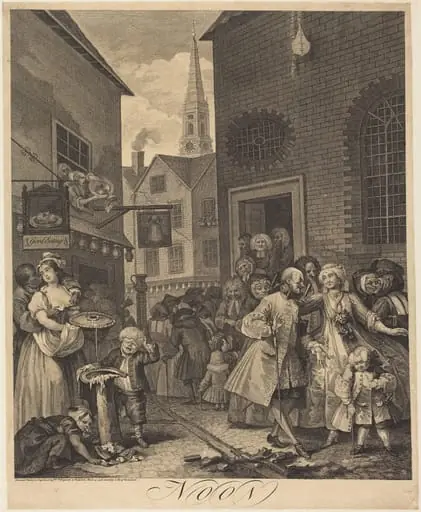 Noon
Noon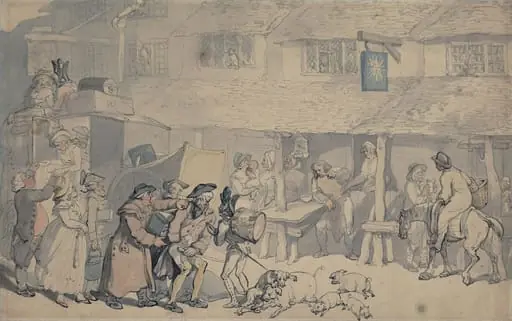 Scene outside an inn
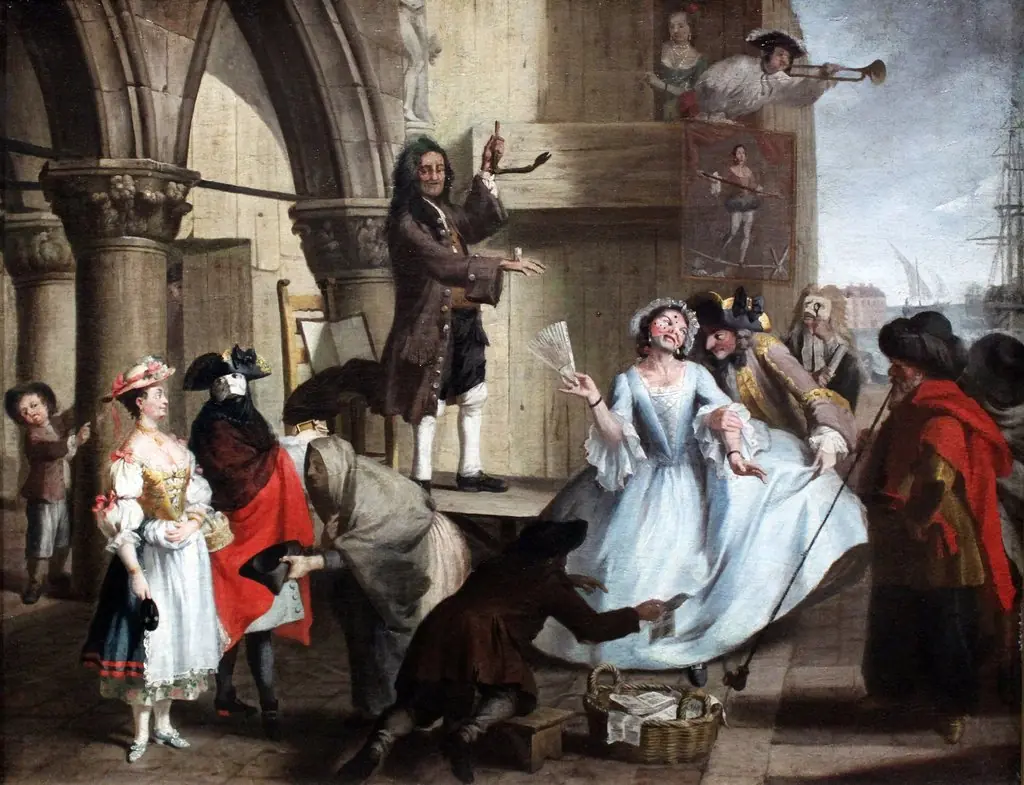 Jugglers before the Doge's Palace
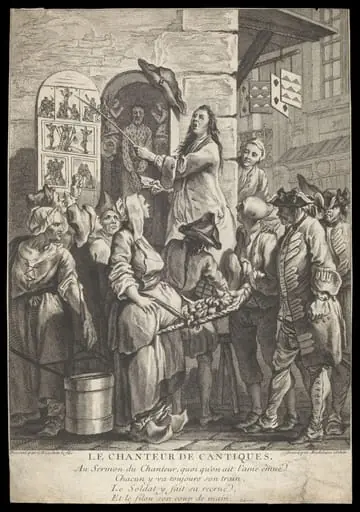 H Beard Print Collection
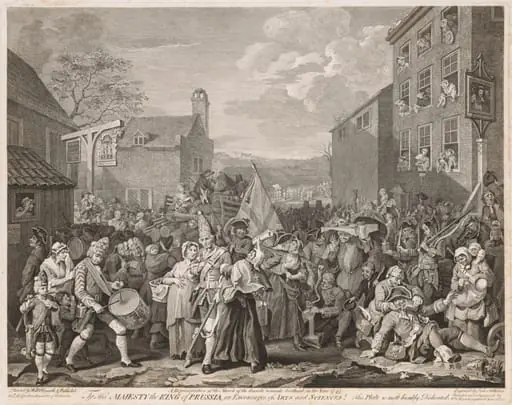 March to Finchley in the Year 1746 (After Hogarth)
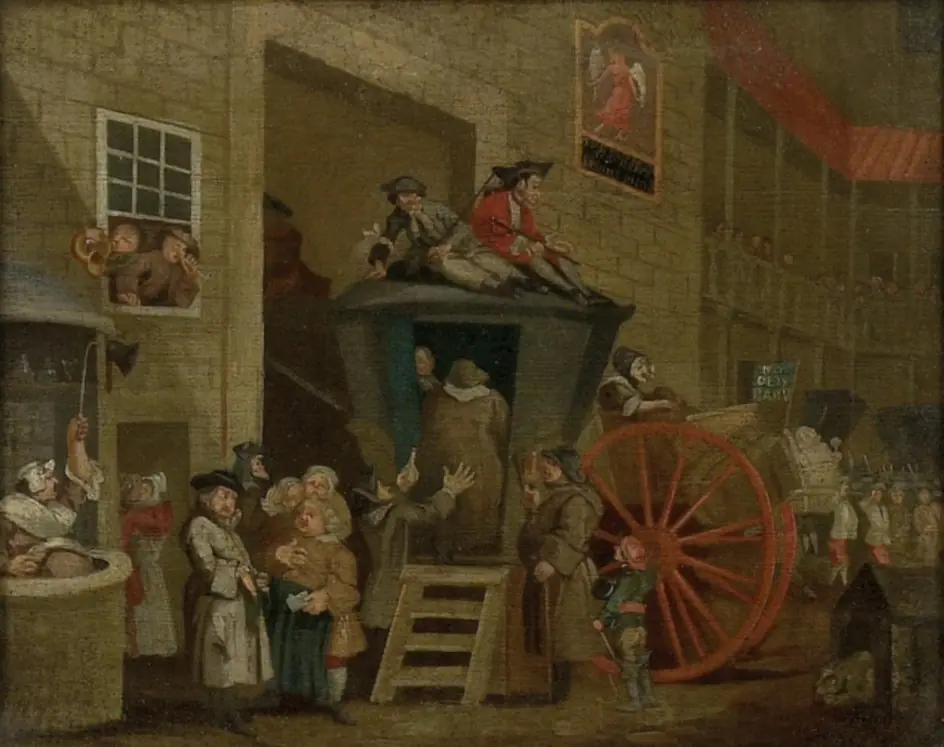 The Stage Coach or The Country Inn Yard
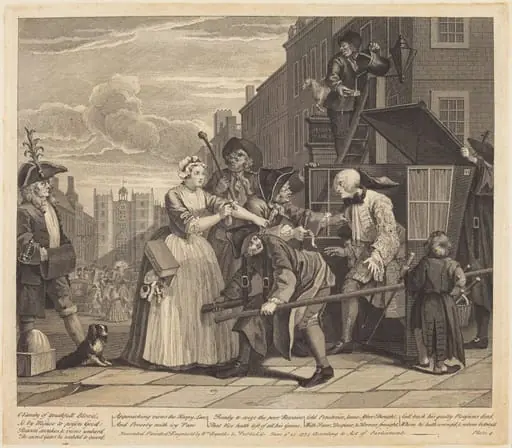 A Rake's Progress: pl.4
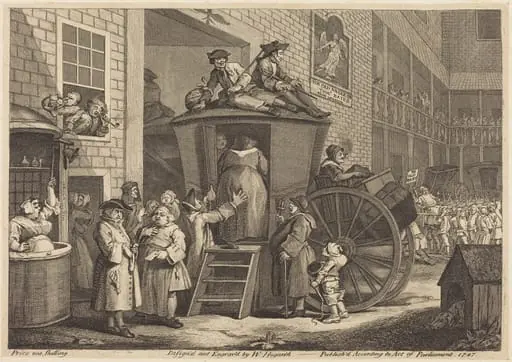 The Stage-coach, or the Country Inn Yard
 Pregătirea de vânătoare
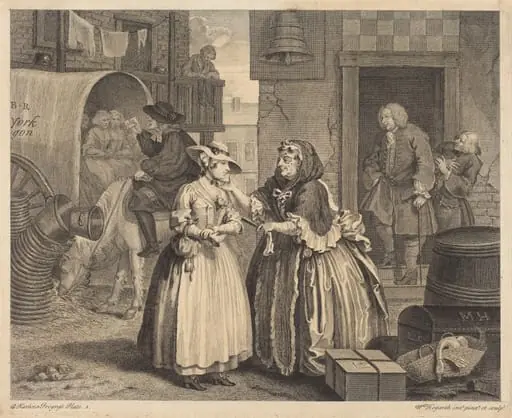 A Harlot's Progress: pl.1
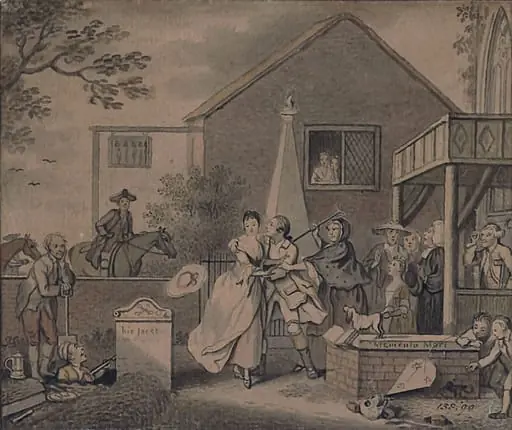 A Group at a Church Porch
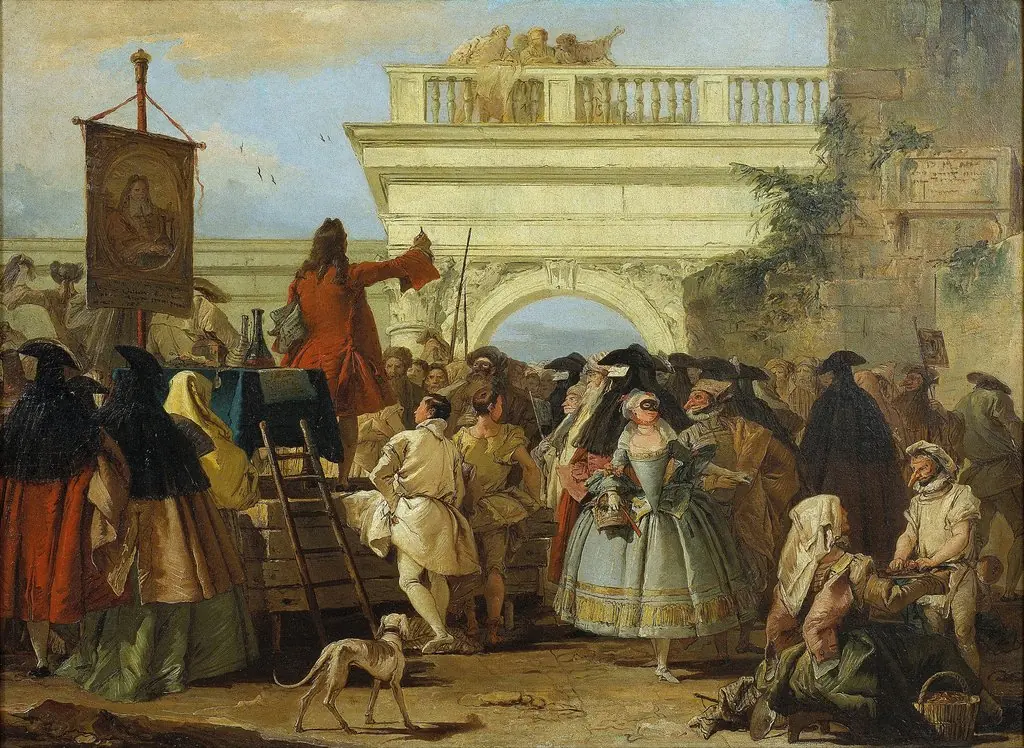 El xarlatà