Artwork
Vanitas
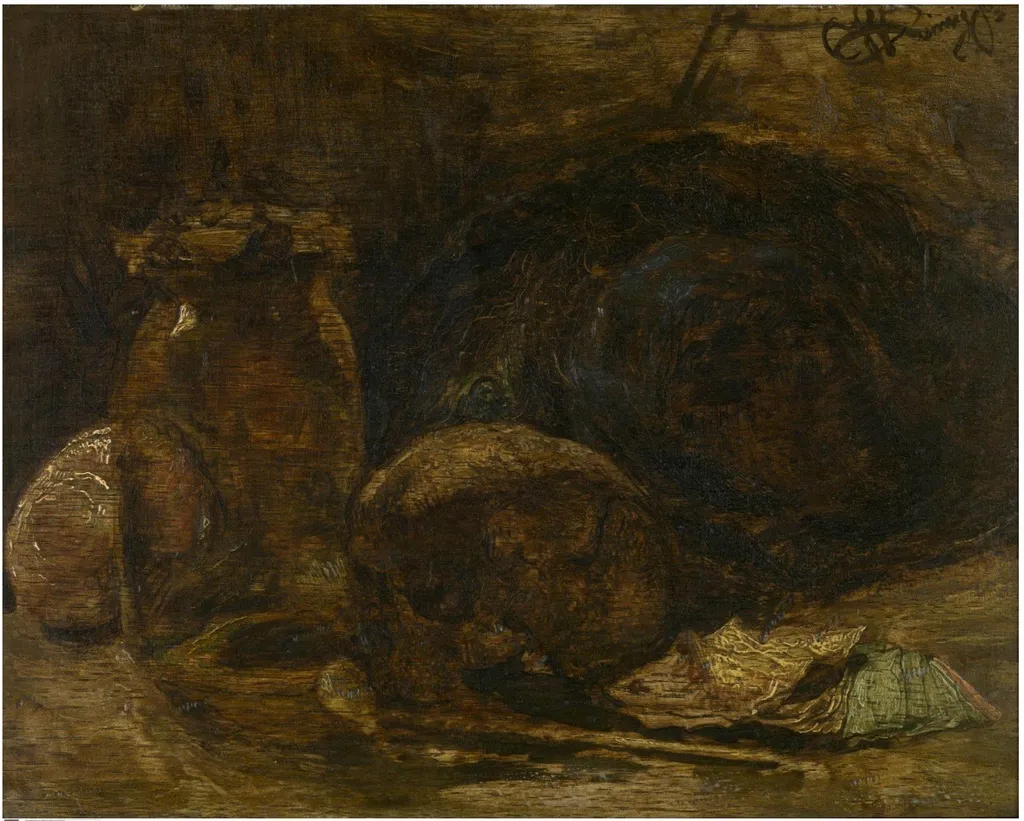
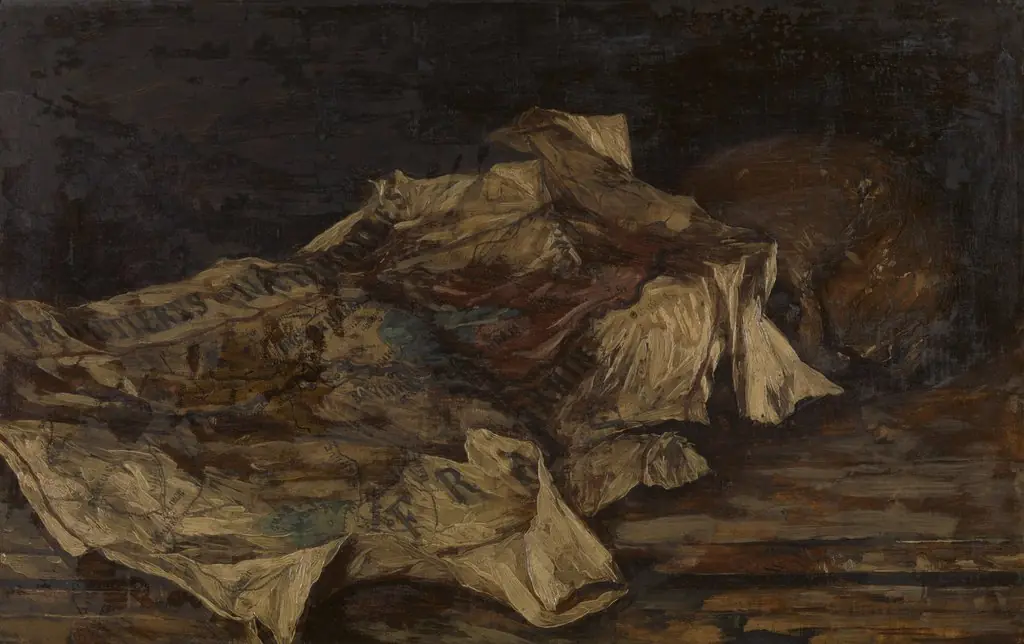
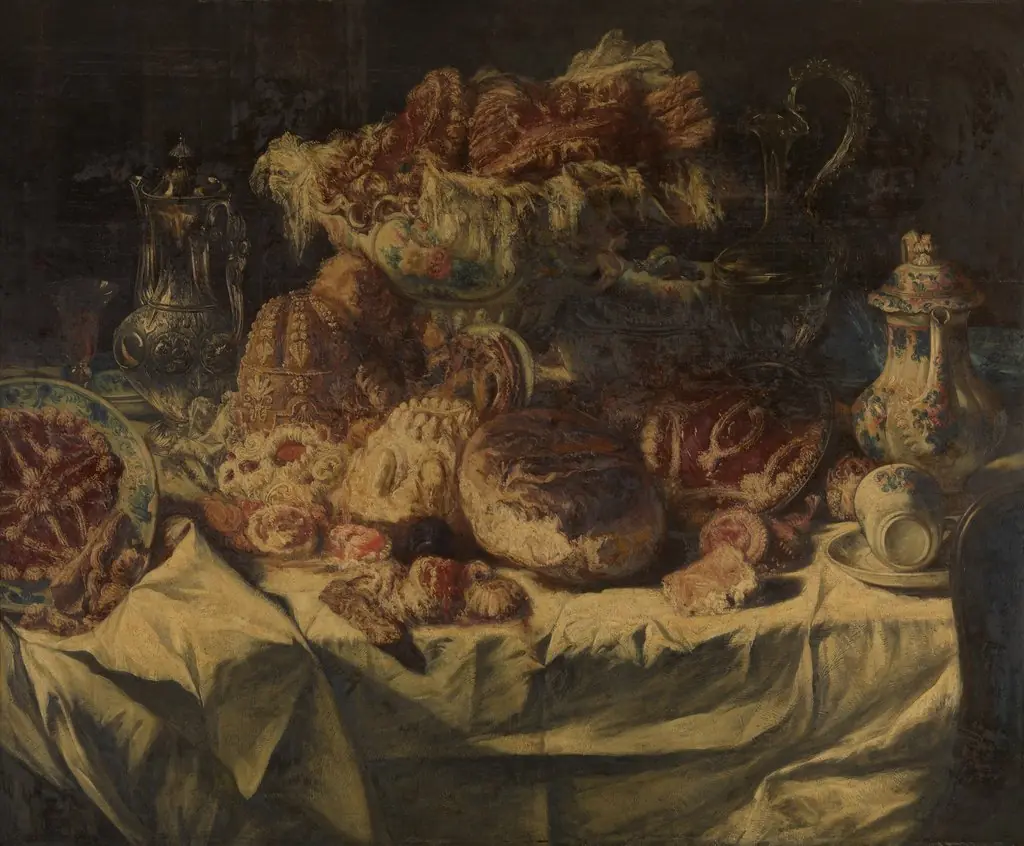
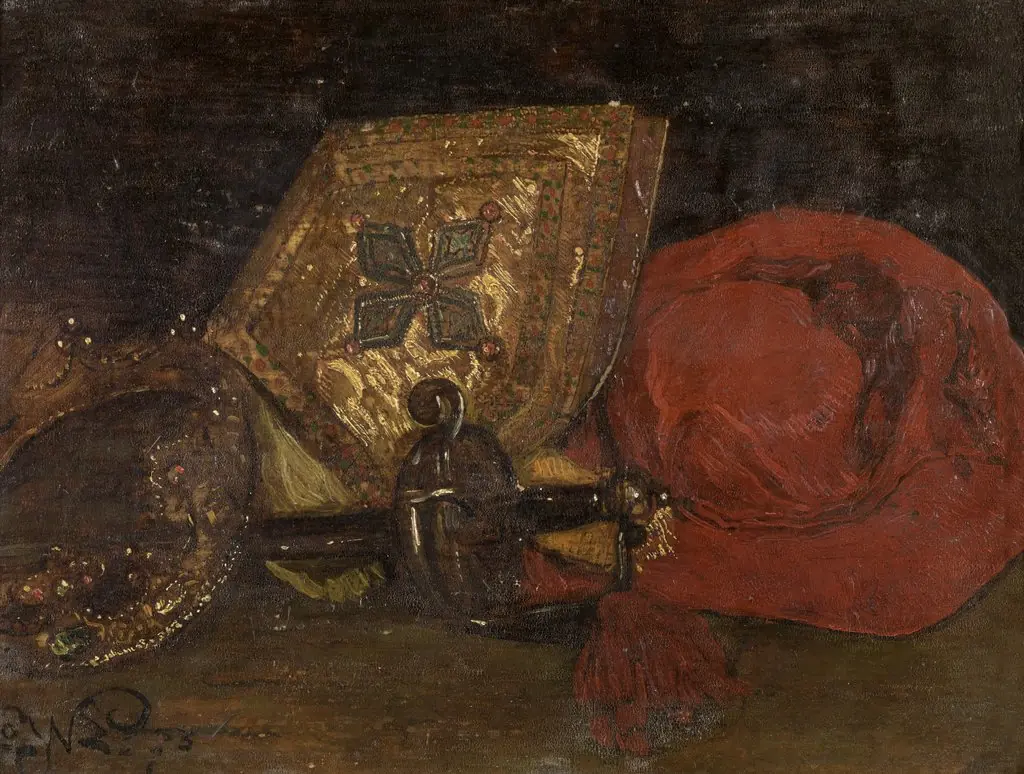
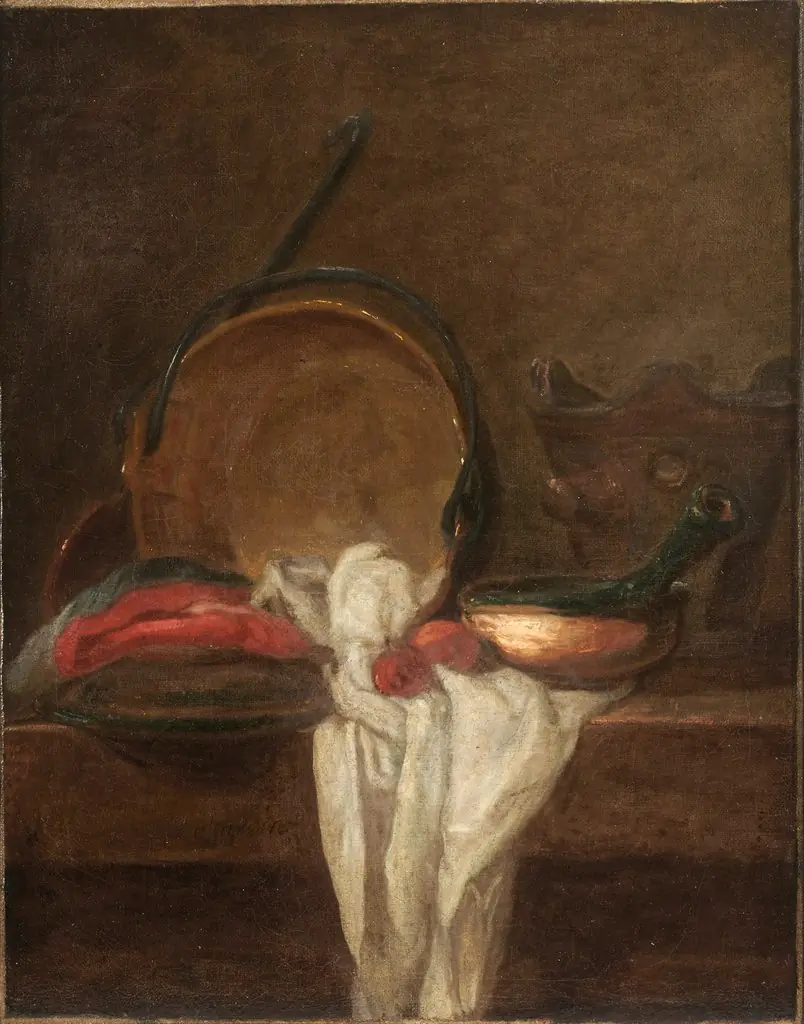
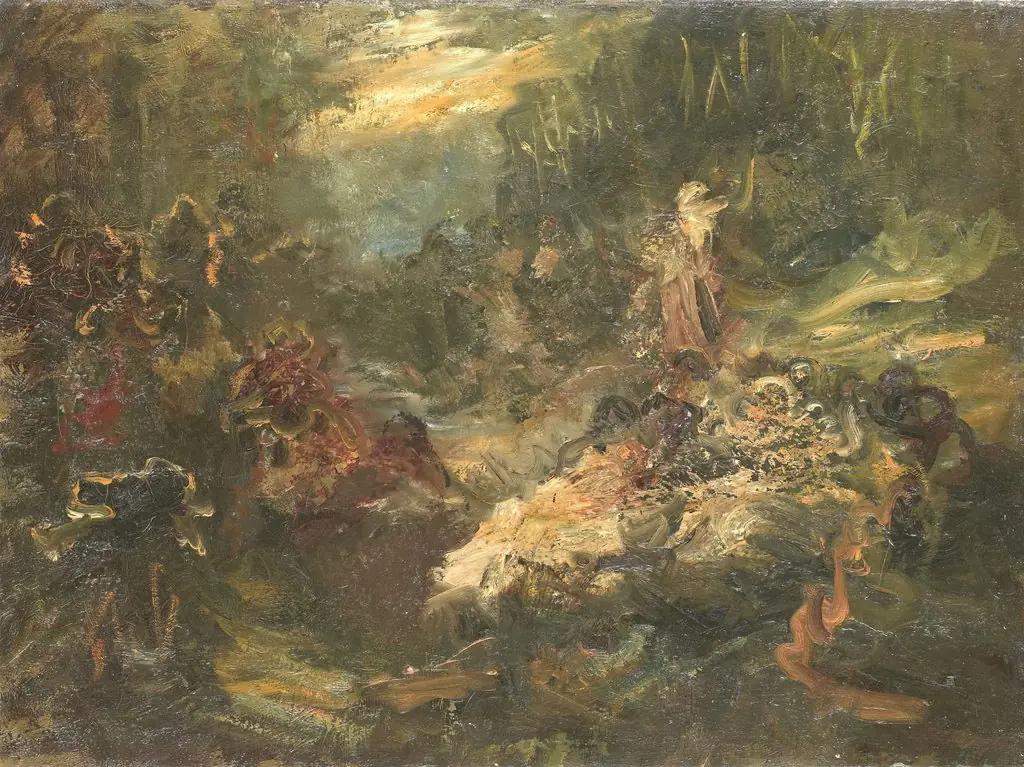
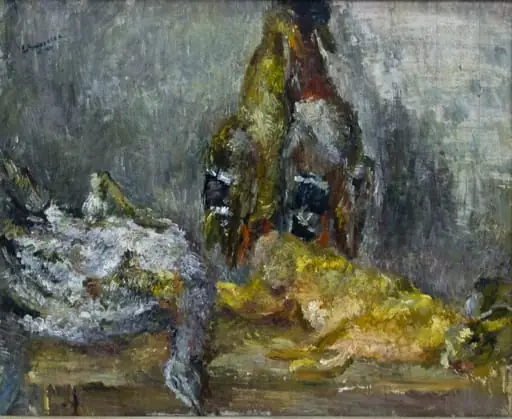
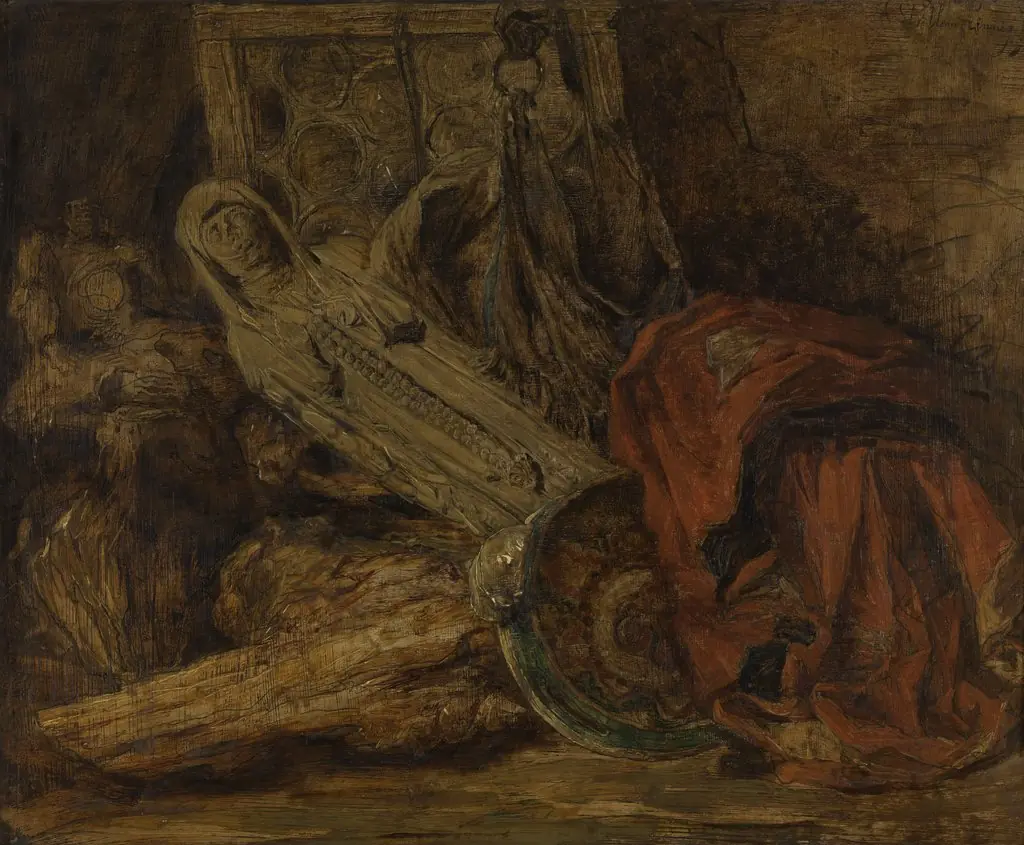
Vanitas is an oil painting by the Biedermeier artist Willem Linnig Junior. It dates from 1869 and is held in the collection of the Royal Museum of Fine Arts Antwerp.
About this work
Overview
It is currently held in the Royal Museum of Fine Arts Antwerp, where it contributes to the museum’s collection of 19th-century Belgian art.
Painted in 1869 by Willem Linnig the Younger, this oil-on-canvas still life belongs to the vanitas tradition, a genre reflecting on mortality and the transience of earthly goods. Executed during the Biedermeier period, the work aligns with Linnig’s broader practice of religious, historical, and domestic subjects. It is currently held in the Royal Museum of Fine Arts Antwerp, where it contributes to the museum’s collection of 19th-century Belgian art.
Subject & Meaning
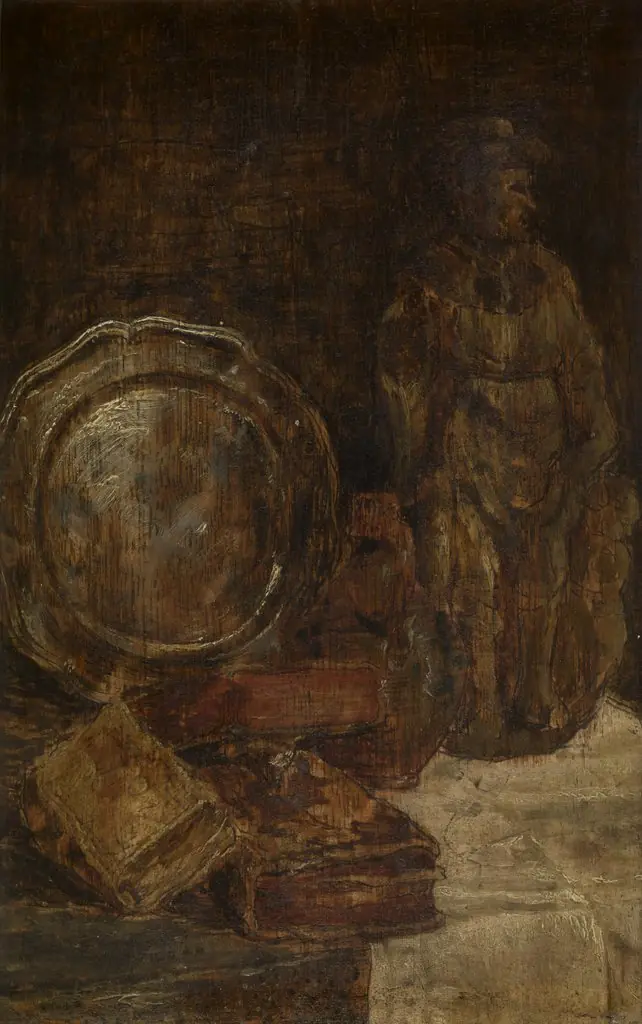
The composition presents a curated arrangement of objects—vessels, books, instruments, and possibly a skull—each symbolizing the fleeting nature of life, knowledge, pleasure, and power. These items, rendered with quiet precision, serve as memento mori, inviting contemplation of impermanence. The absence of human figures intensifies the meditation on absence and decay, a hallmark of vanitas imagery rooted in Northern European moral tradition.
Technique & Style
Linnig employs chiaroscuro to model forms with subtle gradations of light and shadow, lending volume and tactile presence to each object. Surfaces of glass, metal, and fabric are distinguished through careful rendering of reflectivity and texture. The arrangement avoids symmetry, creating a naturalistic yet deliberate composition that guides the viewer’s eye across the canvas, reinforcing the theme of fragility through visual balance and restraint.
History & Provenance
The painting entered the collection of the Royal Museum of Fine Arts Antwerp after its creation, likely through acquisition or donation in the late 19th century. Linnig, trained in Antwerp and later active in Weimar, maintained ties to Belgian artistic circles, which may have facilitated its placement in the museum. Its provenance remains unbroken, with no documented changes in ownership since its acquisition.
Context
Created during the Biedermeier era, the work reflects a broader cultural turn toward introspection and domestic quietude in Central Europe. Though often associated with German and Austrian art, the vanitas theme persisted in Belgian painting as a moralizing genre. Linnig’s engagement with this tradition situates him within a regional continuity of symbolic still life, distinct from the more ornate Dutch precedents.
Legacy
Linnig’s *Vanitas* stands as a modest but coherent example of 19th-century moral still life, preserving the genre’s symbolic language without overt theatricality. While not widely reproduced, it contributes to scholarly understanding of how vanitas motifs evolved beyond the Baroque into the modern era, particularly in regions where religious and secular traditions intersected in quiet, reflective art.
Artist & collection
Artist
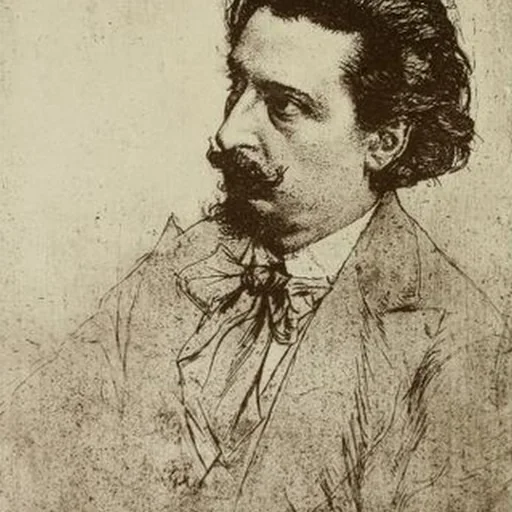
Willem Linnig the Younger (20 August 1842 in Antwerp – 3 September 1890 in Antwerp) was a Belgian painter and engraver who is best known for his history and genre scenes, landscapes and still lifes.