Artwork
The Old Cloister in Lier
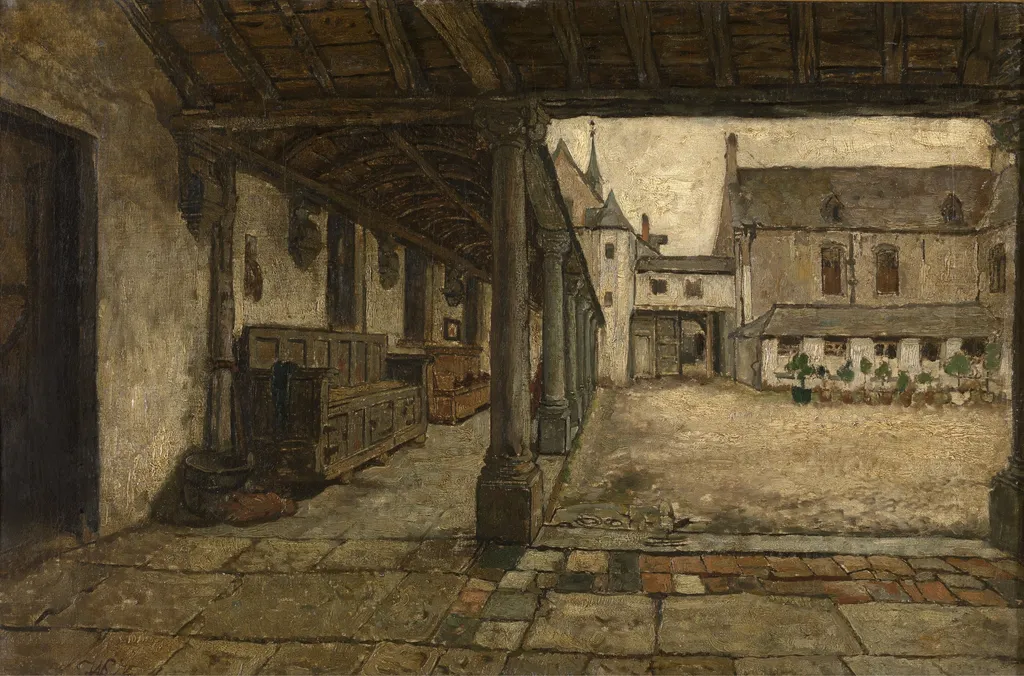
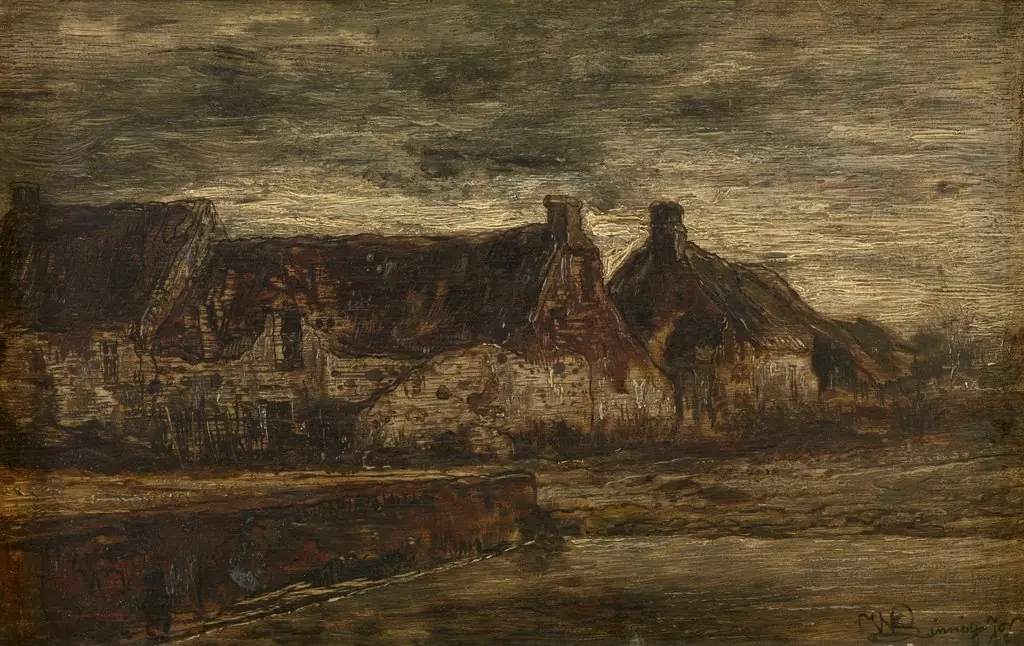
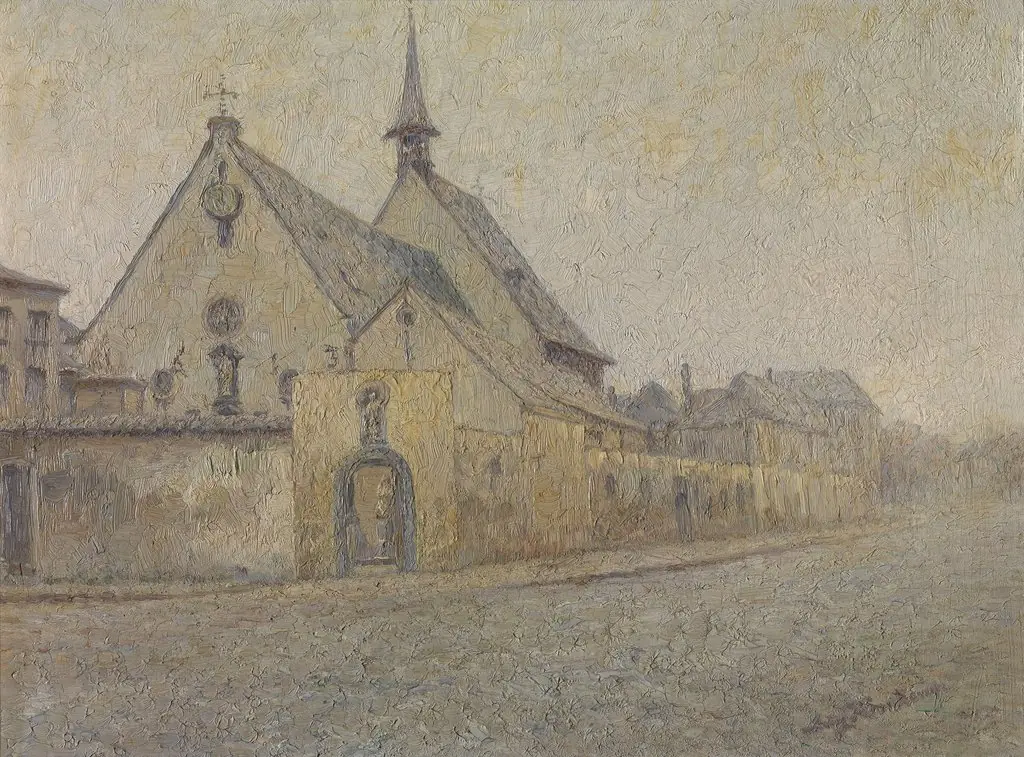
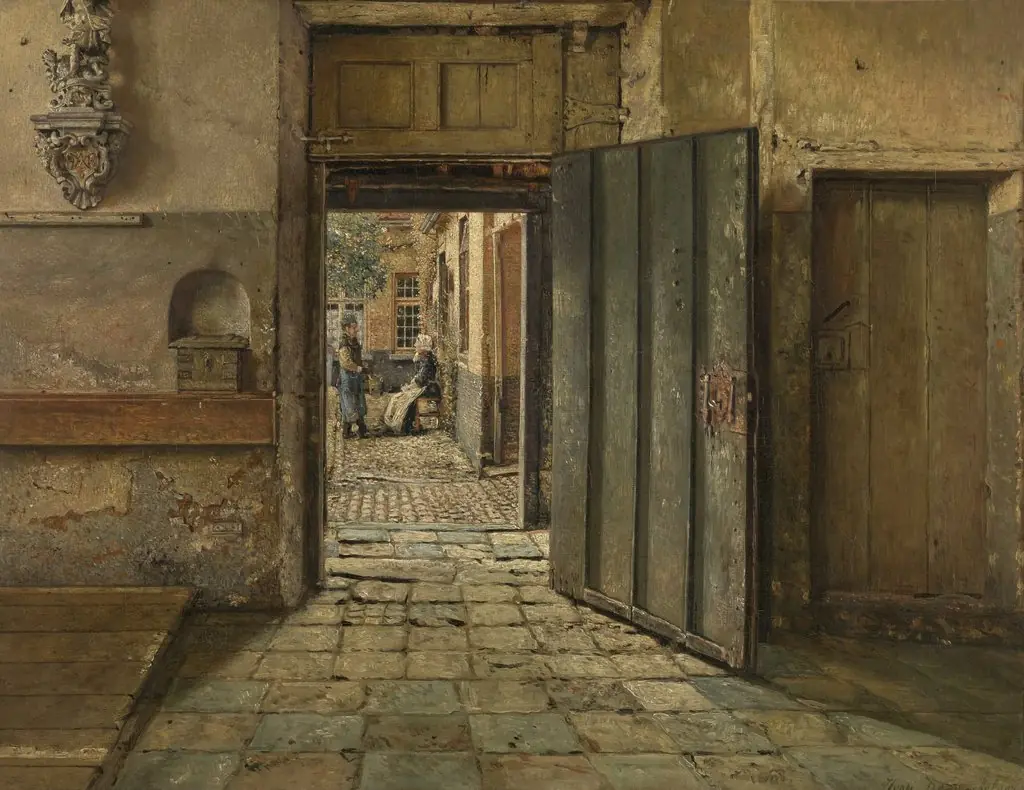
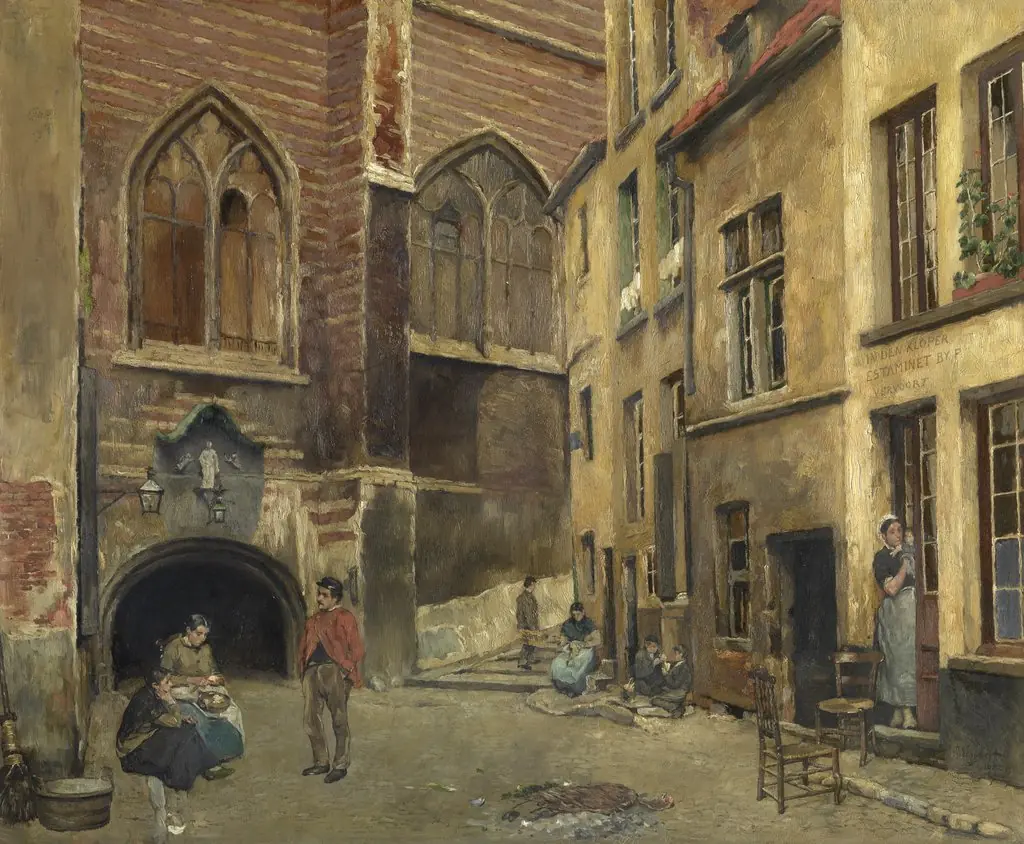
The Old Cloister in Lier is an oil painting by the Impressionist artist Willem Linnig Junior. It dates from 1871 and is held in the collection of the Royal Museum of Fine Arts Antwerp. Painted in 1871 by Willem Linnig the Younger, this oil-on-canvas work depicts a quiet courtyard within a historic cloister in Lier, Belgium.
About this work
Overview
Painted in 1871 by Willem Linnig the Younger, this oil-on-canvas work depicts a quiet courtyard within a historic cloister in Lier, Belgium. Though often associated with Impressionism due to its light-sensitive rendering, the painting leans toward detailed realism, emphasizing architectural structure and natural elements with careful observation rather than loose brushwork.
Subject & Meaning
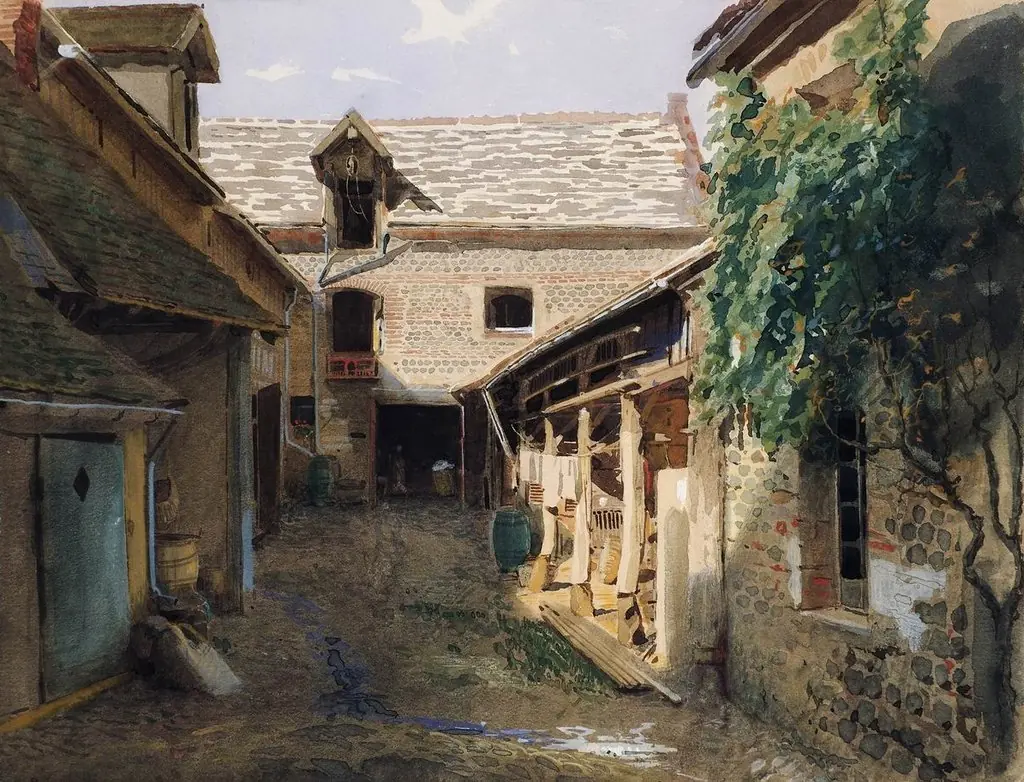
The scene captures an abandoned cloister courtyard, its stone floor worn by time and its covered walkway supported by wooden beams and columns. Potted plants along the edge suggest lingering life amid decay. The stillness and solitude of the space evoke a quiet reverence for forgotten religious architecture, reflecting 19th-century interest in preserving traces of the past.
Technique & Style
Linnig employed oil paint to build subtle tonal variations across white walls and dark roofing, enhancing spatial depth. Textures of weathered stone, weathered wood, and foliage are rendered with precision, avoiding the blurred edges typical of Impressionism. The composition directs the eye along the walkway, reinforcing the sense of enclosure and quiet contemplation.
History & Provenance
Created during Linnig’s mature period, the painting entered the collection of the Royal Museum of Fine Arts Antwerp, where it remains today. Linnig, active in both Belgium and Germany, was known for his academic training and teaching at the Weimar Fine Arts School, though this work diverges from his more common historical subjects in favor of intimate landscape observation.
Context
In the late 19th century, Belgian artists increasingly turned to local architectural heritage as subjects, responding to industrialization and urban change. Linnig’s focus on a modest cloister aligns with a broader cultural movement to document and preserve medieval and early modern structures before they vanished from daily life.
Legacy
While not widely exhibited outside Belgium, the painting exemplifies a quiet strain of realism within Belgian art that prioritized architectural integrity and atmospheric detail over dramatic narrative. It stands as a testament to Linnig’s versatility and his engagement with the evolving visual culture of his time.
Own this work as a print
Artist & collection
Artist
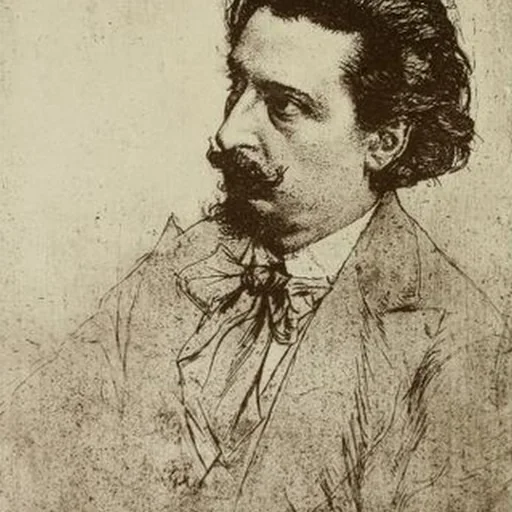
Willem Linnig the Younger (20 August 1842 in Antwerp – 3 September 1890 in Antwerp) was a Belgian painter and engraver who is best known for his history and genre scenes, landscapes and still lifes.