Artwork
Dirne (Hochmut)
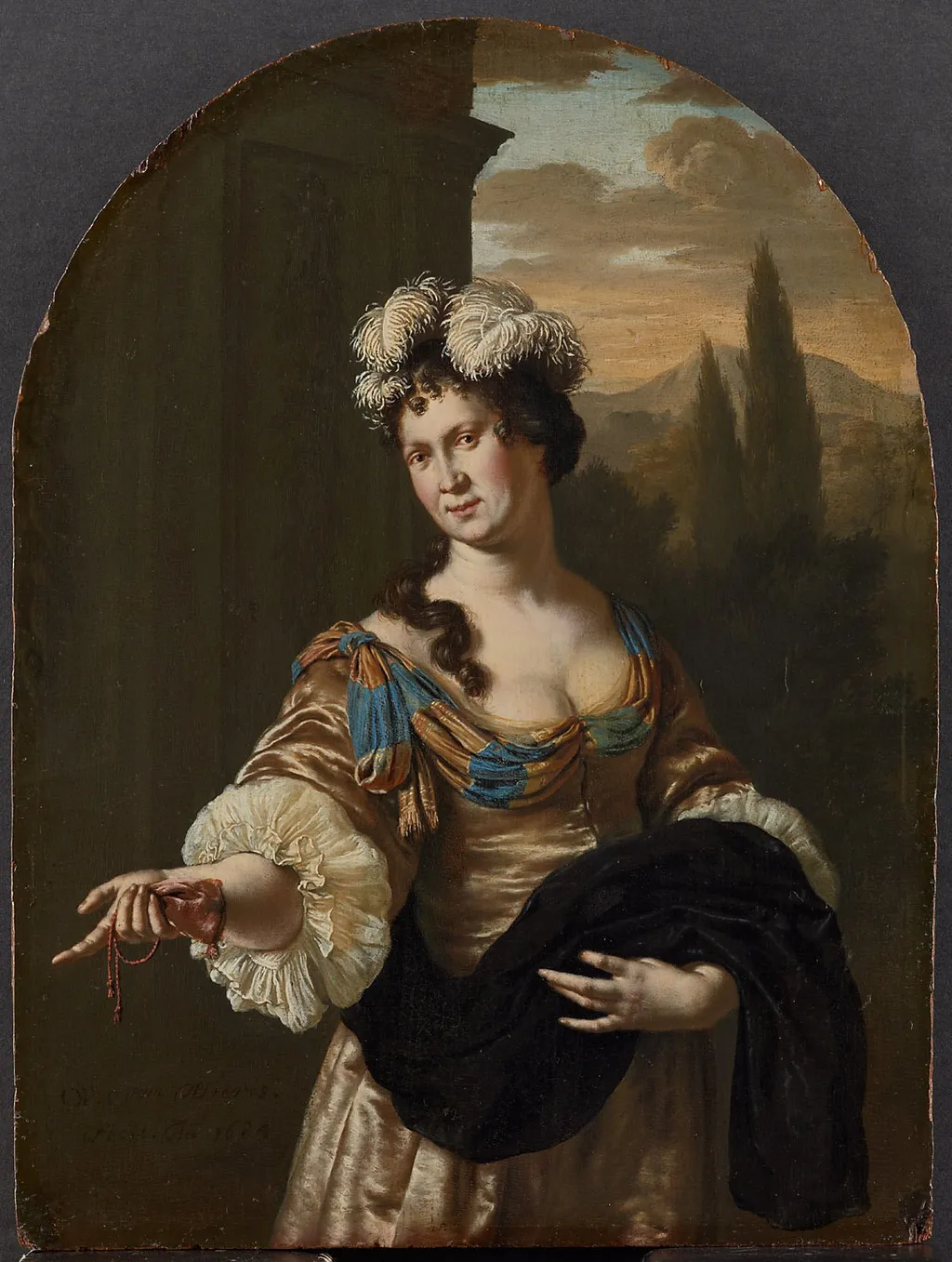
Dirne (Hochmut) is an unspecified painting by the Dutch Golden Age artist Willem van Mieris. It dates from 1692 and is held in the collection of the Kunsthistorisches Museum.
About this work
Overview
Willem van Mieris’s 1692 canvas, titled Dirne (Hochmut), is part of the collection of Vienna’s Kunsthistorisches Museum. The work presents a solitary female figure rendered against a muted backdrop, allowing the intricate details of her attire and accessories to dominate the visual field.
Subject & Meaning
The central figure is a woman dressed in an opulent gold gown trimmed with a blue‑gold sash. She holds a black velvet cloth in her left hand and an ambiguous red object in her right, while a white feathered headdress crowns her head. The composition suggests themes of vanity or pride, hinted at by the title’s reference to haughtiness.
Technique & Style
Van Mieris employs a chiaroscuro approach, using strong contrasts between the illuminated figure and the darkened surroundings to heighten three‑dimensionality. Fine brushwork delineates the ruffled sleeves, low neckline, and the texture of the fabrics, reflecting the Dutch tradition of meticulous surface rendering.
History & Provenance
Created in the late 17th century, the painting entered the Kunsthistorisches Museum’s holdings at an unspecified date, where it remains on display. Its provenance prior to museum acquisition is not documented in the available records.
Context
The work belongs to the Dutch Golden Age’s later period, when artists like van Mieris blended classicist influences with the domestic elegance characteristic of the Leiden school. The inclusion of a landscape glimpse behind the figure aligns with contemporary practices of situating portraiture within broader natural settings.
Artist & collection

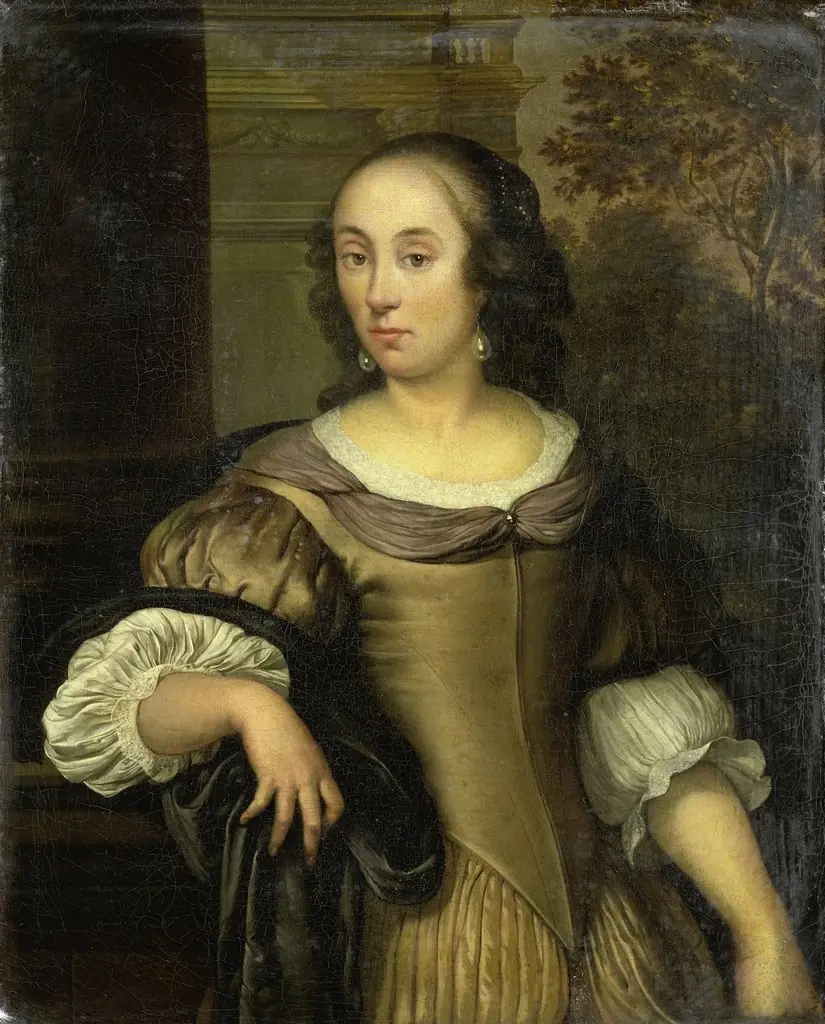 Portrait of a young woman
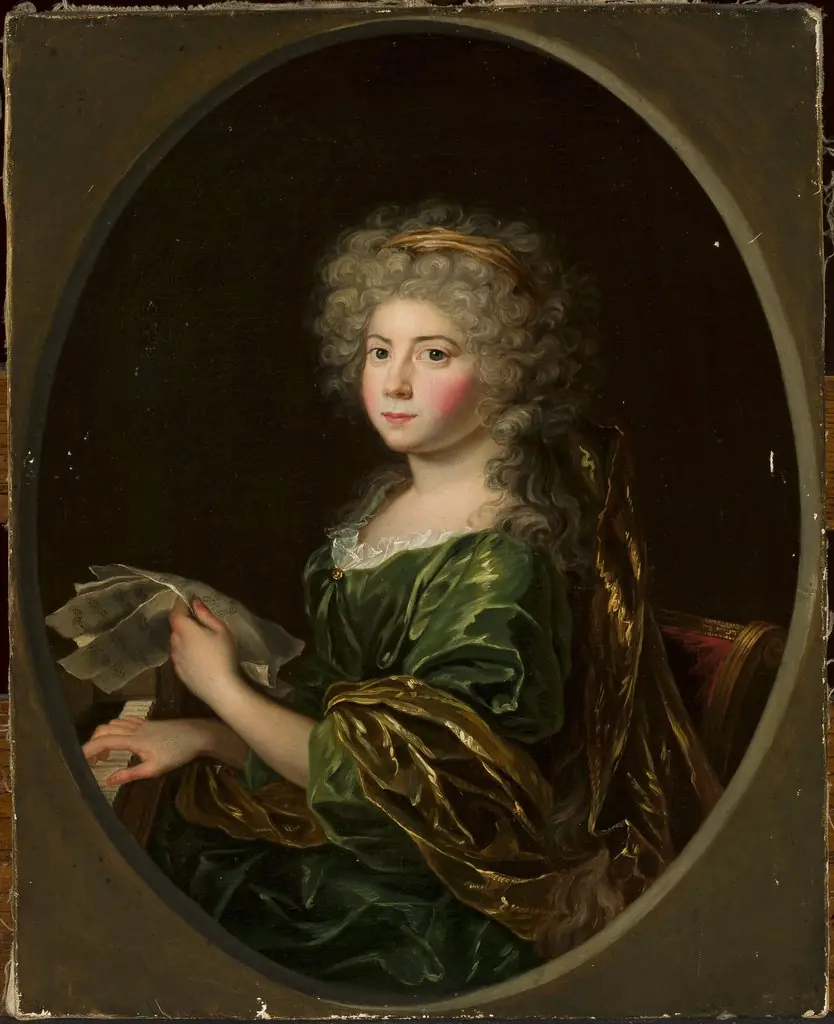 Portrait of Louisa Frederica von Hohenzollern (1770–1836)
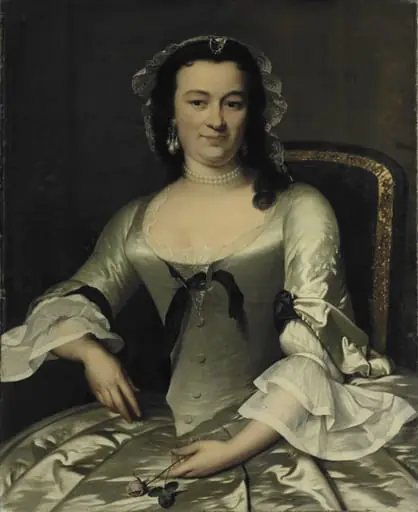 Portrait of Maria Henriëtte van de Pol, Wife of Willem Sautijn
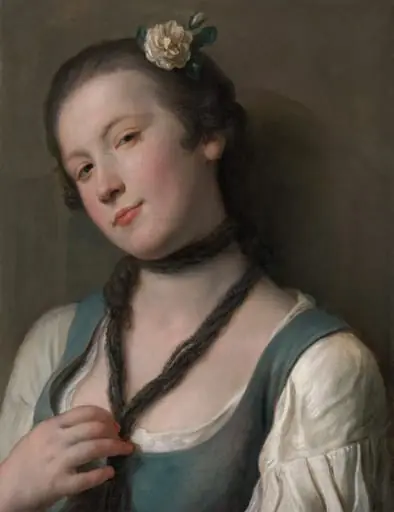 A Girl with a Flower in Her Hair
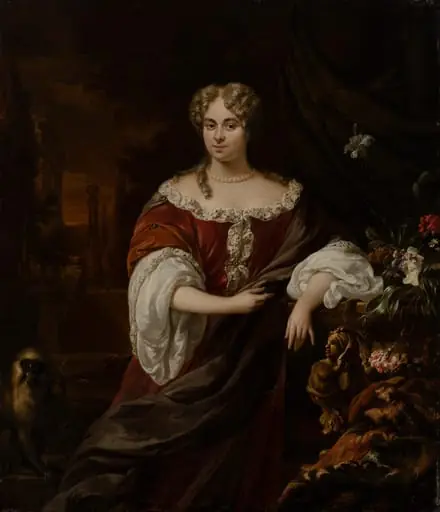 Naisen muotokuva
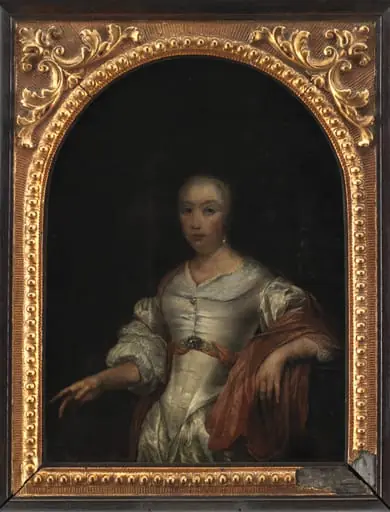 Portrait of a Lady
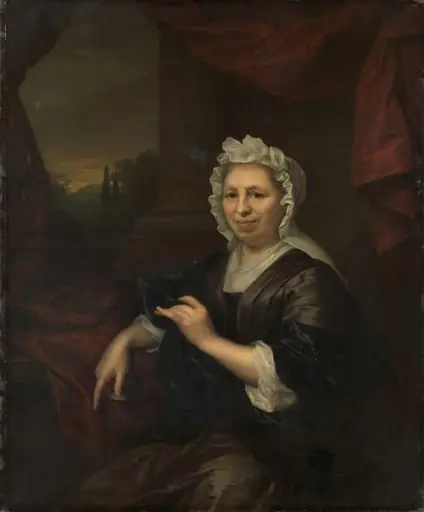 Brechje Hooft (1640-1721). Widow of Harmen van de Poll
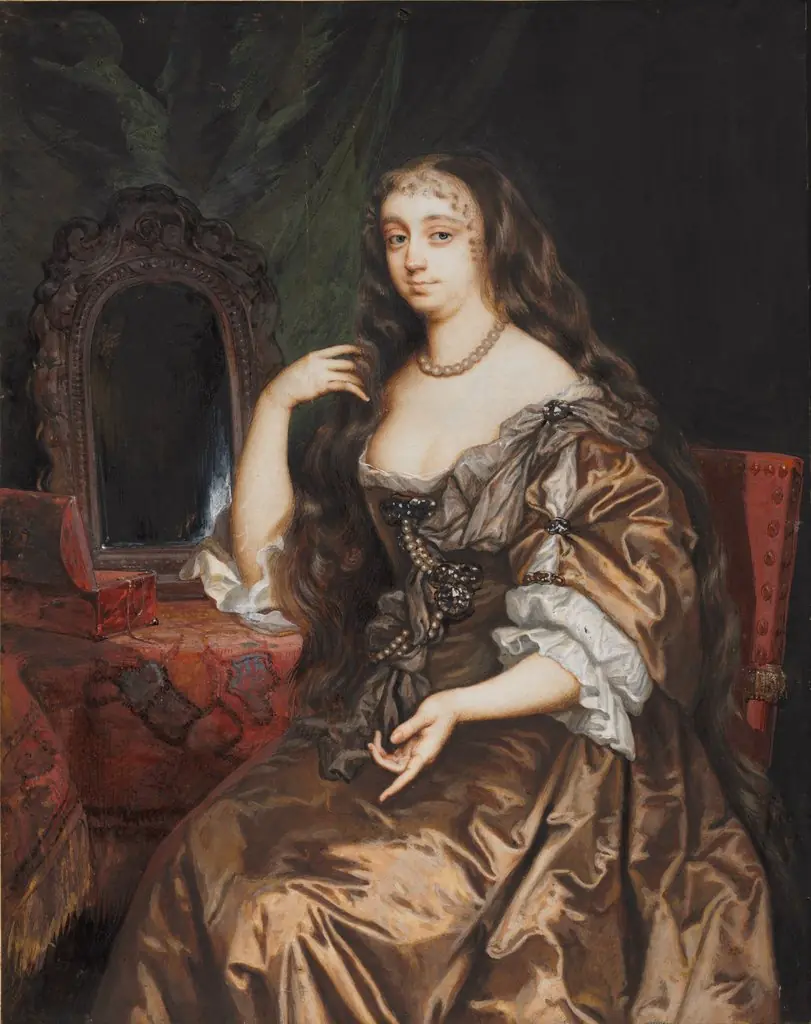 Portrait of Anne Hyde, Duchess of York
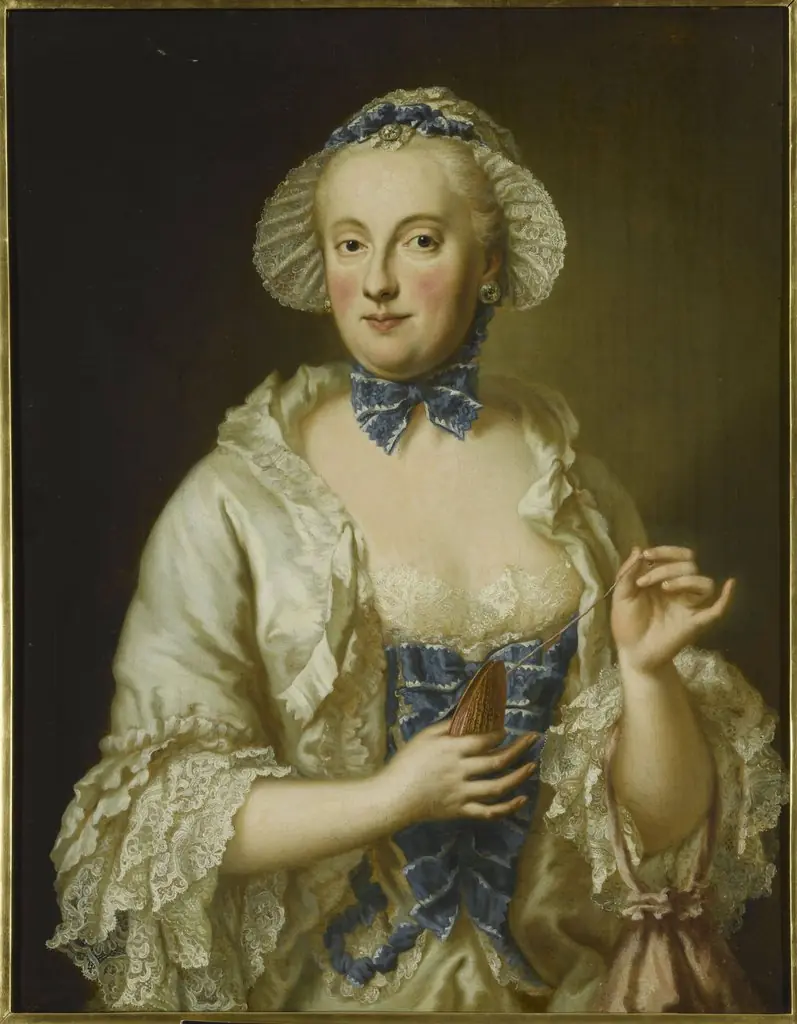 Portrait of Maria Anna Sophia of Saxony, Electress of Bavaria (1728-1797)
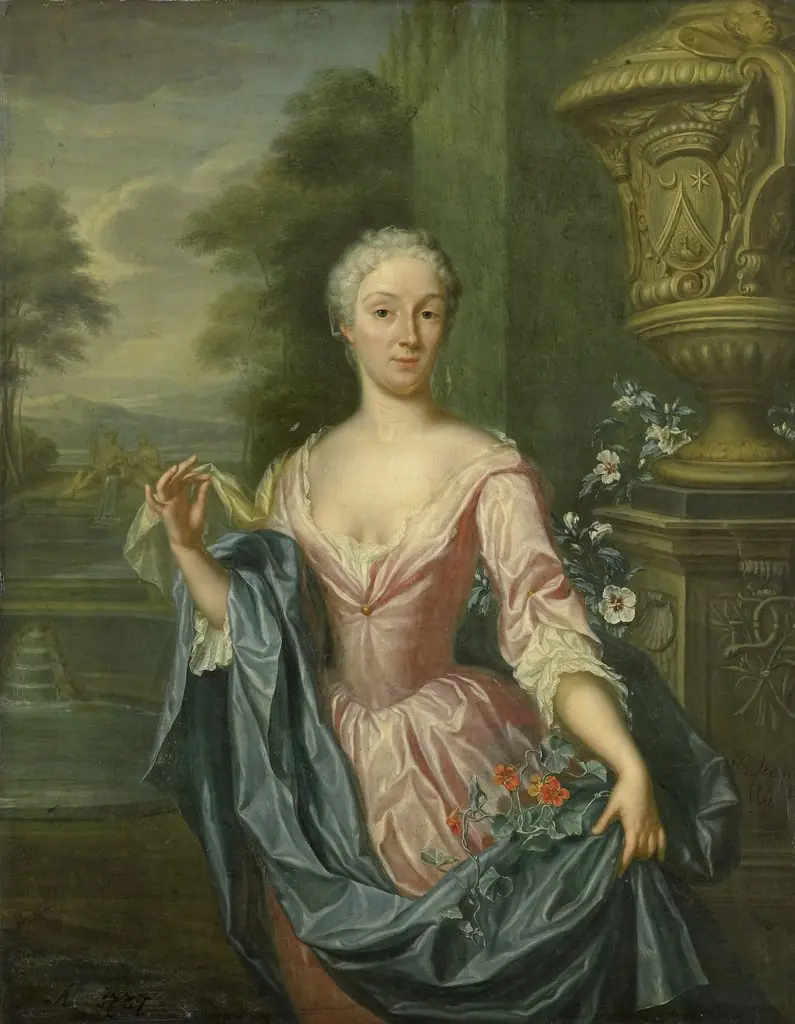 Portrait of Claudine van Royen (born 1712), Wife of Pieter Teding van Berkhout
 Portrait of La Duchessa Mancini Colonna (1646-1699)
 Portrait of a Lady