Artwork
Frederick Yeates Hurlstone (1800–1869)
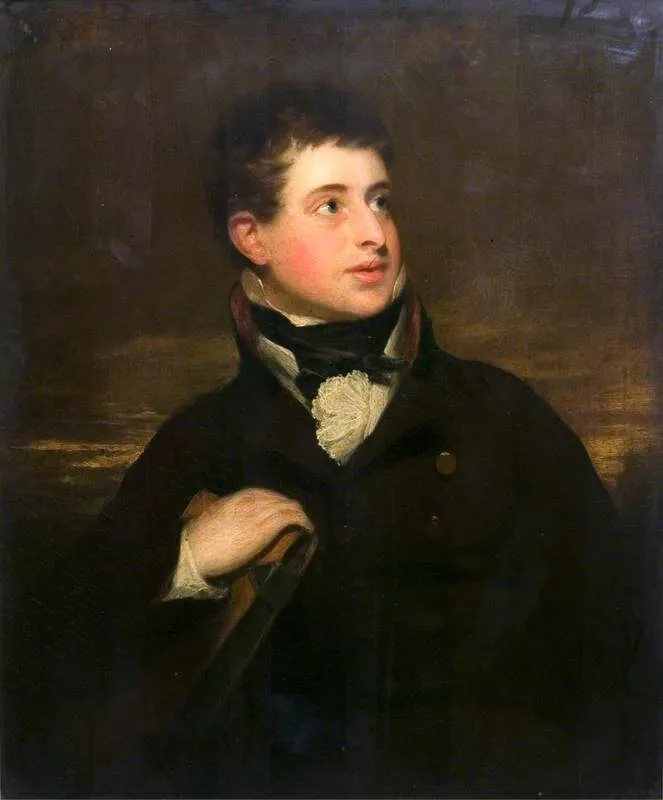
Frederick Yeates Hurlstone (1800–1869) is an oil painting by William Beechey. It dates from 1803 and is held in the collection of the Victoria and Albert Museum.
About this work
Overview
This oil painting, dated around 1803, portrays Frederick Yeates Hurlstone, a figure connected to the British artistic and social circles of the early 19th century. Executed by William Beechey, a prominent portraitist of the Georgian era, the work exemplifies the formal conventions of British portraiture during a period when status and composure were central to visual representation.
Subject & Meaning
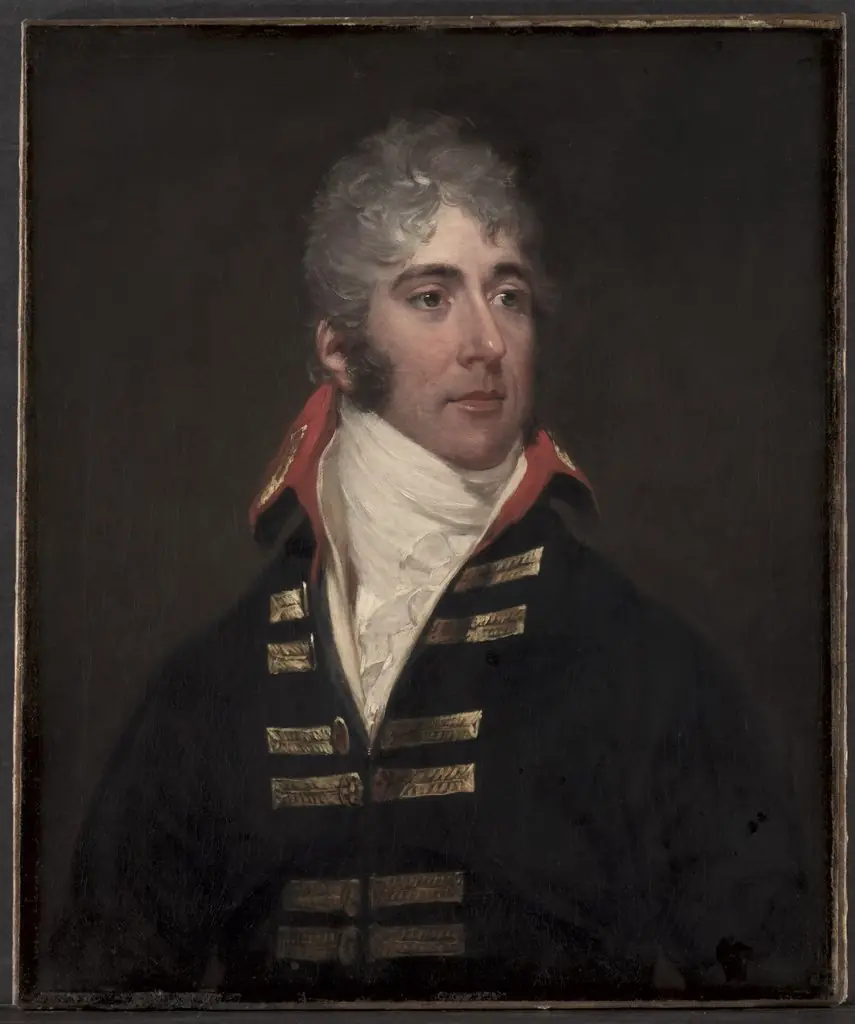
Hurlstone is depicted in quiet dignity, his posture restrained and his gaze averted slightly from the viewer, suggesting introspection or social reserve.
Hurlstone is depicted in quiet dignity, his posture restrained and his gaze averted slightly from the viewer, suggesting introspection or social reserve. The absence of symbolic objects or elaborate settings emphasizes his identity as a gentleman of refined taste rather than public distinction. The somber tone and controlled composition reflect the values of decorum expected in elite portraiture of the time.
Technique & Style
Beechey employs a muted palette dominated by dark tones, with subtle contrasts provided by the white lace collar and black cravat. The brushwork is precise but not overly detailed, favoring a smooth finish that enhances the sitter’s poise. The dark brown background isolates the figure, directing focus to his form and attire, a hallmark of Beechey’s approach to single-figure portraits.
History & Provenance
The painting was created during Beechey’s peak years as a favored portraitist to the British establishment, shortly after his appointment as court painter to Queen Charlotte. While Hurlstone’s personal history remains largely undocumented, the portrait’s survival suggests it was commissioned by family or associates, preserving a record of a man whose significance lies in his social context rather than public achievement.
Context
In the early 1800s, British portraiture served as both personal record and social affirmation. Beechey’s work aligned with the tastes of the landed and professional classes who sought to project stability and refinement. This portrait reflects a moment when artistic style balanced naturalism with tradition, avoiding theatricality in favor of understated authority.
Legacy
Though Hurlstone himself is not widely remembered, the portrait endures as an example of Beechey’s consistent approach to civilian portraiture. It contributes to the broader understanding of how British identity was visually constructed during the transition from Georgian to Regency aesthetics, capturing the quiet dignity of an era’s middle and upper classes.
Artist & collection
Artist
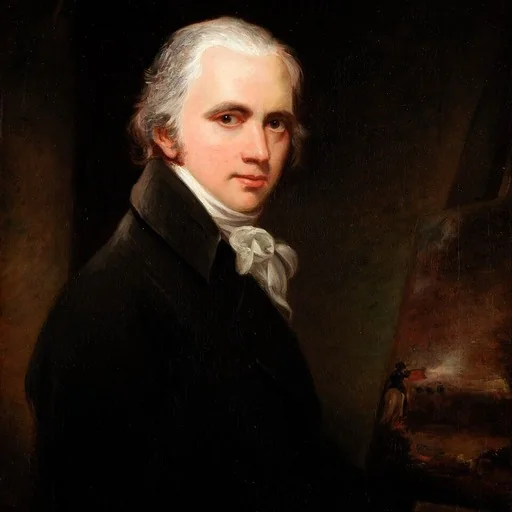
Sir William Beechey (12 December 1753 – 28 January 1839) was a British portraitist during the golden age of British painting.

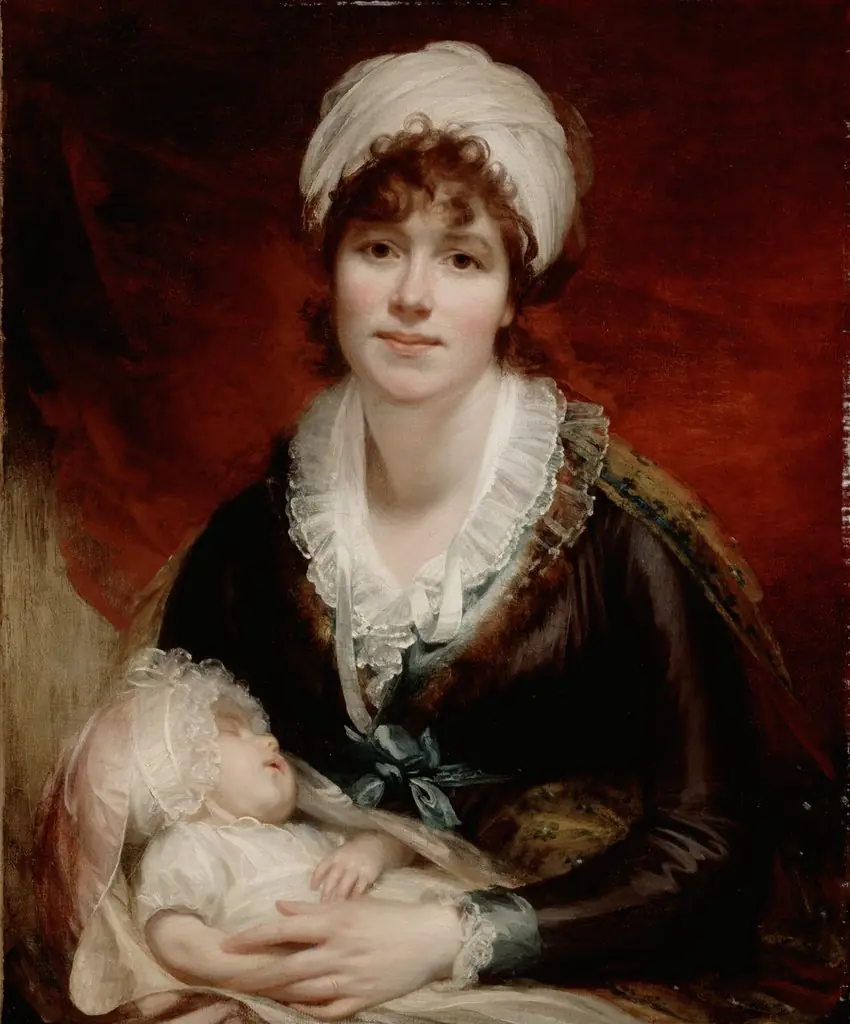
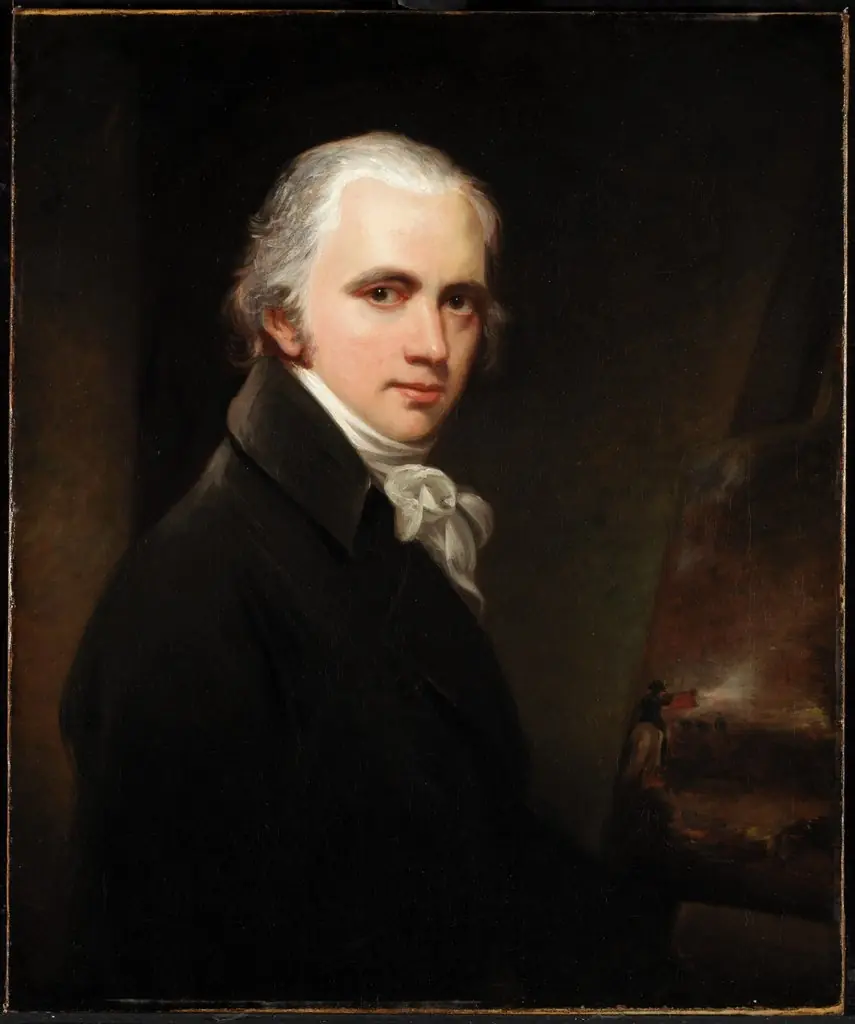
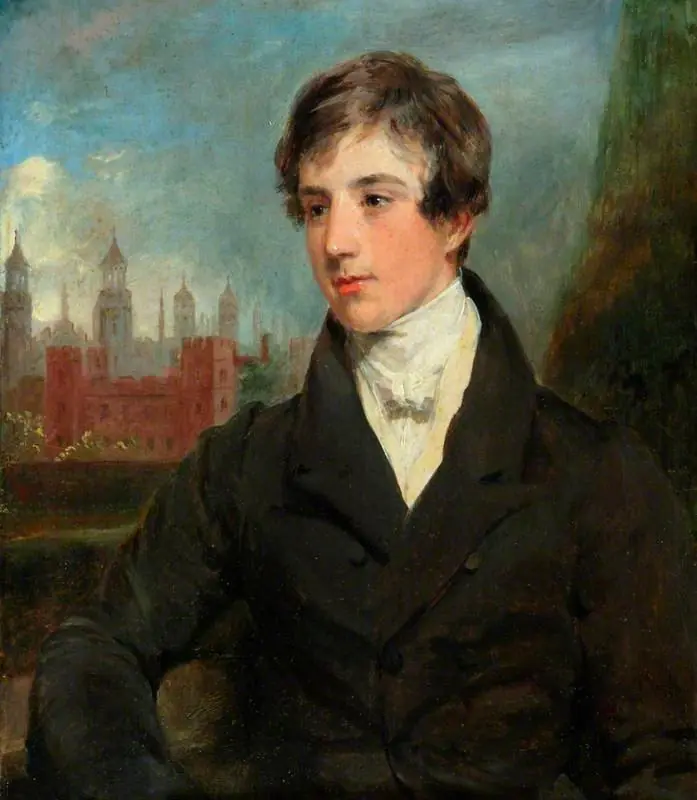 Portrait of a Man (possibly Alexander Boyd)
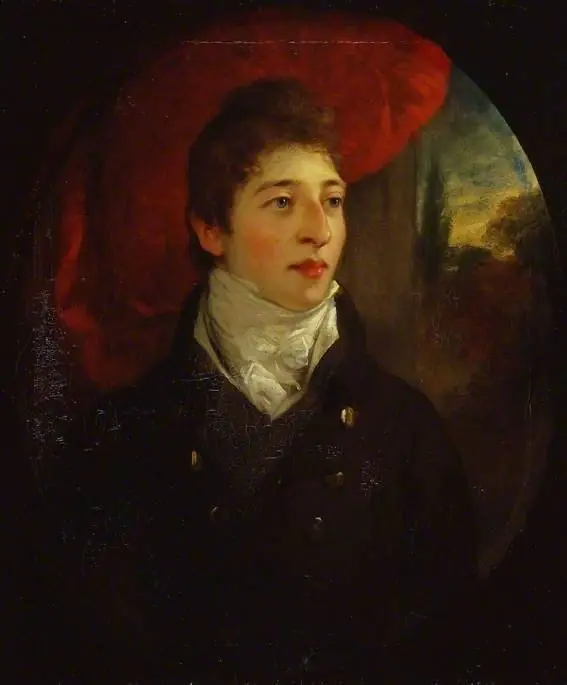 Hugh Percy, 3rd Duke of Northumberland
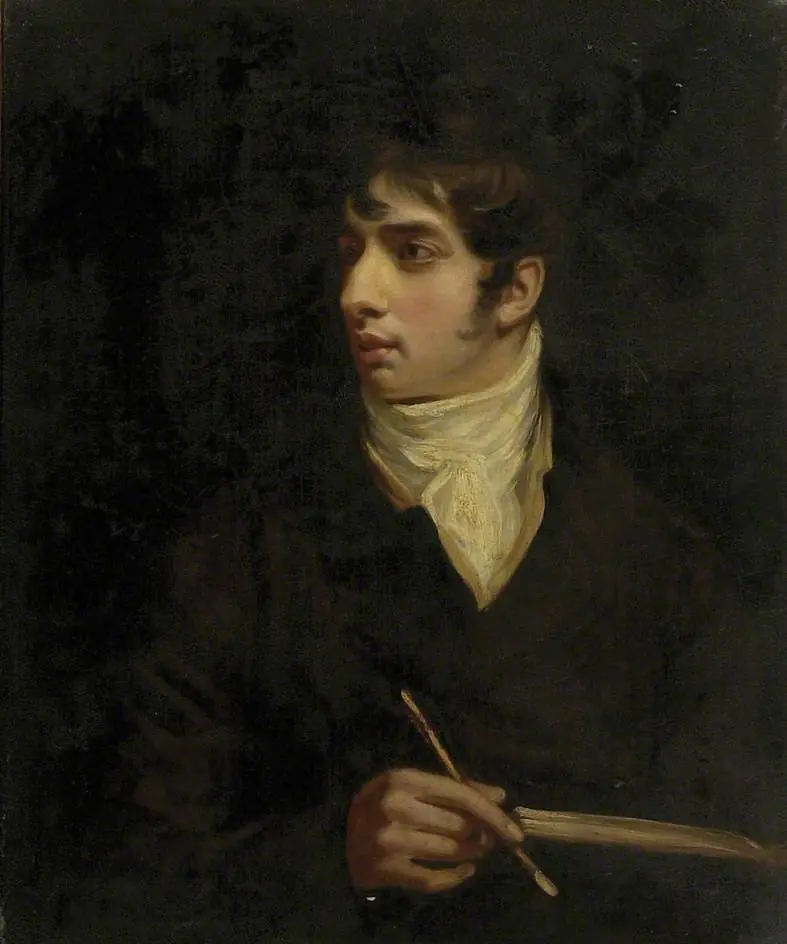 Thomas Girtin
 Presumed Portrait of Thomas Girtin (1775-1802), Artist
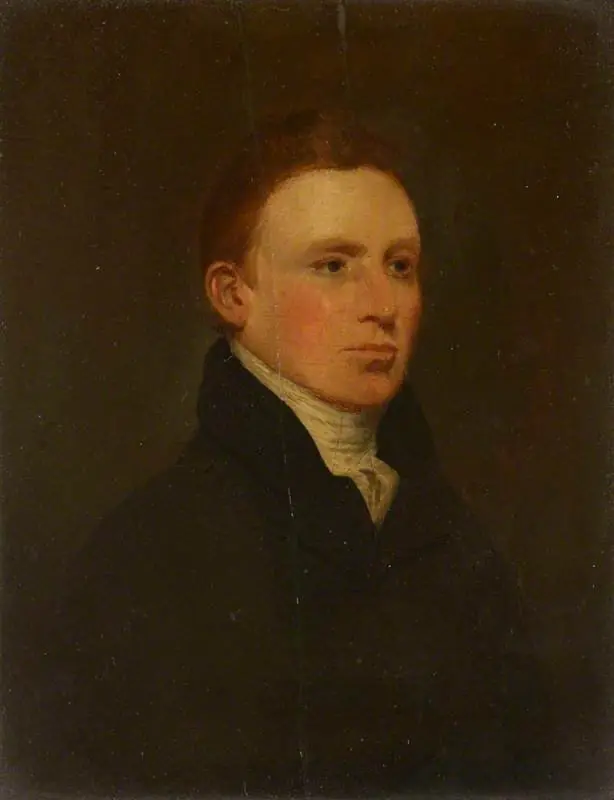 Portrait of a Young Man
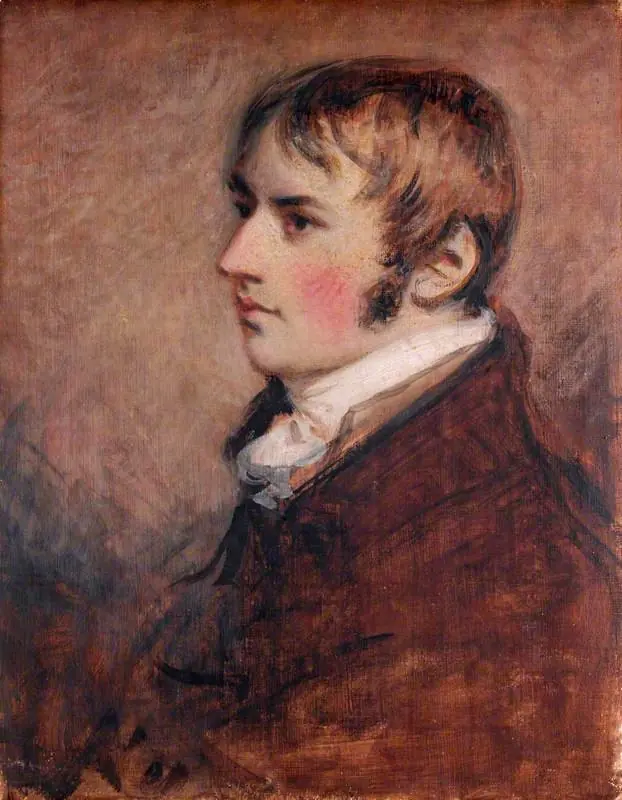 John Constable (1776–1837), RA, at the Age of 20
 Alexander Murray, 8th Baron Elibank
 Portrait of a Man in a Black Frock Coat
 Portrait of Michael Banim (1796-1874), Author
 Self Portrait
 The Reverend Chauncey Hare Townshend (1798–1868)
 Portrait of Frederick H. Hemming