Artwork
Portrait of a Man (possibly Alexander Boyd)
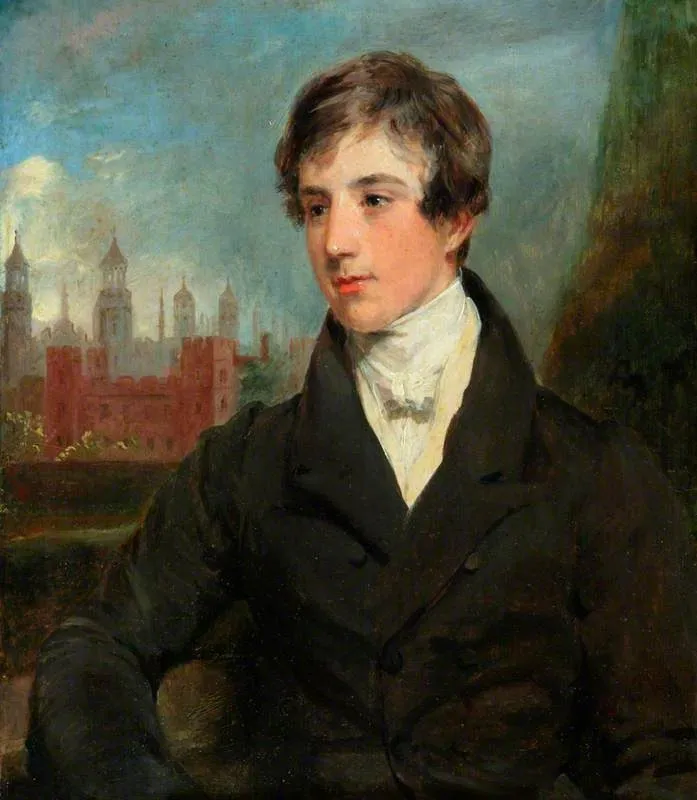
Portrait of a Man (possibly Alexander Boyd) is an oil painting by the Realist artist Margaret Sarah Carpenter. It dates from 1845 and is held in the collection of the Victoria and Albert Museum.
About this work
Overview
Painted in 1845, this oil portrait by Margaret Sarah Carpenter presents a formally dressed man against a distant urban backdrop. Carpenter, an English artist known for her refined portraiture, worked within the realist tradition of her time. The painting reflects her technical precision and sensitivity to texture, particularly in fabric and skin tone, characteristic of her mature style.
Subject & Meaning
The portrait emphasizes dignity and restraint, typical of middle- to upper-class male representation in mid-19th-century Britain.
The sitter is believed to be Alexander Boyd, though his identity remains unconfirmed. Dressed in a black coat, white shirt, and bow tie, he exudes quiet composure. The inclusion of a cityscape behind him—red buildings under a blue sky—suggests urban sophistication without overt symbolism. The portrait emphasizes dignity and restraint, typical of middle- to upper-class male representation in mid-19th-century Britain.
Technique & Style
Carpenter employed oil paint with careful layering to render subtle shifts in light and fabric. The man’s attire is rendered with crisp detail, while the background cityscape is softened, creating spatial depth. Her brushwork shows influence from Sir Thomas Lawrence, particularly in the delicate handling of facial features and the smooth transition between tones, avoiding theatricality in favor of quiet realism.
History & Provenance
The painting was completed during Carpenter’s most active period as a portraitist, following her training under her father and later association with prominent artists like Richard Parkes Bonington. It remained in private collections for much of its history, with no public exhibition record until the 20th century. Its attribution to Alexander Boyd is based on circumstantial evidence and family records, not definitive documentation.
Context
In 1840s Britain, portraiture served both personal and social functions, often affirming status through attire and setting. Carpenter, one of the few successful female portraitists of her era, navigated a male-dominated field by adhering to established conventions while refining them with personal precision. The urban backdrop reflects growing urbanization and the rising prominence of professional men in Victorian society.
Legacy
Carpenter’s work, though less widely known today than her male contemporaries, contributed to the development of British portraiture through its technical discipline and emotional restraint. This portrait exemplifies her ability to convey individuality without sentimentality. Her legacy endures in the quiet authority of her subjects and the sustained interest of scholars examining 19th-century women artists.
Artist & collection
Artist
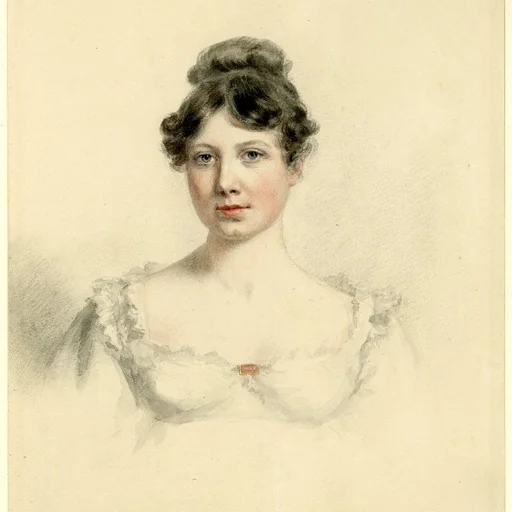
Margaret Sarah Carpenter (née Geddes; 1793 – 13 November 1872) was an English painter. Noted in her time, she mostly painted portraits in the manner of Sir Thomas Lawrence. She was a close friend of Richard Parkes Bonington.

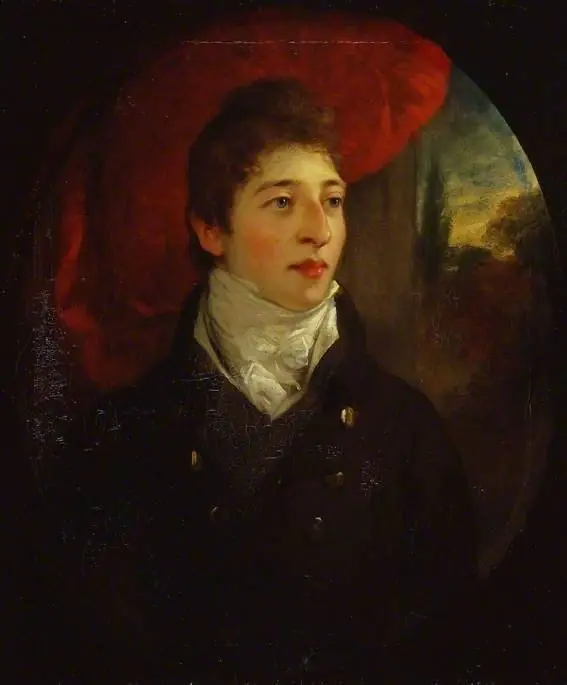 Hugh Percy, 3rd Duke of Northumberland
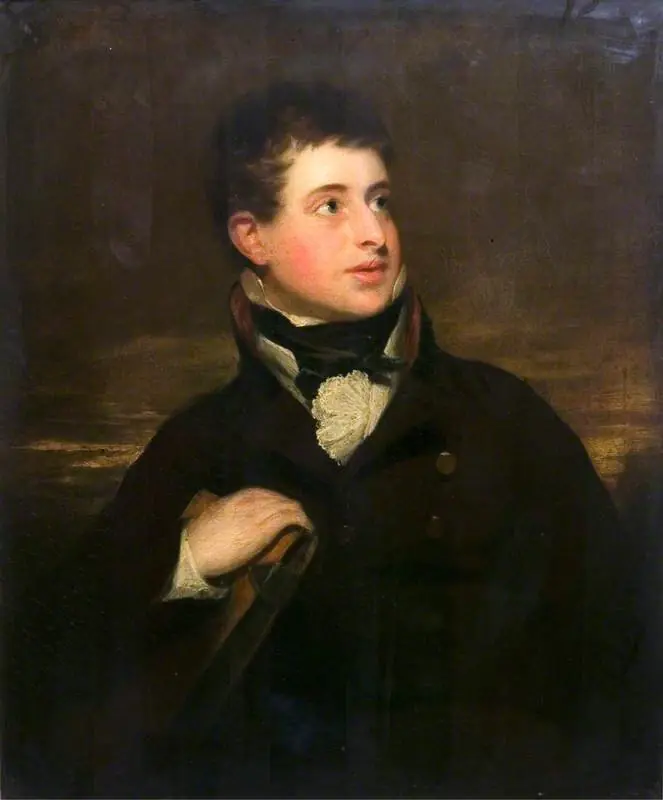 Frederick Yeates Hurlstone (1800–1869)
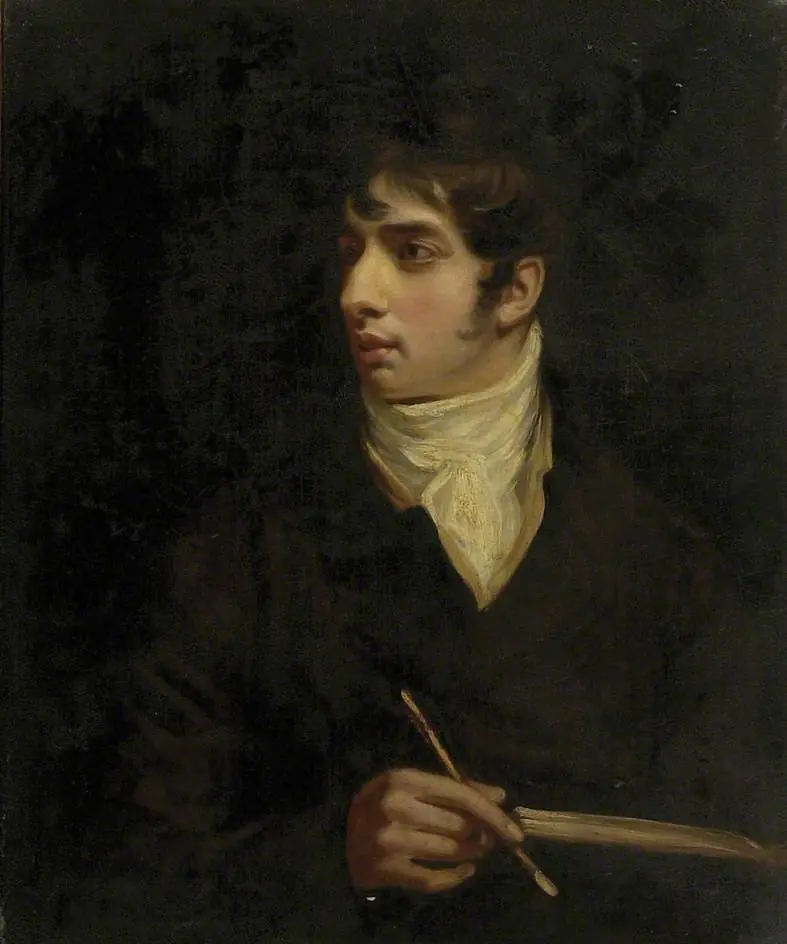 Thomas Girtin
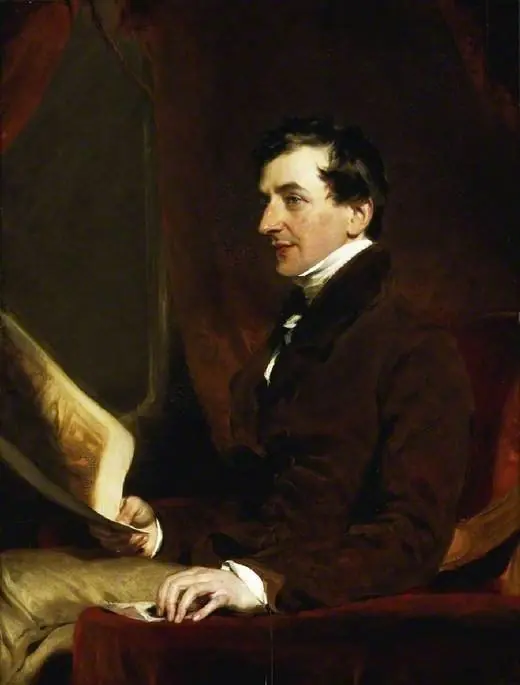 Samuel Woodburn
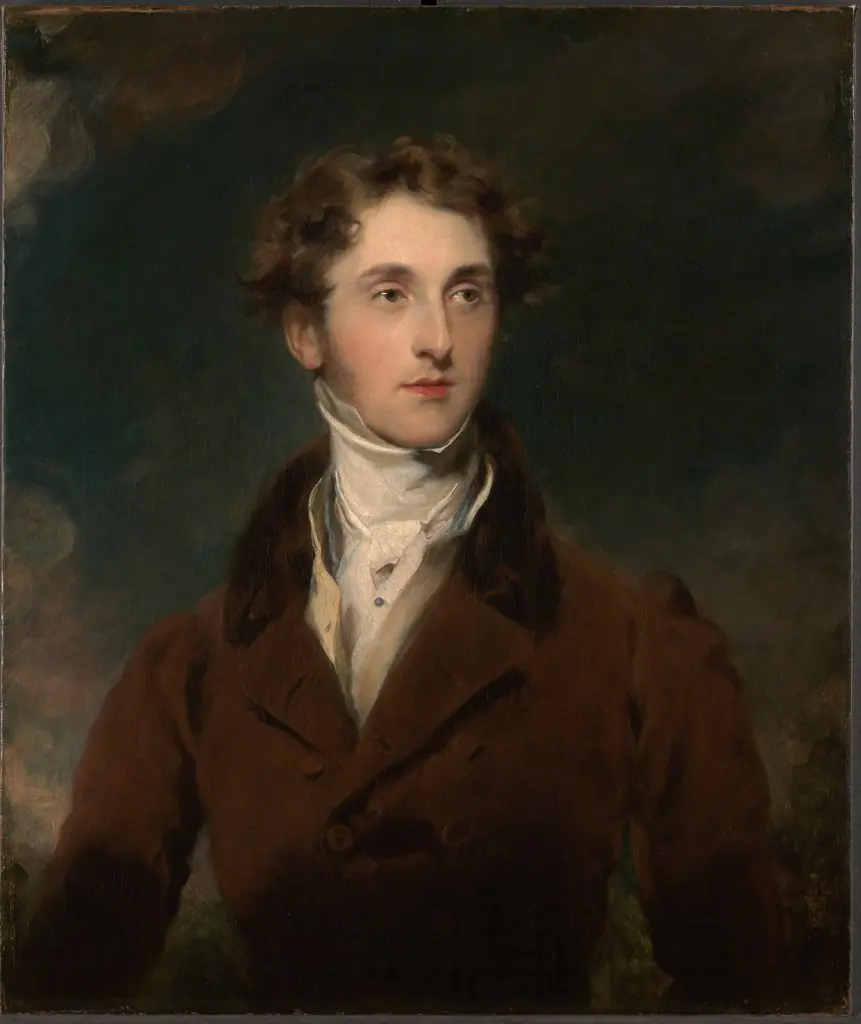 Portrait of Frederick H. Hemming
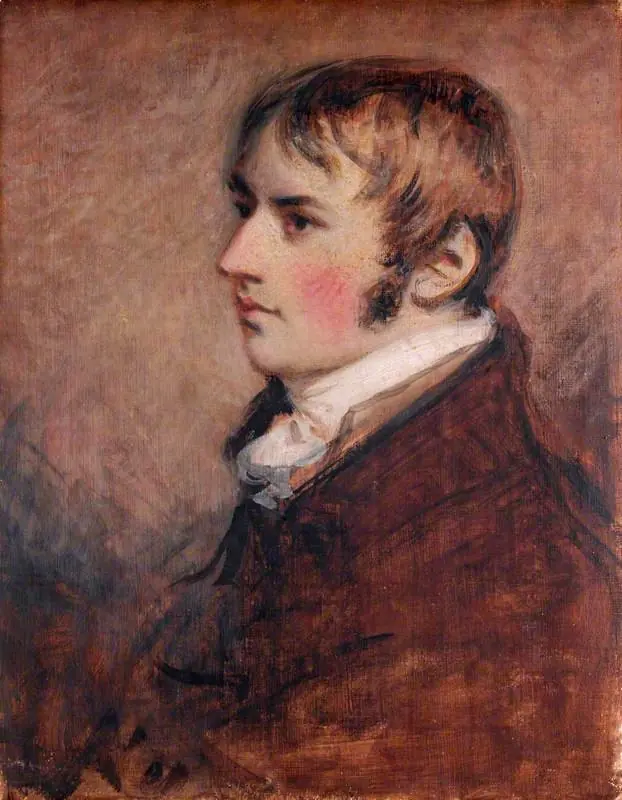 John Constable (1776–1837), RA, at the Age of 20
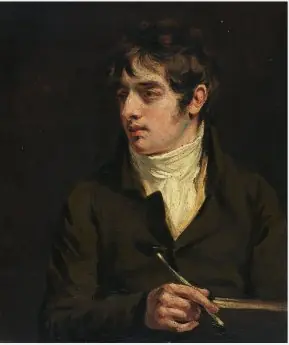 Presumed Portrait of Thomas Girtin (1775-1802), Artist
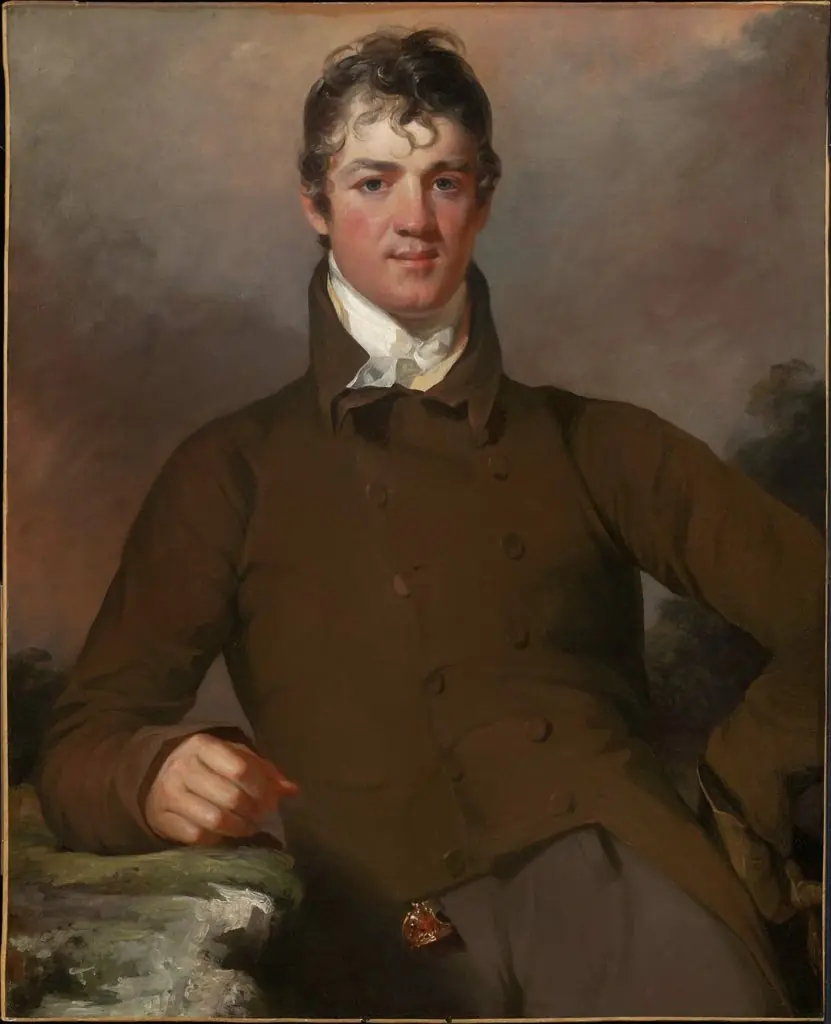 John Myers
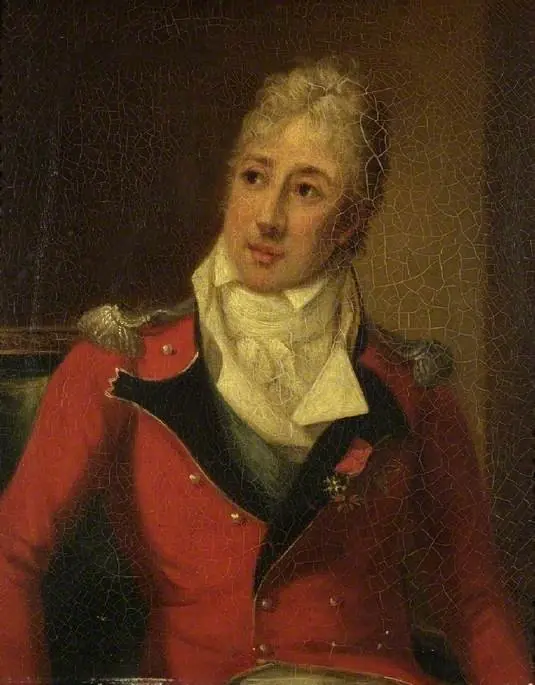 Charles X of France
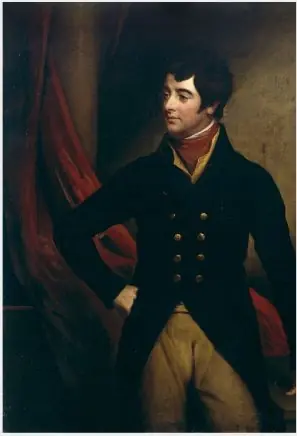 Portrait of Lord Edward FitzGerald (1763-1798)
 The Reverend Chauncey Hare Townshend (1798–1868)
 Alexander Murray, 8th Baron Elibank