Artwork
Thomas Girtin
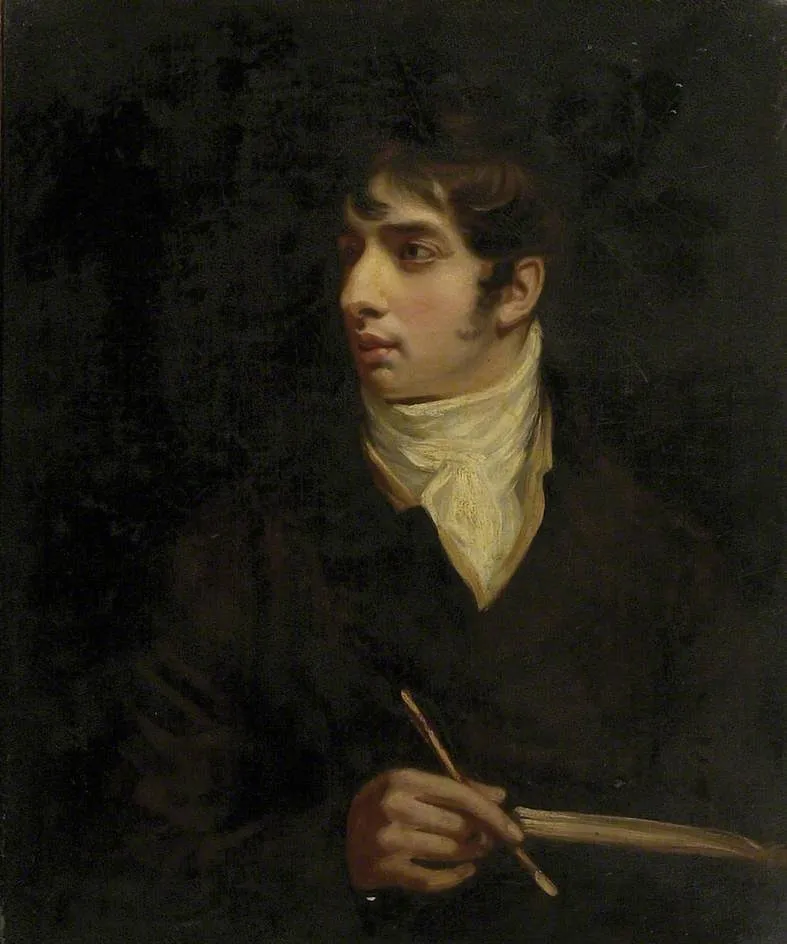
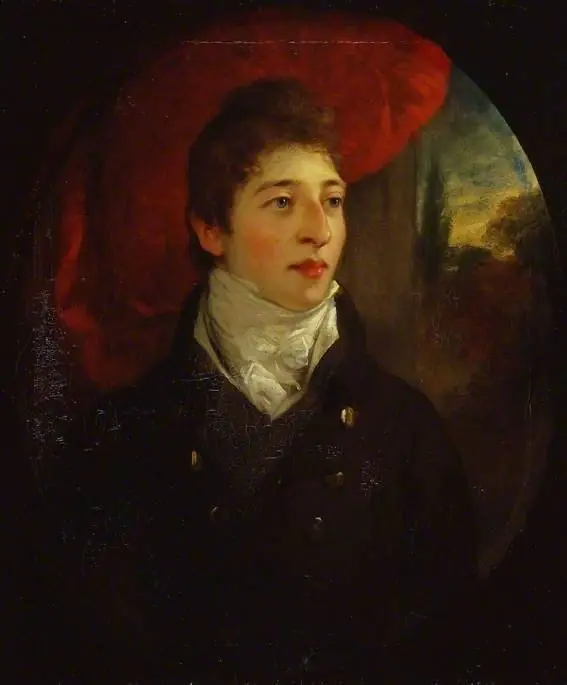
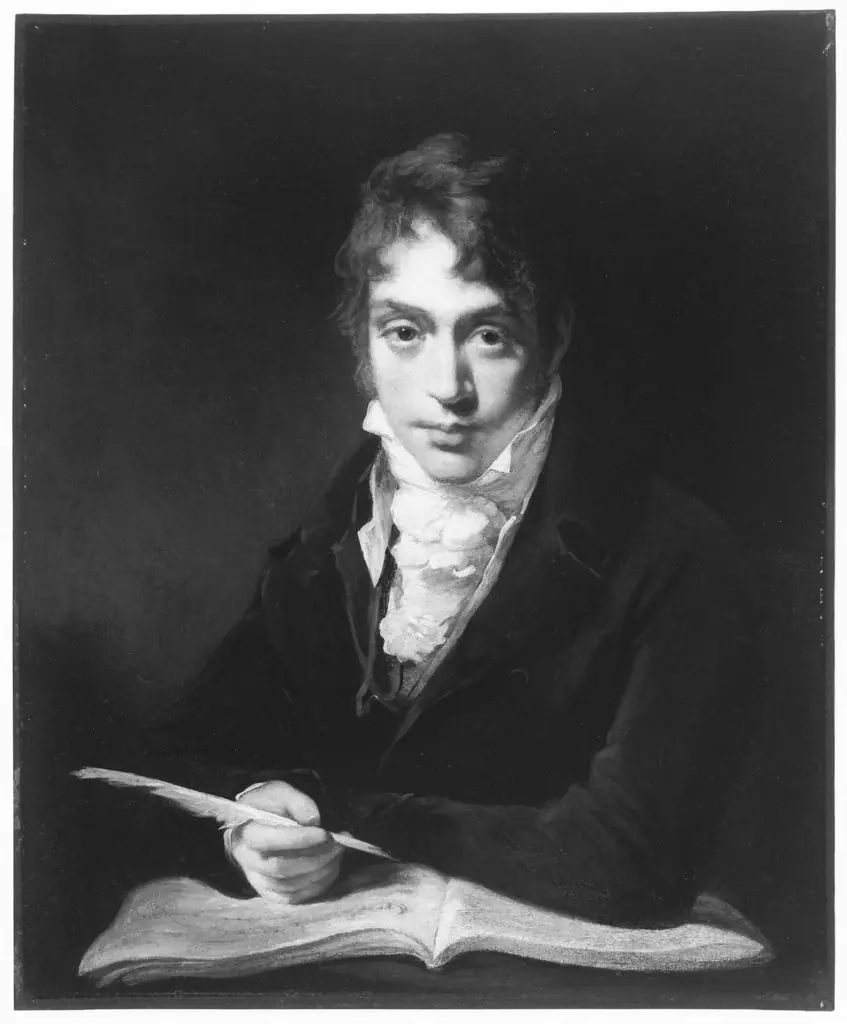
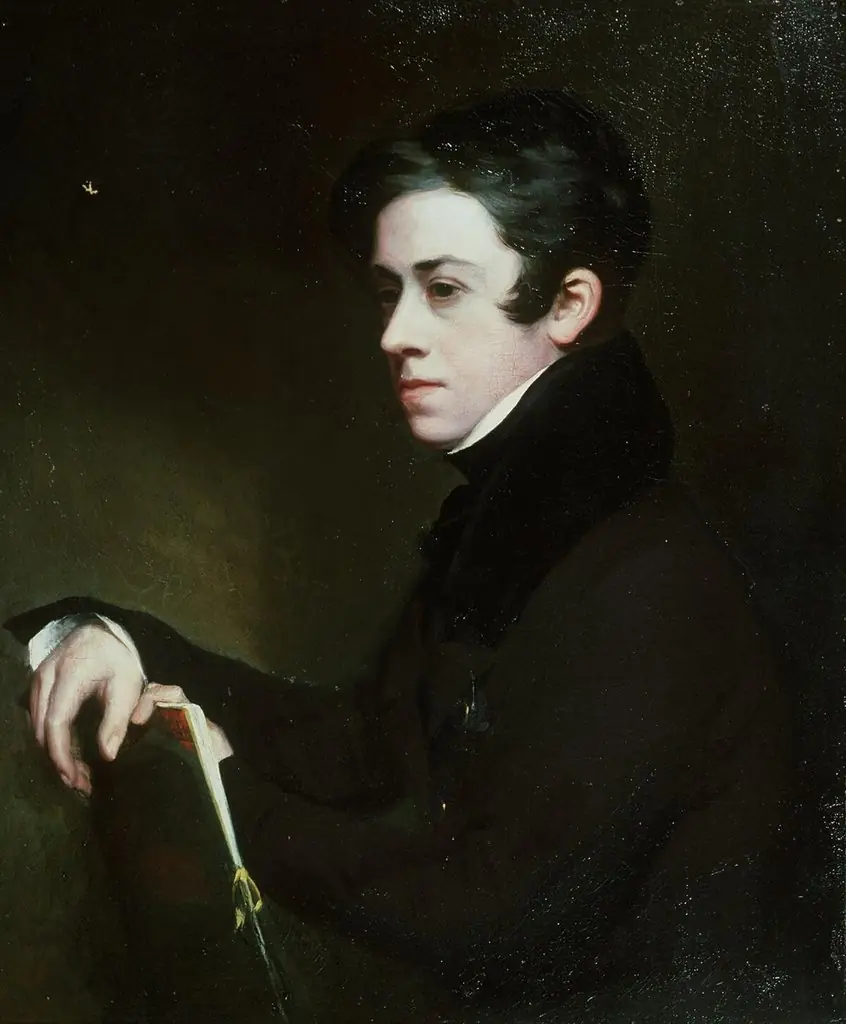
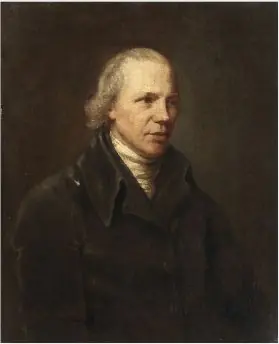
Thomas Girtin is an oil painting by John Opie. It dates from 1800 and is held in the collection of the Ashmolean Museum.
About this work
Overview
John Opie’s oil portrait from 1800 presents the English watercolorist Thomas Girtin, a pivotal figure in early landscape painting. Rendered in a restrained palette, the work captures Girtin in a contemplative pose, emphasizing his role as a dedicated artist. The painting resides in the Ashmolean Museum’s collection.
Subject & Meaning
The sitter is shown with dark, curly hair, wearing a black coat and white cravat, holding a brush while a palette rests before him. These attributes identify Girtin as an artist and convey a solemn commitment to his craft, reflecting the respect Opie afforded his contemporary’s professional identity.
Technique & Style
Executed in oil on canvas, Opie employs a tight, realist approach typical of late‑18th‑century British portraiture. The handling of light on the fabric and the subtle modeling of the face create a sense of three‑dimensionality, while the restrained background keeps focus on the figure and his tools.
History & Provenance
Painted at the turn of the 19th century, the portrait entered the Ashmolean Museum’s holdings through acquisition in the 20th century, where it has been displayed as part of the institution’s representation of British art and portraiture.
Context
Opie, known for portraying notable cultural figures, often highlighted their professional attributes. By depicting Girtin with his brush and palette, the portrait aligns with a broader trend of emphasizing artistic identity during a period when landscape painting was gaining prominence in England.
Artist & collection
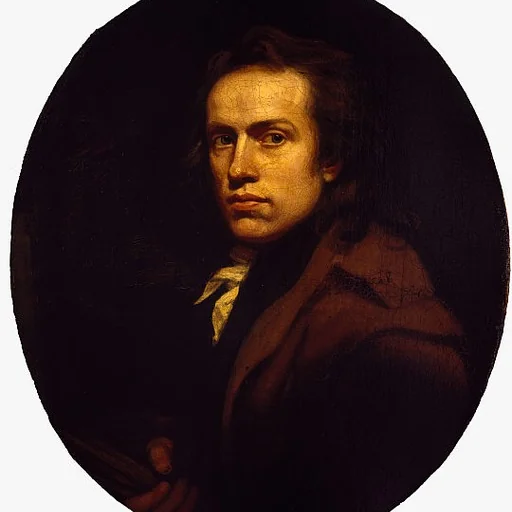
Artist
John Opie (16 May 1761 – 9 April 1807) was a British painter whose subjects included many prominent men and women of his day, members of the British royal family and others who were notable in the artistic and literary careers.

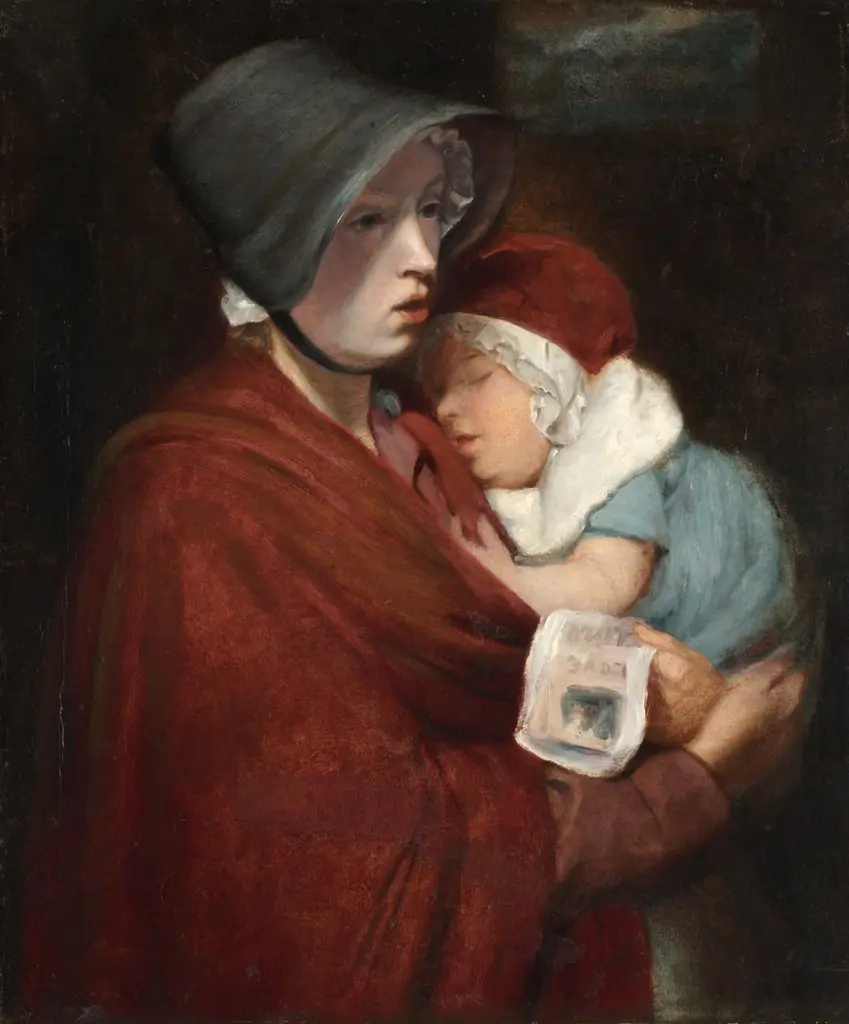 Street Singer and Child
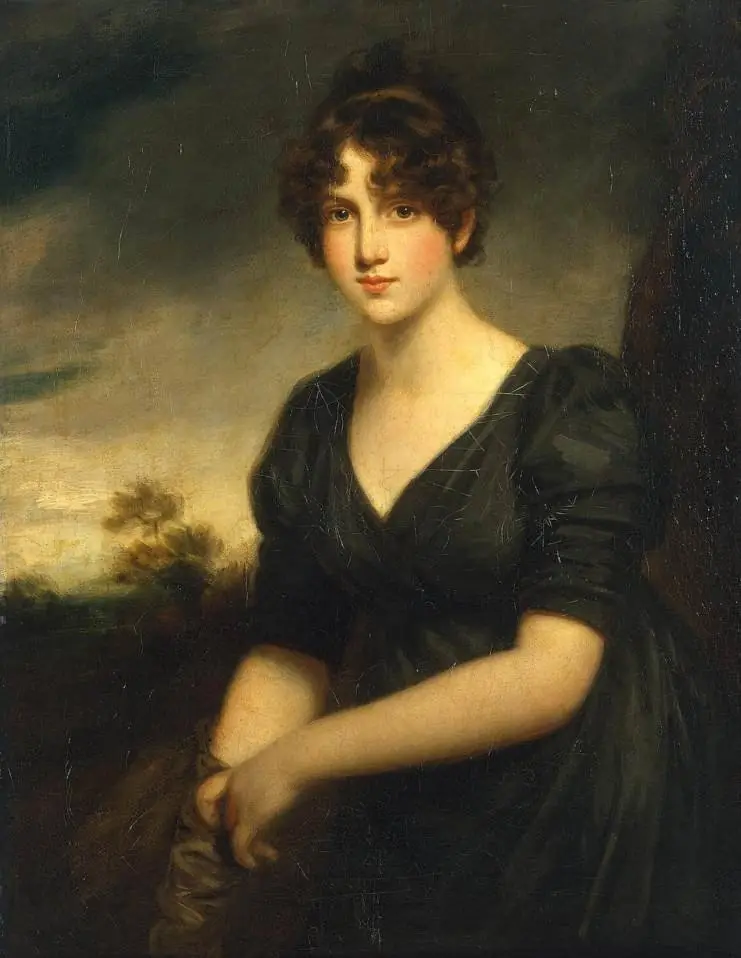 Portrait of a Woman (Miss Frances Winnicobe ?)
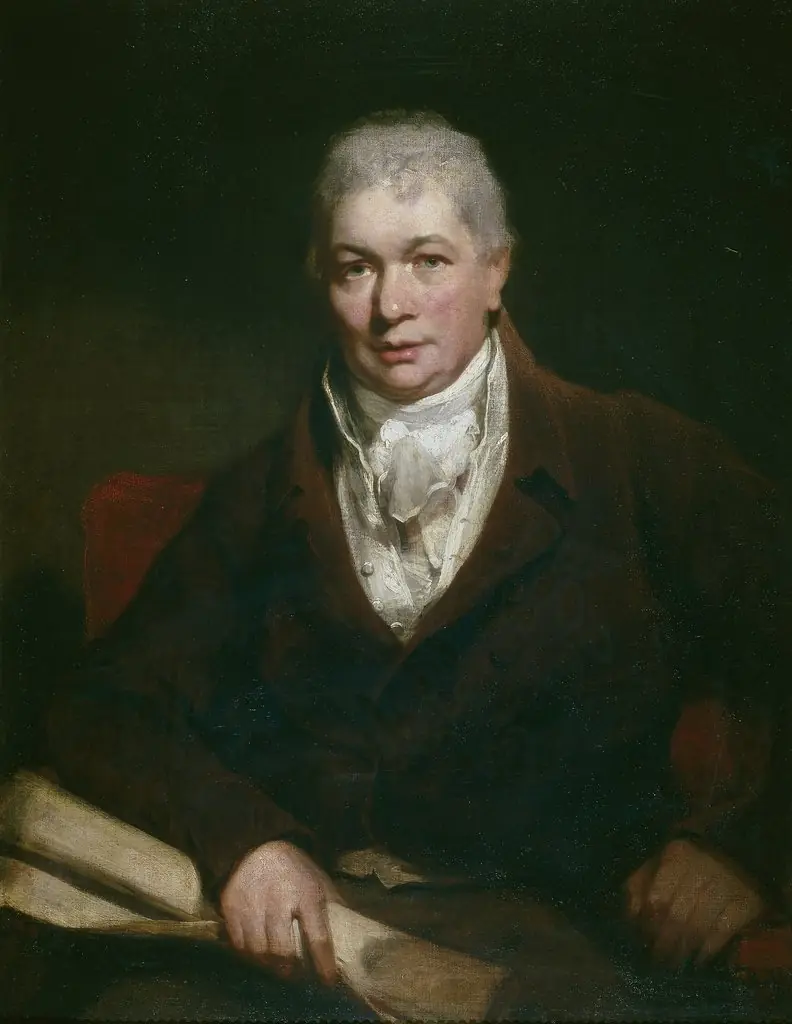 Portrait of a Man
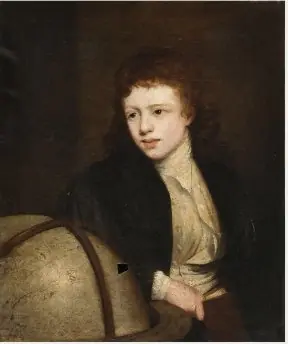 Portrait of ?Josias Rowley (1765-1842), later Vice-Admiral and Baronet
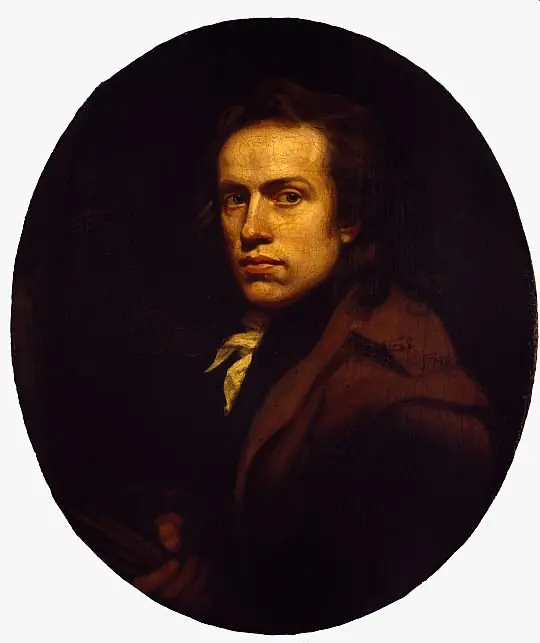 Self-portrait
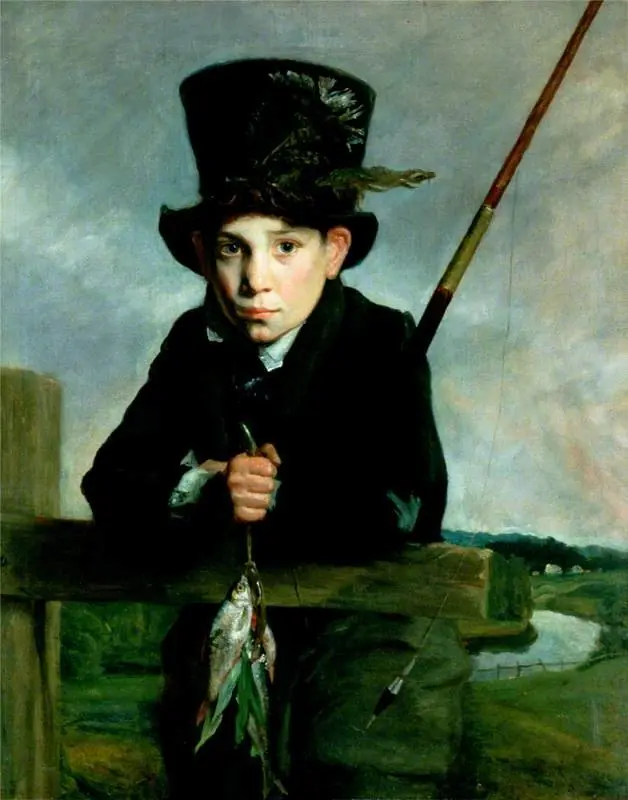 Portrait of a Boy in a Top Hat with Flies
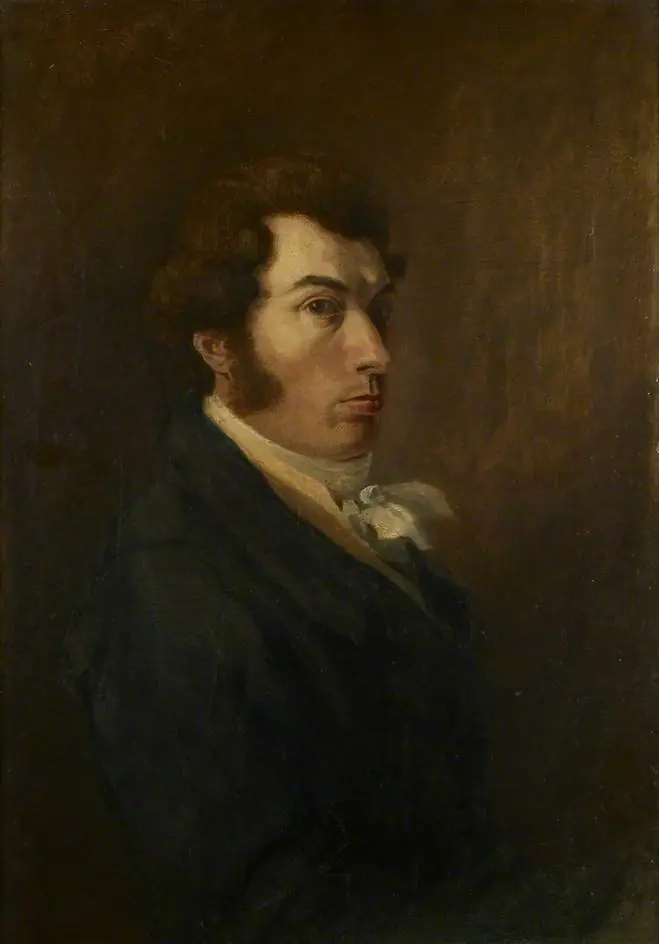
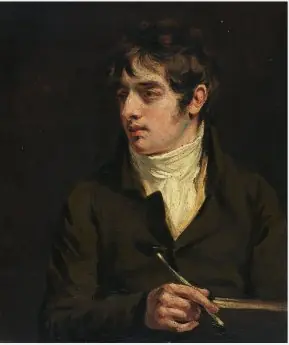 Presumed Portrait of Thomas Girtin (1775-1802), Artist
 Supposed Portrait of James Barry (1741-1806), Artist