Artwork
The death of the strong, wicked man
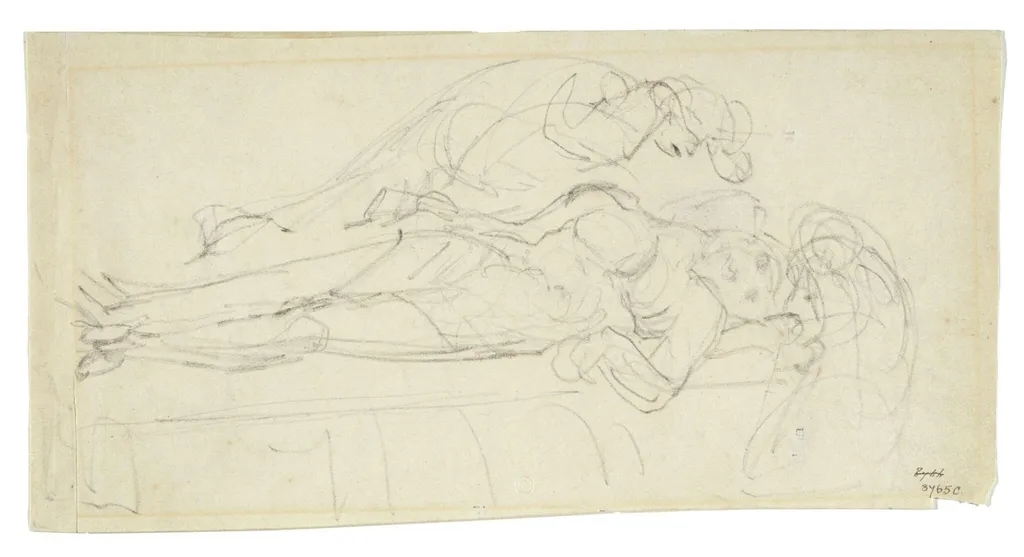
The death of the strong, wicked man is a drawing by the Romanticist artist William Blake. It dates from 1805 and is held in the collection of the Victoria and Albert Museum. The work is a preparatory drawing consisting of two sides.
About this work
Overview
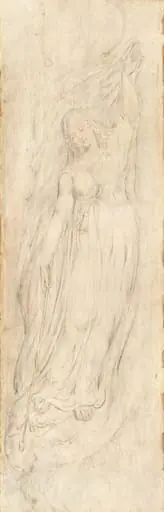
The work is a preparatory drawing consisting of two sides. The recto presents a disordered grouping of nude figures, one lying supine while another leans over the fallen form. The verso contains a separate sketch of the biblical Ascension. Executed in pencil or charcoal on light paper, the drawing is characterized by rapid, gestural lines that convey immediacy rather than finished detail.
Subject & Meaning
The lack of defined facial features and the loose handling of the forms emphasize the emotional intensity of the moment rather than a narrative clarity.
The front composition suggests a violent encounter or punitive scene, with the tangled bodies evoking struggle and disorder. The lack of defined facial features and the loose handling of the forms emphasize the emotional intensity of the moment rather than a narrative clarity. The reverse sketch, depicting the Ascension, introduces a contrasting spiritual theme, linking earthly conflict with a celestial resolution.
Technique & Style
The artist employed quick, overlapping strokes of graphite or charcoal, allowing darker zones where lines intersect. This approach creates a sense of movement and urgency, aligning the work with the expressive, sketch-like practices that preceded Romantic illustration. The drawing functions as a study, prioritizing compositional experimentation over polished finish.
History & Provenance
The piece served as a preparatory study for an engraving executed by L. Schiavonetti and published in 1808 as part of an illustration for Thomas Blair’s *The Grave*. The reverse side’s Ascension study relates to a painting once owned by the Graham Robertson Collection; that painting now resides in the Fitzwilliam Museum, Cambridge.
Context
Created in the early nineteenth century, the drawing reflects the period’s interest in dramatic, emotionally charged subjects for literary and religious publications. Its dual nature—secular violence on one side, sacred ascent on the other—mirrors contemporary artistic attempts to juxtapose human suffering with spiritual redemption.
Artist & collection
Artist
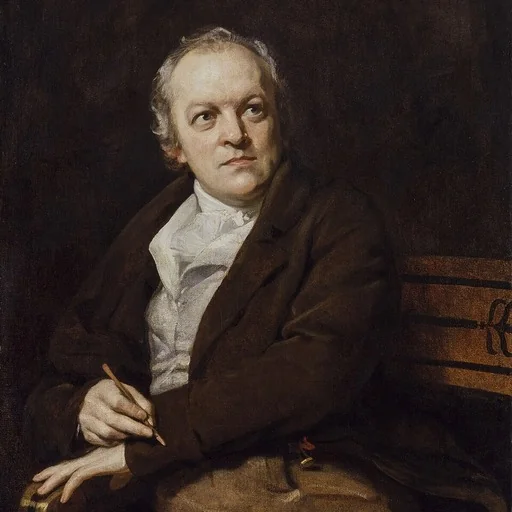
William Blake (28 November 1757 – 12 August 1827) was an English poet, painter and printmaker.

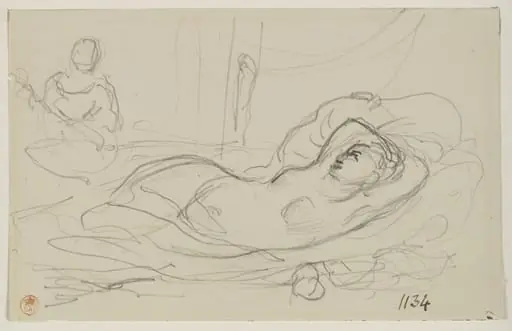 Study after Ingres' 'Odalisque à l'ésclave'
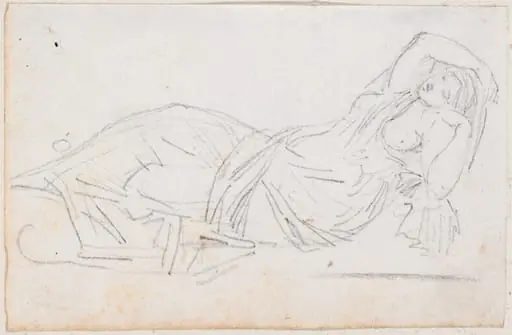 Statue of Cleopatra
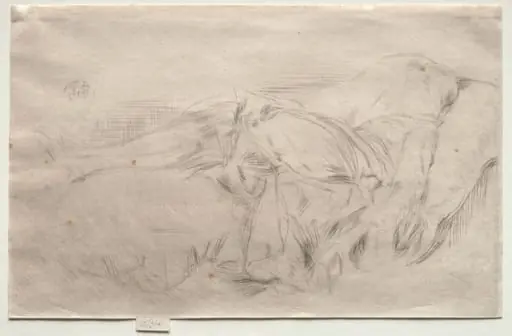 A Child on a Couch, No. 2
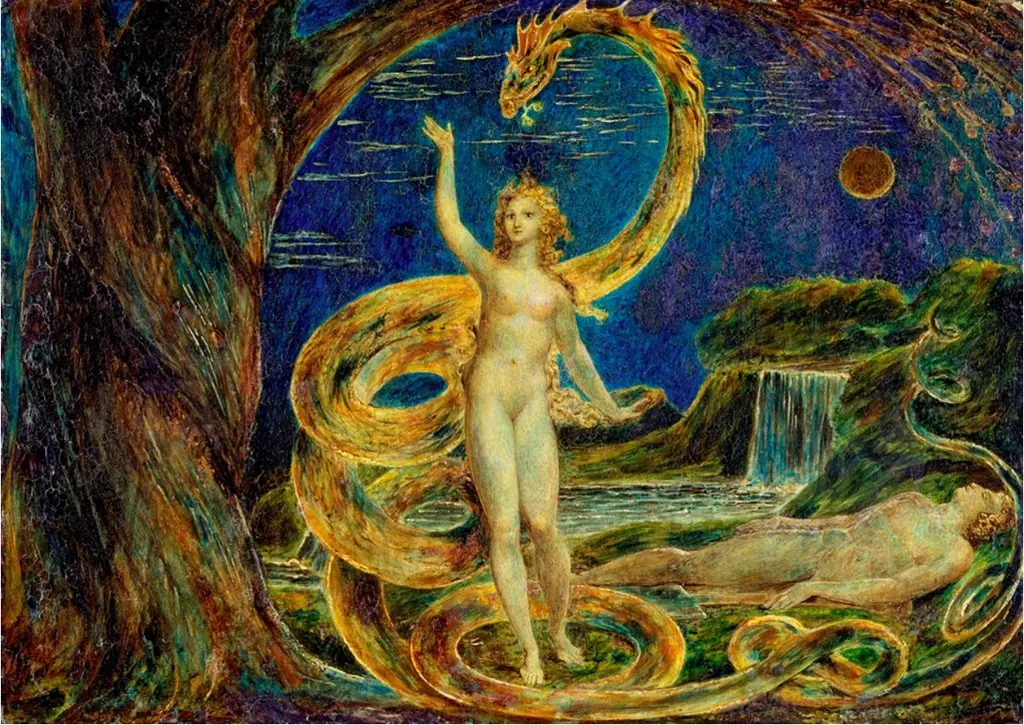
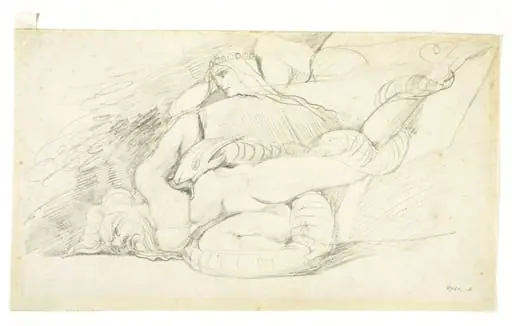 A woman gazing at the prostate body of a man, around which a serpent is coiled
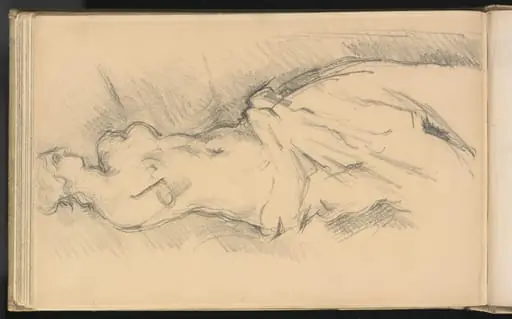 Study of "Venus de Milo"
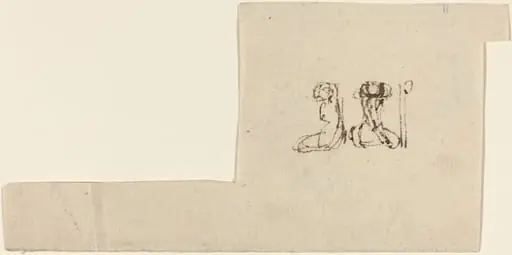 Two Seated Female Figures with Arms Lifted Overhead
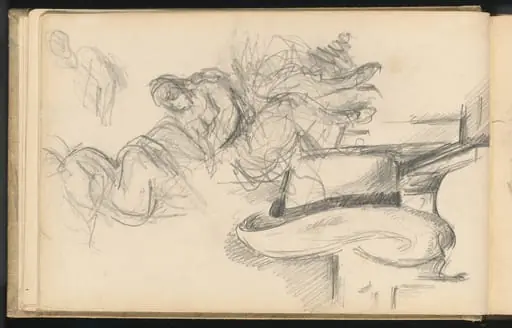 Studies Including a Straw Hat
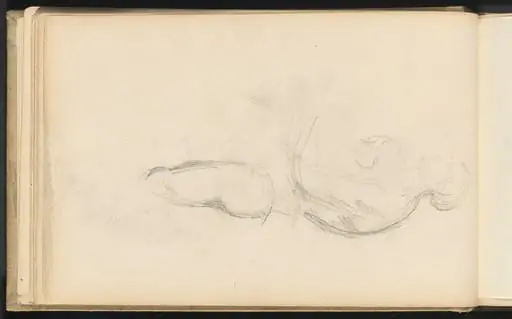 Study of the Allegorical Figure of Health in Rubens' "The Birth of Louis XIII"
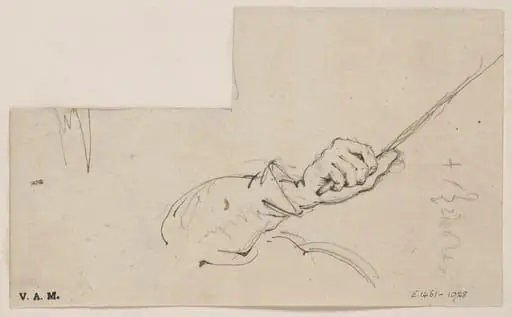 An arm and hand holding a stick
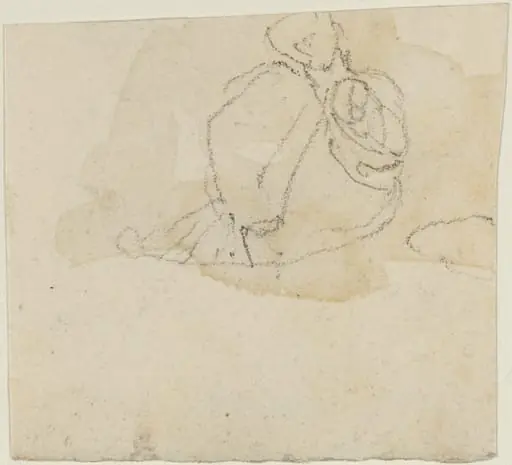 Figure Study
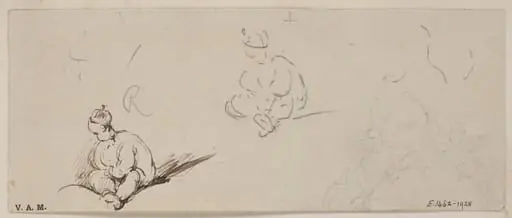 Two sketches of a Chinese child
![Sheet of Studies [recto and verso], by John Flaxman](https://artifactworldgallery.com/img/john-flaxman--sheet-of-studies-recto-and-verso--af59e52d5279d768-w320.webp) Sheet of Studies [recto and verso]
Sheet of Studies [recto and verso]