Artwork
Dr John Camidge
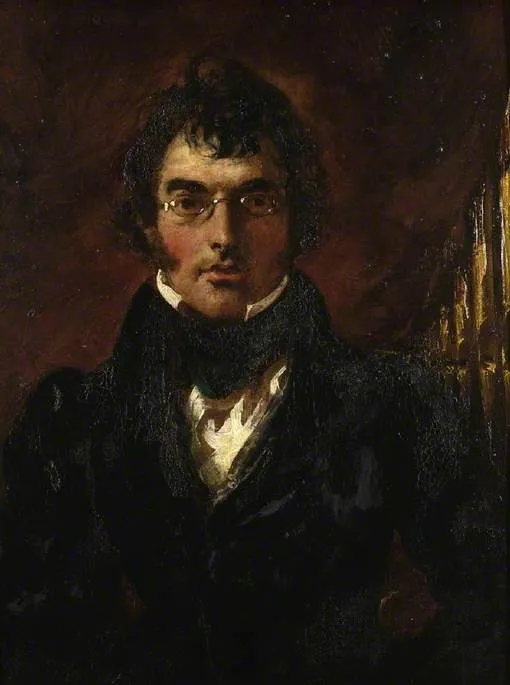
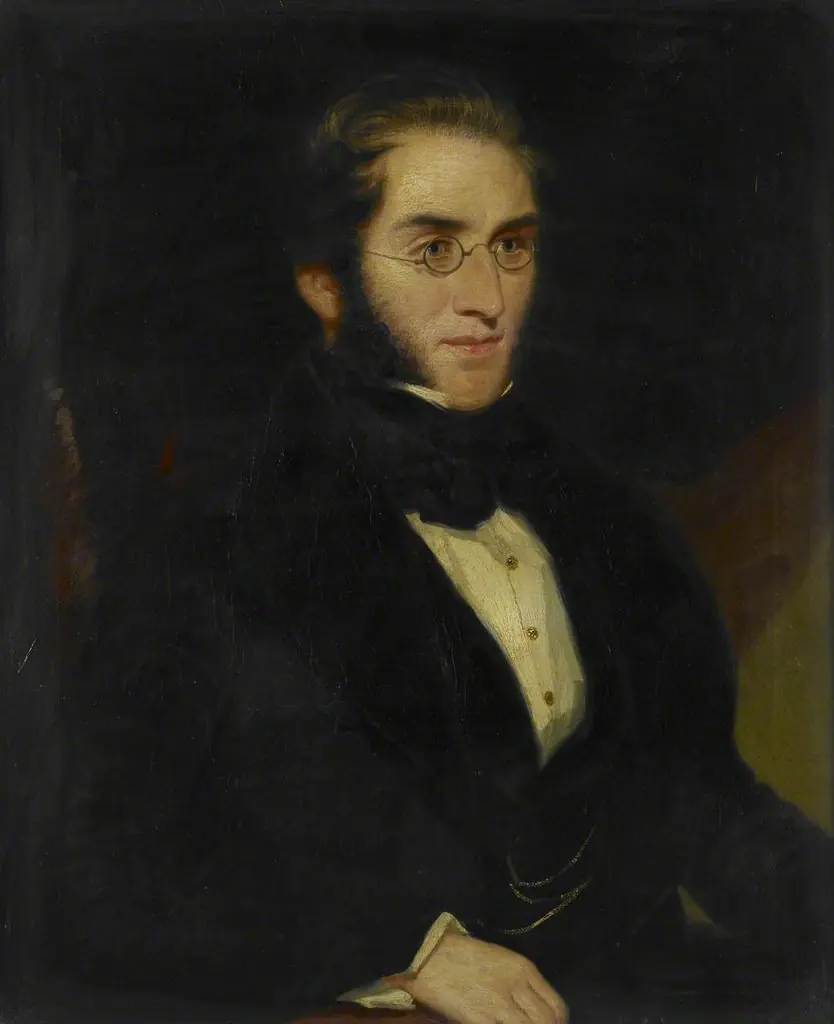
Dr John Camidge is an unspecified painting by William Etty. It dates from 1825 and is held in the collection of the Fitzwilliam Museum.
About this work
Overview
Etty, trained at the Royal Academy Schools and known for his focus on the human form, applied his mastery of skin tone and texture to this seated figure.
Painted in 1825 by William Etty, this portrait captures Dr. John Camidge, a contemporary from the artist’s social circle. Etty, trained at the Royal Academy Schools and known for his focus on the human form, applied his mastery of skin tone and texture to this seated figure. The work reflects his ability to render individual presence with quiet precision, distinct from his more celebrated mythological scenes.
Subject & Meaning
Dr. John Camidge was a musician and organist connected to Etty’s network in York and London. The portrait presents him without theatricality—glasses, dark coat, and neutral expression convey a sense of quiet dignity. There is no symbolic embellishment; the focus lies in the act of observation itself, suggesting a personal, rather than public, commemoration of the sitter’s character.
Technique & Style
Etty employed fine brushwork to capture the texture of fabric, the sheen of glass lenses, and the subtle variations in skin tone. The dark, uneven background isolates the figure, directing attention to the face and hands. His approach is grounded in observation, avoiding idealization; the rendering of light on the collar and the slight catch in the eyes reveals a commitment to naturalism over convention.
History & Provenance
The painting remained in private hands until it entered the collection of the Fitzwilliam Museum in Cambridge. Its documented history is modest, with no evidence of public exhibition during Etty’s lifetime. The museum’s acquisition preserved a rare example of Etty’s portraiture, a genre he practiced less frequently than his mythological and nude studies.
Context
In the 1820s, British portraiture was dominated by formal commissions for the elite. Etty, however, often painted friends and acquaintances with intimate immediacy. This portrait reflects a quieter current in his practice—personal, unadorned, and rooted in the artist’s immediate environment, contrasting with the grand narratives for which he is better known.
Legacy
Though overshadowed by Etty’s larger works, this portrait remains a testament to his technical control and sensitivity to individual likeness. It offers insight into his lesser-known engagement with portraiture and demonstrates how his skill in depicting flesh extended beyond idealized figures into the realm of everyday presence.
Artist & collection
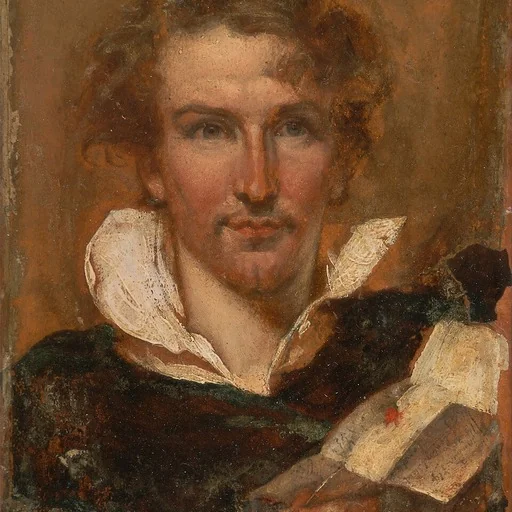
Artist
William Etty (10 March 1787 – 13 November 1849) was an English artist best known for his historical paintings containing nude figures.

 Sir Frederic Madden (1801–1873), Keeper of Manuscripts (1837–1866)
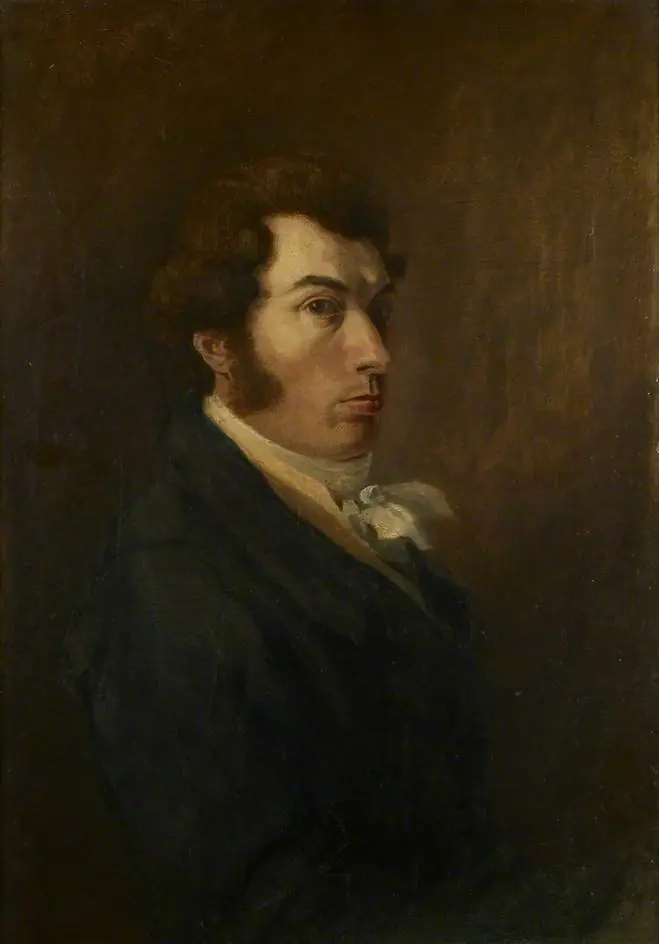 Self-portrait
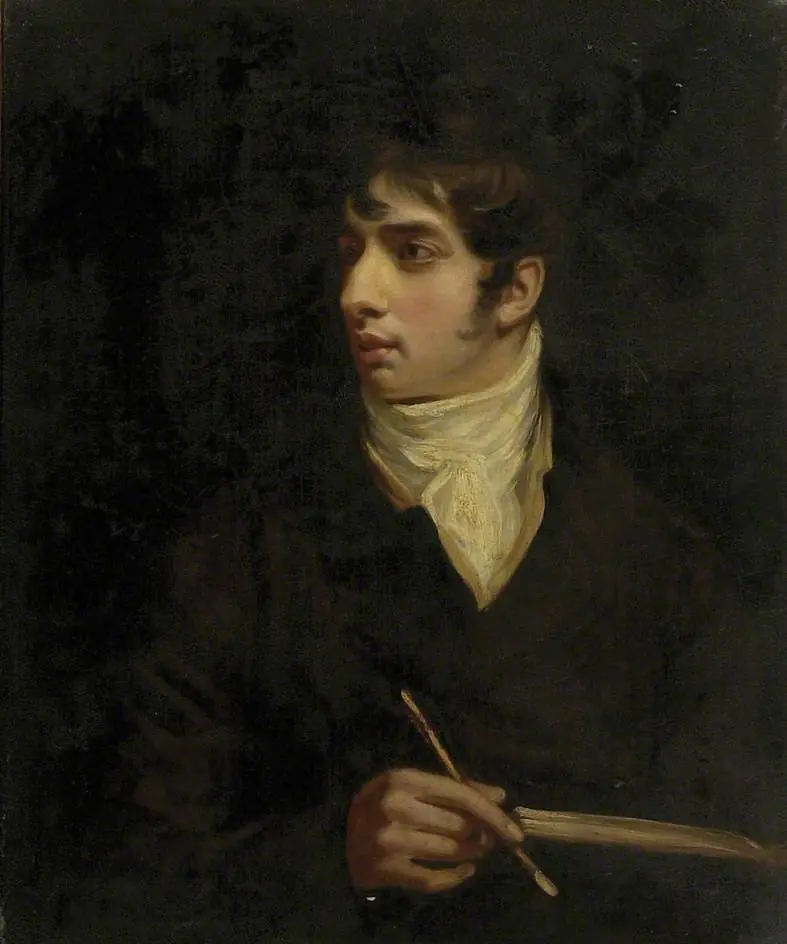 Thomas Girtin
 Presumed Portrait of Thomas Girtin (1775-1802), Artist
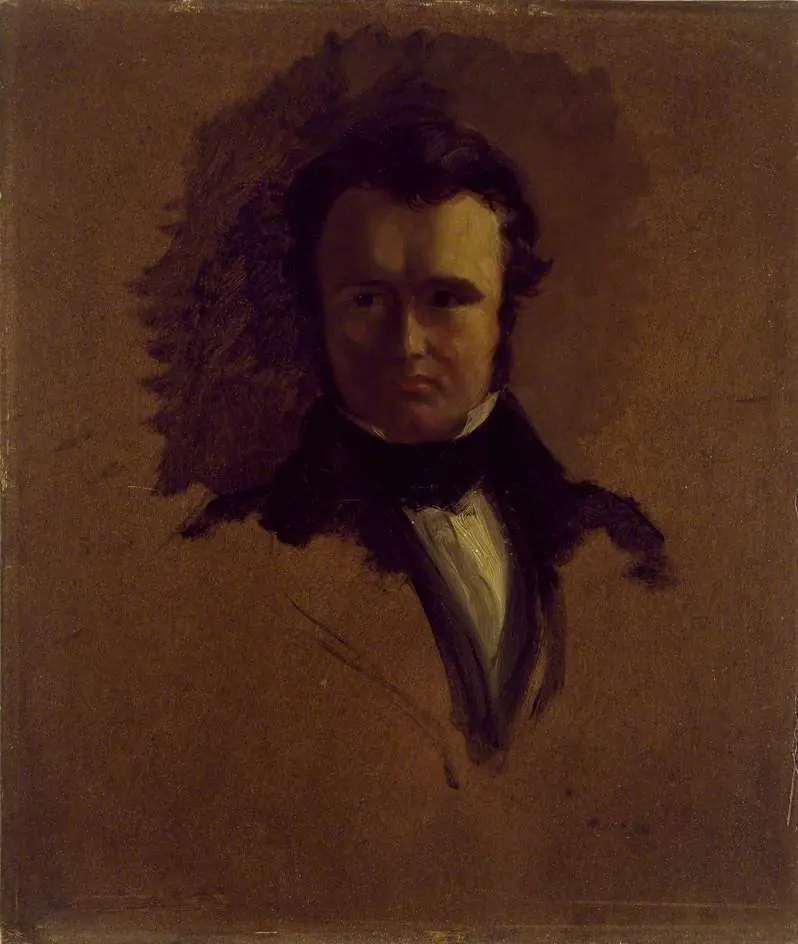 Thomas Babington Macaulay
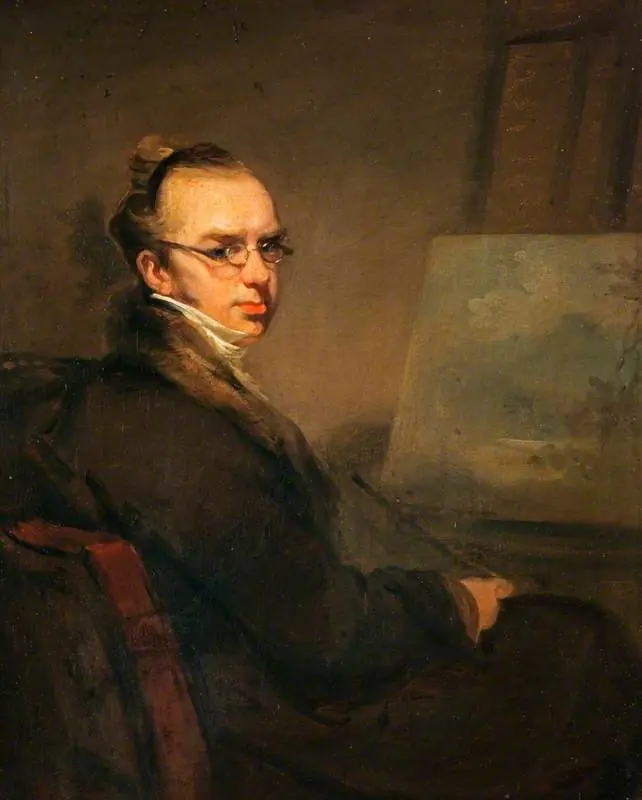 Self-portrait
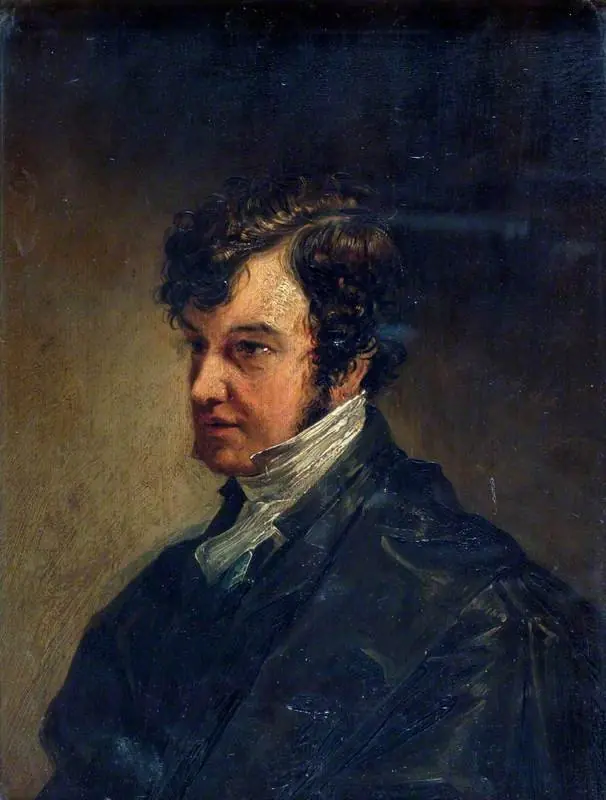 The Reverend William Harness (1790–1869)
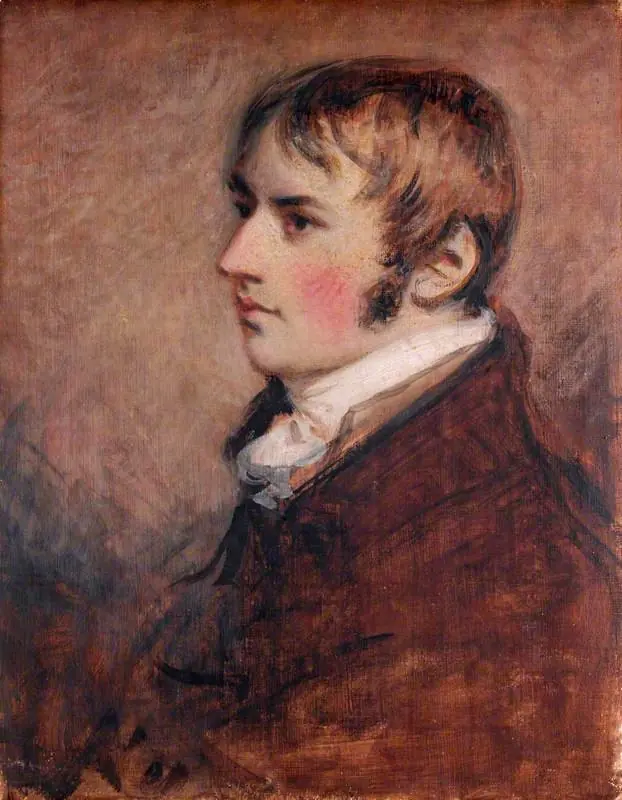 John Constable (1776–1837), RA, at the Age of 20
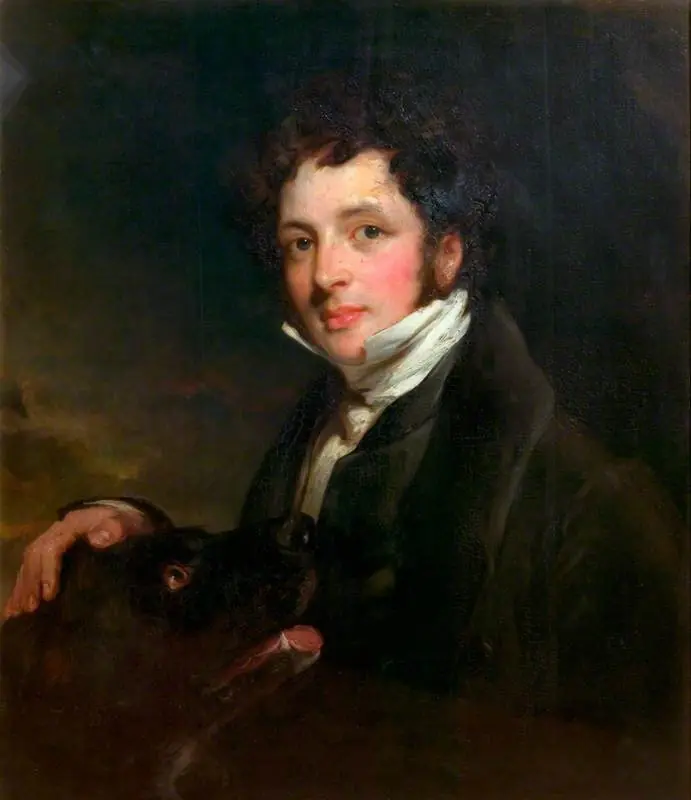 The Reverend Chauncey Hare Townshend (1798–1868)
 Portrait of John Philpot Curran (1750-1817), Statesman and Lawyer
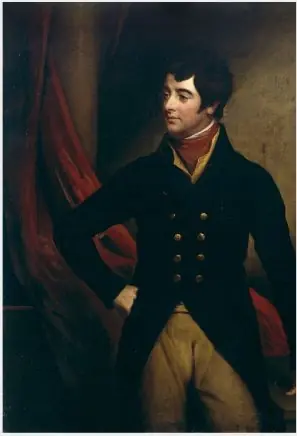 Portrait of Lord Edward FitzGerald (1763-1798)
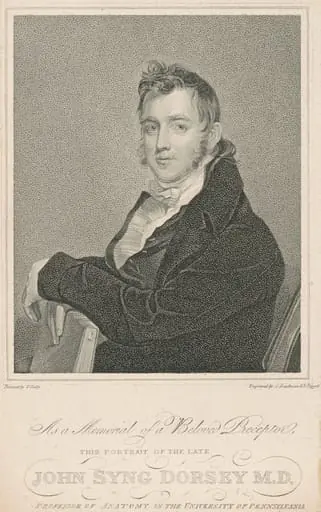 John Syng Dorsey, M.D.