Artwork
Thomas Babington Macaulay
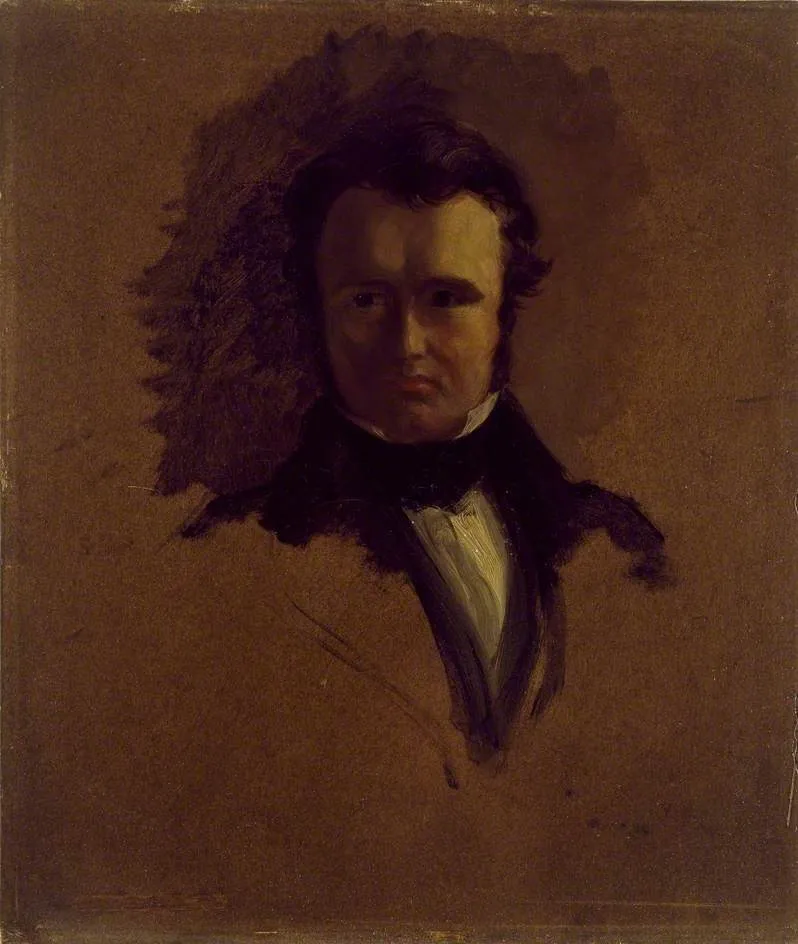
Thomas Babington Macaulay is an unspecified painting by George Hayter. It dates from 1838 and is held in the collection of the Ashmolean Museum.
About this work
Overview
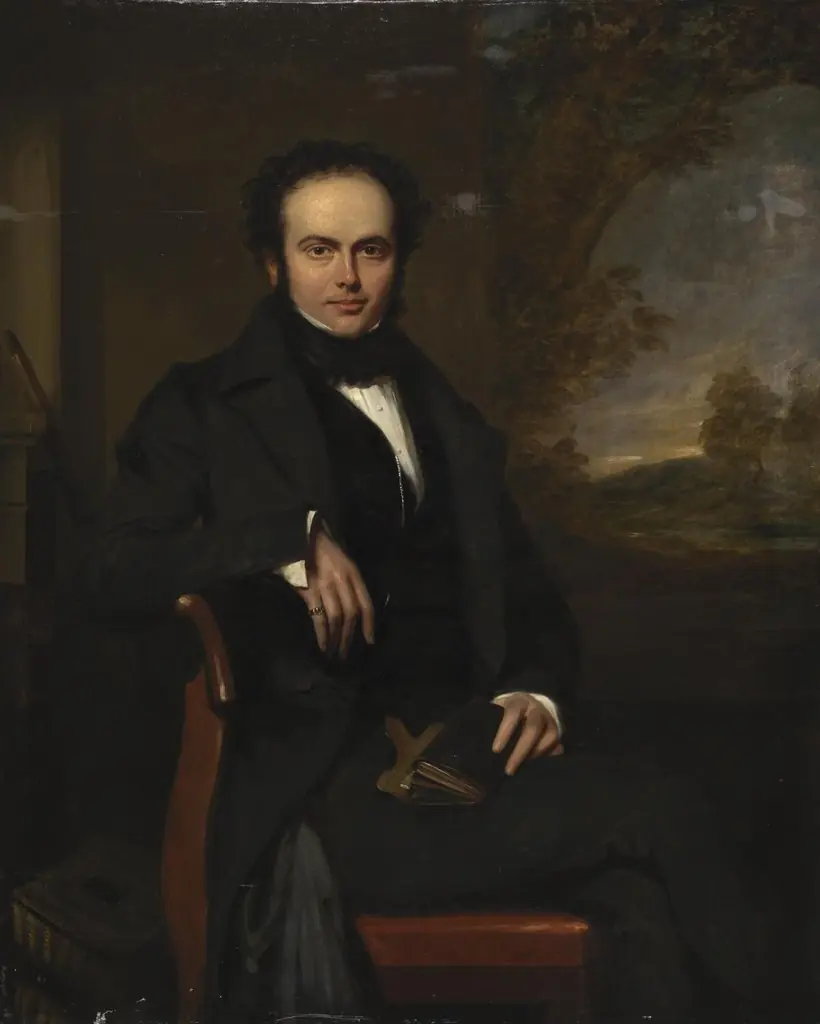
The composition centers on the sitter’s face, rendered with meticulous detail against a subdued, dark backdrop that emphasizes his solemn expression.
George Hayter’s 1838 oil portrait presents the historian and politician Thomas Babington Macaulay in a restrained, formal pose. The composition centers on the sitter’s face, rendered with meticulous detail against a subdued, dark backdrop that emphasizes his solemn expression. The work belongs to the Ashmolean Museum’s collection and exemplifies Hayter’s skill in capturing prominent public figures of his era.
Subject & Meaning
Macaulay is shown with dark hair, a white shirt and a black jacket, his gaze directed outward in a contemplative manner. The portrait conveys the intellectual gravitas associated with his dual career as a historian and a statesman, reflecting the Victorian ideal of dignified public service.
Technique & Style
Hayter employs chiaroscuro to model the sitter’s features, using contrasts of light and shadow to create a sense of three‑dimensionality. The muted background recedes, allowing the illuminated face and clothing to dominate the visual field. The brushwork is precise, particularly in the rendering of facial details, underscoring the painter’s portraiture expertise.
History & Provenance
Created in 1838, the portrait entered the Ashmolean Museum’s holdings, where it remains on view. George Hayter, later appointed Principal Painter in Ordinary to Queen Victoria and knighted in 1841, produced numerous individual portraits, and this piece illustrates his early mature style before his royal appointment.
Artist & collection
Artist
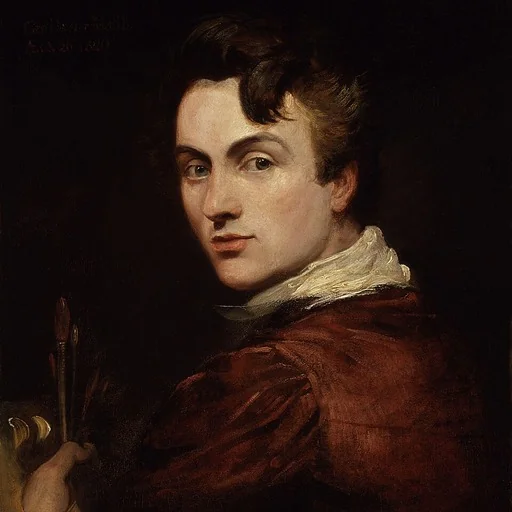
Sir George Hayter (17 December 1792 – 18 January 1871) was an English painter, specialising in portraits and large works involving sometimes several hundred individual portraits.

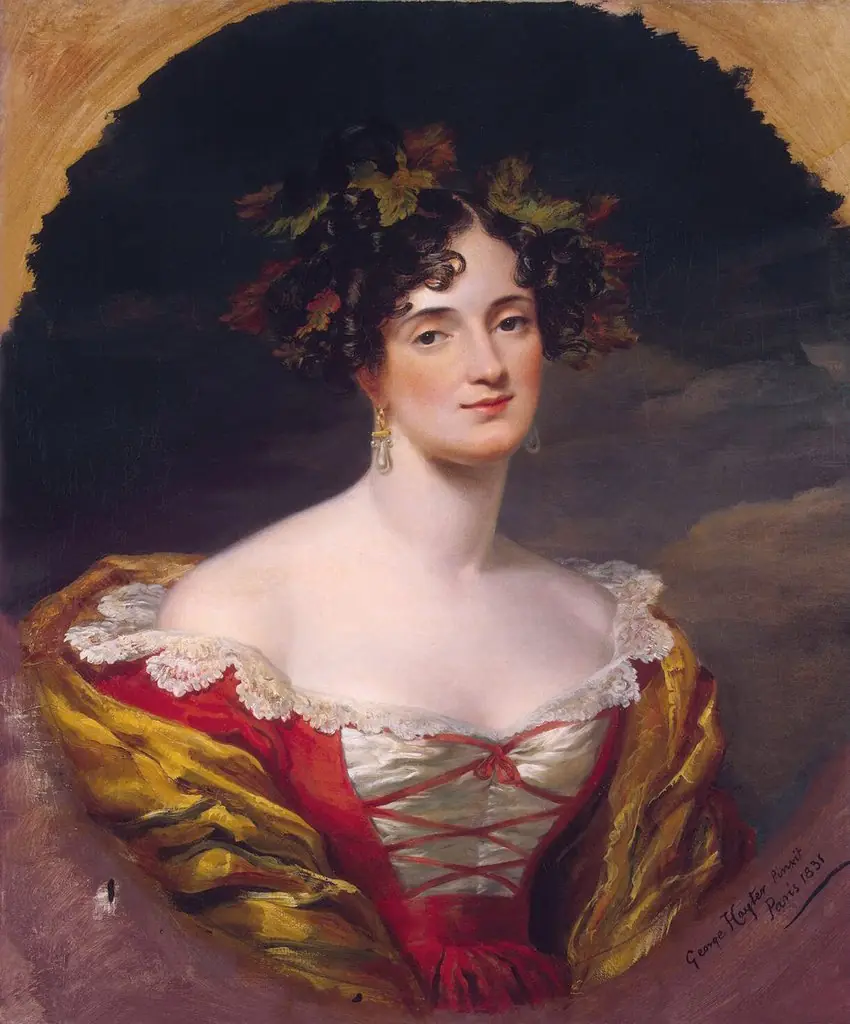 Portrait of Sophia S. Kiselyova (1801-1875)
 Portrait of George Tierney (1761-1830), MP and English Statesman
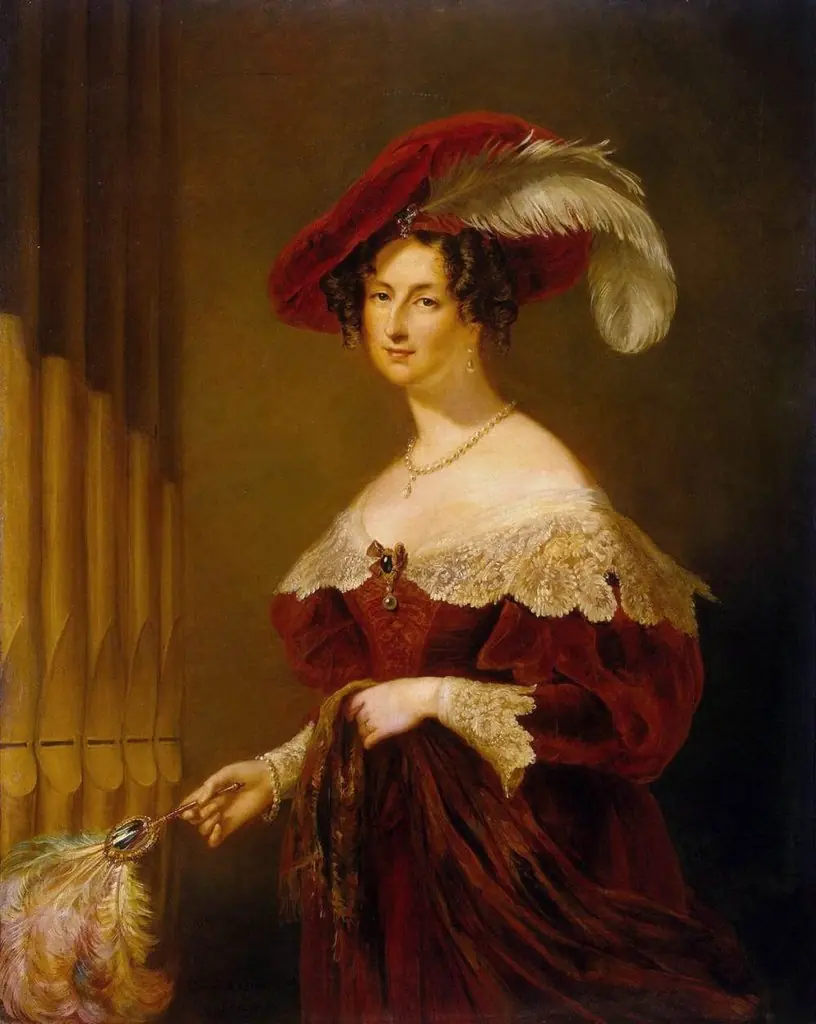 Portrait of Countess Yelizaveta K. Vorontsova (1792-1880)
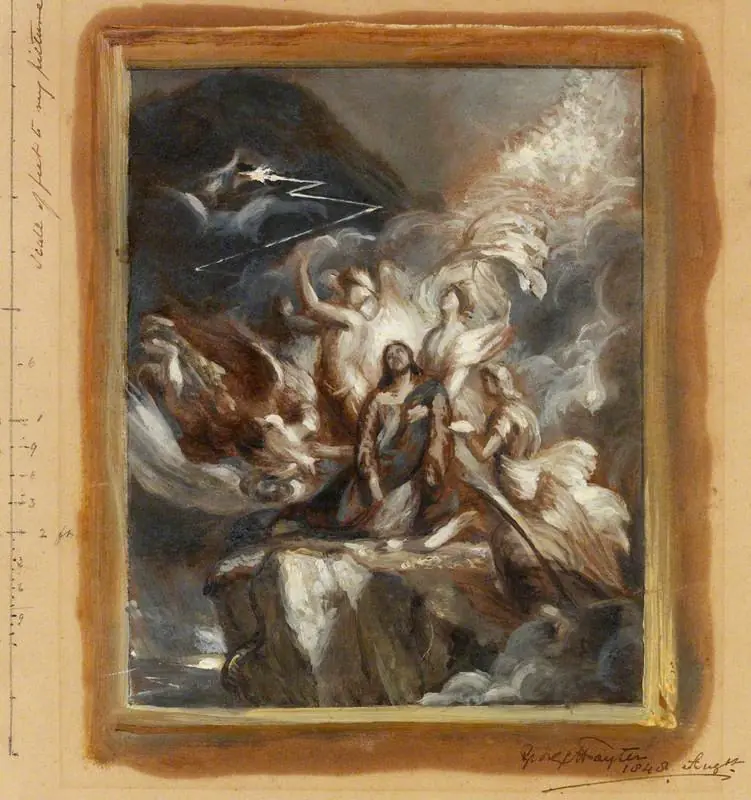 Our Saviour after the Temptation (sketch)
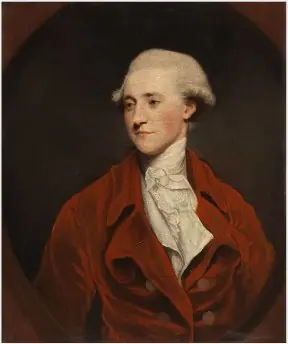 Portrait of Richard Burke, Son of Edmund Burke, Parliamentary Agent of the Catholic Committee (1758-1794)
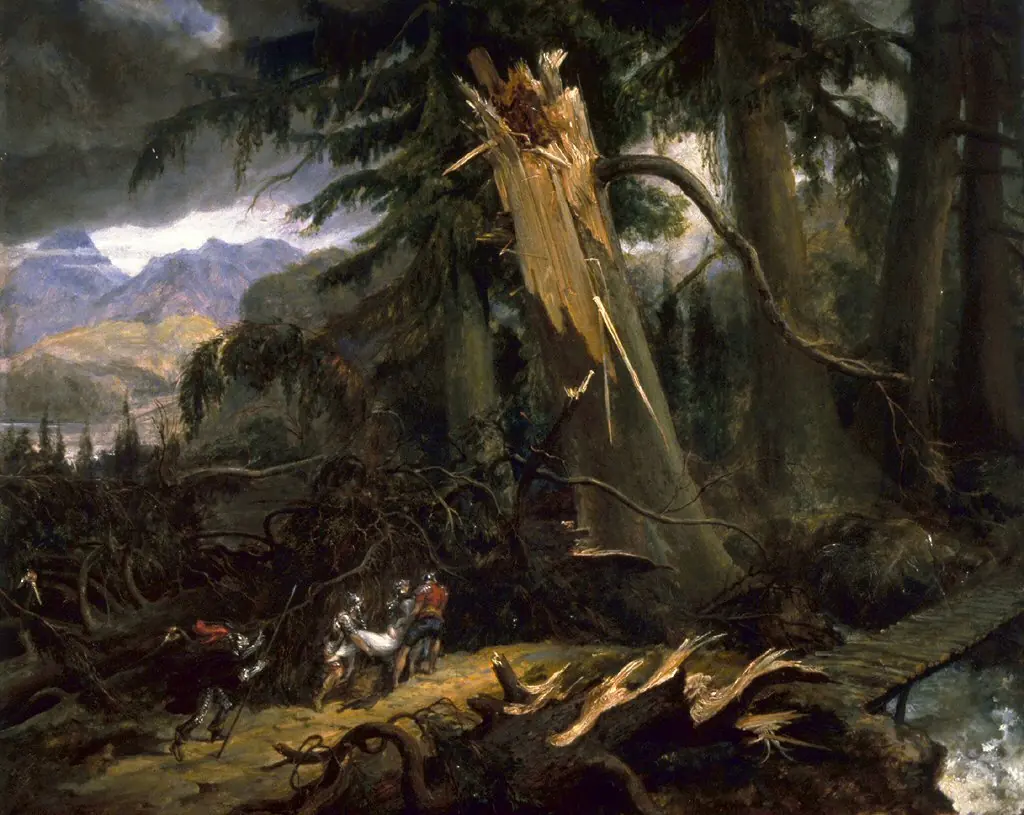 After the Storm
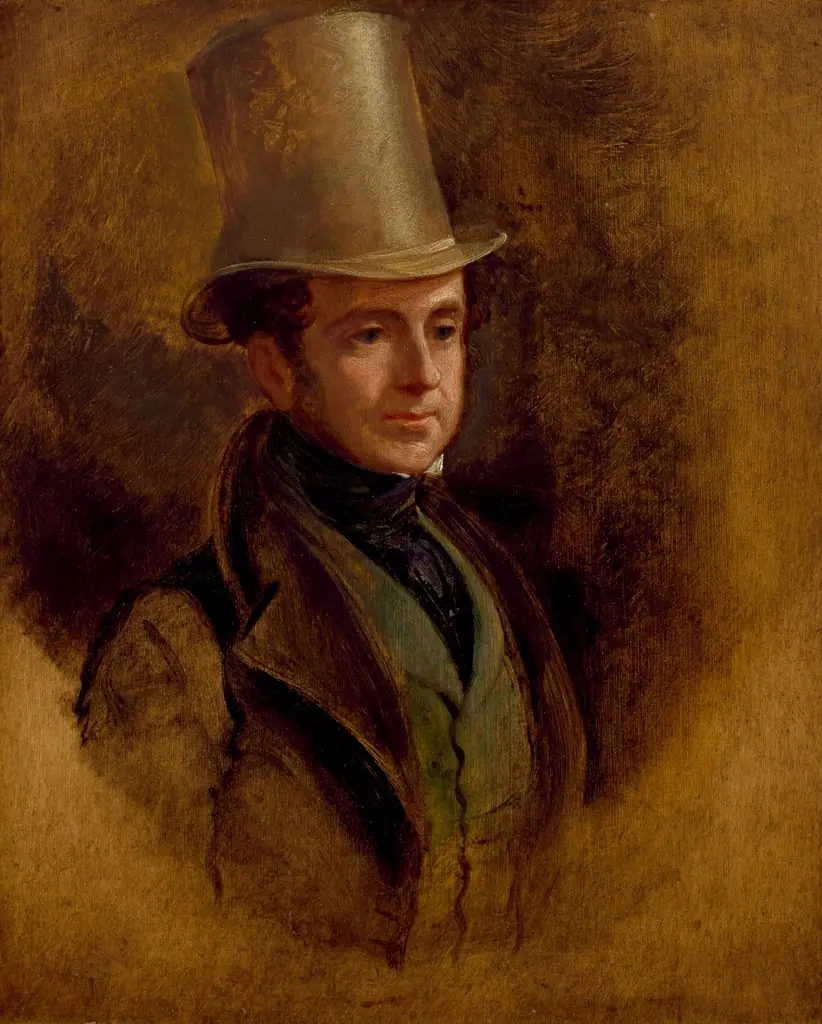 Henry Winston Barron, M.P.
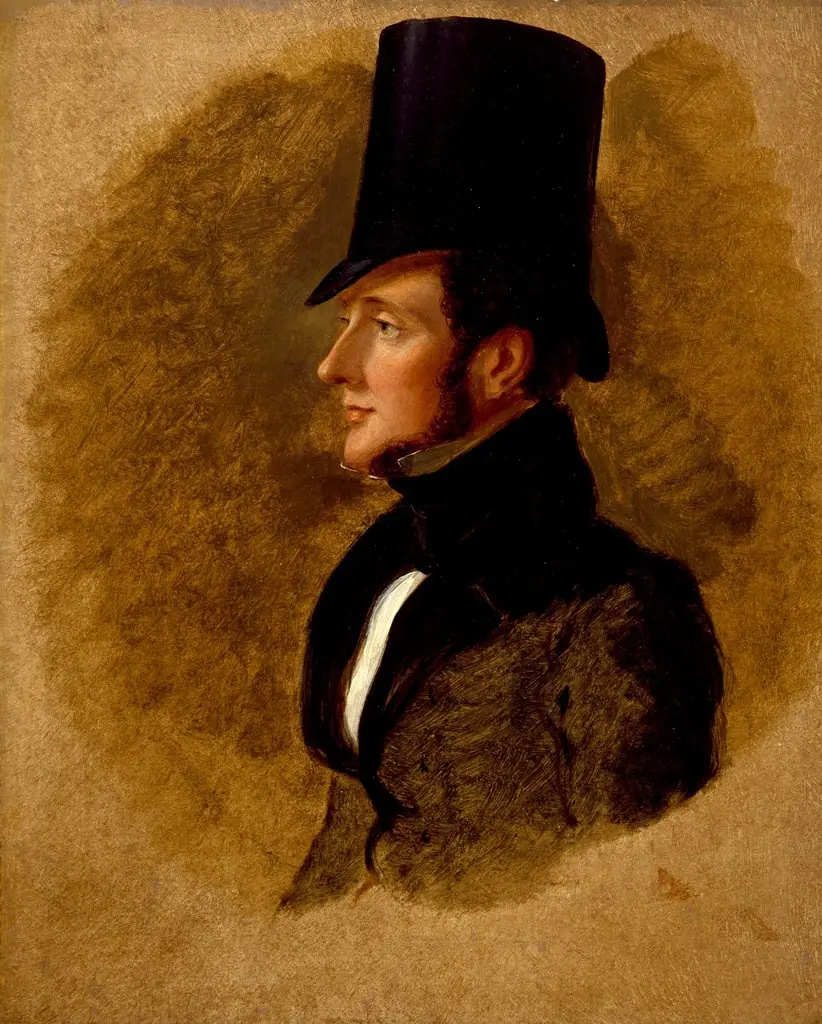 Fitzstephen French, M.P.
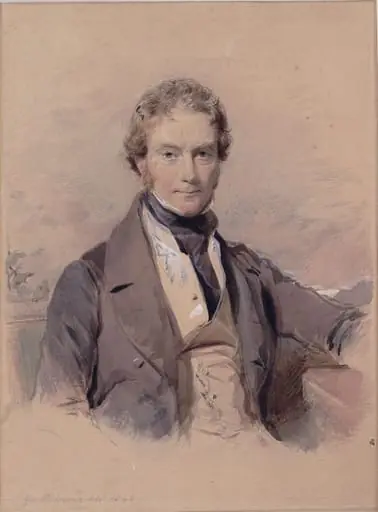 James, Lord Ruthven
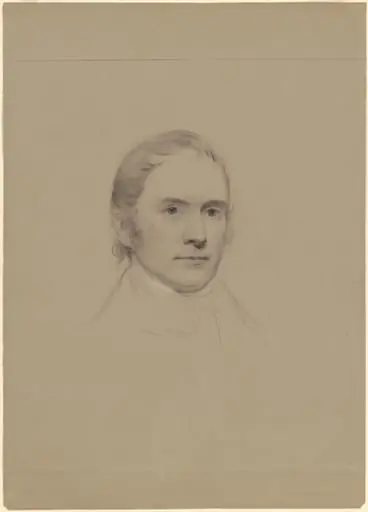 Head of a Man
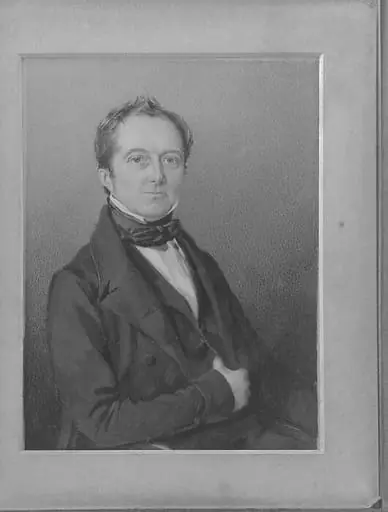 Uncle Charles
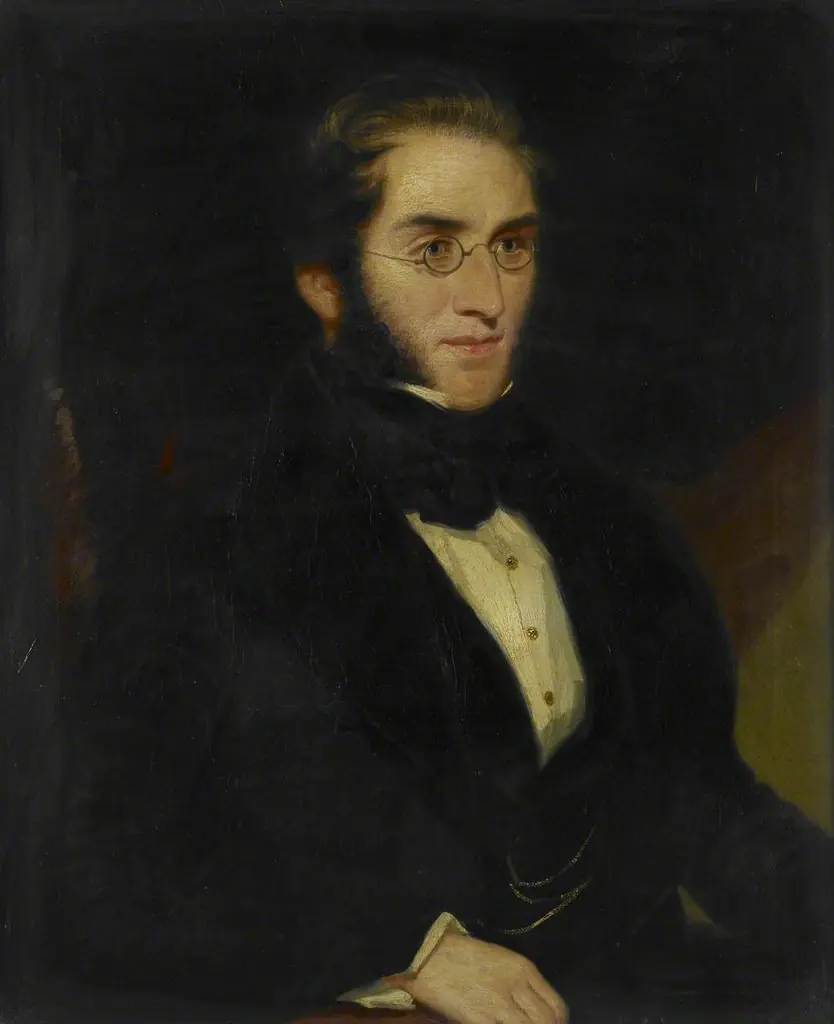 Sir Frederic Madden (1801–1873), Keeper of Manuscripts (1837–1866)
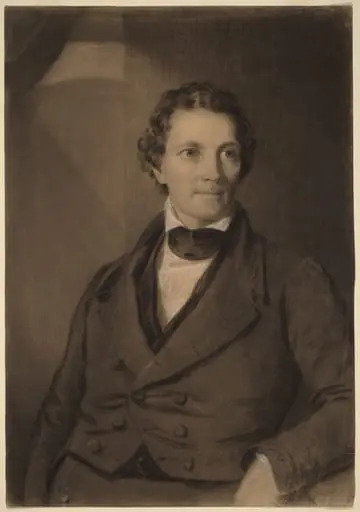 The Young Doctor
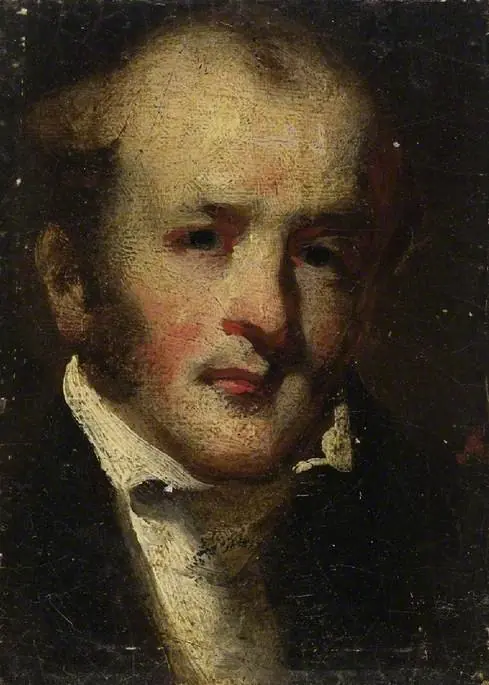 Head and shoulders of a man
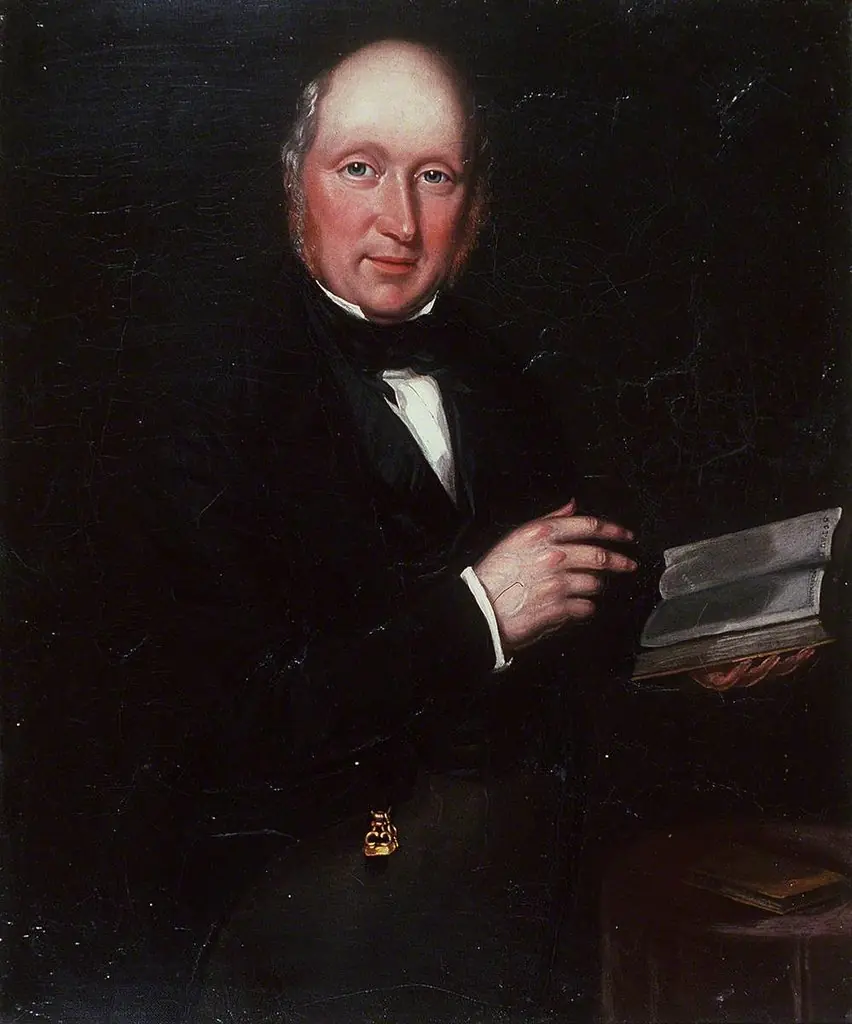 Griffith Evans
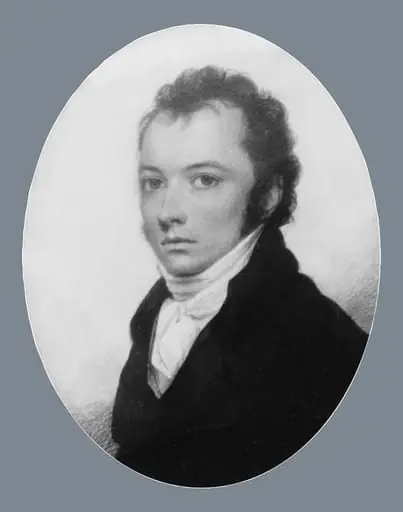 Joel Roberts Poinsett
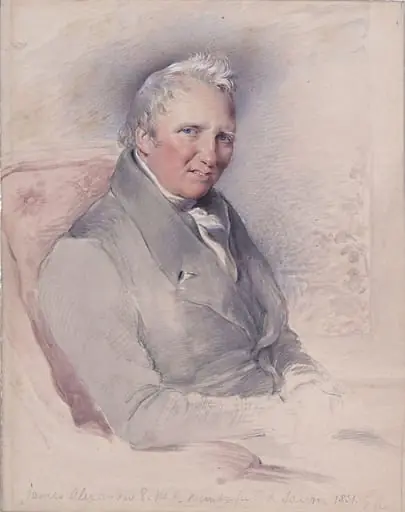 James Alexander, M.P.
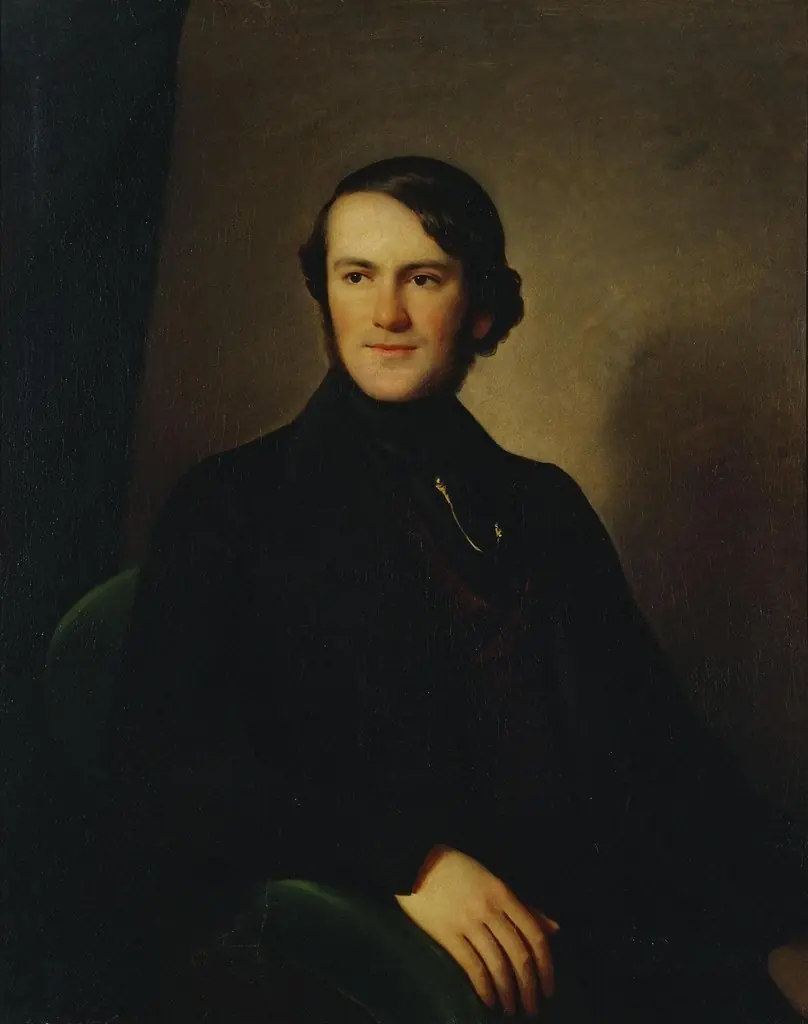 Portrait of Baron Alexander Stieglitz
 Seated man
 Portrait of William Smith O'Brien (1803-1864), Young Irelander