Artwork
The White Cockade
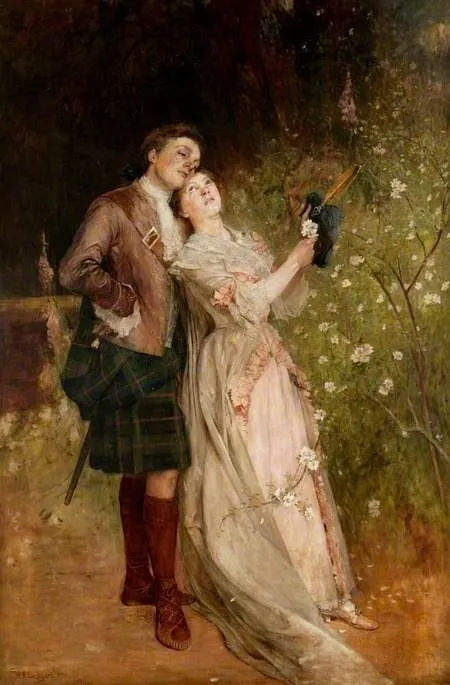
The White Cockade is an oil painting by the Post-Impressionist artist William Ewart Lockhart. It dates from 1900 and is held in the collection of the Kelvingrove Art Gallery and Museum.
About this work
Overview
Completed in 1900, *The White Cockade* is an oil painting by Scottish artist William Ewart Lockhart (1846–1900). The canvas is part of the Kelvingrove Art Gallery and Museum’s collection and exemplifies the artist’s late‑career output within the broader post‑impressionist tendency of the period.
Subject & Meaning
The composition depicts a couple positioned closely together; the male figure is dressed in a traditional kilt and a brown coat, while the female figure wears a flowing white gown and clutches a modest bouquet. Both figures gaze upward beyond the picture’s edge, suggesting a shared focus on an unseen event or sentiment.
Technique & Style
Lockhart employs a pronounced contrast between the luminous white dress and the surrounding darker tones, a chiaroscuro effect that heightens the three‑dimensionality of the figures. The brushwork is relatively smooth, aligning with post‑impressionist concerns for color modulation and atmospheric depth rather than the loose handling of earlier Impressionism.
History & Provenance
Born in the Scottish towns of Sibbaldbie and Annan, Lockhart built a reputation for genre scenes and portraits throughout the nineteenth century. After its creation, *The White Cockate* entered the holdings of Kelvingrove Art Gallery and Museum, where it remains on display as part of the institution’s representation of Scottish Victorian painting.
Artist & collection
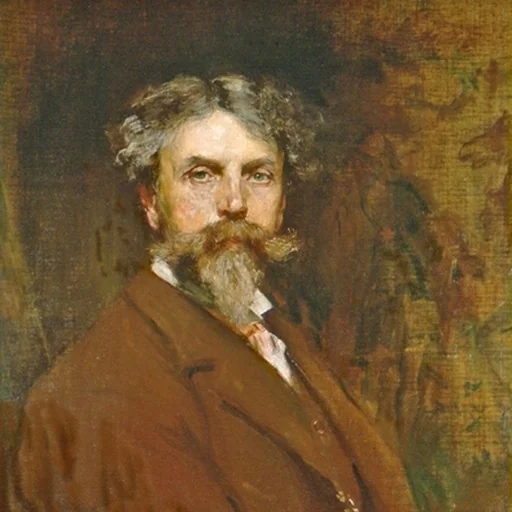
Artist
William Ewart Lockhart (14 February 1846 – 9 February 1900) was a Scottish Victorian painter, born in Eaglesfield and later raised by his grandparents in Sibbaldbie and then Annan.

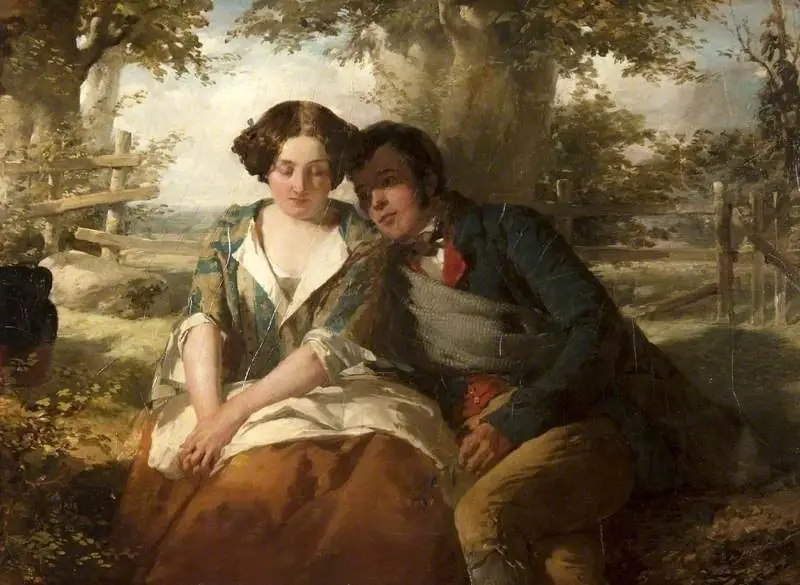 Burns and Highland Mary
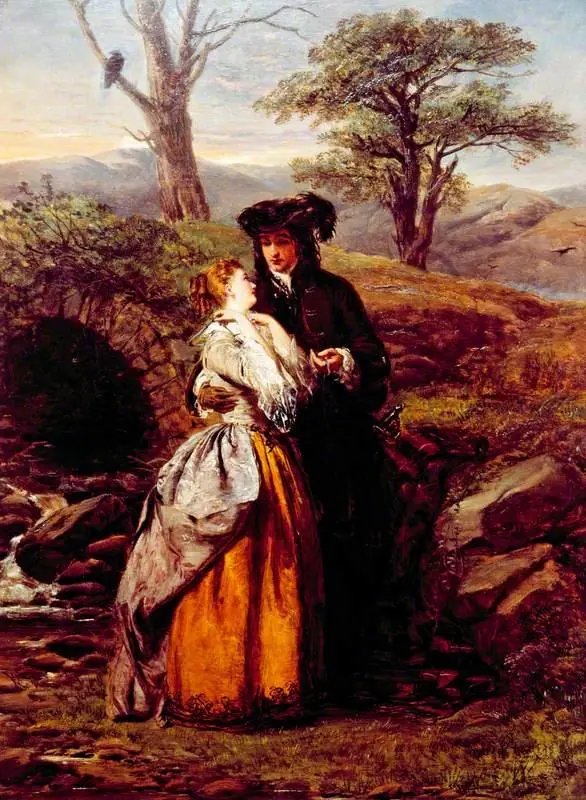 The Bride of Lammermoor (from Sir Walter Scott's novel)
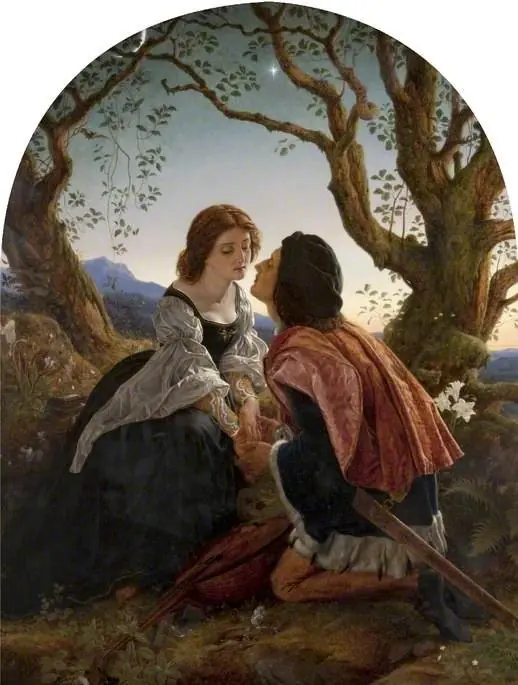 Hesperus, the Evening Star, Sacred to Lovers
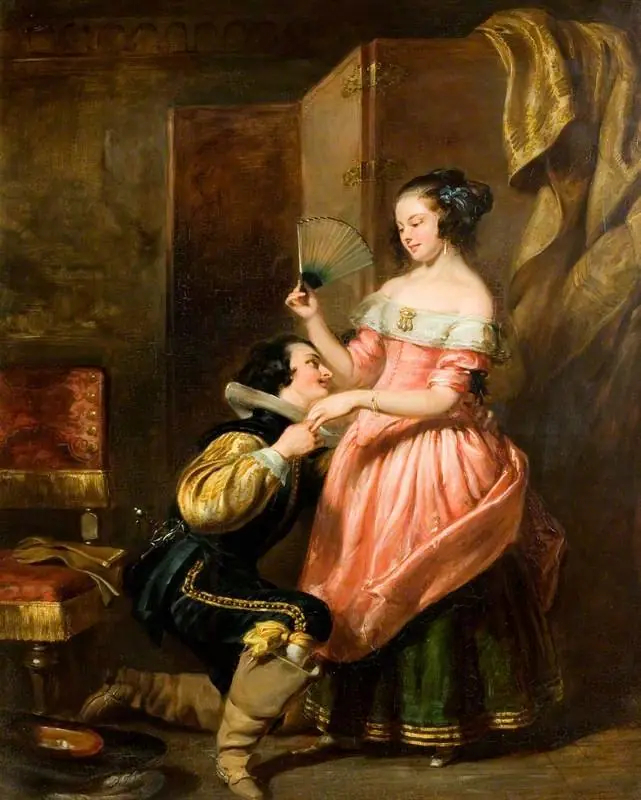 Gil Blas Introducing Himself to Laura
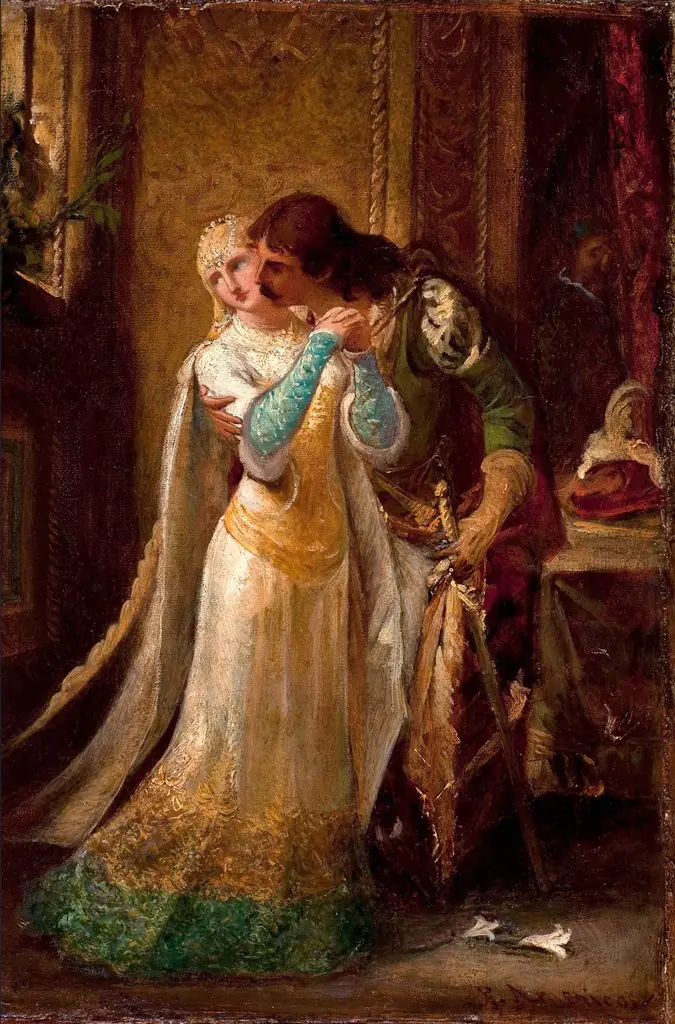 Faust and Gretchen
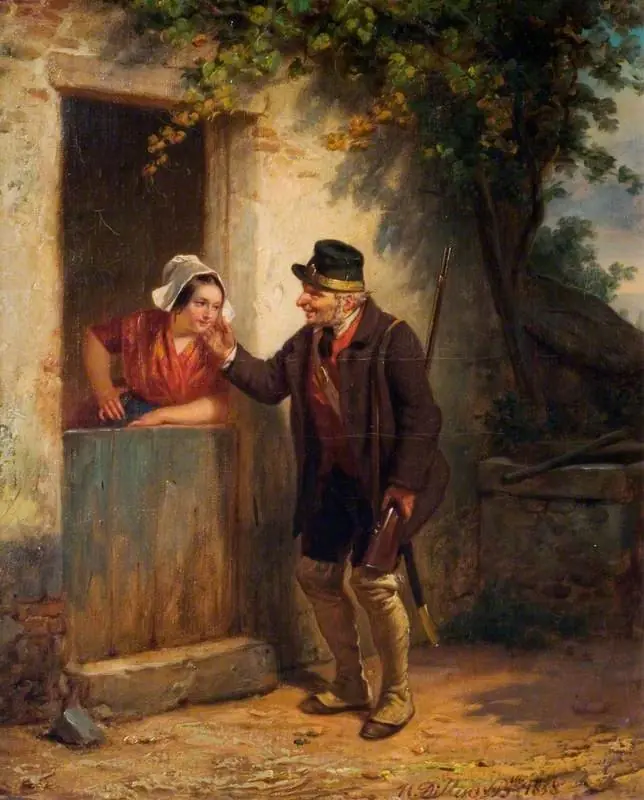 A Gamekeeper and a Woman at a Cottage Door
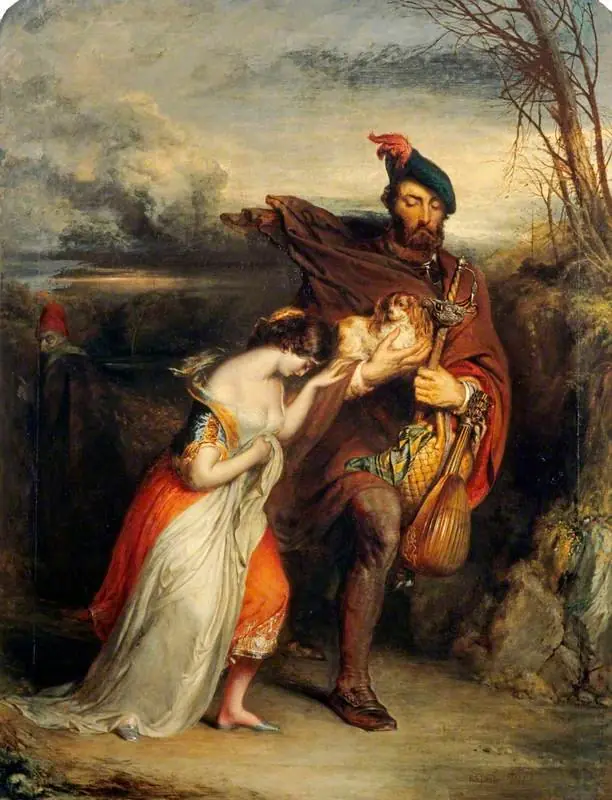 The Gow Chrom Reluctantly Conducting the Glee Maiden to a Place of Safety (from Scott's 'The Fair Maid of Perth')
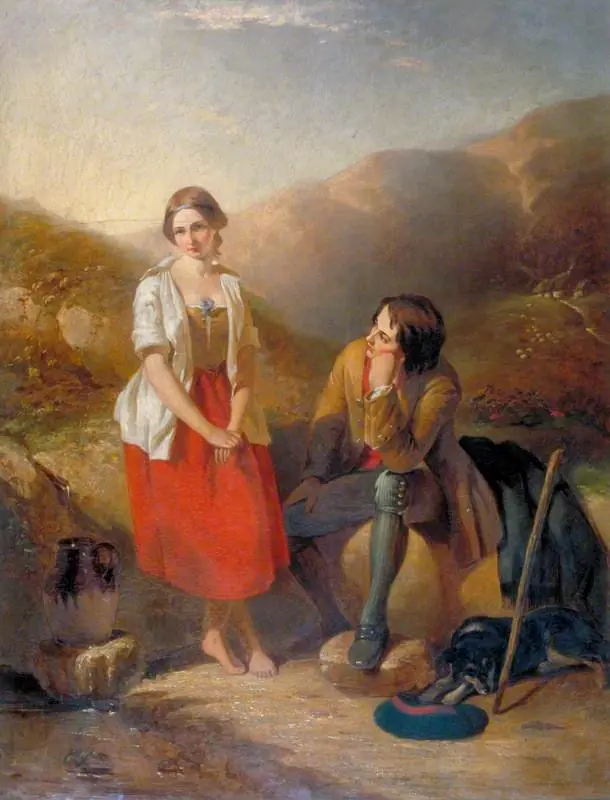 The Dawn of Love
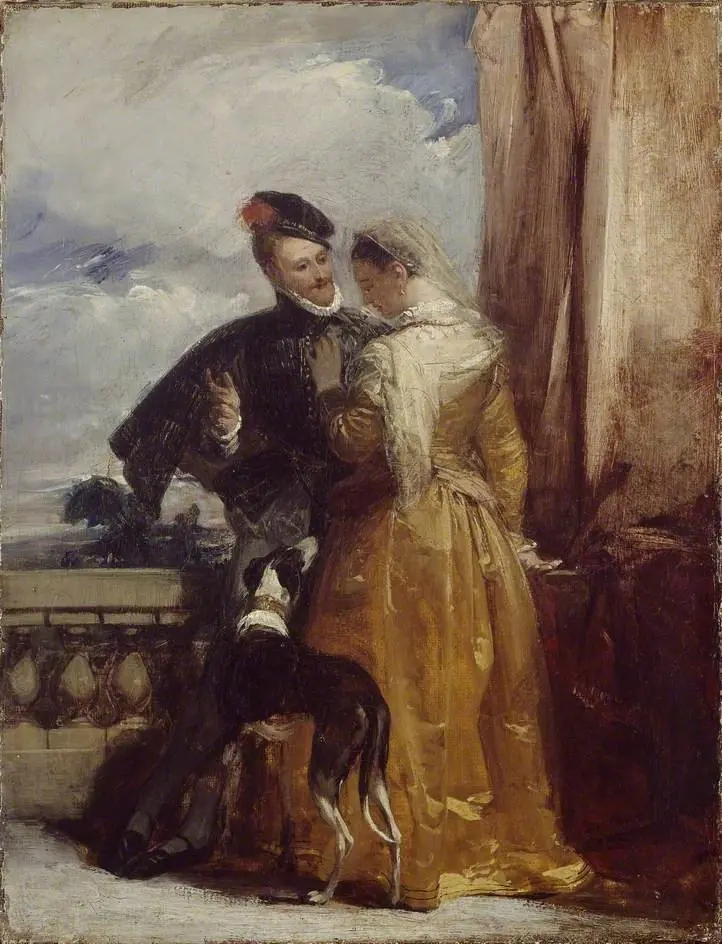 Amy Robsart and the Earl of Leicester
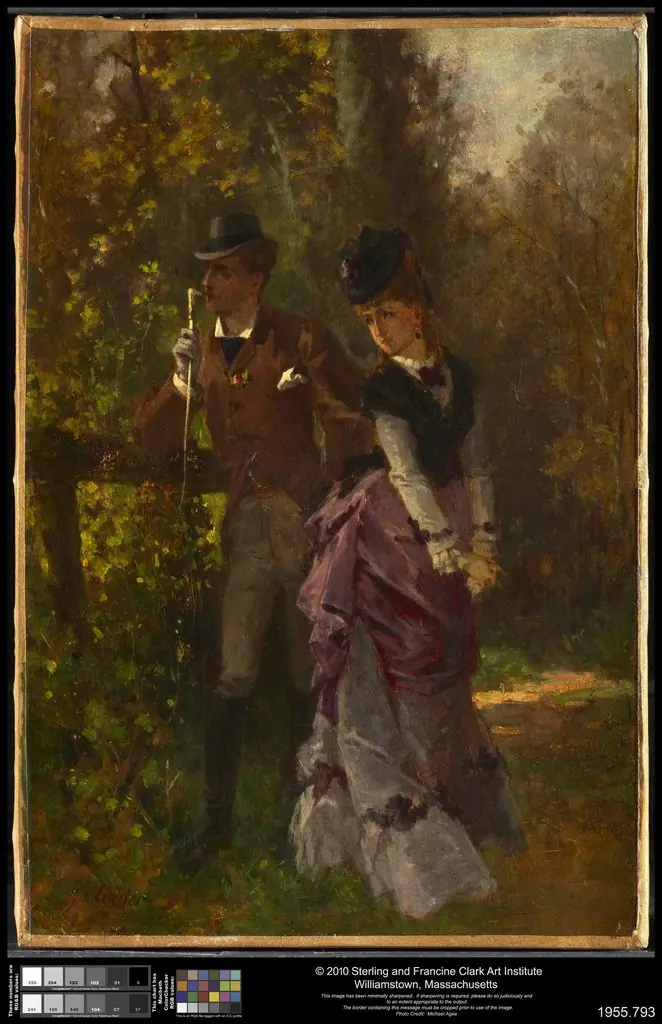 Autumn
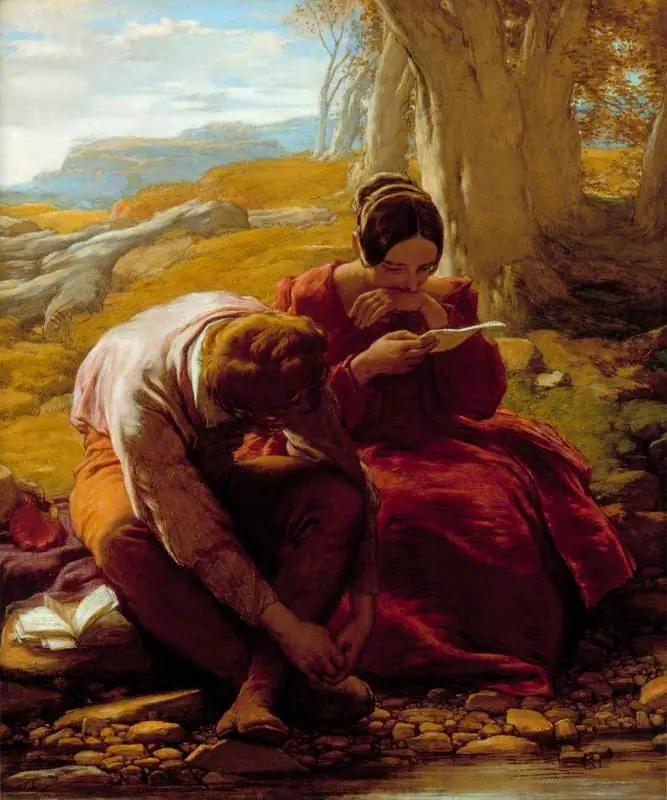 The Sonnet
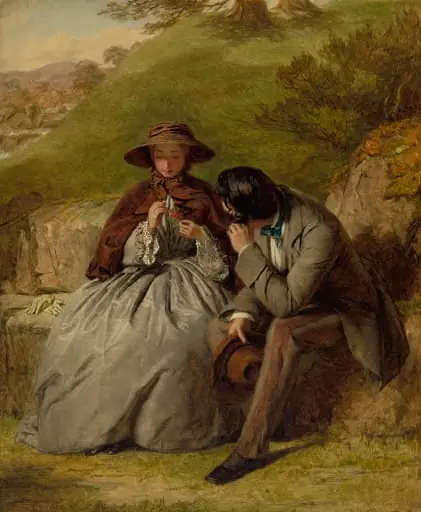 The Lovers