Artwork
Hesperus, the Evening Star, Sacred to Lovers
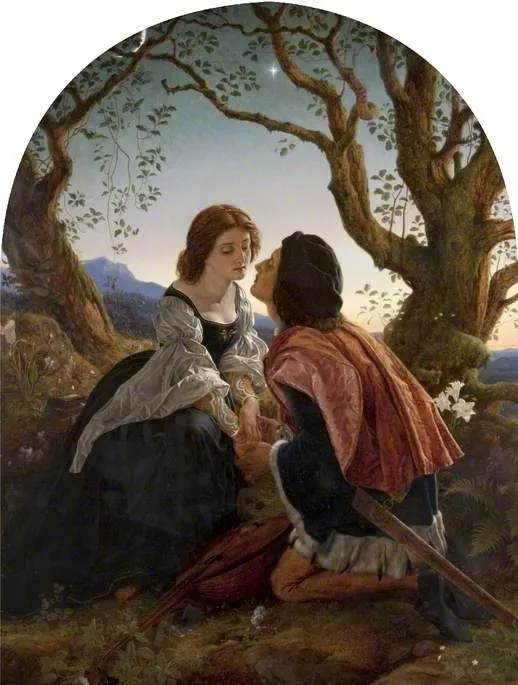
Hesperus, the Evening Star, Sacred to Lovers is an unspecified painting by the British Romanticist artist Joseph Noel Paton. It dates from 1857 and is held in the collection of the Kelvingrove Art Gallery and Museum.
About this work
Overview
Created during the height of British Romanticism, the work merges mythic symbolism with intimate human emotion.
Hesperus, the Evening Star, Sacred to Lovers is an 1857 oil painting by Scottish artist Joseph Noel Paton. Created during the height of British Romanticism, the work merges mythic symbolism with intimate human emotion. Paton, known for his engagement with Celtic and folk traditions, infused this piece with literary and spiritual undertones, reflecting his broader practice as both visual artist and poet.
Subject & Meaning
The painting depicts a couple in a forest clearing, the woman kneeling with clasped hands and the man seated, cloaked in red and holding a sword. Their gaze connects in quiet devotion, evoking a moment of sacred stillness. Hesperus, the evening star, serves as a celestial witness, traditionally associated with love and transition. The scene suggests a ritual or vow, blending natural setting with mythic resonance, rooted in Celtic romantic ideals.
Technique & Style
Paton employs chiaroscuro to model the figures with soft, directional light, isolating them against the dim woodland. The contrast enhances emotional intimacy, guiding the viewer’s focus to the pair’s silent exchange. Brushwork is detailed yet controlled, with textures in fabric and foliage rendered with precision. The composition’s verticality and enclosed space heighten the sense of seclusion, reinforcing the painting’s contemplative tone.
History & Provenance
Completed in 1857, the painting entered the collection of the Kelvingrove Art Gallery and Museum in Glasgow, where it remains today. It was exhibited during Paton’s peak recognition in mid-Victorian Britain, admired for its synthesis of literary themes and visual lyricism. No significant alterations or transfers are recorded; its provenance has remained stable since acquisition.
Context
Paton worked amid a revival of interest in Celtic mythology and medieval romance, paralleling literary movements led by figures like Walter Scott. His contemporaries included Pre-Raphaelite painters who similarly sought emotional depth and symbolic richness. Hesperus reflects this cultural current, positioning love as a transcendent force tied to nature and ancient belief systems, rather than mere sentiment.
Legacy
Though less widely known today than some Victorian contemporaries, Paton’s work, including Hesperus, contributed to the visual language of Romantic nationalism in Scotland. The painting endures as a quiet example of how myth and personal emotion were intertwined in 19th-century British art, offering insight into the period’s spiritual and poetic sensibilities beyond grand historical narratives.
Artist & collection
Artist
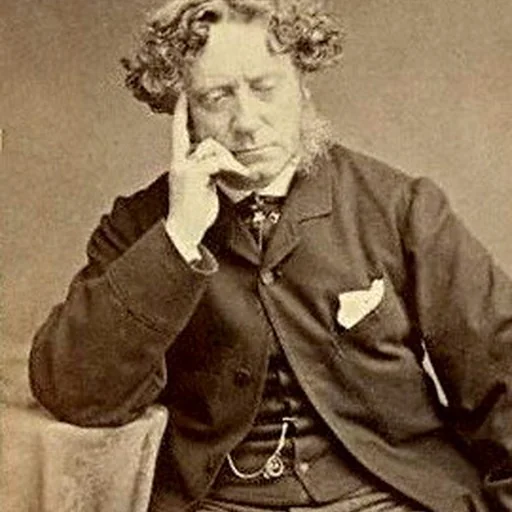
Sir Joseph Noel Paton (13 December 1821 – 26 December 1901) was a Scottish artist, illustrator and sculptor. He was also a poet and had an interest in, and knowledge of, Scottish folklore and Celtic legends.

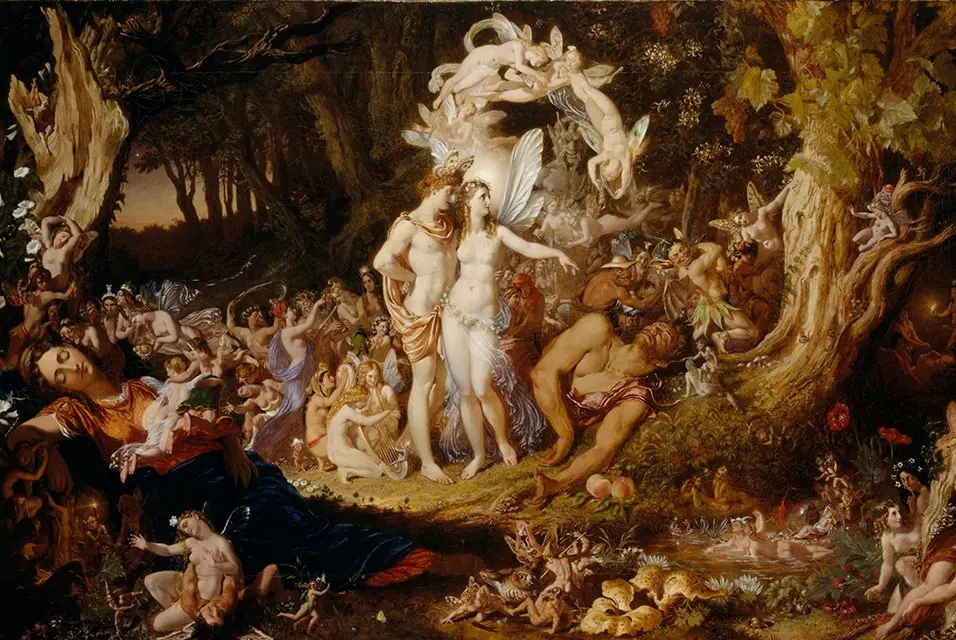
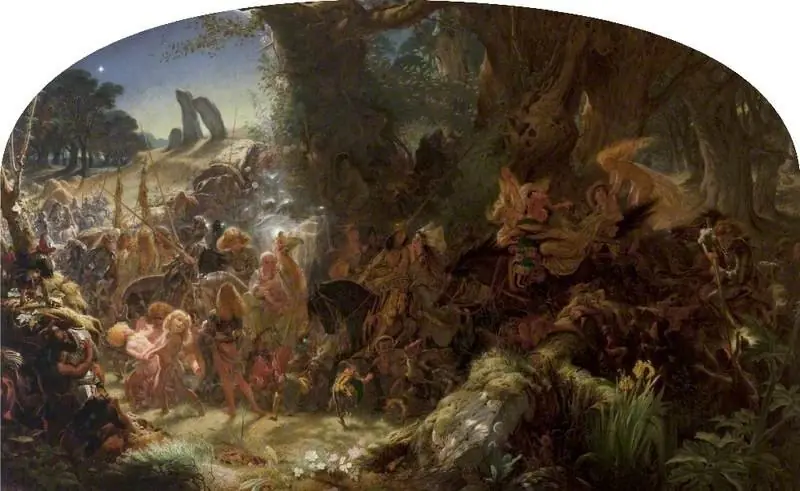
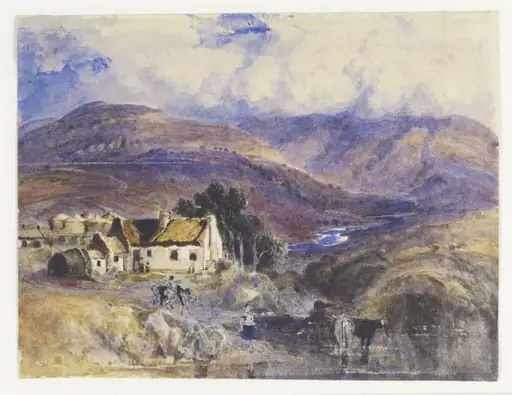
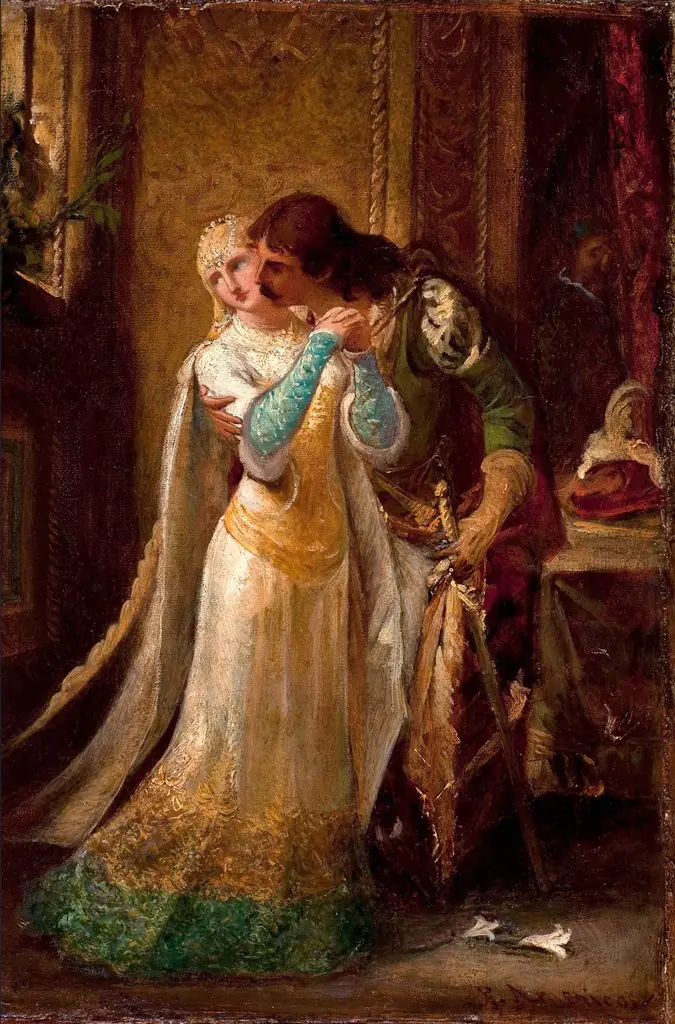 Faust and Gretchen
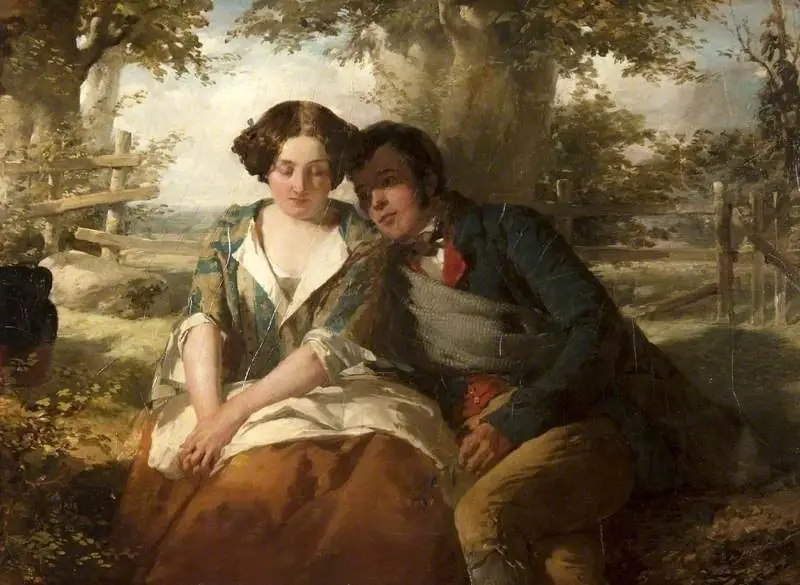 Burns and Highland Mary
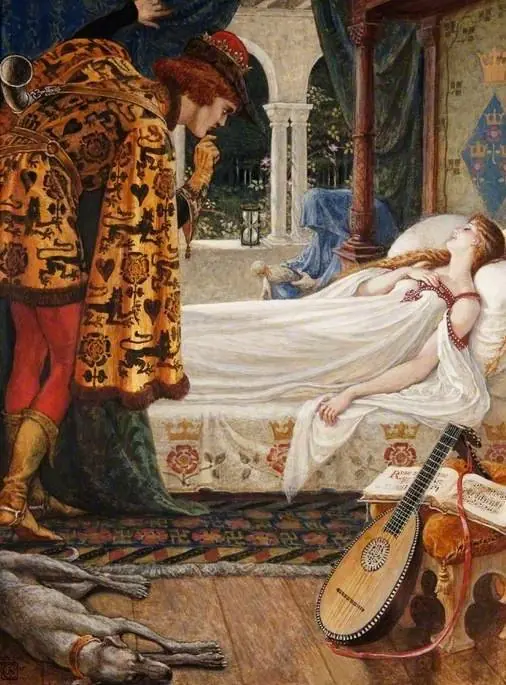 The Briar Rose (triptych, centre panel)
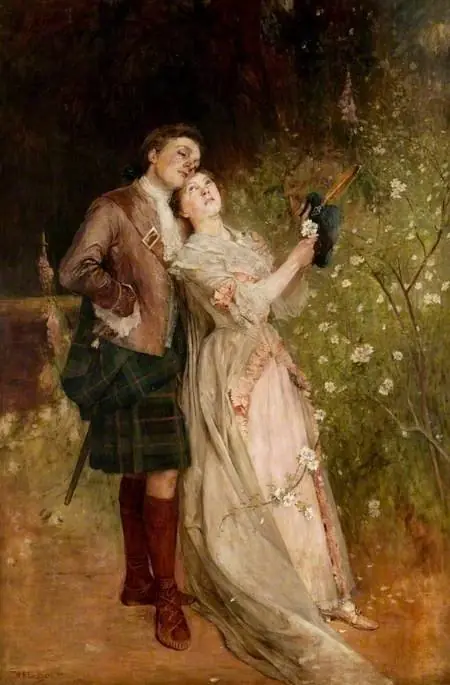 The White Cockade
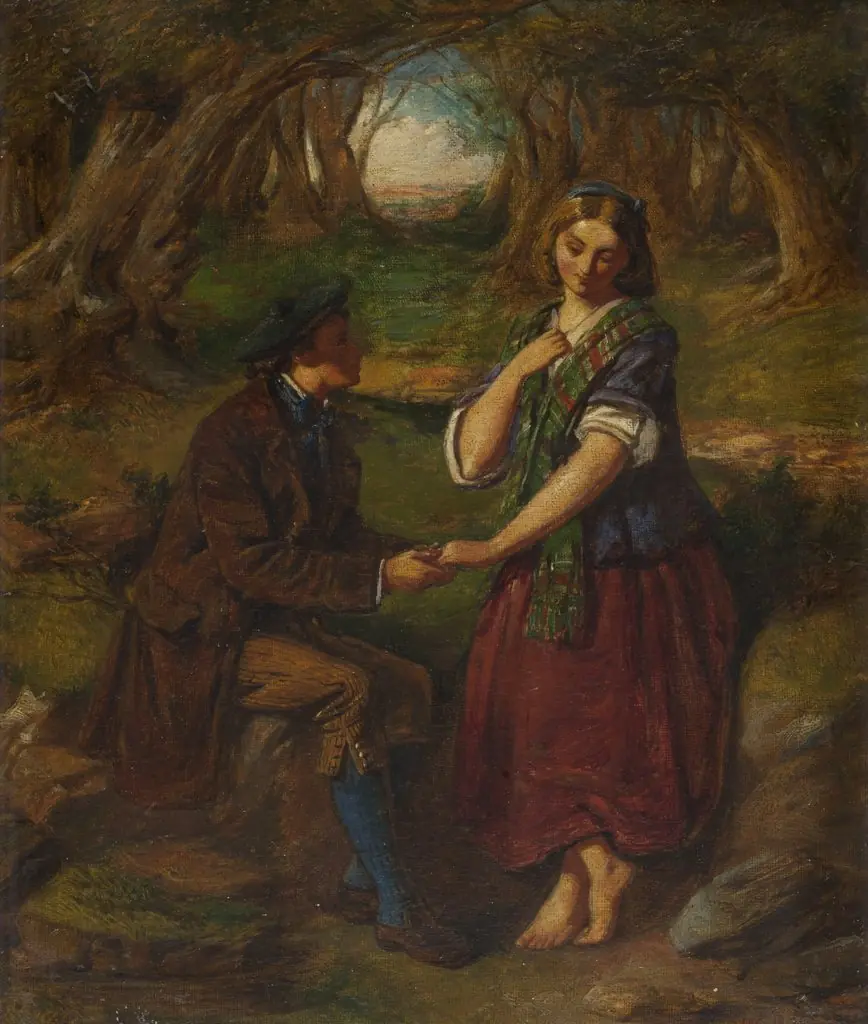 The Proposal
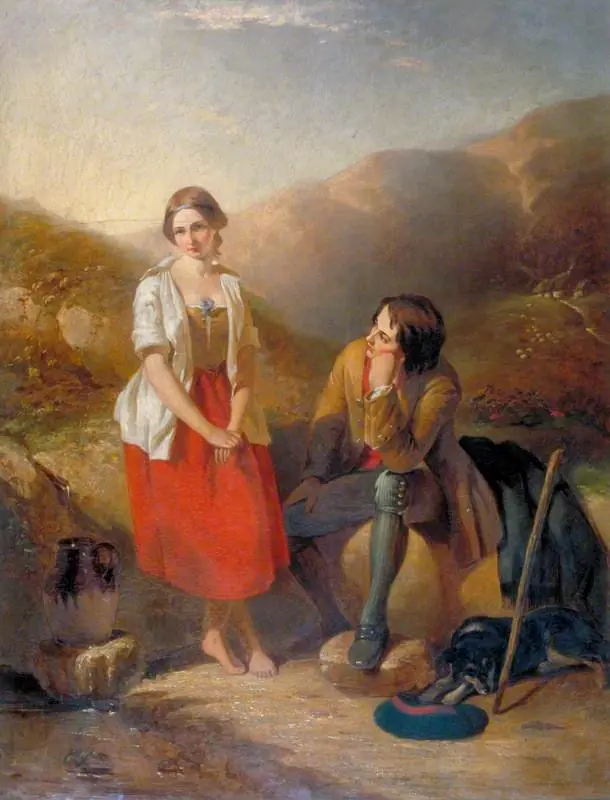 The Dawn of Love
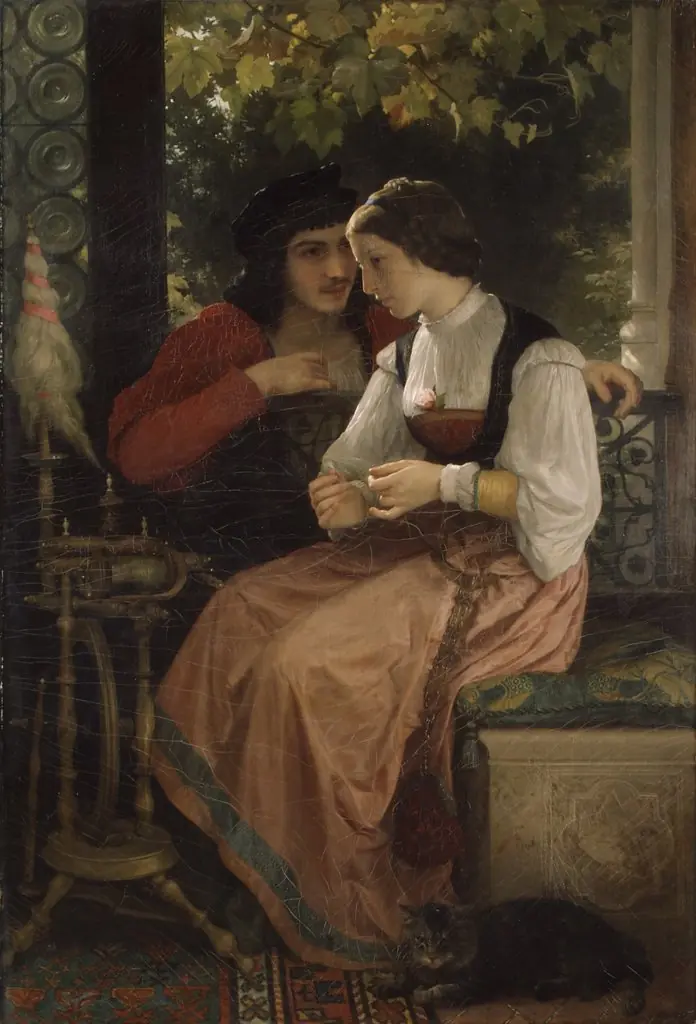 The Proposal
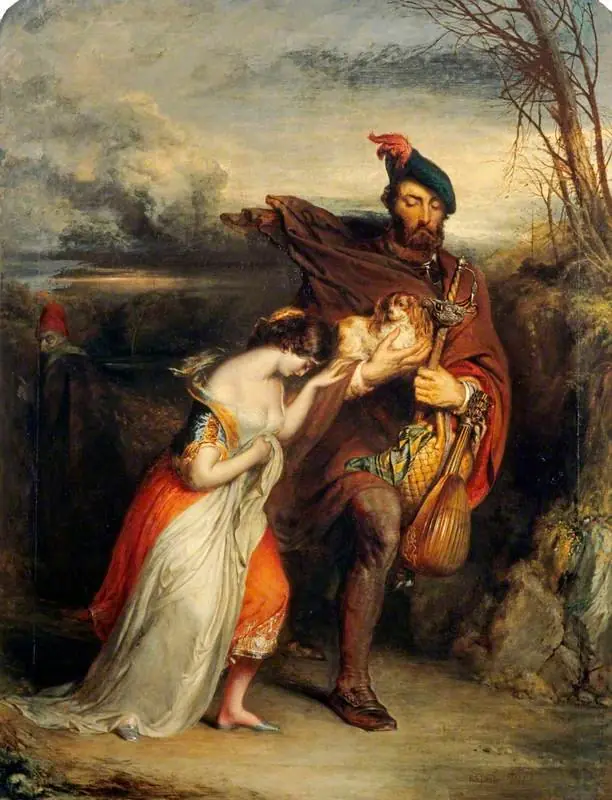 The Gow Chrom Reluctantly Conducting the Glee Maiden to a Place of Safety (from Scott's 'The Fair Maid of Perth')
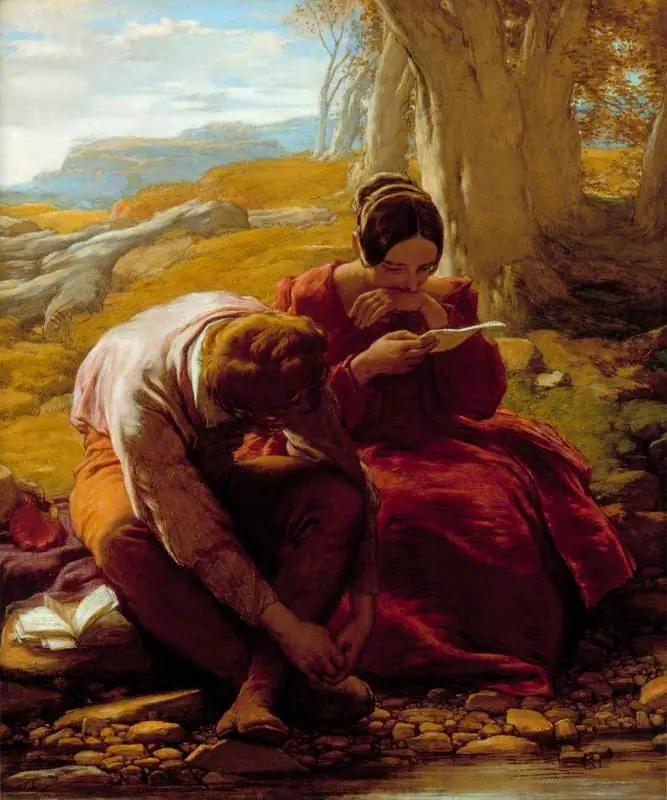 The Sonnet
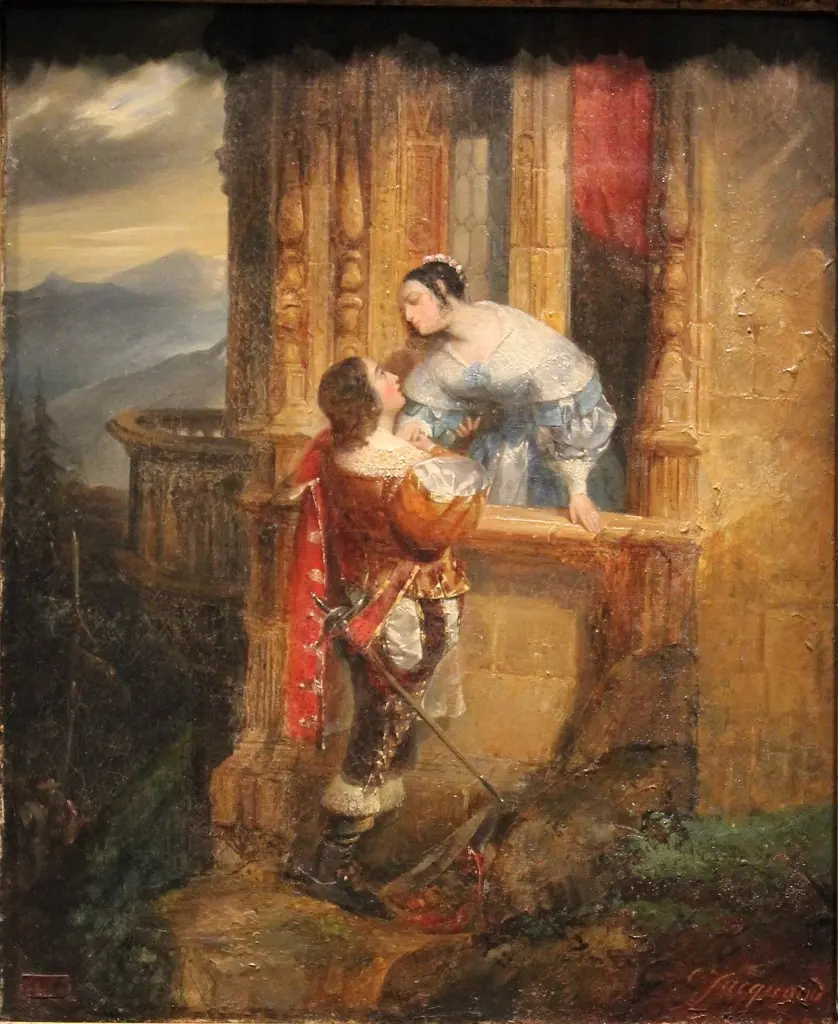 Les Adieux de Cinq-Mars à Marie d'Entraigues or le Baiser du départ
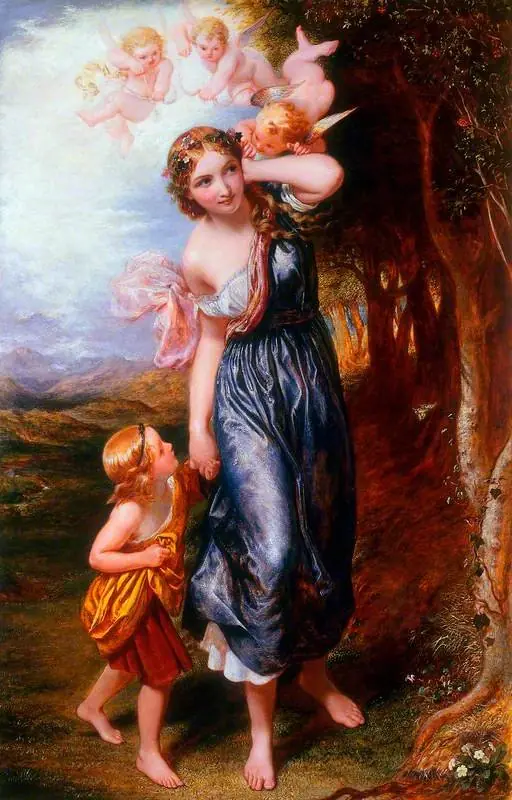 L'allegro
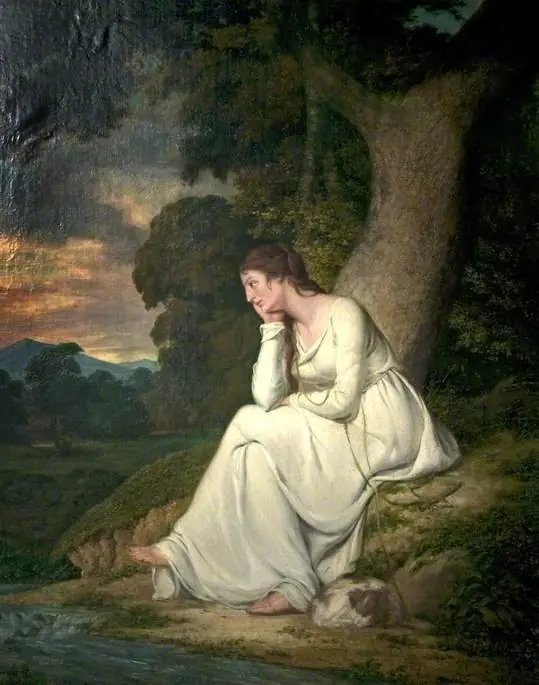 Maria and Her Dog 'Silvio'