Artwork
Lido
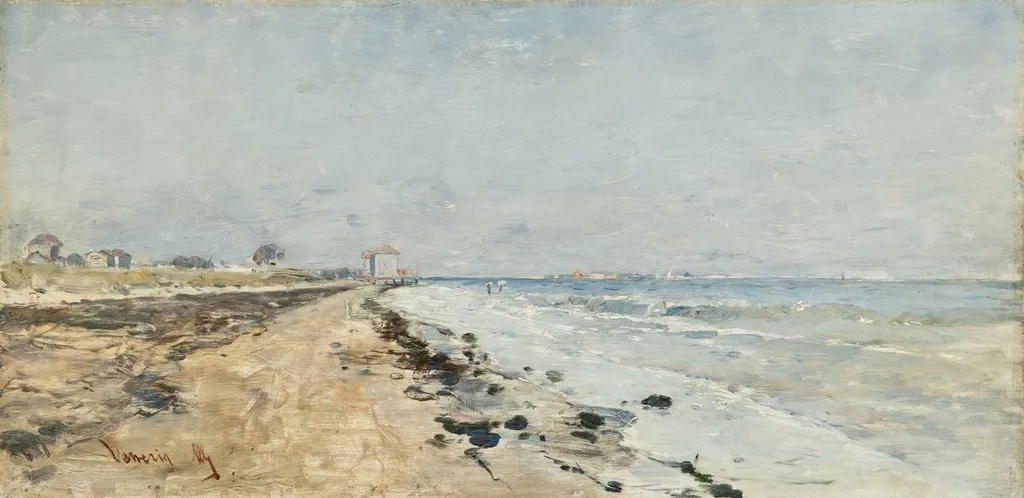
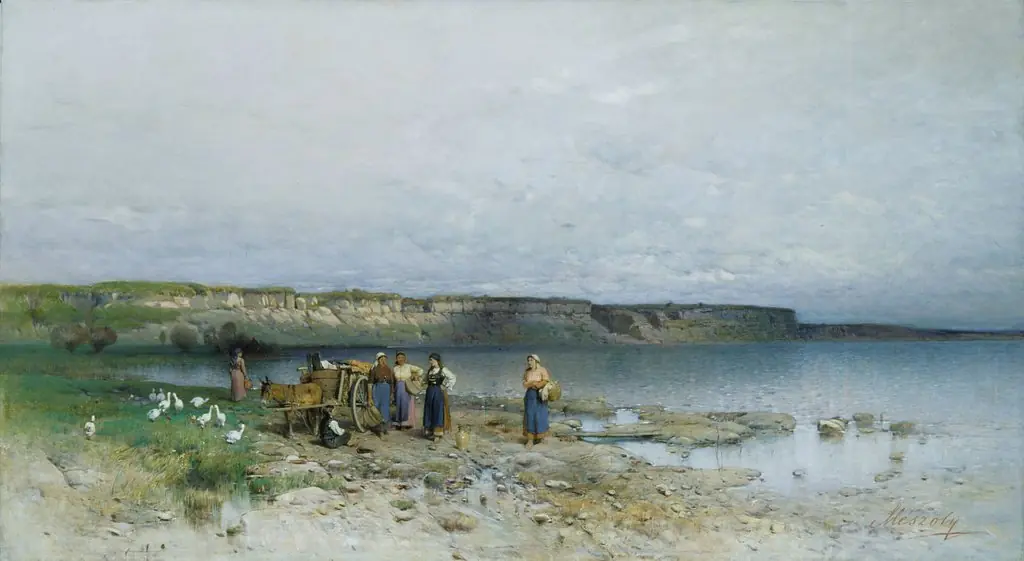
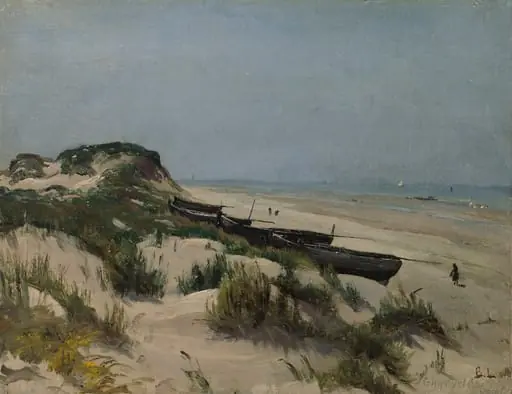
Lido is an oil painting by the Impressionist artist Géza Mészöly. It is held in the collection of the Hungarian National Gallery.
About this work
Overview
It reflects the artist’s engagement with Impressionist approaches to light and atmosphere, though rooted in a distinctly Central European sensibility.
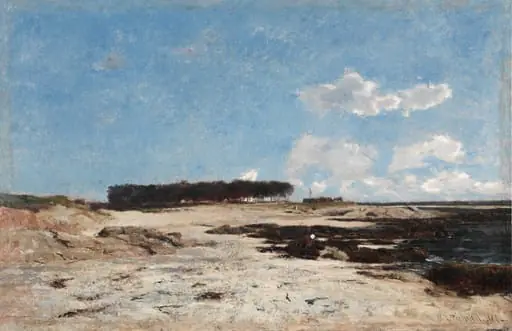
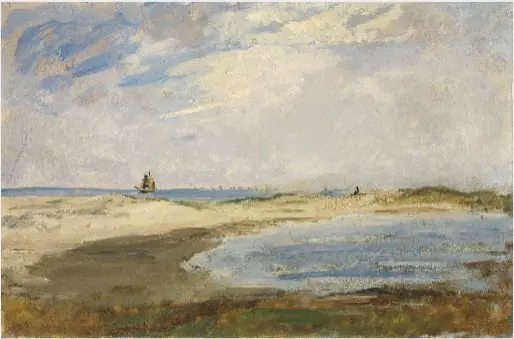
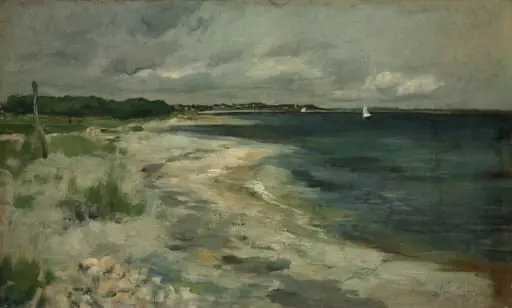
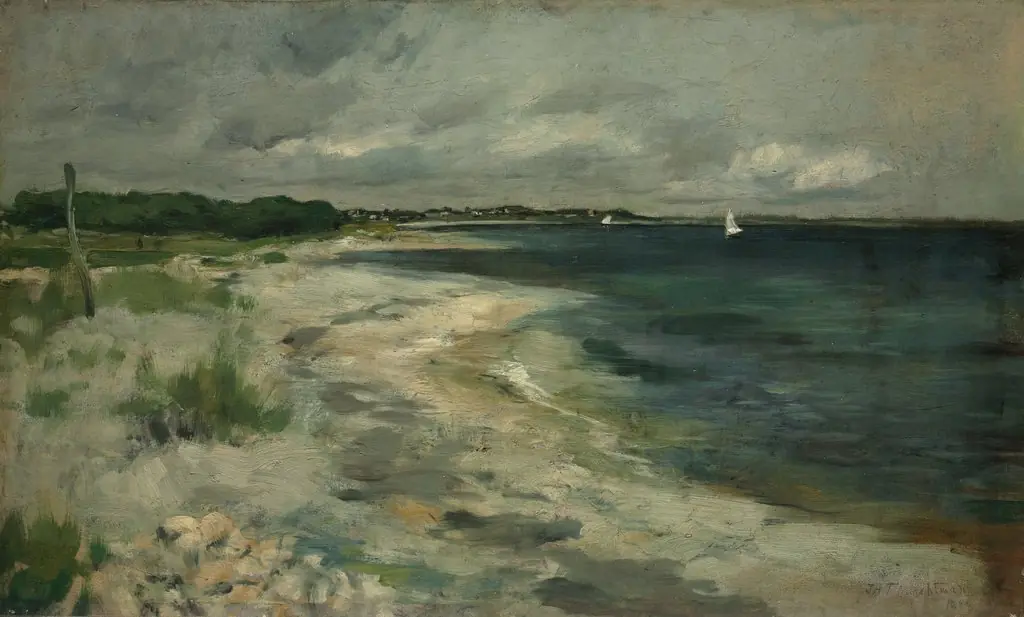
Painted in 1892 by Hungarian artist Géza Mészöly, *Lido* is an oil-on-canvas landscape capturing a quiet coastal stretch. It reflects the artist’s engagement with Impressionist approaches to light and atmosphere, though rooted in a distinctly Central European sensibility. The work is part of the permanent collection of the Hungarian National Gallery in Budapest, where it represents a key example of late 19th-century Hungarian landscape painting.
Subject & Meaning
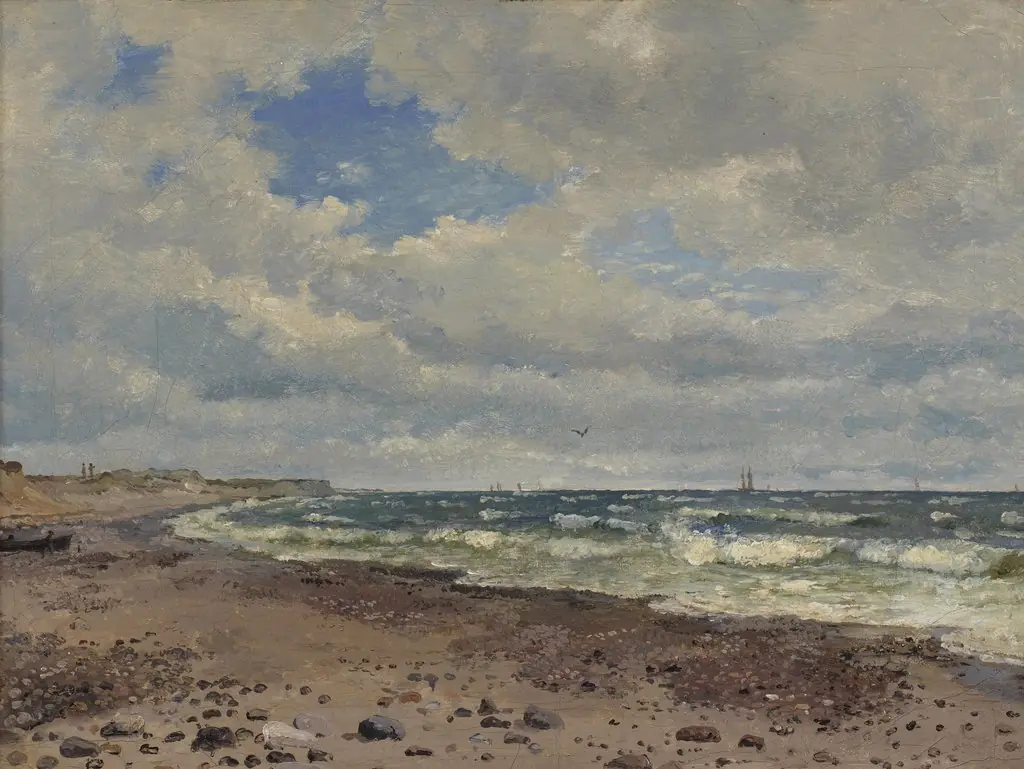
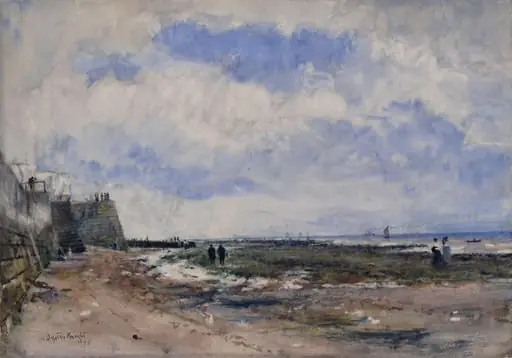
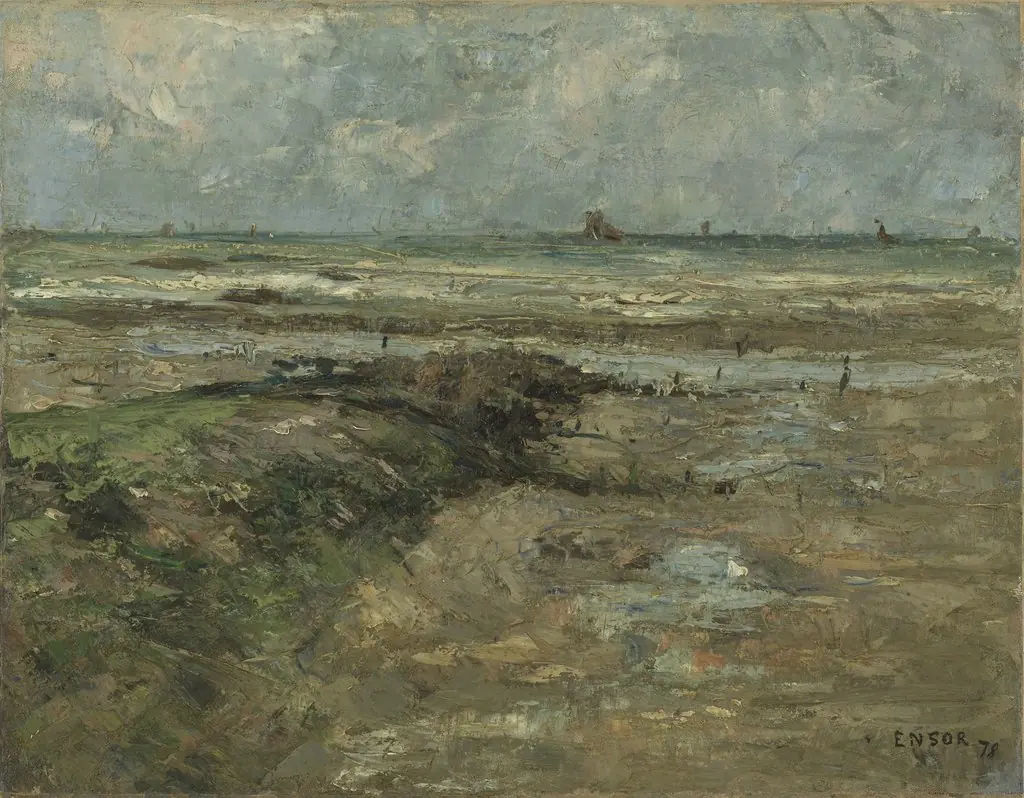
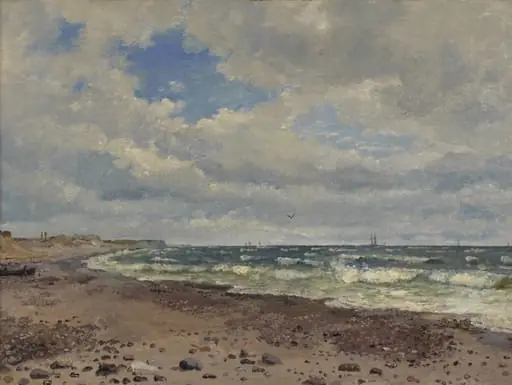
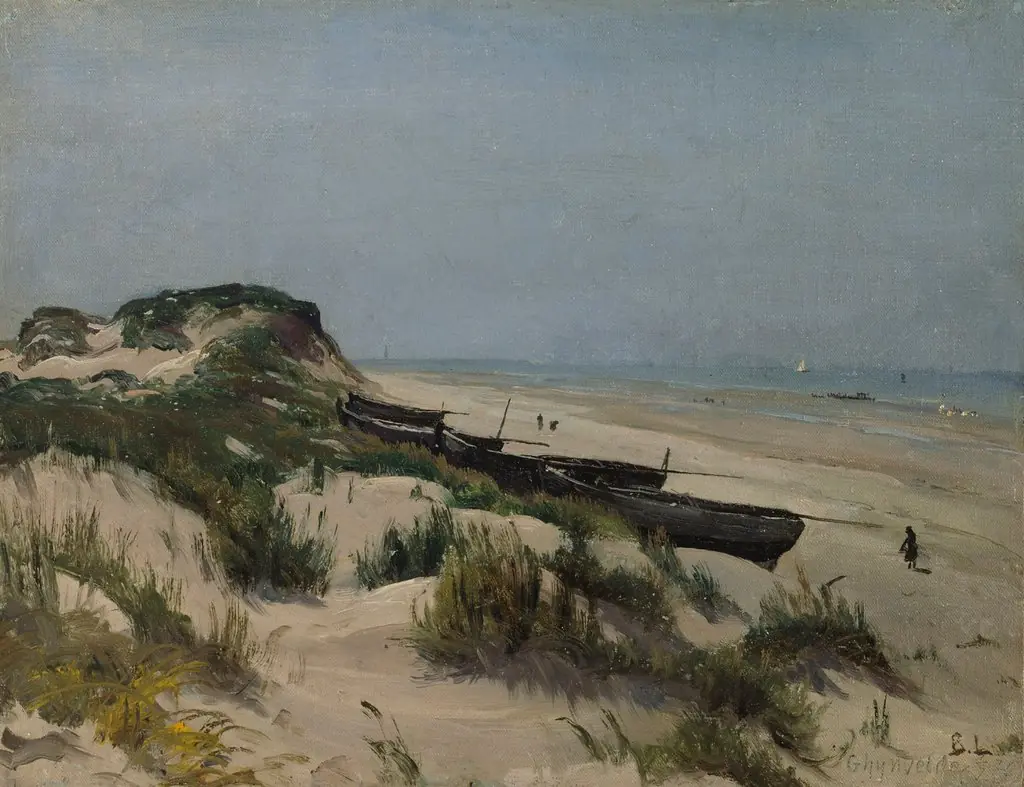
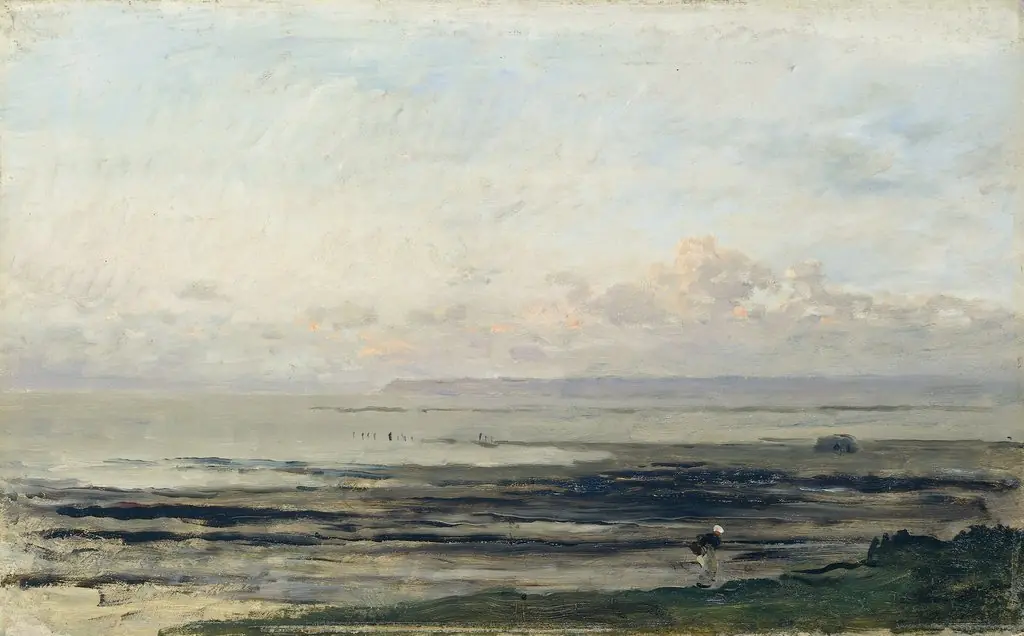
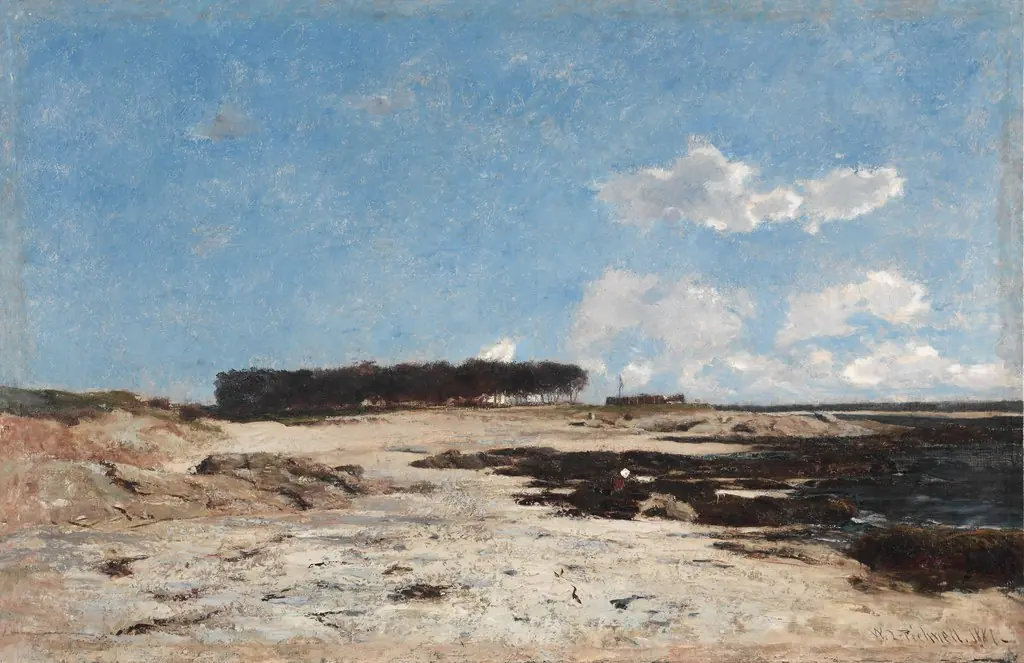
The painting presents a tranquil shoreline with a gently receding beach on the left and a still sea on the right. Distant, low structures hint at human habitation without disrupting the natural calm. The scene avoids narrative or drama, instead emphasizing quietude and the subtle interplay between land, water, and sky. This restraint suggests a contemplative observation of place rather than a dramatic statement.
Technique & Style
Mészöly employed soft, blended brushwork to render the horizon and water, minimizing sharp edges to enhance atmospheric cohesion. Color transitions are muted and harmonious, with pale blues, grays, and warm sands creating depth without contrast. The technique avoids the broken brushstrokes typical of French Impressionism, favoring a smoother, more controlled application that aligns with a regional interpretation of light and mood.
History & Provenance
Completed in 1892, *Lido* entered the Hungarian National Gallery’s collection in the early 20th century, likely through state acquisition or donation. It has remained in public ownership since, with no documented private ownership or international exhibition history. Its consistent presence in the gallery underscores its recognized role in the national art narrative of the period.
Context
Mészöly painted *Lido* during a time when Hungarian artists were increasingly engaging with European trends, particularly Impressionism, while seeking to define a local visual identity. Coastal scenes like this were uncommon in Hungarian art, making *Lido* a rare depiction of Adriatic shores. Its creation coincided with broader cultural efforts to connect Hungary with Mediterranean and Central European artistic currents.
Legacy
Though not widely reproduced or internationally known, *Lido* remains a significant example of Hungarian Impressionist landscape painting. It illustrates how regional artists adapted broader movements to suit local subjects and temperaments. Within Hungary, it continues to be referenced in studies of national art development, valued for its quiet integrity and technical restraint.
Artist & collection

Artist
Géza Mészöly (18 May 1844 in Sárbogárd – 12 November 1887 in Jobbágyi, Nógrád County) was a Hungarian landscape painter.