Artwork
Chateau Brissac, Maine-et-Loire
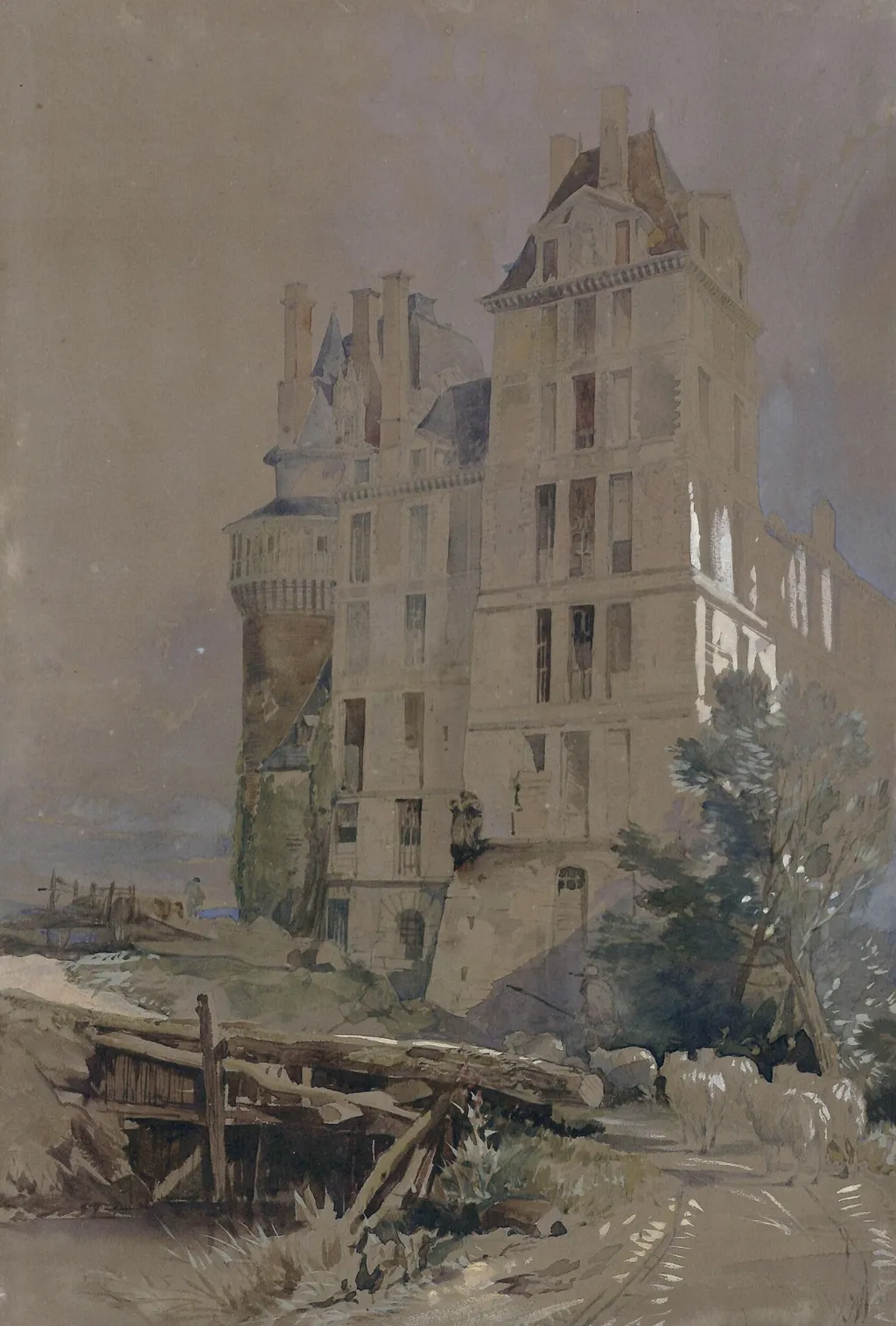
Chateau Brissac, Maine-et-Loire is a watercolor work on paper by the Romanticist artist William James Müller. It dates from 1840 and is held in the collection of the Victoria and Albert Museum. William Muller’s 1840 watercolour presents the Château de Brissac in Maine‑et‑Loire as a solitary ruin perched on a rocky outcrop.
About this work
Overview
William Muller’s 1840 watercolour presents the Château de Brissac in Maine‑et‑Loire as a solitary ruin perched on a rocky outcrop. The composition frames the dilapidated structure against a muted sky, with a low wooden fence and sparse trees providing a modest foreground. The work is signed and dated by the artist, confirming its creation in the early nineteenth century.
Subject & Meaning
The painting captures the château in a state of decay, its broken windows, missing walls, and a tower capped by a weathered roof suggesting the passage of time and the fragility of grandeur. By emphasizing the ruin’s isolation on a cliff, Muller invites contemplation of history’s transience and the landscape’s quiet endurance.
Technique & Style
Muller employs rapid, loose brushstrokes typical of his watercolour practice, rendering the crumbling stone and uneven terrain with a sense of immediacy. Light falls unevenly across the façade, creating contrasts of brightness and shadow that heighten the texture of the ruin. The pale, hazy sky further softens the atmospheric mood.
History & Provenance
Signed and dated by Muller in 1840, the work reflects the artist’s interest in French architectural subjects during his travels. It later entered the collection of the Victoria and Albert Museum, where it remains part of the institution’s holdings of nineteenth‑century European watercolours.
Artist & collection

Artist
William James Müller (28 June 1812 – 8 September 1845), also spelt Muller, was a British landscape and figure painter, the best-known artist of the Bristol School.


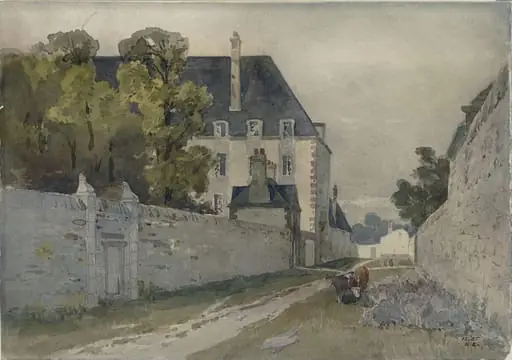 Barracks at St. Servan
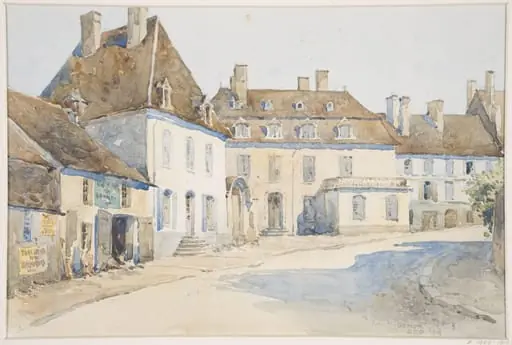 Semur, France
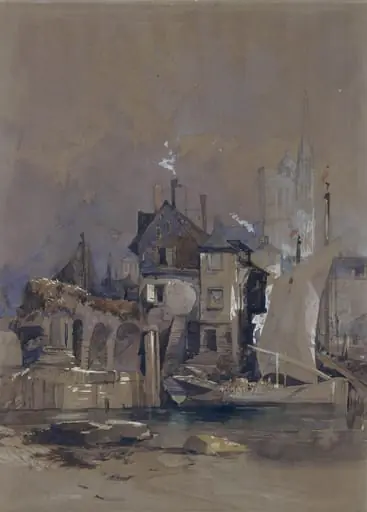 City of Angers
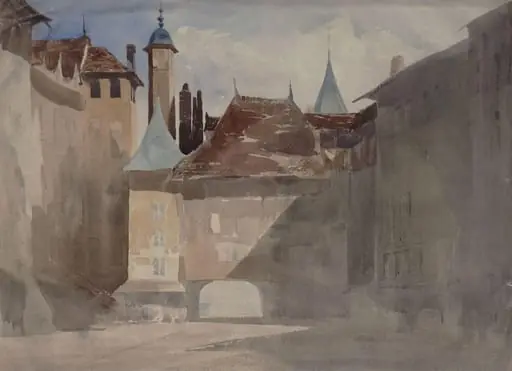 La Place du Molard, Geneva
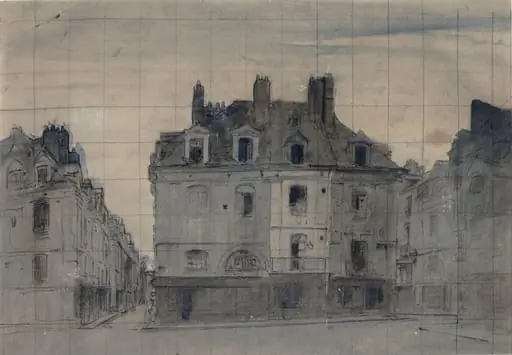 The Haunted House, Dieppe
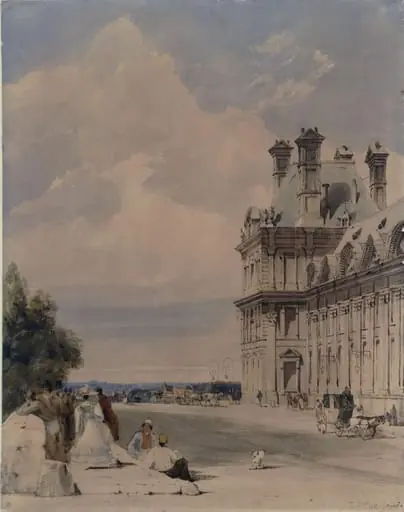 View Near the Pont Royal with the Pavillon de Flore, Tuileries
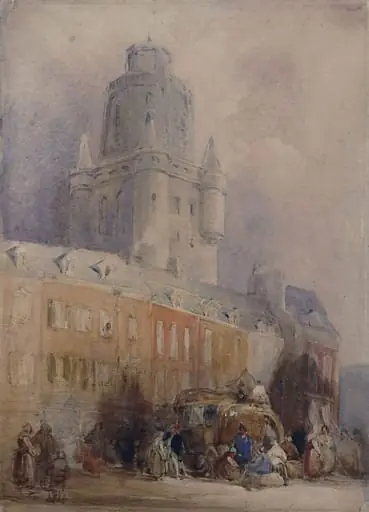 Scene in a continental town
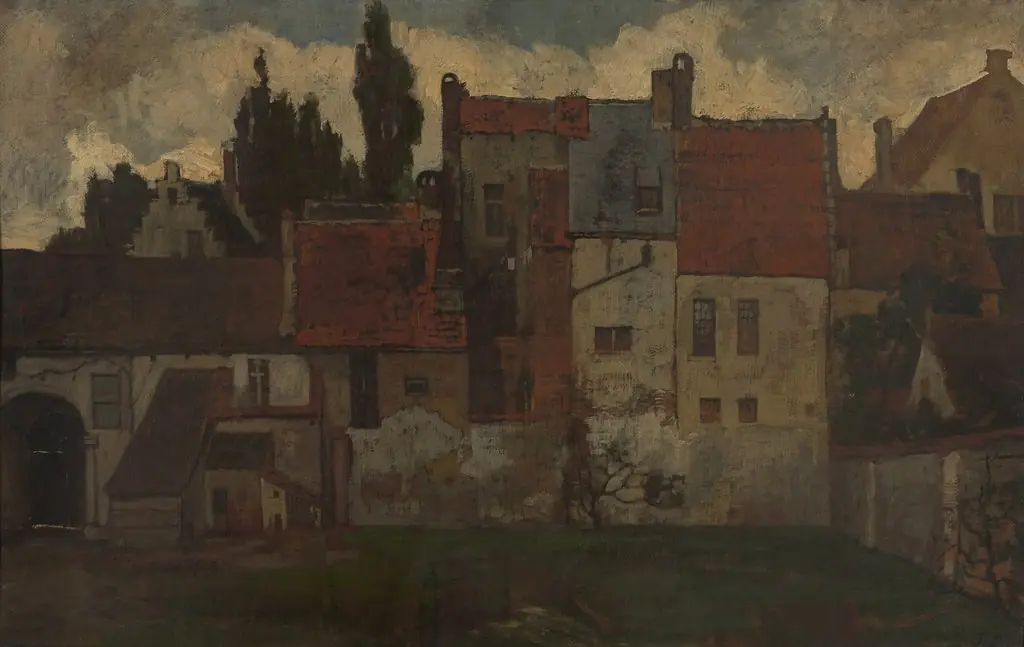 Façades
 Avignon, the Ruined Bridge
 Warrington Crescent, 1918, after the Air Raid
 Angers-Maison duc D'Anjou
 The Gendarmerie at Bourges