Artwork
A Sailing Match

A Sailing Match is an oil painting by William Mulready. It dates from 1831 and is held in the collection of the Victoria and Albert Museum.
About this work
Overview
Painted in 1831 by William Mulready, A Sailing Match is an oil-on-canvas work depicting a coastal regatta. It resides in the collection of the Victoria and Albert Museum in London. The scene captures a moment of public spectacle, with spectators lining the shore as vessels compete on the water. Mulready’s focus on everyday leisure reflects a broader 19th-century interest in civilian recreation.
Subject & Meaning
The painting portrays a recreational sailing contest, a popular pastime among the British middle class during the early 1800s. The crowd on the shore—men, women, and children—observes with varied expressions, suggesting communal engagement. No single figure dominates; instead, the emphasis lies in collective experience, subtly underscoring the social fabric of seaside leisure in the period.
Technique & Style
While not strictly using chiaroscuro, he modulates tone to differentiate surfaces: the glint of wet hulls, the froth of waves, and the fabric of clothing.
Mulready employs loose, energetic brushwork to convey motion in the water and sails. Light falls diagonally across the scene, enhancing the sense of wind and tide. While not strictly using chiaroscuro, he modulates tone to differentiate surfaces: the glint of wet hulls, the froth of waves, and the fabric of clothing. The composition directs the eye from foreground observers to the distant racing boats.
History & Provenance
Completed in 1831, the painting entered the Victoria and Albert Museum’s collection in the 19th century, likely through the South Kensington Museum’s early acquisitions of British genre works. It has remained in public custody since, with no documented private ownership after its initial exhibition. Its preservation reflects institutional interest in domestic scenes of the era.
Context
During the 1830s, sailing regattas grew in popularity as Britain’s maritime culture expanded. Middle-class families increasingly visited coastal towns for recreation, and artists like Mulready responded with scenes of these new social rituals. The painting aligns with a trend in British art that elevated ordinary life over mythological or aristocratic subjects.
Legacy
A Sailing Match contributed to the recognition of genre painting in Britain as a legitimate subject for serious art. Though Mulready is less known today than contemporaries like Constable or Turner, this work remains a documented example of how everyday coastal life was visually recorded and preserved in public collections during the Victorian era.
Artist & collection
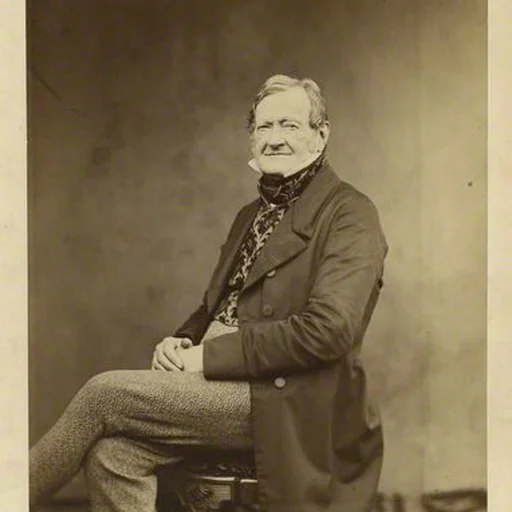
Artist
William Mulready was an Irish genre painter living in London. He is best known for his romanticising depictions of rural scenes, and for creating Mulready stationery letter sheets, issued at the same time as the Penny Black postage stamp.




 A Sailing Match
 Cottage Children
 Crossing the Stepping Stones
 L'allegro
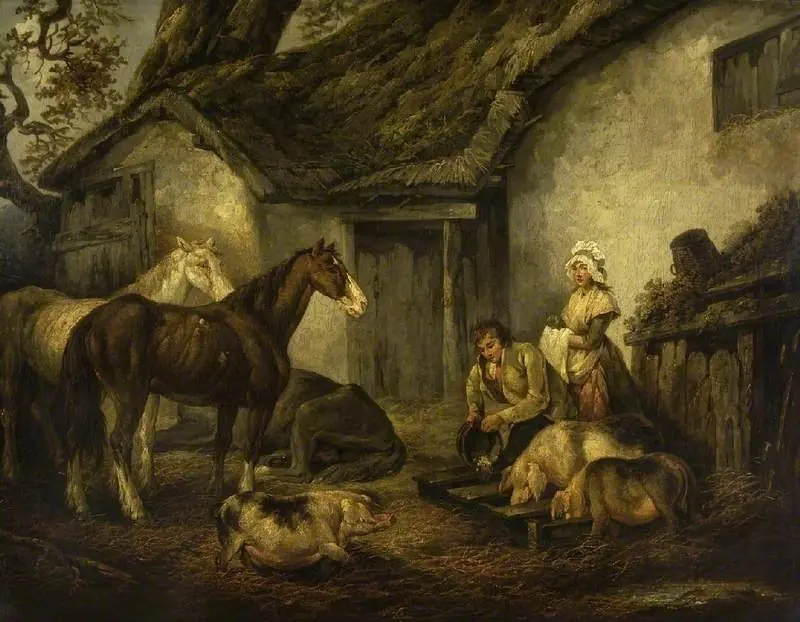 The Farmyard
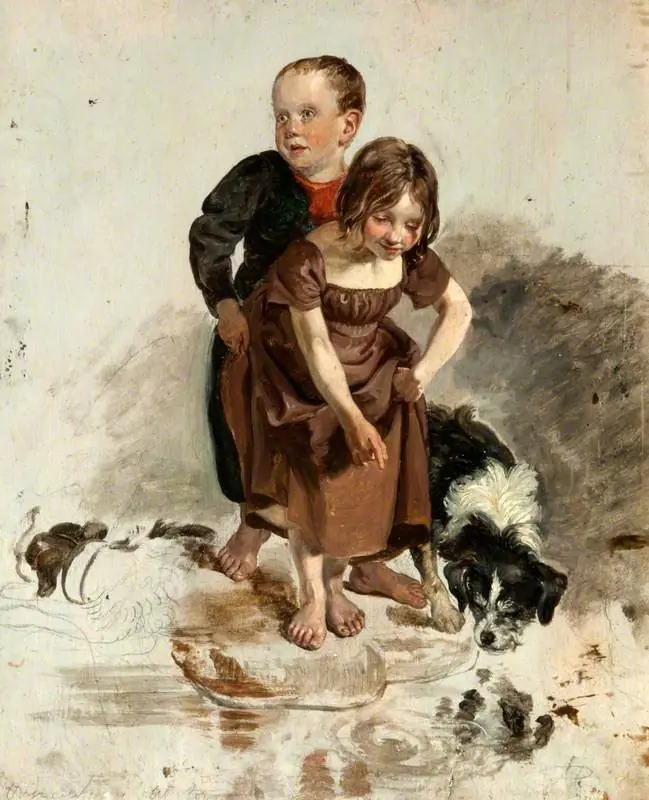 A Boy and a Girl with a Collie Dog Standing by a Stream (study for 'The Covenanters' Baptism')
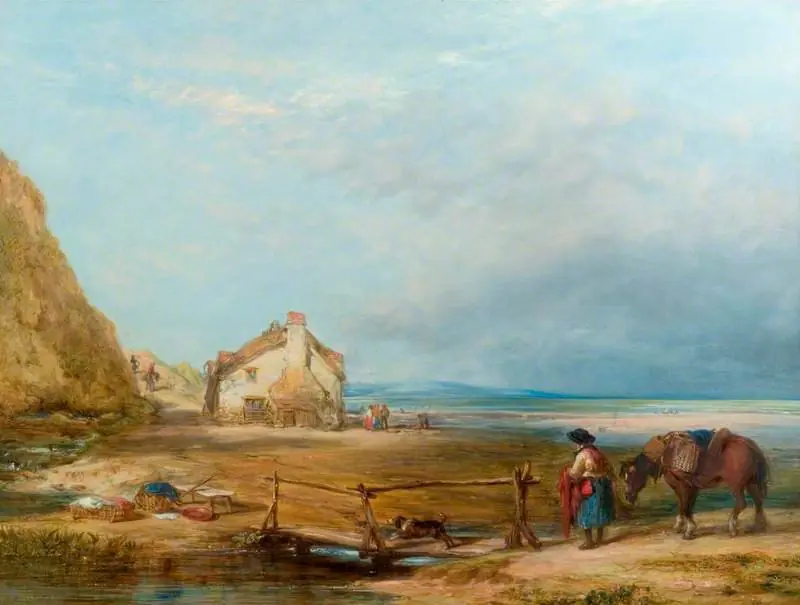 Hall Sands, Devonshire
 Encampment of Gipsies
 Wooded Glen
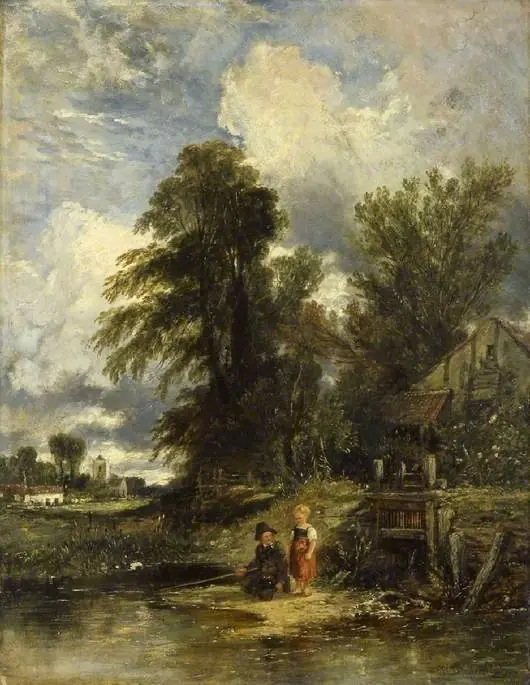 Millpond with children fishing
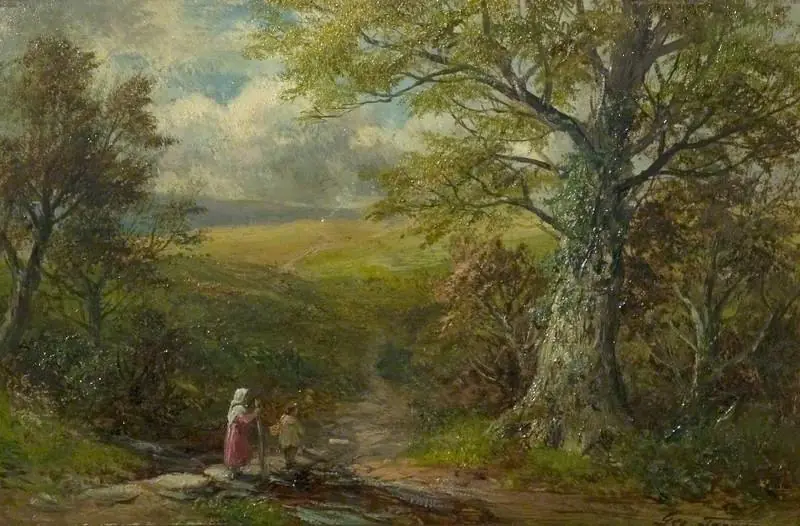 Crossing the Stepping Stones
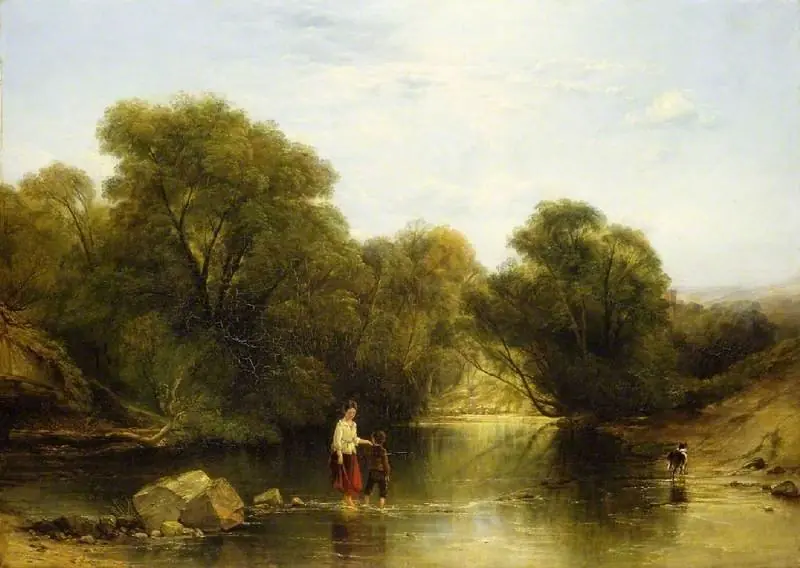 Crossing the stream (1849)