Artwork
Thomas John Dibdin
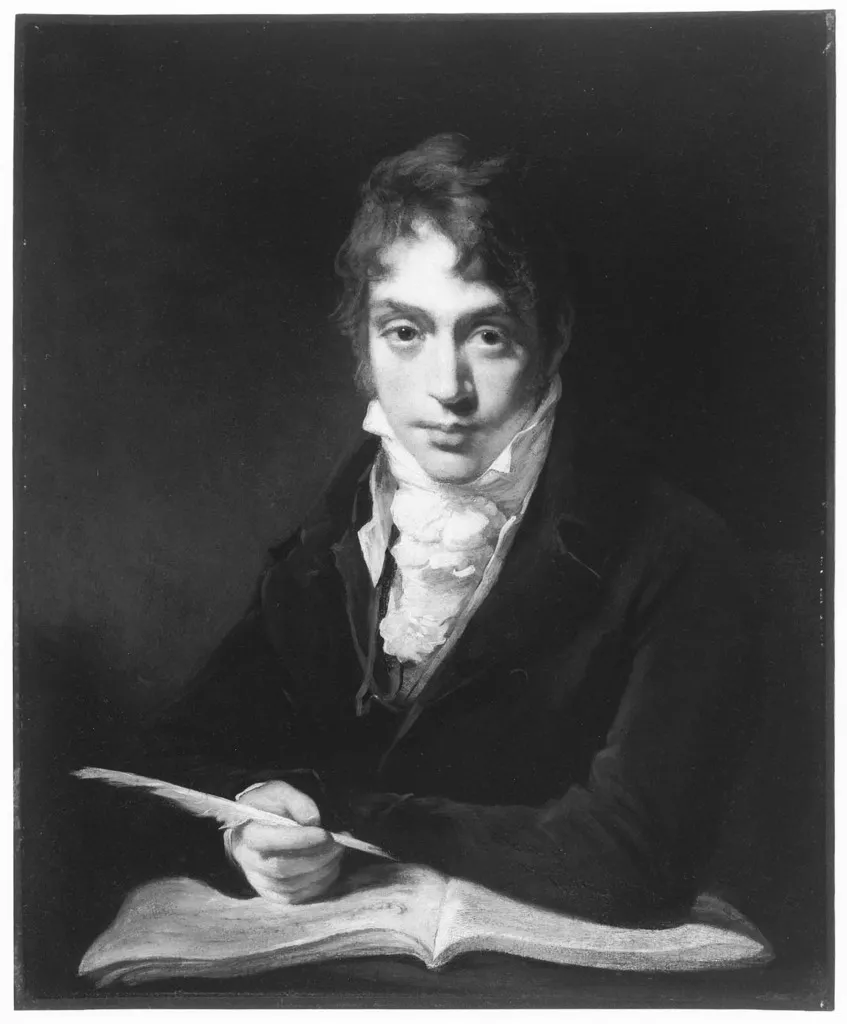
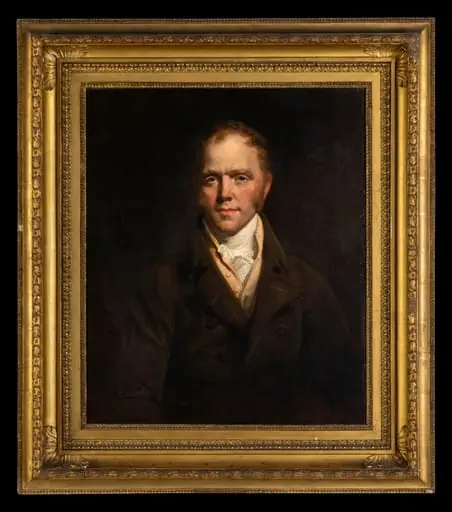
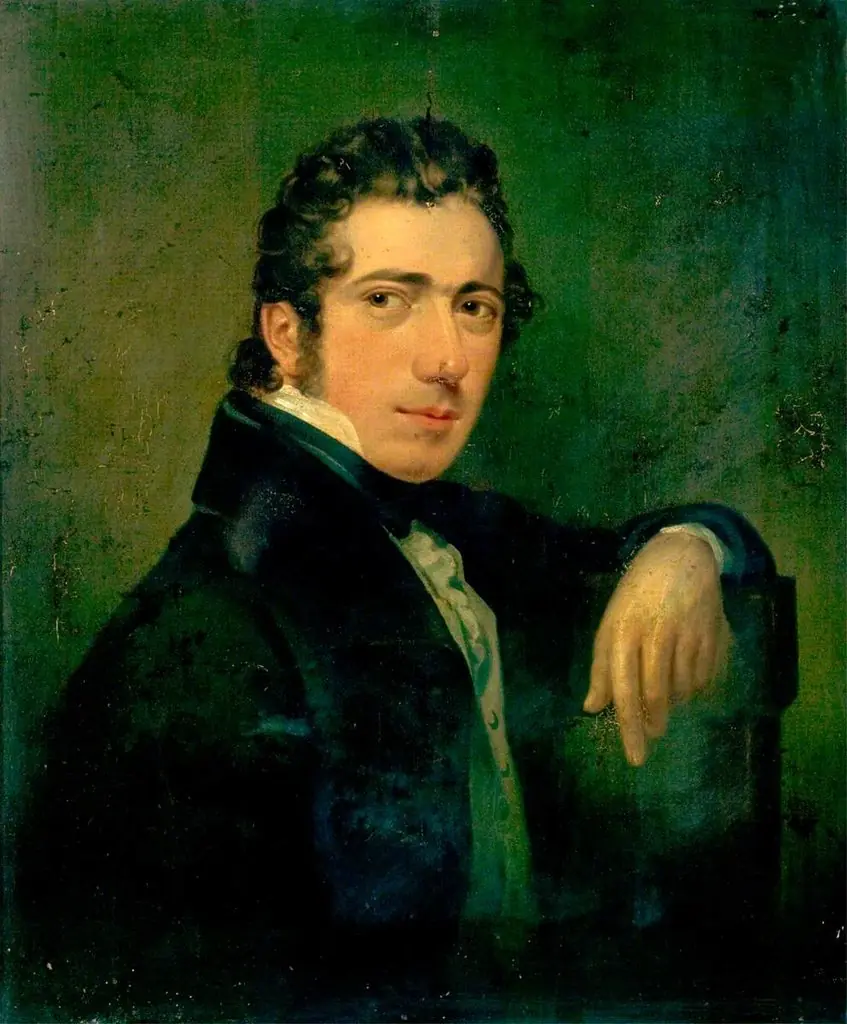
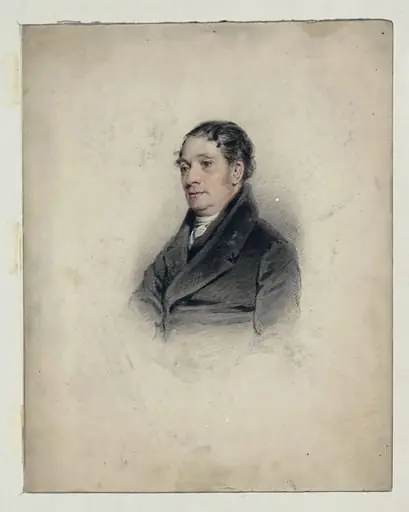
Thomas John Dibdin is an oil painting by William Owen. It dates from 1807 and is held in the collection of the Museum of Fine Arts Boston.
About this work
Overview
This oil portrait, created circa 1807 by English artist William Owen, captures Thomas John Dibdin, a noted writer and lyricist of the early 19th century.
This oil portrait, created circa 1807 by English artist William Owen, captures Thomas John Dibdin, a noted writer and lyricist of the early 19th century. Rendered in a restrained, formal style typical of Owen’s portraiture, the image presents Dibdin in a moment of quiet concentration. The painting is part of the Museum of Fine Arts, Boston’s collection, reflecting its significance as a record of British cultural figures of the period.
Subject & Meaning
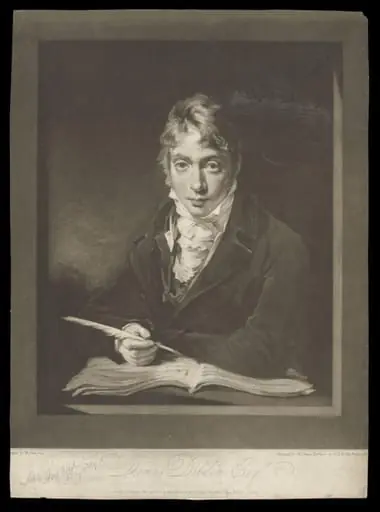
Thomas John Dibdin is depicted as a man immersed in intellectual labor, seated at a desk with a quill poised above an open book. His dark clothing and crisp white cravat signal professional status, while his direct gaze invites the viewer into a silent exchange. The composition avoids theatricality, emphasizing dignity and quiet industry—qualities associated with literary figures of the era.
Technique & Style
Owen employs chiaroscuro to model the subject’s face and hands, lending them three-dimensional presence against a deep, unbroken background. The brushwork is precise but unobtrusive, favoring clarity over ornamentation. The dark tones of the attire contrast subtly with the lighter tones of the cravat and skin, guiding focus to the hands and expression—key indicators of the subject’s intellectual engagement.
History & Provenance
Painted during Owen’s active years as a portraitist of British elites, the work likely originated in London’s cultural circles. Dibdin, known for his theatrical writings, would have been a recognizable figure among contemporaries. The painting entered the Museum of Fine Arts, Boston’s collection in the 20th century, where it remains as part of its holdings of British portraiture.
Context
In early 19th-century Britain, portraiture often served to affirm social and professional identity. Dibdin’s depiction aligns with a broader trend of portraying writers and artists in moments of quiet work, distinguishing them from aristocratic sitters. Owen’s approach reflects the era’s preference for restrained realism over romanticized grandeur, capturing the dignity of intellectual labor.
Legacy
The portrait endures as a visual document of a lesser-known but influential literary figure. While Owen’s name has faded from popular memory, his work preserves the appearance and demeanor of individuals who shaped British cultural life. This painting contributes to the historical record of how writers were visually represented in an age before photography.
Artist & collection
Artist
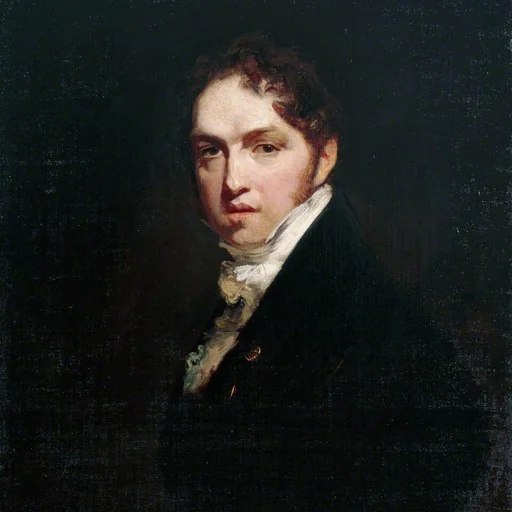
William Owen (baptised 3 November 1769 – buried 19 March 1825) was an English portrait painter known for his portraits of society figures such as William Pitt the Younger and George, Prince of Wales (later King George IV).