Artwork
William Drayton
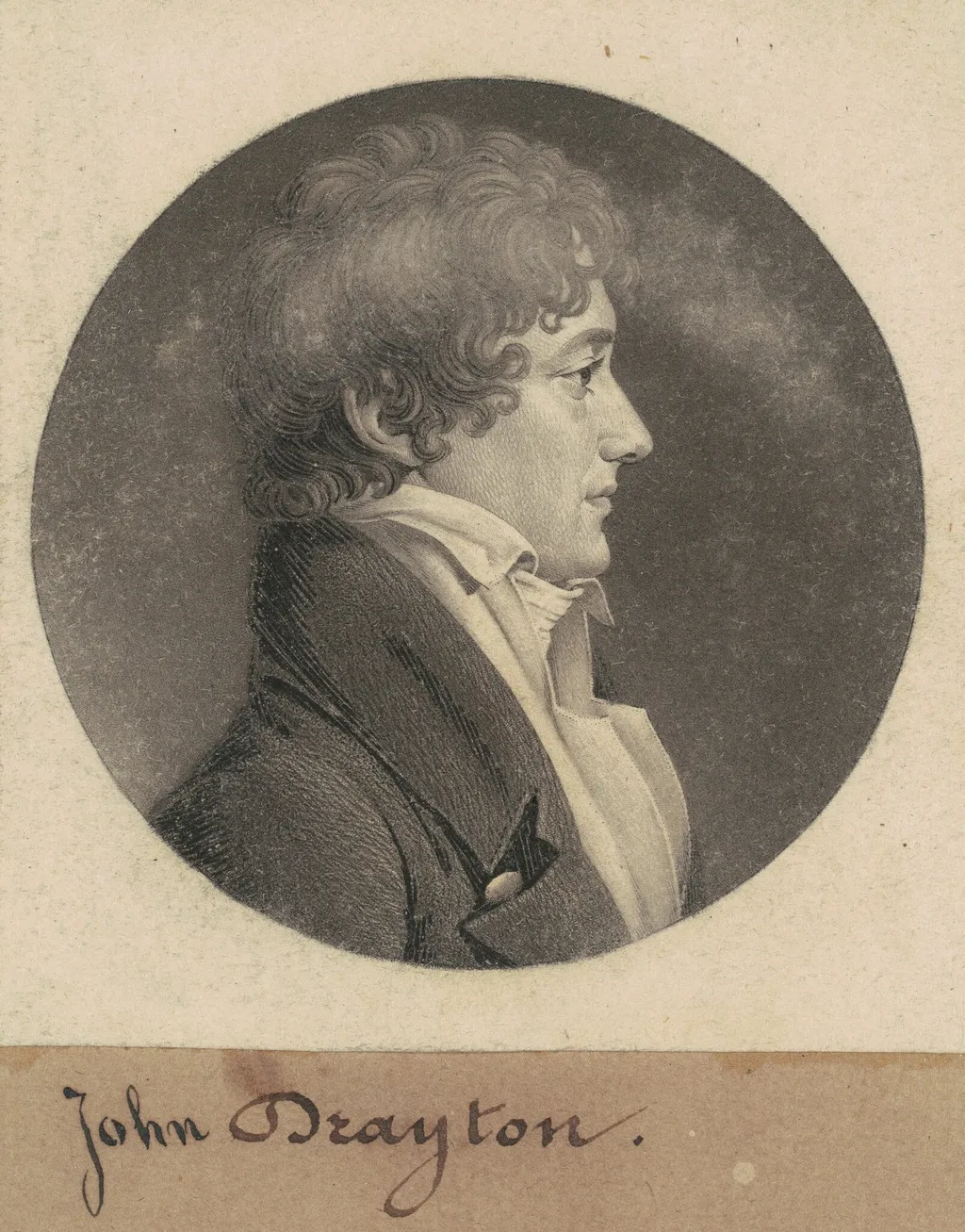
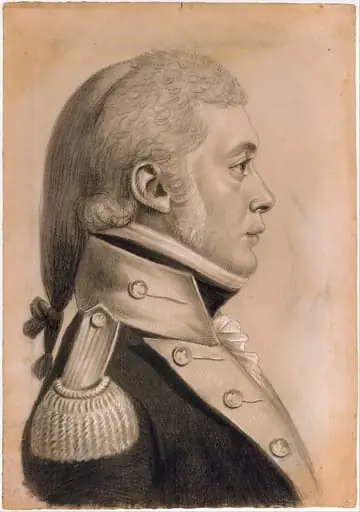
William Drayton is an ink print by the Romanticist artist Charles Balthazar Julien Févret de Saint-Mémin. It dates from 1809 and is held in the collection of the National Gallery of Art. Created in 1809, this diminutive print measures just 5.
About this work
You can learn more about the artist who made this portrait by looking up Saint-Mémin, Charles B.
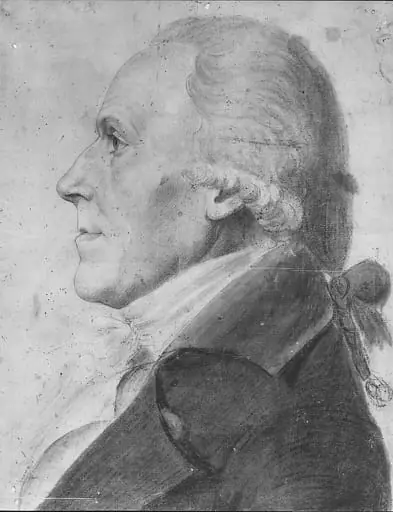
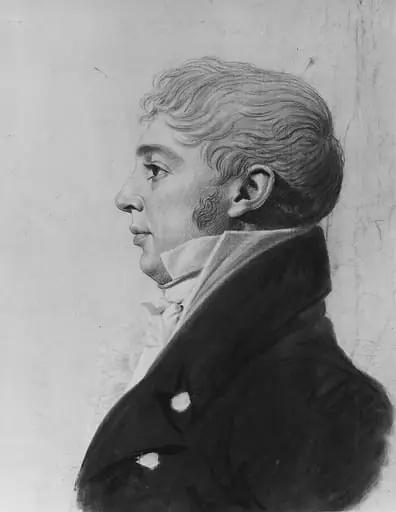
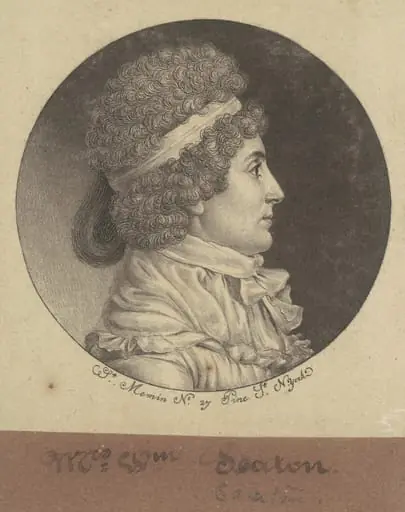
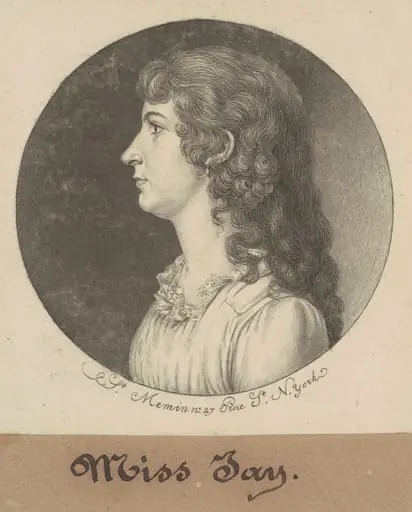
This portrait shows a man with a serious face.
He's dressed in old-fashioned clothes.
The artist used a lot of detail to make the portrait look realistic.
The portrait is small, only about 5.7 cm square.
It was made a long time ago, in 1809.
The artist used a special technique to create the image.
You can learn more about the artist who made this portrait by looking up Saint-Mémin, Charles B. J. Févret de.
Overview
Created in 1809, this diminutive print measures just 5.72 by 5.72 centimetres. It presents a likeness of William Drayton, rendered in stark black on wove paper that has been affixed to a brown‑toned backing. The work exemplifies the early‑nineteenth‑century interest in portable, highly detailed portraiture, offering a concise yet precise visual record of its sitter.
Technique & Style
The image was produced through a combination of mezzotint and engraving, a hybrid method that allows for deep tonal variation alongside fine linear detail. The artist applied the ink to a prepared wove paper surface, then mounted the print onto a contrasting brown sheet, enhancing the visual depth and preserving the delicate gradations characteristic of mezzotint shading.
Subject & Meaning
The portrait depicts William Drayton with a solemn expression, dressed in attire that reflects the fashion of an earlier era. The careful rendering of facial features and clothing suggests an intention to convey the sitter’s dignity and social standing, while the restrained composition focuses attention on his visage rather than decorative background elements.
History & Provenance
Attributed to Charles B. J. Févret de Saint‑Mémin, a French artist known for his portrait prints, the work dates to a period when such images were often exchanged among intellectual and political circles. Though specific ownership records are limited, the print’s survival on mounted paper indicates it was valued enough to be preserved, likely circulating among collectors of portraiture in the early 1800s.
Artist & collection

Artist
Charles Balthazar Julien Févret de Saint-Mémin
Charles Balthazar Julien Févret de Saint-Mémin (French pronunciation: ; 1770–1852) was a French portrait painter and museum director.