Artwork
The Artist's Model
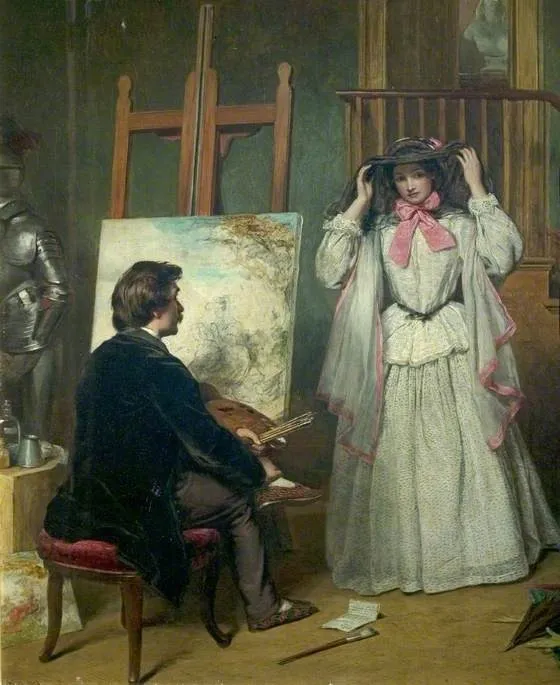
The Artist's Model is an oil painting by William Powell Frith. It dates from 1856 and is held in the collection of the Derby Museum and Art Gallery.
About this work
Overview
Painted in 1856 by William Powell Frith, this oil work depicts a studio scene centered on an artist and his model. The composition captures a quiet, focused interlude during a sitting, with tools of the trade scattered around. The painting resides in the Derby Museum and Art Gallery, where it remains a quiet testament to 19th-century artistic practice and the dynamics of the studio environment.
Subject & Meaning
The scene portrays a male artist seated with palette and brushes, engaged in his work, while a female model stands before him, adjusting her hat.
The scene portrays a male artist seated with palette and brushes, engaged in his work, while a female model stands before him, adjusting her hat. Their interaction is restrained, suggesting mutual professional respect rather than theatricality. The model’s poised gesture and the artist’s absorbed attention imply a shared commitment to the act of creation, emphasizing the dignity of both roles within the artistic process.
Technique & Style
Frith employs chiaroscuro to define form and spatial depth, directing light toward the model’s white dress and the artist’s hands, while shadows soften the surrounding clutter. The rendering of textures—fabric, metal armor, wood, and canvas—is precise, reflecting academic training. The composition avoids dramatic flair, favoring a calm, observational realism that aligns with mid-Victorian sensibilities toward domestic and professional order.
History & Provenance
Completed in 1856, the painting entered the collection of Derby Museum and Art Gallery in the late 19th century. Its acquisition reflects the institution’s early interest in contemporary British art. No significant changes in ownership are recorded, and it has remained in Derby since its arrival, consistently displayed as part of the gallery’s core 19th-century holdings.
Context
In mid-19th-century Britain, studio scenes gained popularity as subjects that legitimized art as a respectable profession. Frith’s work aligns with this trend, presenting the artist’s workspace as a place of quiet discipline. The inclusion of armor and other curiosities hints at the eclectic collections common among artists of the period, who often surrounded themselves with objects for inspiration and display.
Legacy
Though not widely reproduced, the painting endures as a thoughtful record of artistic labor in Victorian England. It contributes to the understanding of how artists portrayed their own practice—not as romanticized genius, but as a structured, daily engagement with form and presence. Its quiet realism continues to inform interpretations of studio culture in 19th-century British art.
Artist & collection
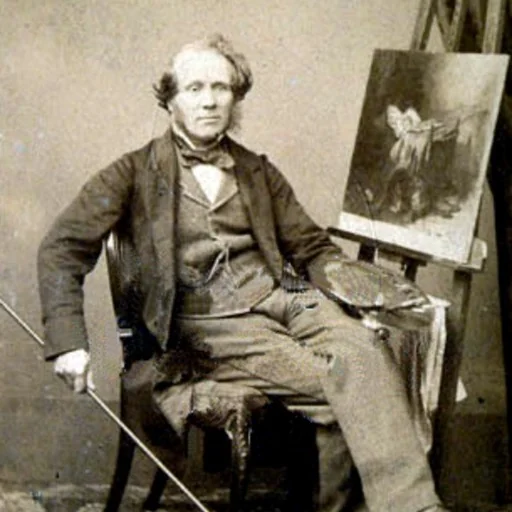
Artist
William Powell Frith was an English painter specialising in genre subjects and panoramic narrative works of life in the Victorian era.

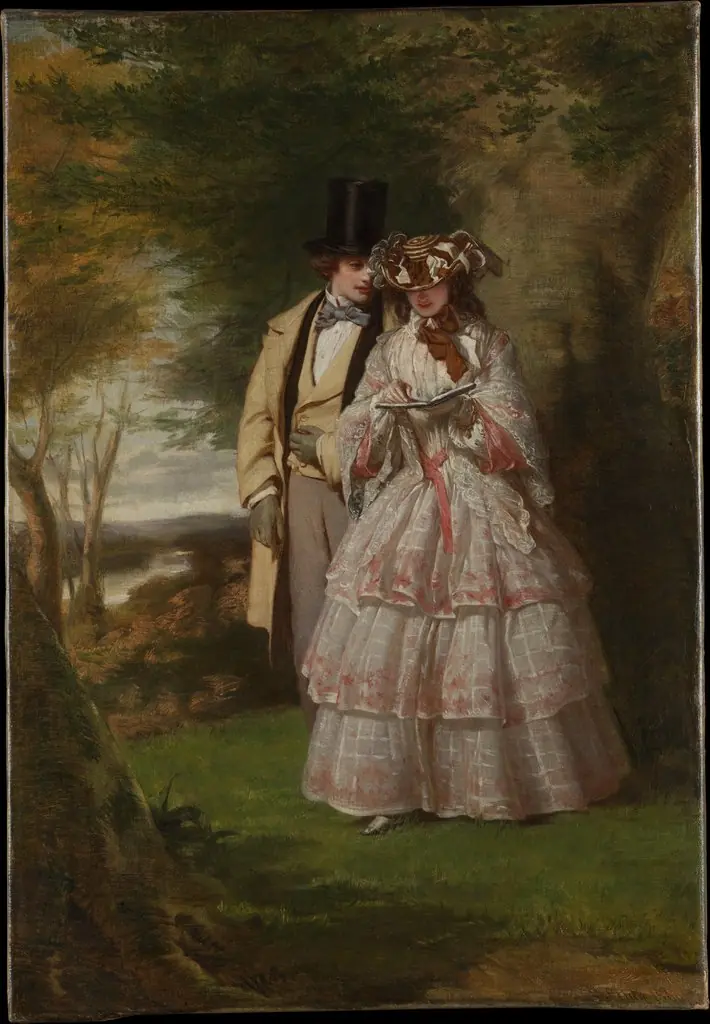 The Two Central Figures in "Derby Day"
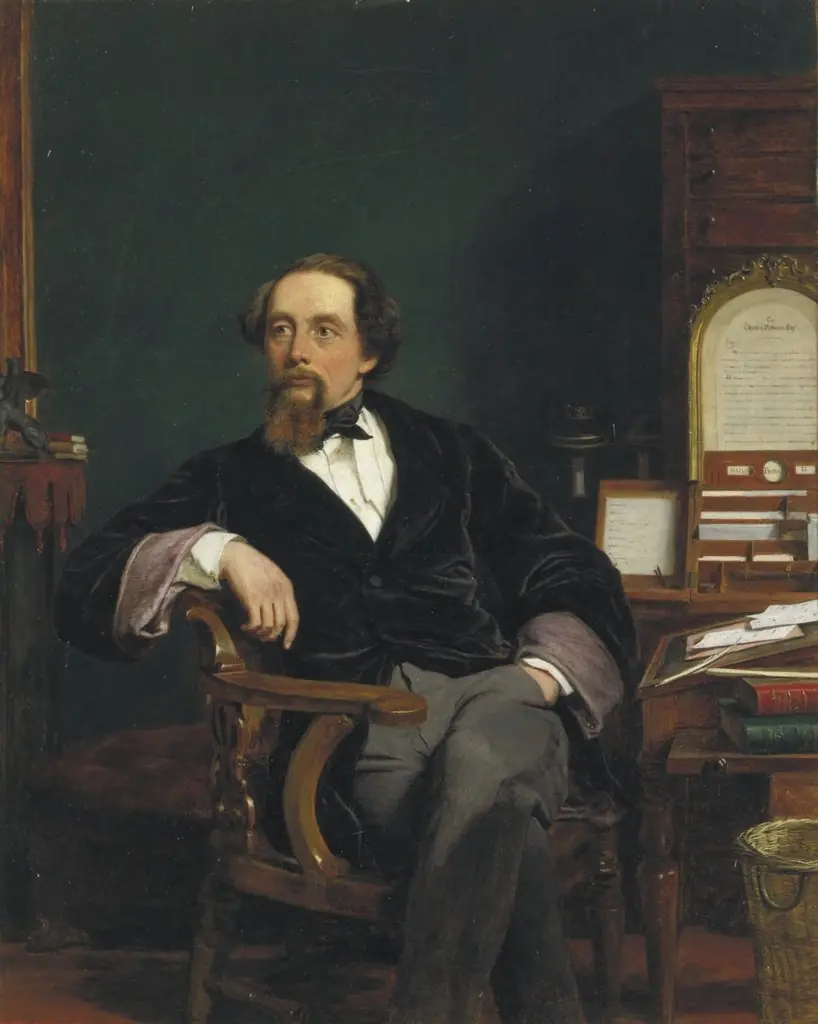 Charles Dickens in his Study
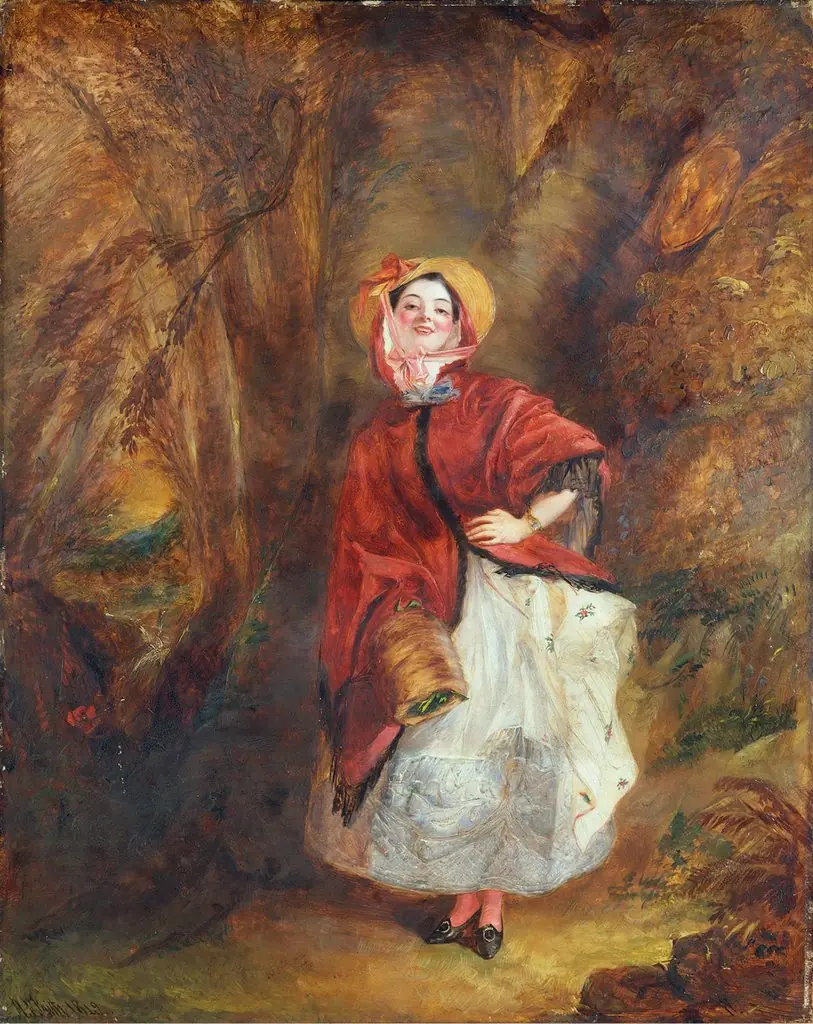 Dolly Varden
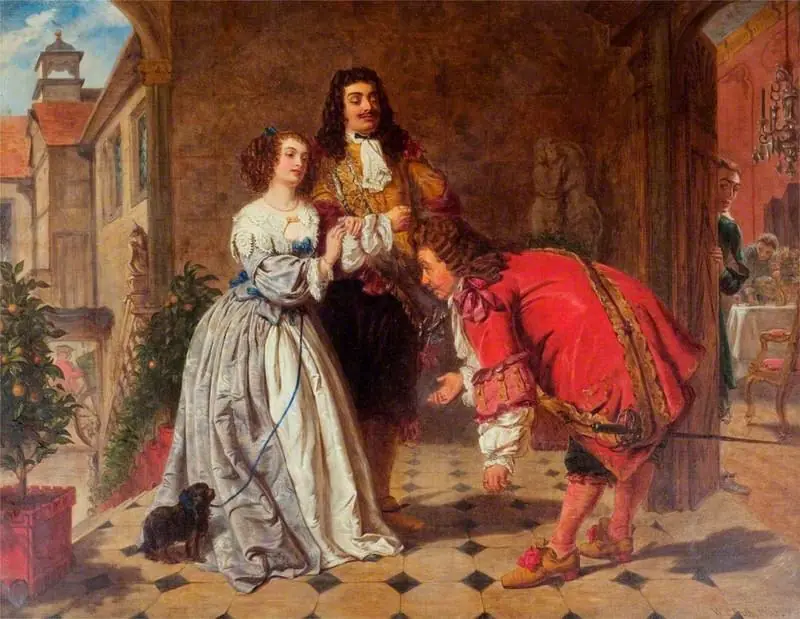 Monsieur Jourdain Receiving His Guests (from Molière's 'Le Bourgeois Gentilhomme')
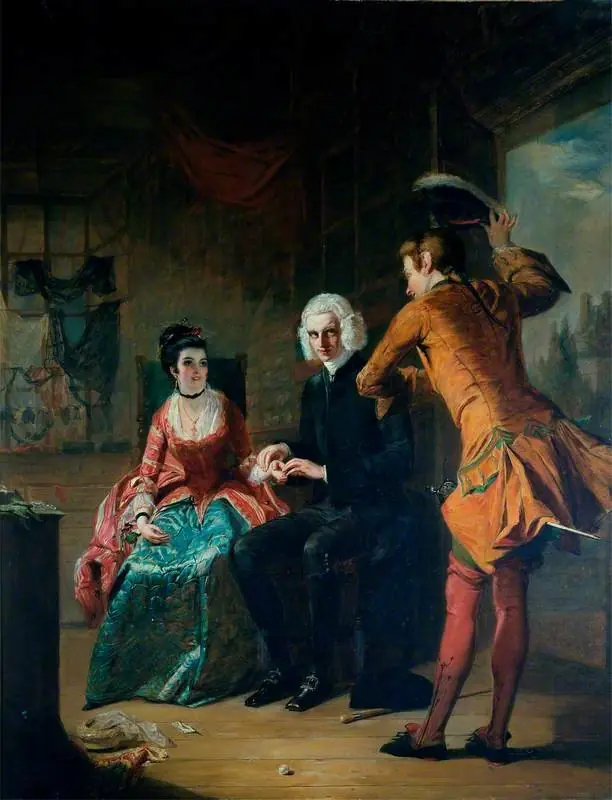 Scene from Laurence Sterne's 'A Sentimental Journey'
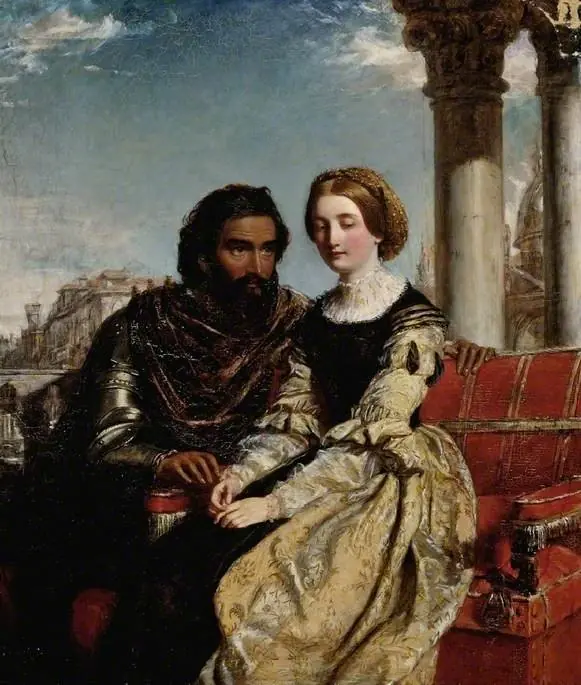 Othello and Desdomona (1856)
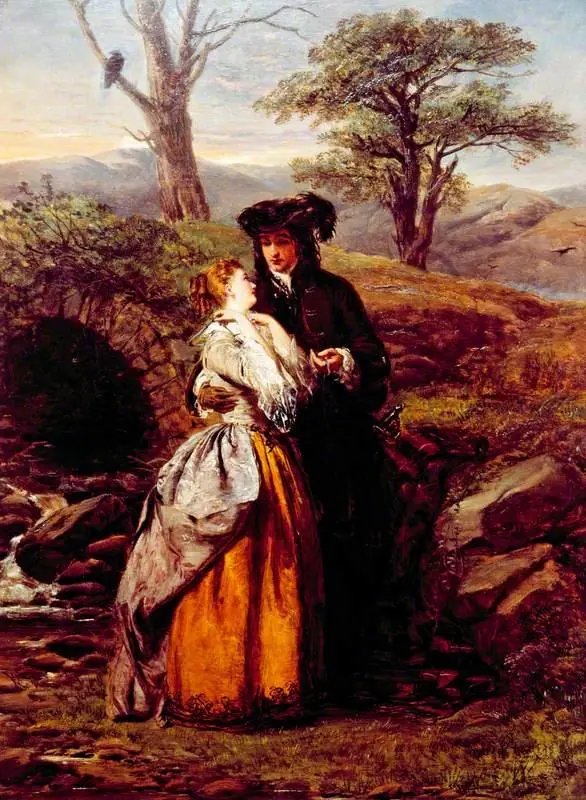 The Bride of Lammermoor (from Sir Walter Scott's novel)
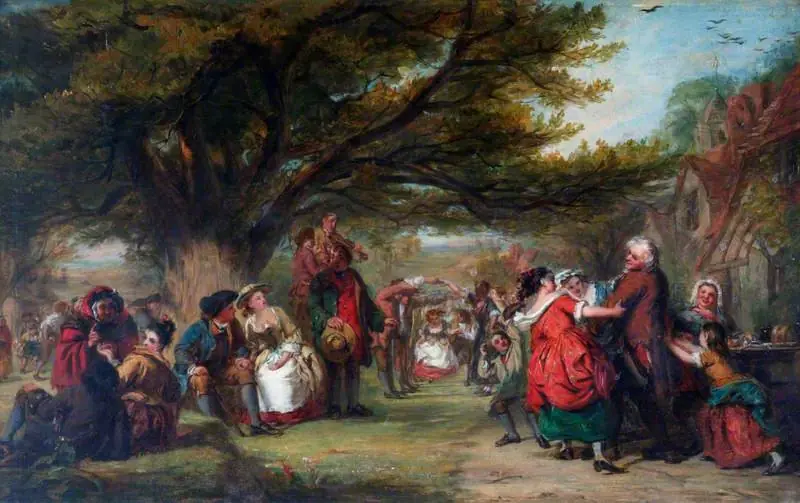 An English Merry-Making, a Hundred Years Ago
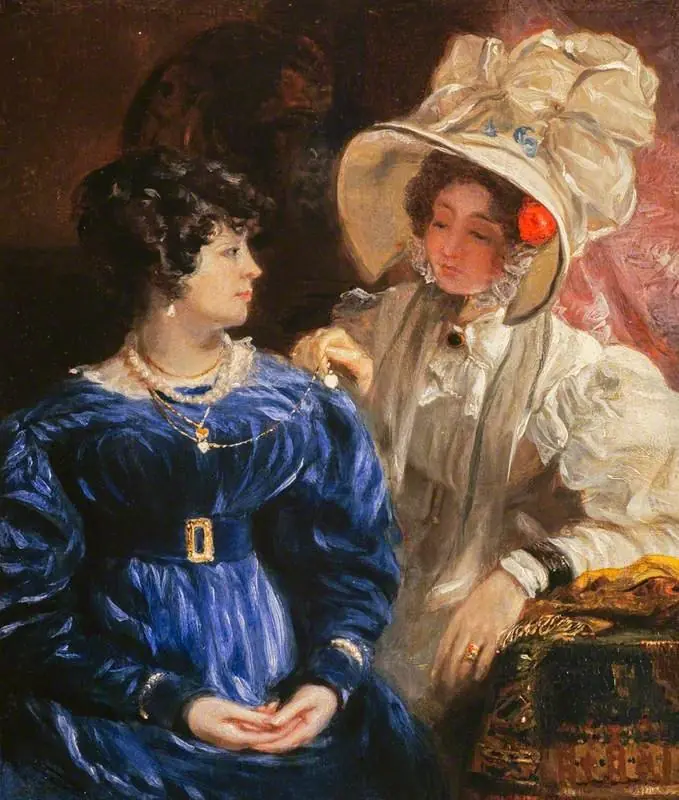 Portrait of Two Women (possibly Adela Geddes (1791-1881), the Artist's Wife, and a Friend)
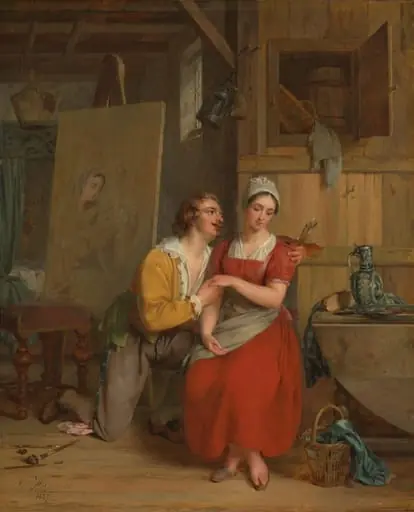 Anthony van Dyck wooing his Model
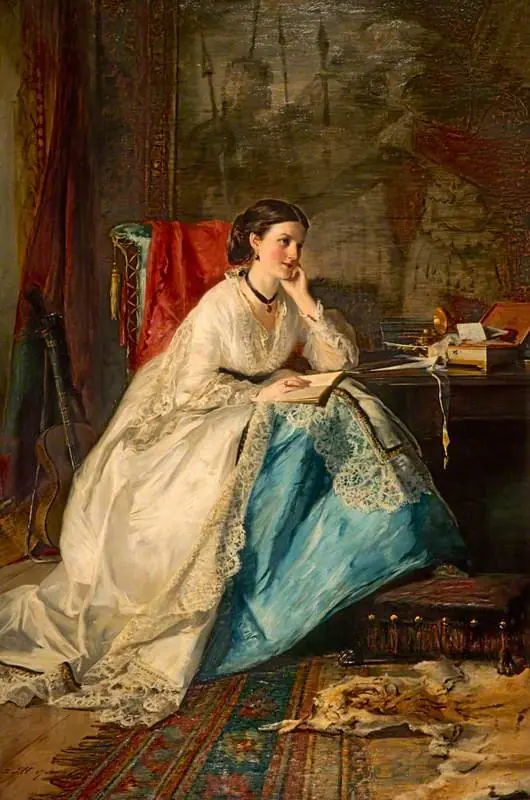 Emily Merelina Meymott, Baroness Shand (1830 - 1911)
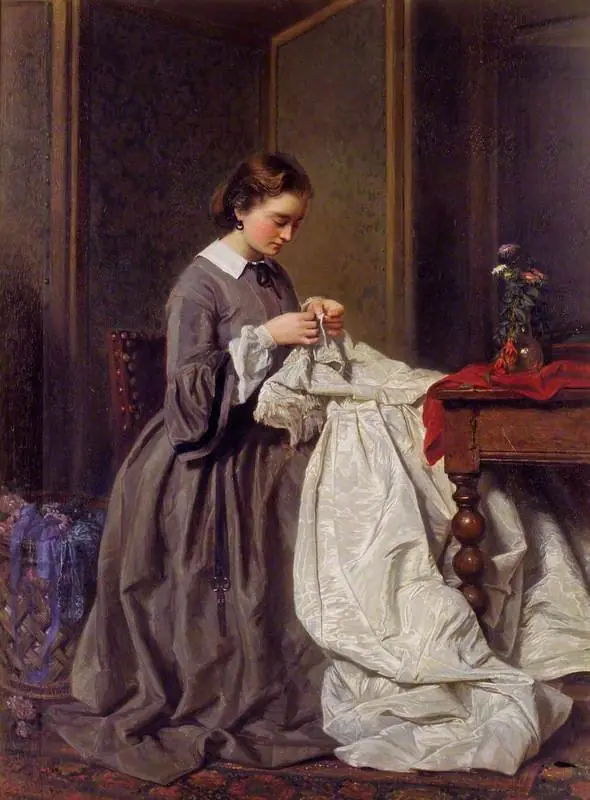 The Seamstress
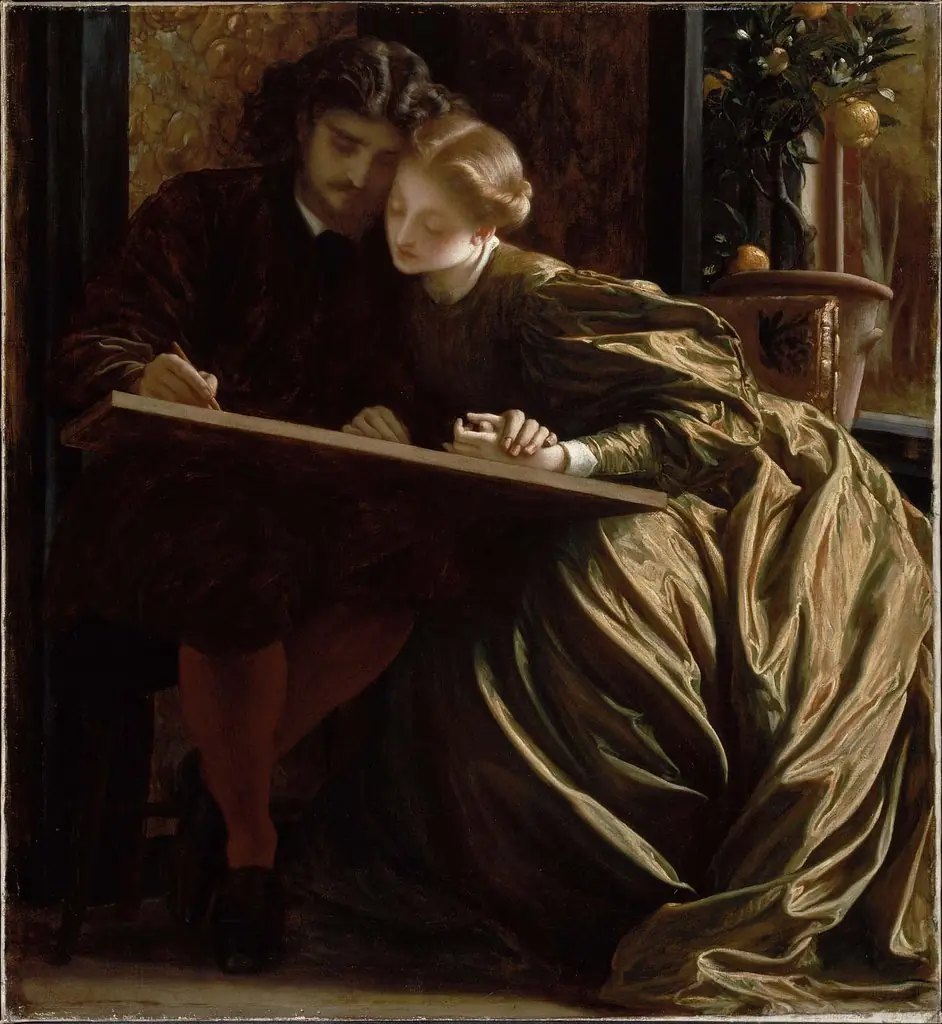 The Painter's Honeymoon
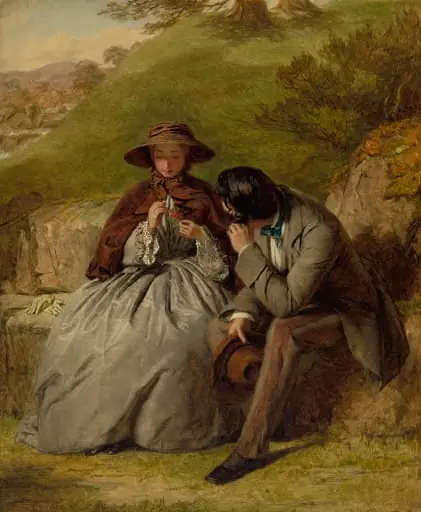 The Lovers
 Al doilea atelier al artistului la Paris
 Anne Page Inviting Slender to Dinner
 Scene from 'The Honeymoon'
 Anthony van Dyck in Love with his Model