Artwork
Seated woman
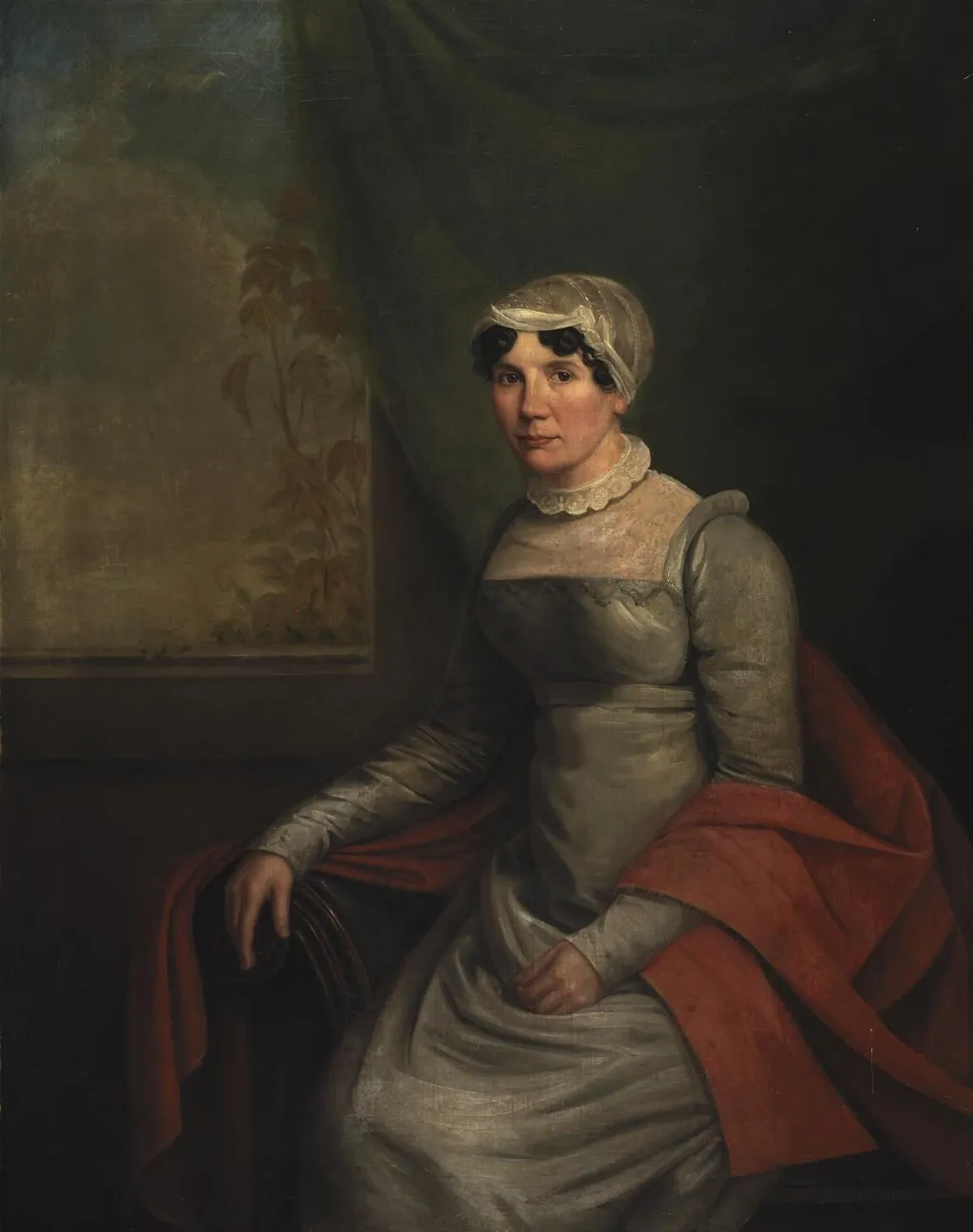
Seated woman is an oil painting by the British Romanticist artist William Shiels. It dates from 1843 and is held in the collection of the National Library of Wales.
About this work
Overview
Its restrained palette and intimate composition reflect a modest, domestic setting, emphasizing the subject’s stillness rather than grandeur.
Painted in 1843 by William Shiels, this oil portrait captures a seated woman in quiet repose. The work is part of the collection at the National Library of Wales. Its restrained palette and intimate composition reflect a modest, domestic setting, emphasizing the subject’s stillness rather than grandeur. The painting’s simplicity suggests a personal or familial commission rather than a public portrait.
Subject & Meaning
The woman is depicted in a contemplative pose, her gaze directed away from the viewer, suggesting introspection or distance. Her attire—a long dress, white collar, red shawl, and headscarf—hints at modesty and perhaps regional or religious dress customs of the time. The absence of identifiable symbols or context leaves her identity ambiguous, reinforcing a sense of quiet anonymity.
Technique & Style
Shiels employs muted tones and soft transitions to create a somber, subdued atmosphere. The dark background isolates the figure, while the faint outline of a plant behind her adds subtle depth without distraction. Brushwork is controlled and precise, particularly in the rendering of fabric folds and the texture of the headscarf, indicating attention to detail within a restrained aesthetic.
History & Provenance
The painting has been held by the National Library of Wales since at least the mid-20th century, though its earlier ownership is undocumented. William Shiels, a lesser-known 19th-century artist, produced few surviving works, making this piece a rare example of his portraiture. Its preservation suggests local significance, possibly tied to a Welsh family or community.
Context
Created during a period when domestic portraiture was common among middle-class patrons in Britain, the work aligns with trends favoring quiet, unadorned depictions of individuals. Unlike formal society portraits, this piece avoids embellishment, reflecting a more personal, perhaps regional, approach to representation in early Victorian Wales.
Legacy
Though not widely exhibited or studied, the painting contributes to the understanding of provincial portraiture in 19th-century Wales. Its preservation offers insight into the visual culture of non-elite subjects and the quiet dignity with which ordinary individuals were rendered in oil during a time of social and industrial change.
Artist & collection

 Portrait of Golitsyna
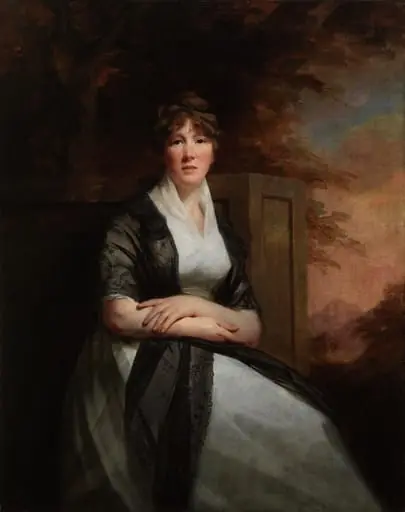 Lady Anne Torphichen
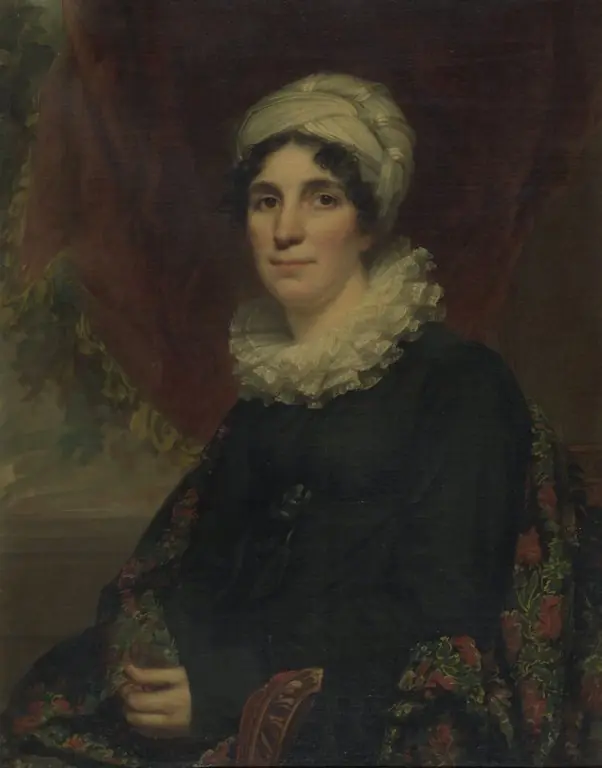 Mrs. James K. Bogert, Jr.
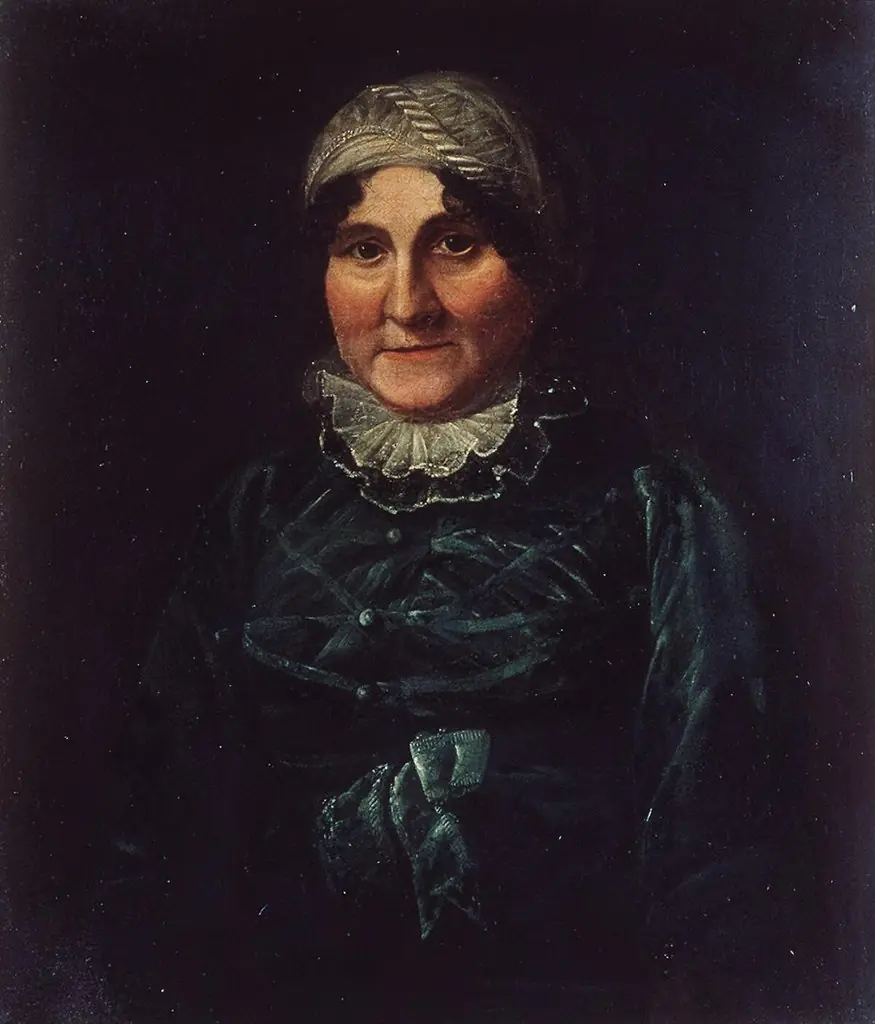 Catherine Roberts, Gwraig Robert Roberts
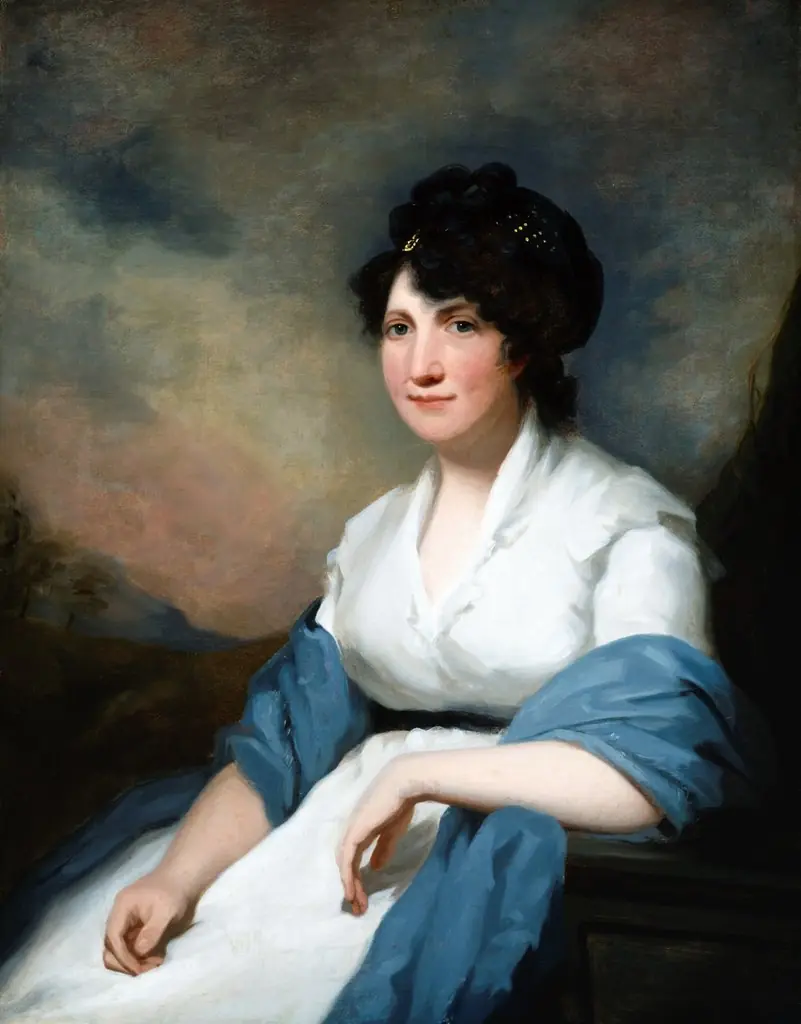 Lady Delves Broughton
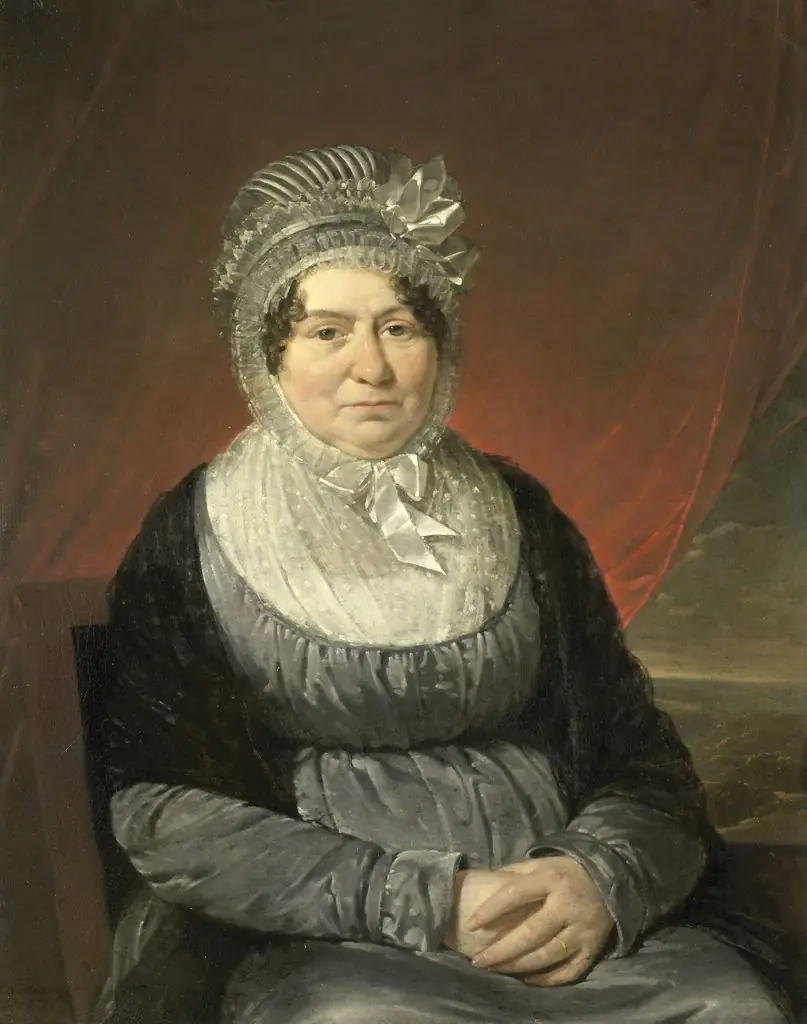 Portrait of Mrs. Brak-Haskenhoff
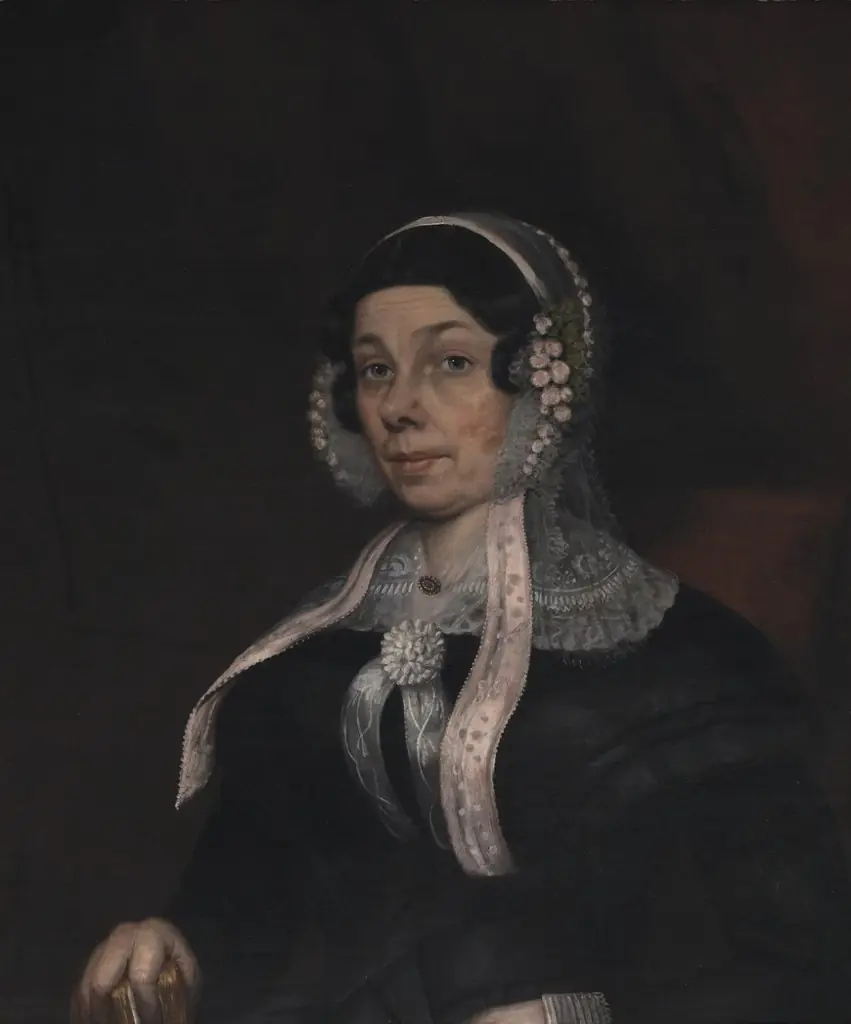 Lydia Jones
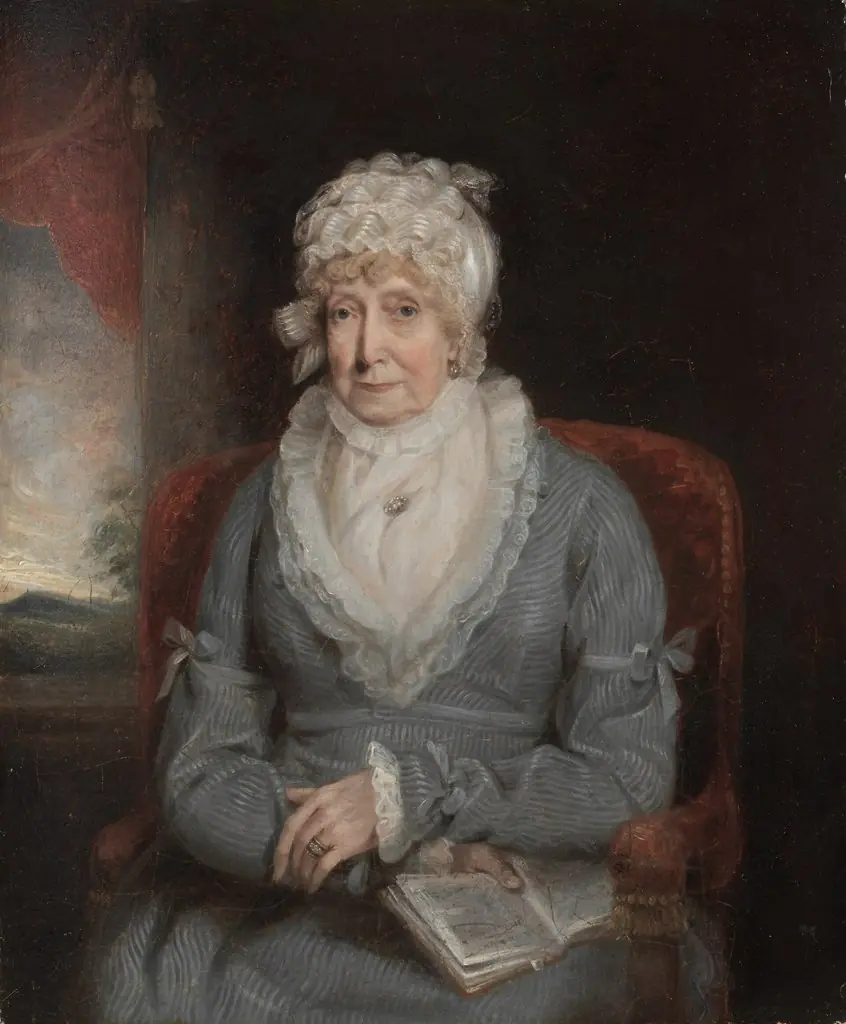 Portrait of a Woman (Mrs. Ann Hivlyn)
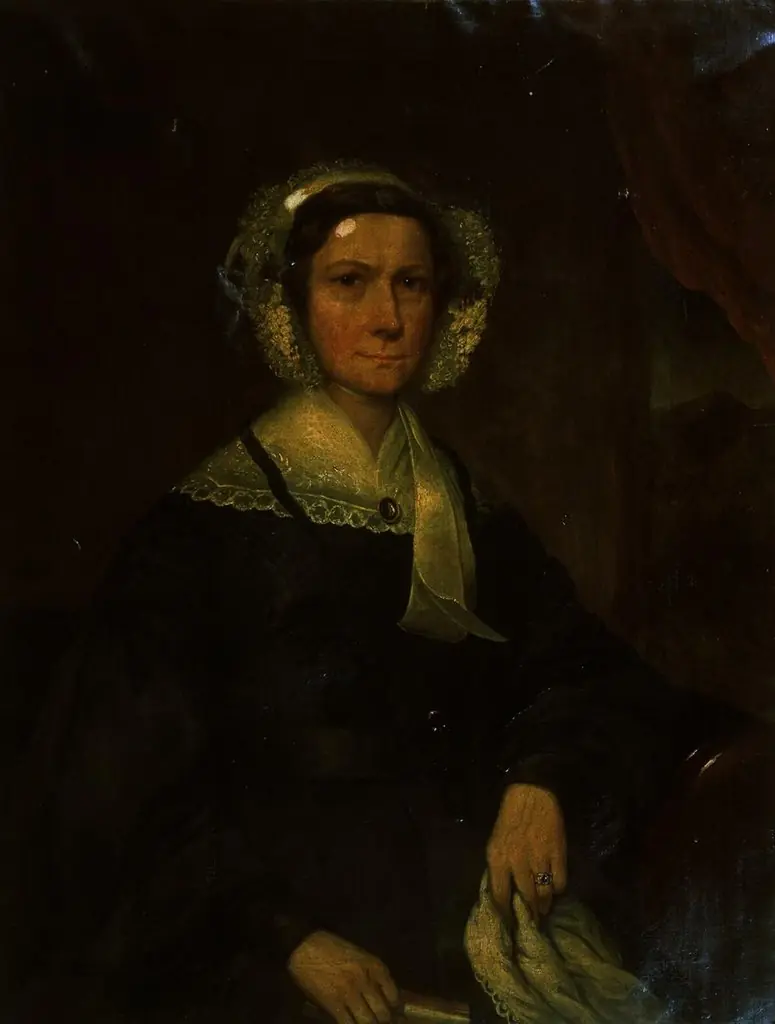 Mrs John Jones, Castle St, Liverpool
 Jane Roberts (Garn Fawr)
 Portrait of Mrs. Jonathan Russell (Lydia Smith, 1786–1859)
 Portret van Isabella van Lutsenborgh, echtgenote van Jacobus Dumery