Artwork
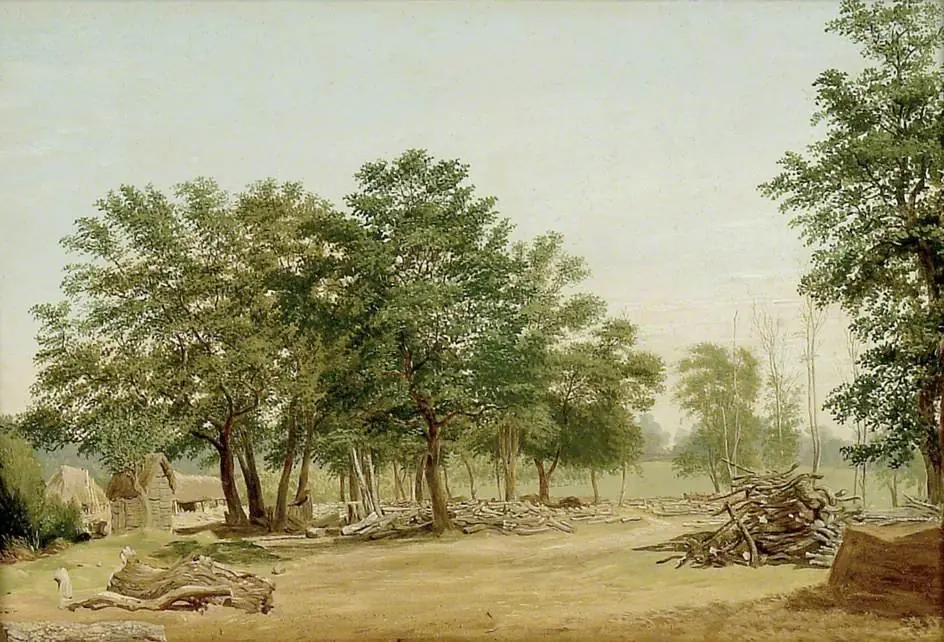
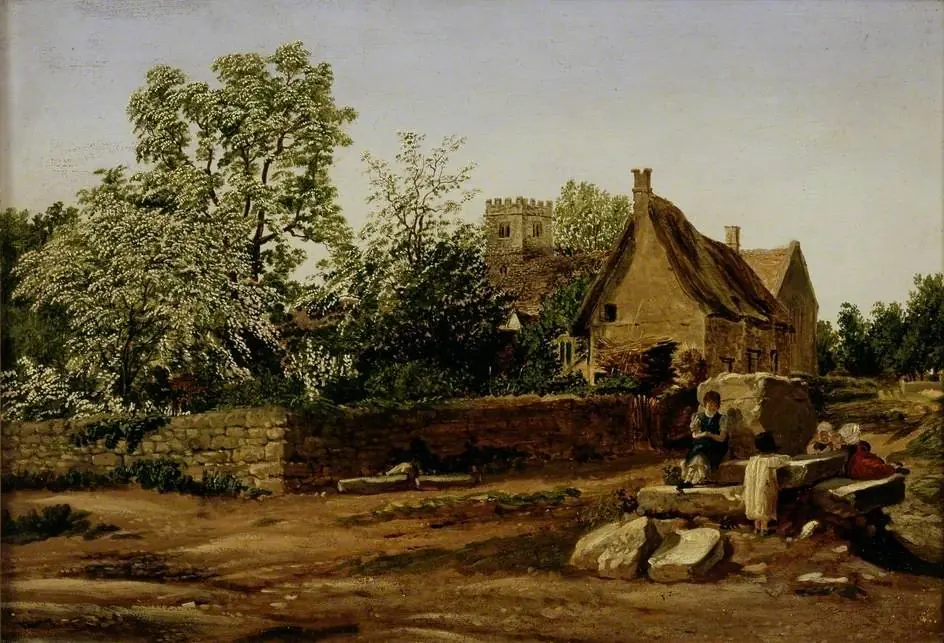
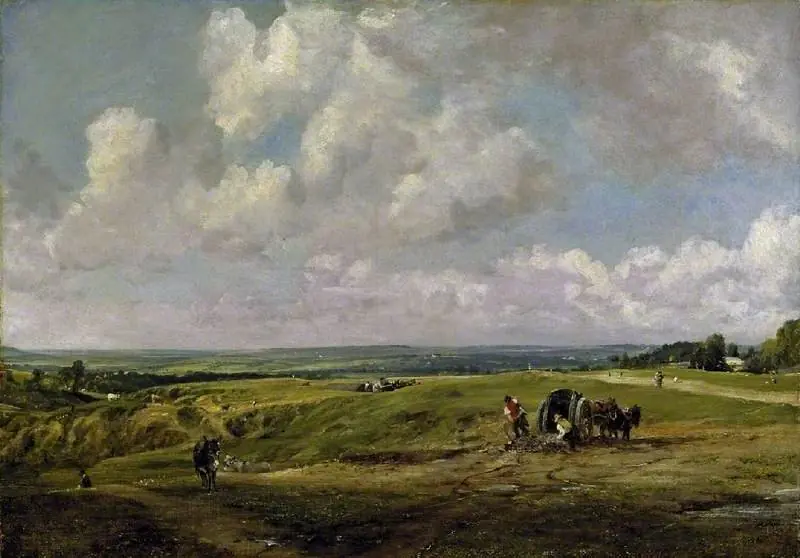
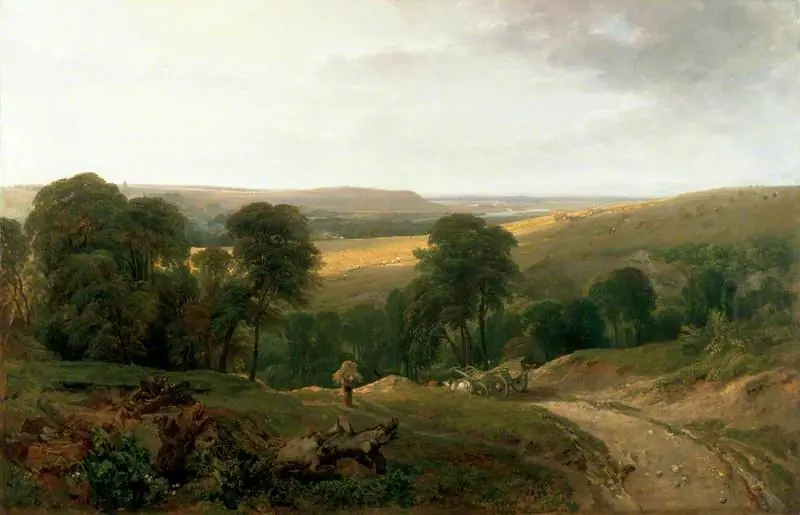
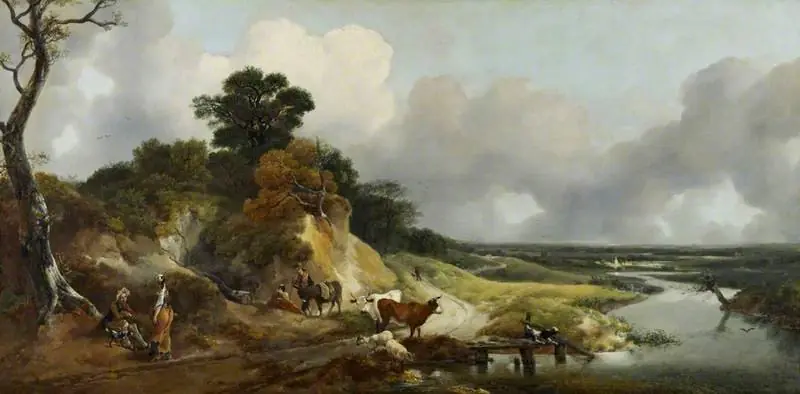
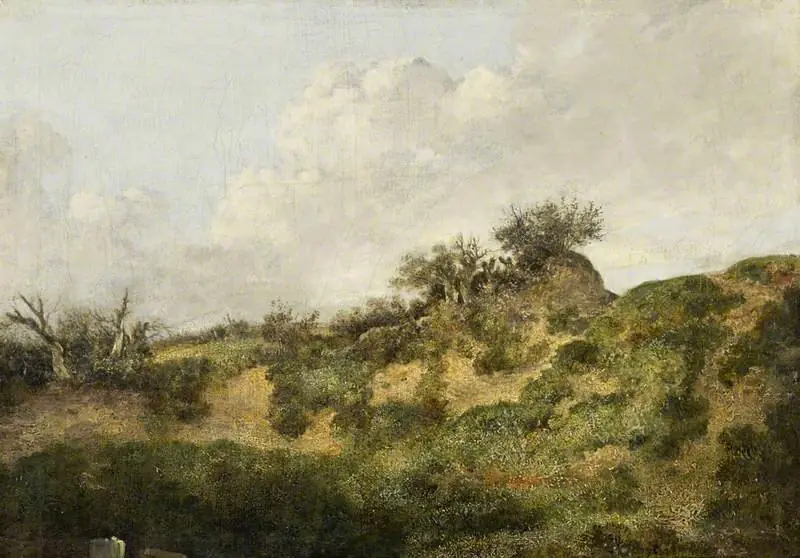
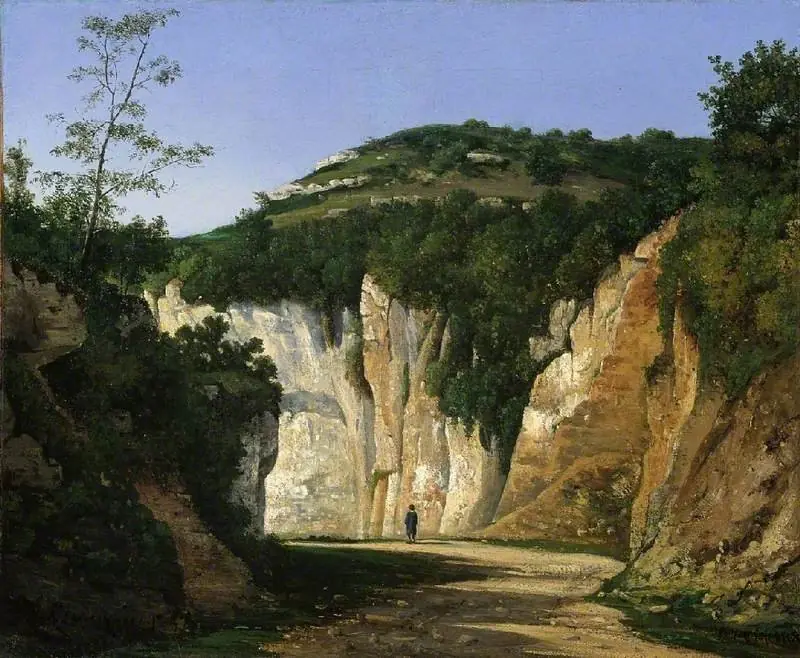
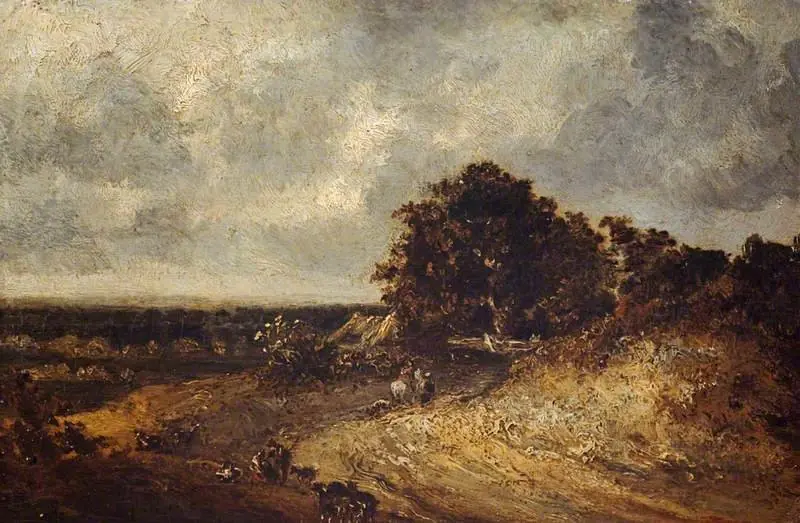
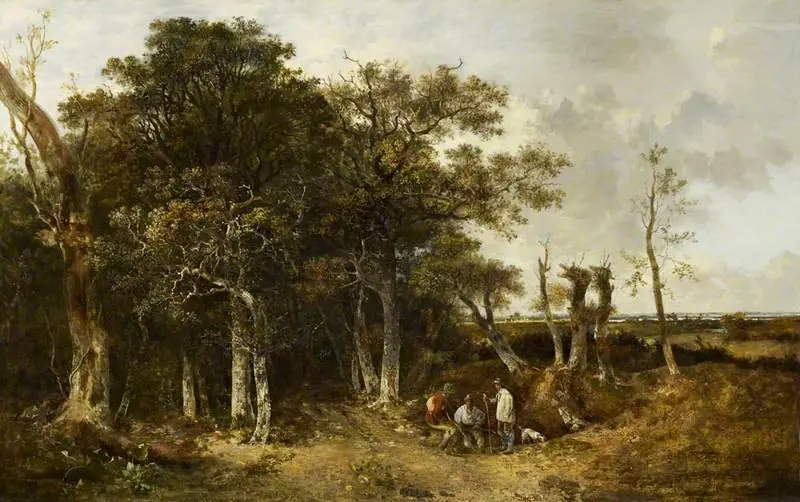
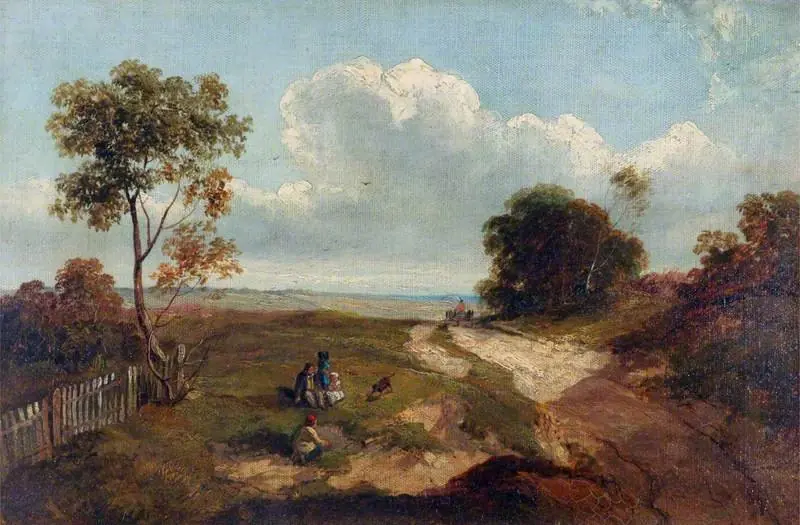
Gravel Pit on Shotover Hill, near Oxford
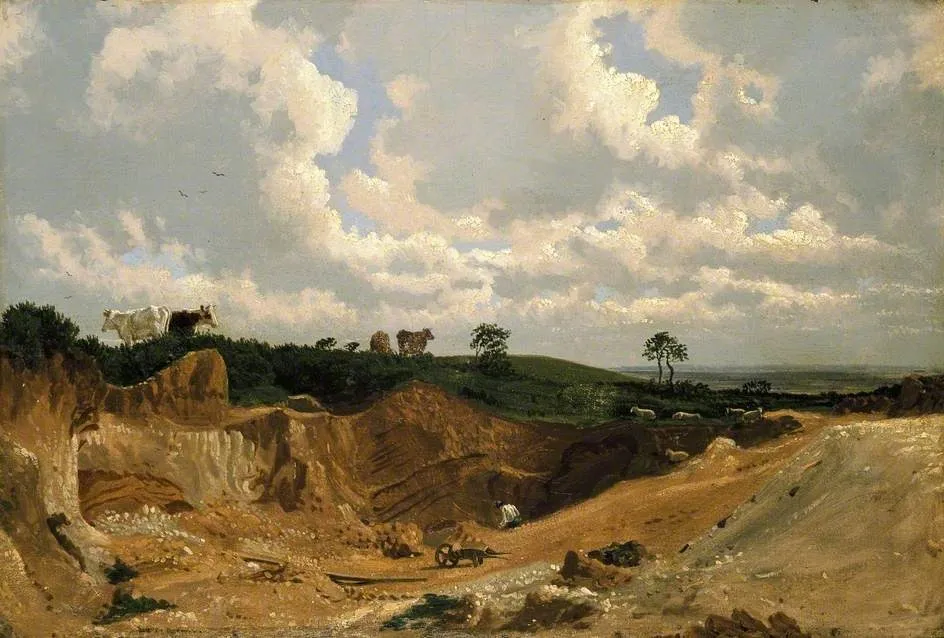
Gravel Pit on Shotover Hill, near Oxford is an unspecified painting by William Turner. It dates from 1818 and is held in the collection of the Ashmolean Museum.
About this work
Overview
Created in 1818 by the English landscape painter William Turner, this oil painting depicts a quiet scene on Shotover Hill near Oxford. The work is part of the Ashmolean Museum’s collection, where it is displayed as an example of early‑19th‑century British countryside art.
Subject & Meaning
The composition centers on a shallow gravel pit that occupies the foreground, its muted tones contrasting with the softer hues of the surrounding fields. Beyond the pit, gentle hills and scattered trees recede toward the horizon, suggesting a tranquil, unspoiled rural environment that invites contemplation of the land’s modest beauty.
Technique & Style
Turner employs a restrained palette of earth tones, allowing light to delineate form rather than dominate the scene. Subtle gradations of shadow and a warm, diffused sunlight lend depth to the landscape, while the brushwork remains delicate, emphasizing atmosphere over precise detail.
History & Provenance
The painting entered the Ashmolean Museum’s holdings after being acquired from a private collection in the early 20th century. Its provenance traces back to Turner’s own studio, where it was likely produced shortly after his visits to the Oxfordshire countryside.
Context
The work reflects Turner’s interest in ordinary topography during a period when he was expanding beyond dramatic seascapes. By focusing on a modest gravel pit, the artist aligns with contemporary Romantic ideals that valued the poetic potential of everyday rural scenes.
Artist & collection

Artist
William Turner was a British painter who specialised in watercolour landscapes. He is often known as William Turner of Oxford or just Turner of Oxford to distinguish him from his contemporary, J. M. W. Turner. Many of…