Artwork
Woodland Landscape
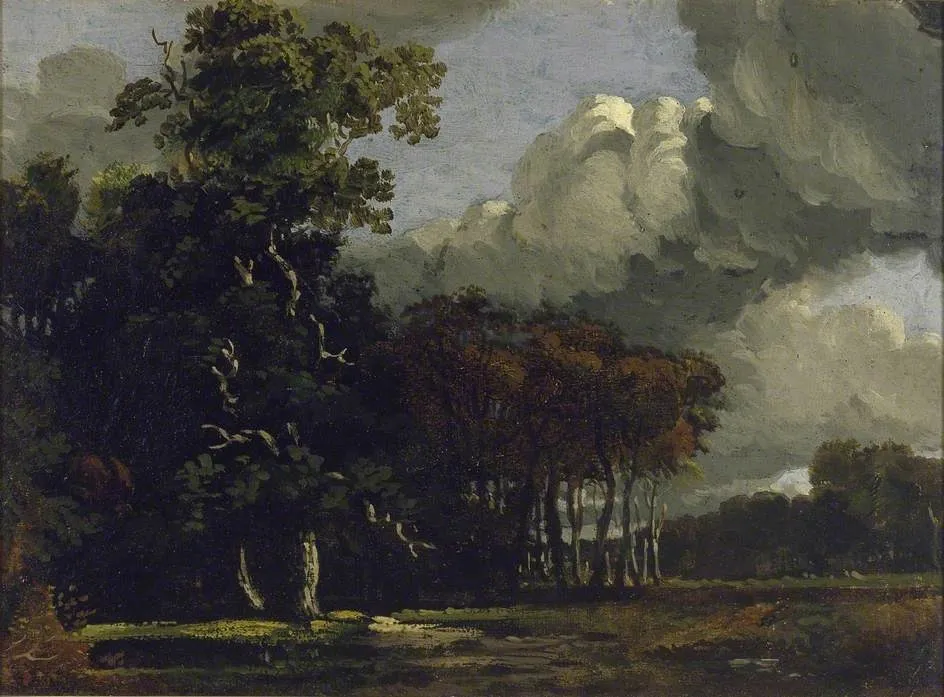
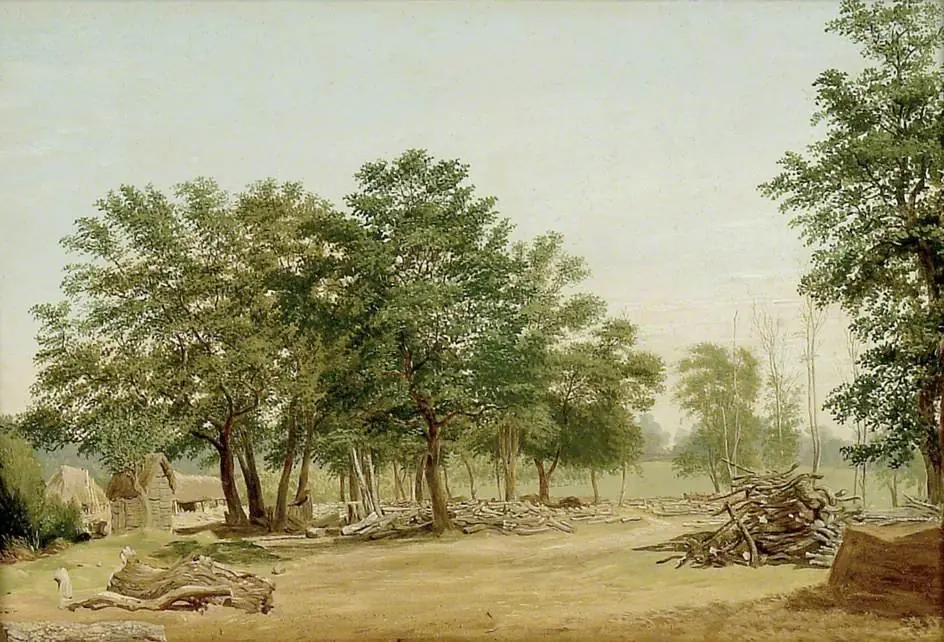
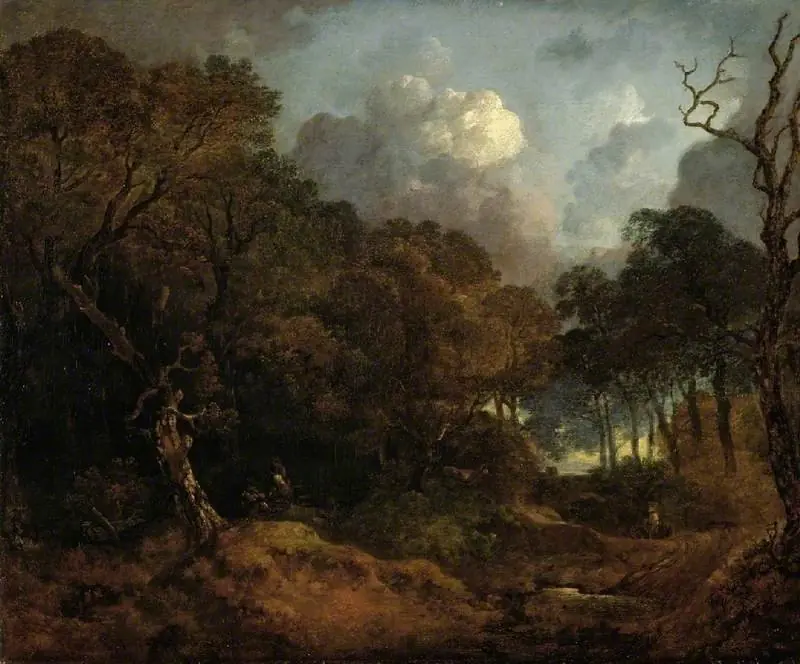
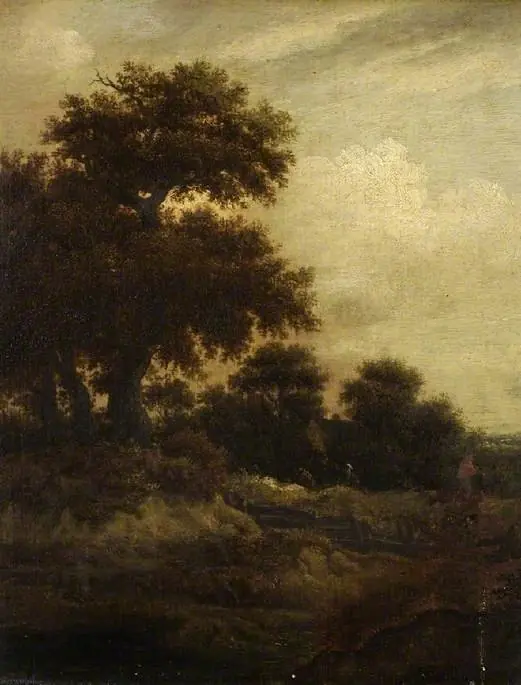
Woodland Landscape is an unspecified painting by William Turner. It dates from 1818 and is held in the collection of the Ashmolean Museum.
About this work
Overview
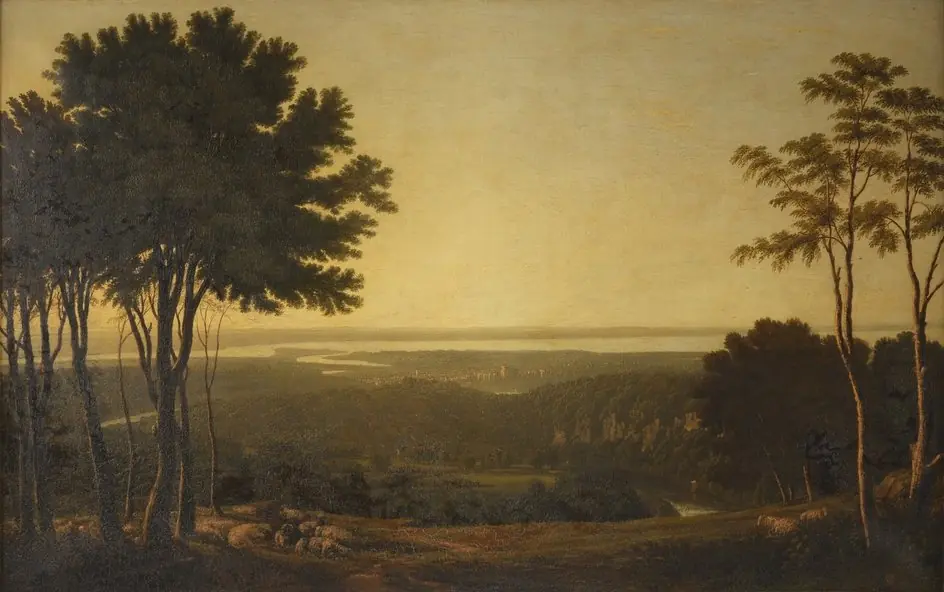
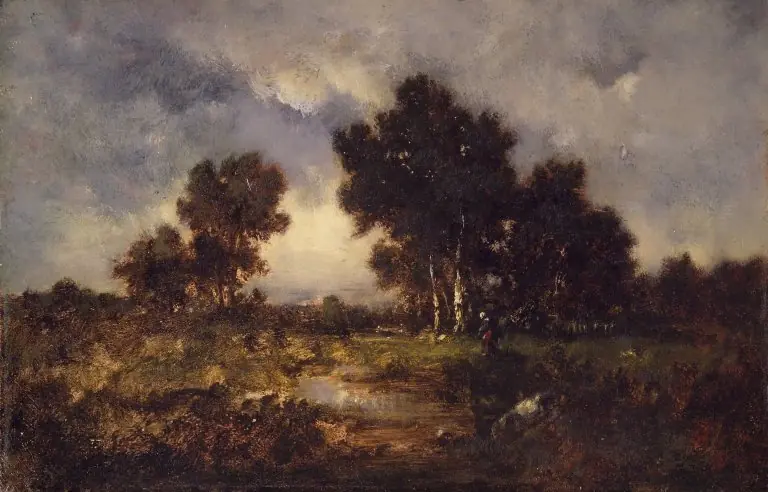
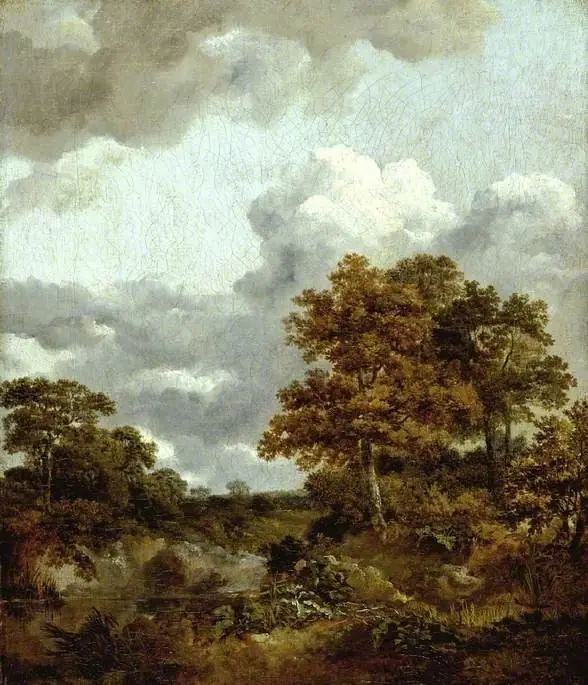
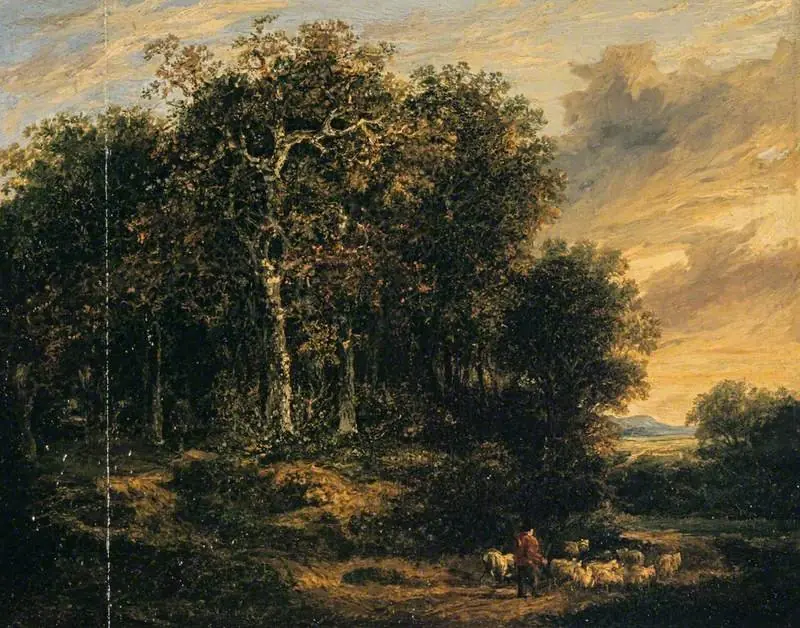
Woodland Landscape, painted by William Turner in 1818, is a serene representation of a forested area, characterized by the interplay of light and shadow. Now part of the Ashmolean Museum's collection, the work showcases Turner's ability to evoke depth and atmosphere through nuanced color and contrast.
Subject & Meaning
The painting focuses on the natural beauty of a woodland, with trees and foliage as the primary subjects. The composition guides the viewer's gaze inward, suggesting an exploration of the forest's interior. The emphasis on light and shadow may imply a contemplative or emotional state.
Technique & Style
Turner employed chiaroscuro to create a dramatic contrast between the dark, muted tones of the foreground trees and the lighter, more diffuse background. This technique, along with his color palette, generates a sense of spatial depth and enhances the overall mood of the piece.
History & Provenance
Created in 1818 by William Turner, Woodland Landscape is currently housed at the Ashmolean Museum, though specific details of its acquisition or earlier ownership are not provided here.
Context
While specific contextual influences on Woodland Landscape are not detailed, it reflects early 19th-century interests in landscape painting and the emotional potential of natural light and shadow, common in the Romantic era.
Legacy
The legacy of Woodland Landscape is not explicitly outlined in the provided information, though as a Turner piece, it likely contributes to the artist's reputation for innovative landscape painting and the evolution of capturing light in art.
Artist & collection

Artist
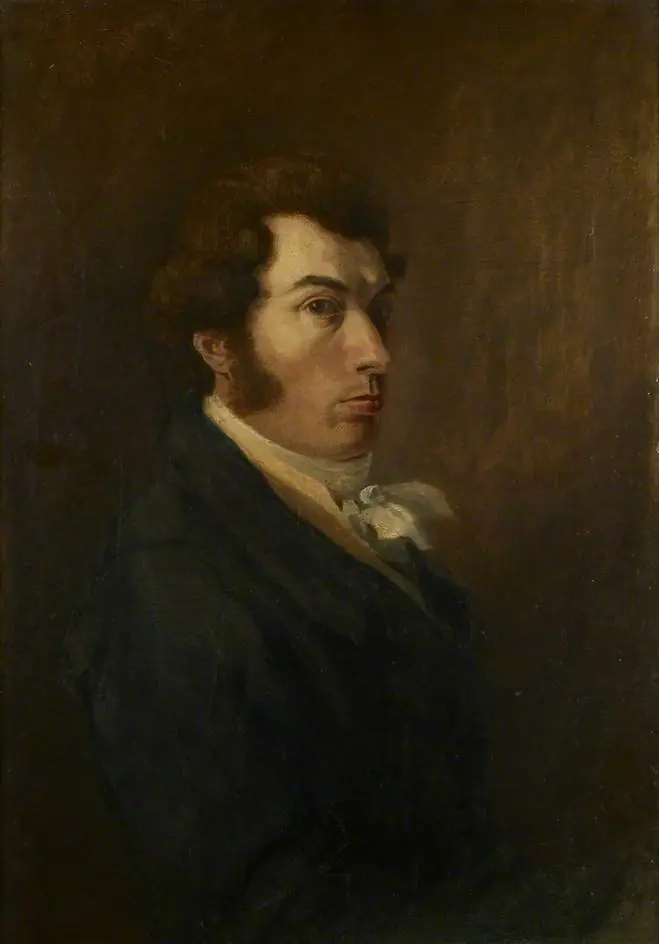
William Turner was a British painter who specialised in watercolour landscapes. He is often known as William Turner of Oxford or just Turner of Oxford to distinguish him from his contemporary, J. M. W. Turner. Many of…