Artwork
Water Nymphs
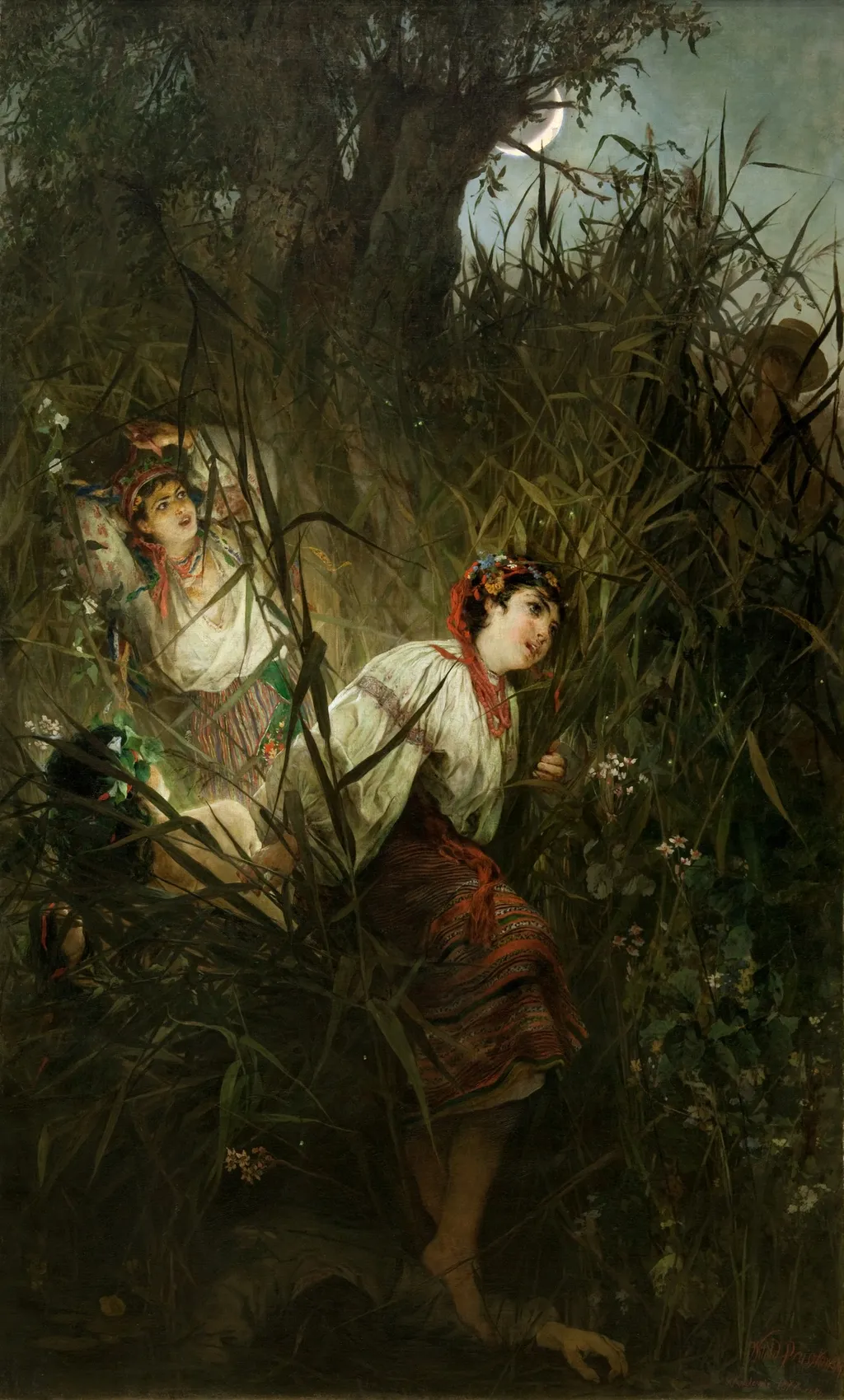
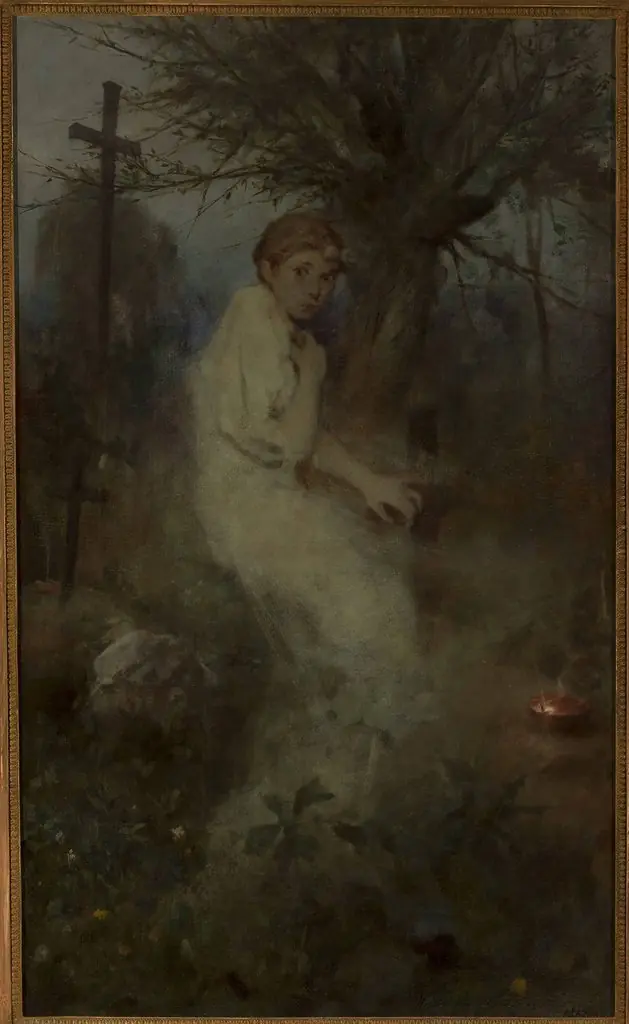
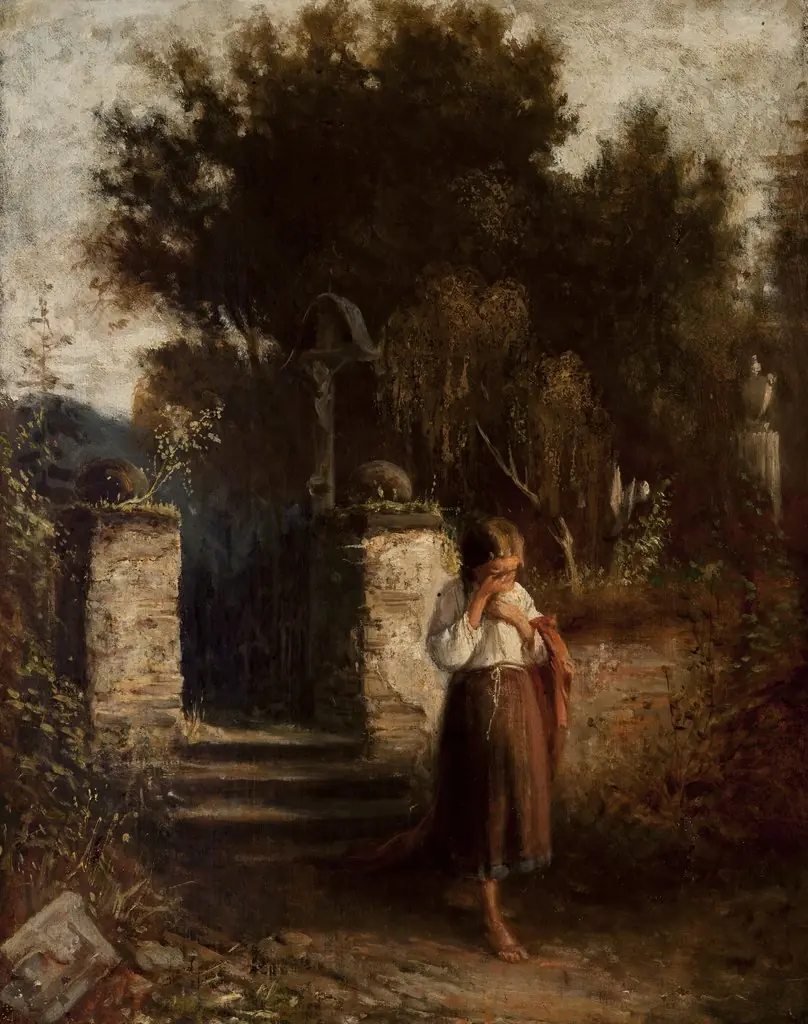
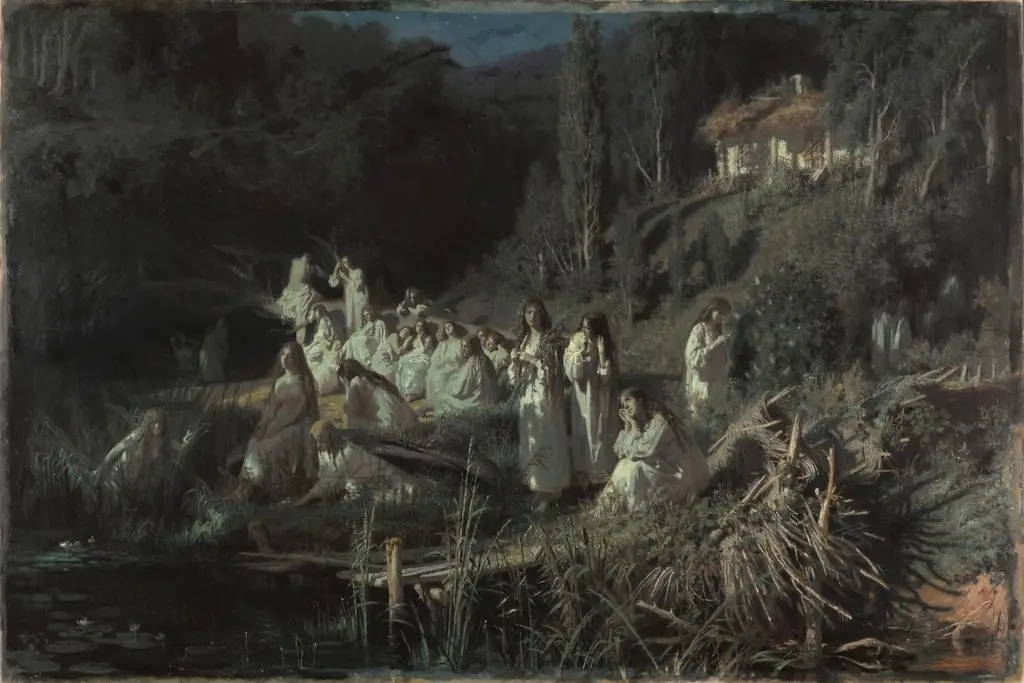
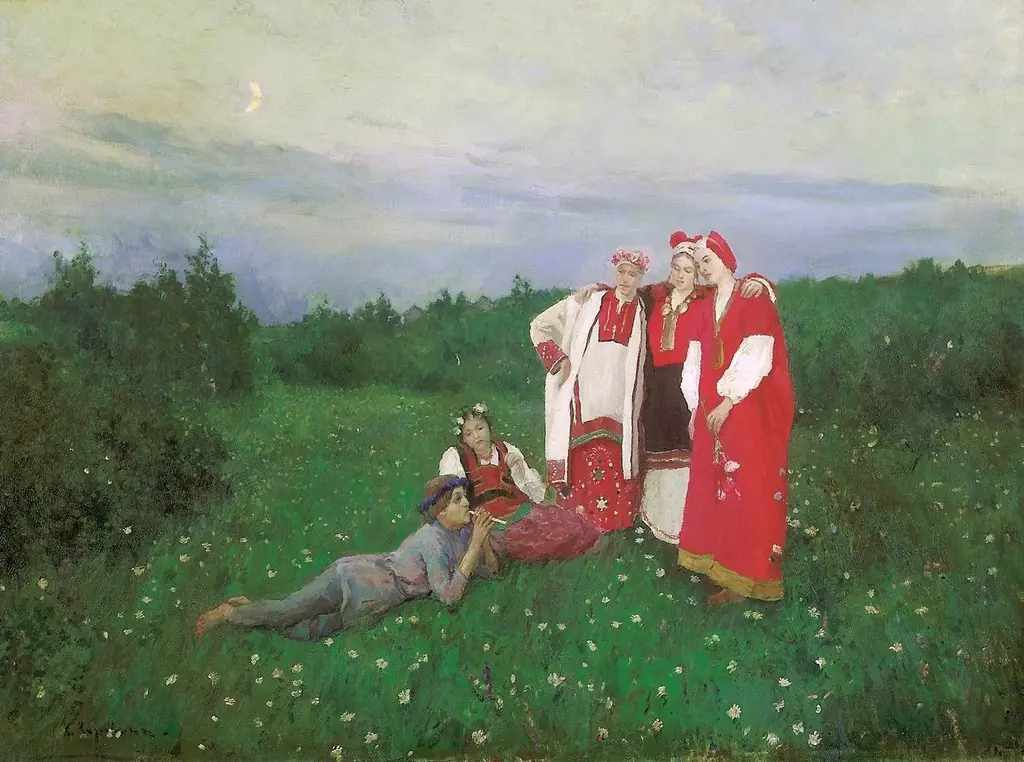
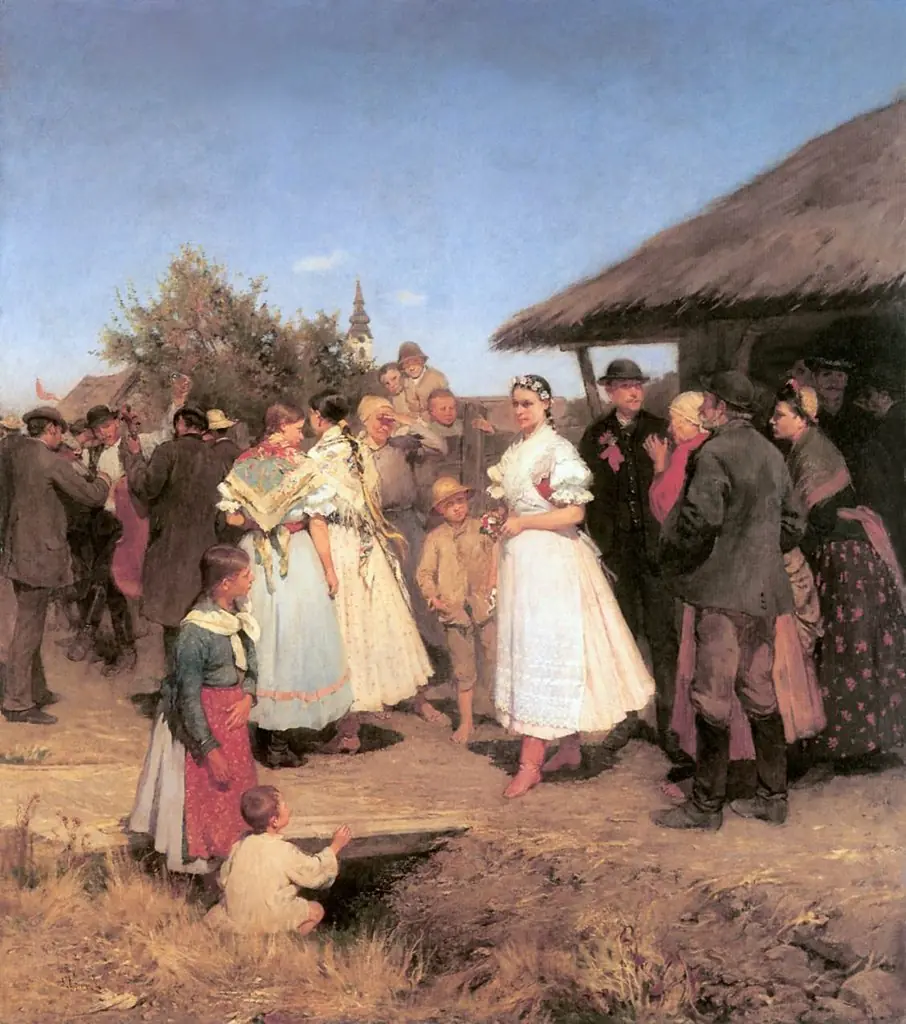
Water Nymphs is an oil painting by Witold Pruszkowski. It dates from 1889 and is held in the collection of the National Museum in Kraków.
About this work
Overview
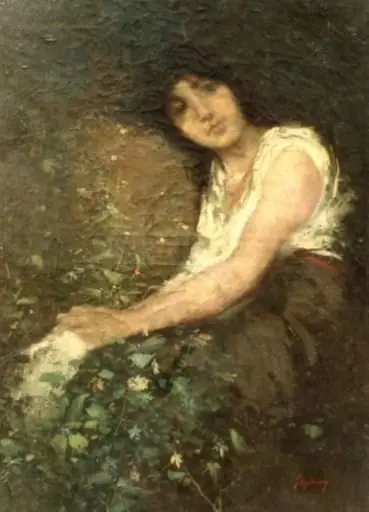
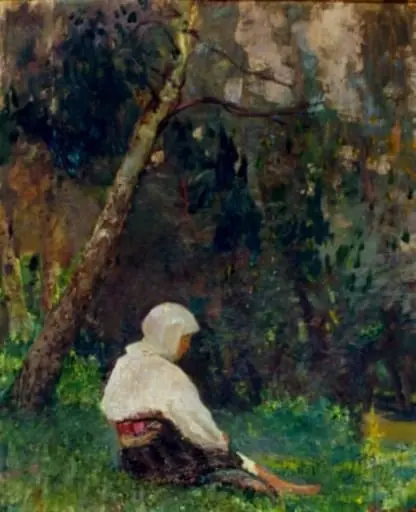
Water Nymphs, an 1889 oil painting by Polish artist Witold Pruszkowski, is part of the National Museum in Kraków's collection. Characteristic of Pruszkowski's Symbolist approach, the work features two female figures in a natural setting.
Subject & Meaning
The painting depicts two women, dressed in traditional attire, immersed in a serene, lush environment. Their engagement with flora—possibly gathering or touching plants—suggests a contemplative, idyllic scene, evoking mythological or allegorical undertones typical of Symbolist themes.
Technique & Style
Pruszkowski's use of warm color tones in the subjects' clothing contrasts with the cool, vibrant greens of the natural backdrop, creating a sense of balance. The soft, serene lighting enhances the tranquil atmosphere, hallmark of his Symbolist style.
History & Provenance
Created in 1889, *Water Nymphs* has been part of the National Museum in Kraków's collection, reflecting the institution's focus on preserving Polish artistic heritage, particularly works of the Symbolist period.
Context
Emerging within the late 19th-century European art scene, *Water Nymphs* aligns with the broader Symbolist movement's emphasis on emotional depth, mythology, and the mystical, setting it apart from contemporaneous realism.
Legacy
As a representative of Pruszkowski's Symbolist output, *Water Nymphs* contributes to the understanding of Polish contributions to European Symbolism, influencing subsequent generations of artists exploring thematic and stylistic similarities.
Own this work as a print
Artist & collection
Artist
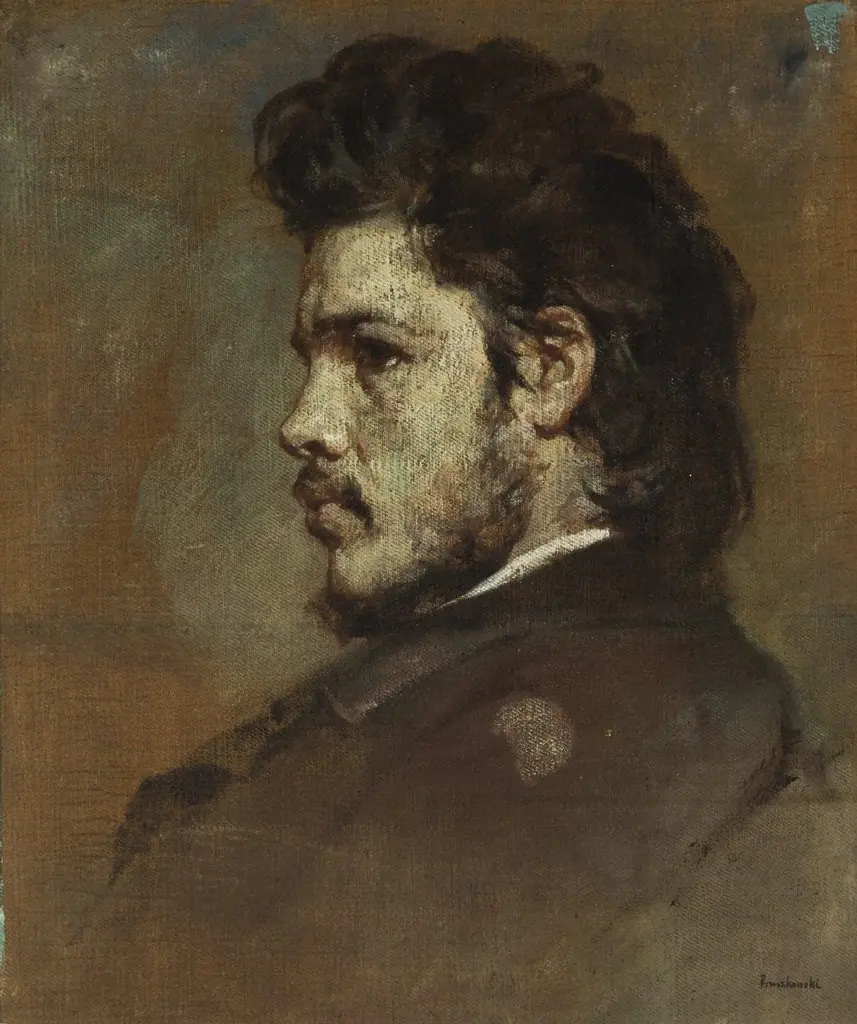
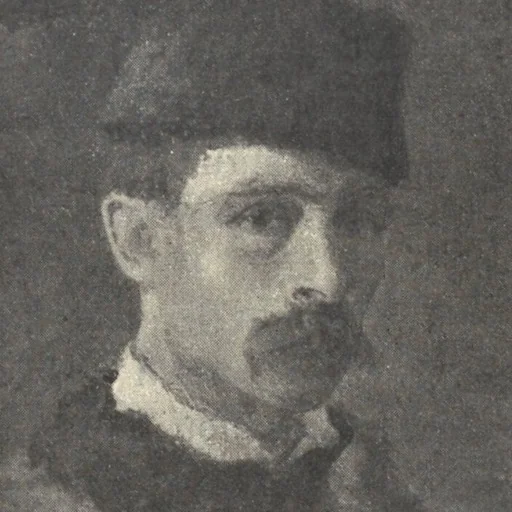
Witold Pruszkowski Polish pronunciation: (14 January 1846, Bershad - 10 October 1896, Budapest) was a Polish painter and graphic artist in the Symbolist style.