Artwork
The Humanist Jacob Ziegler (1470/1471-1549)
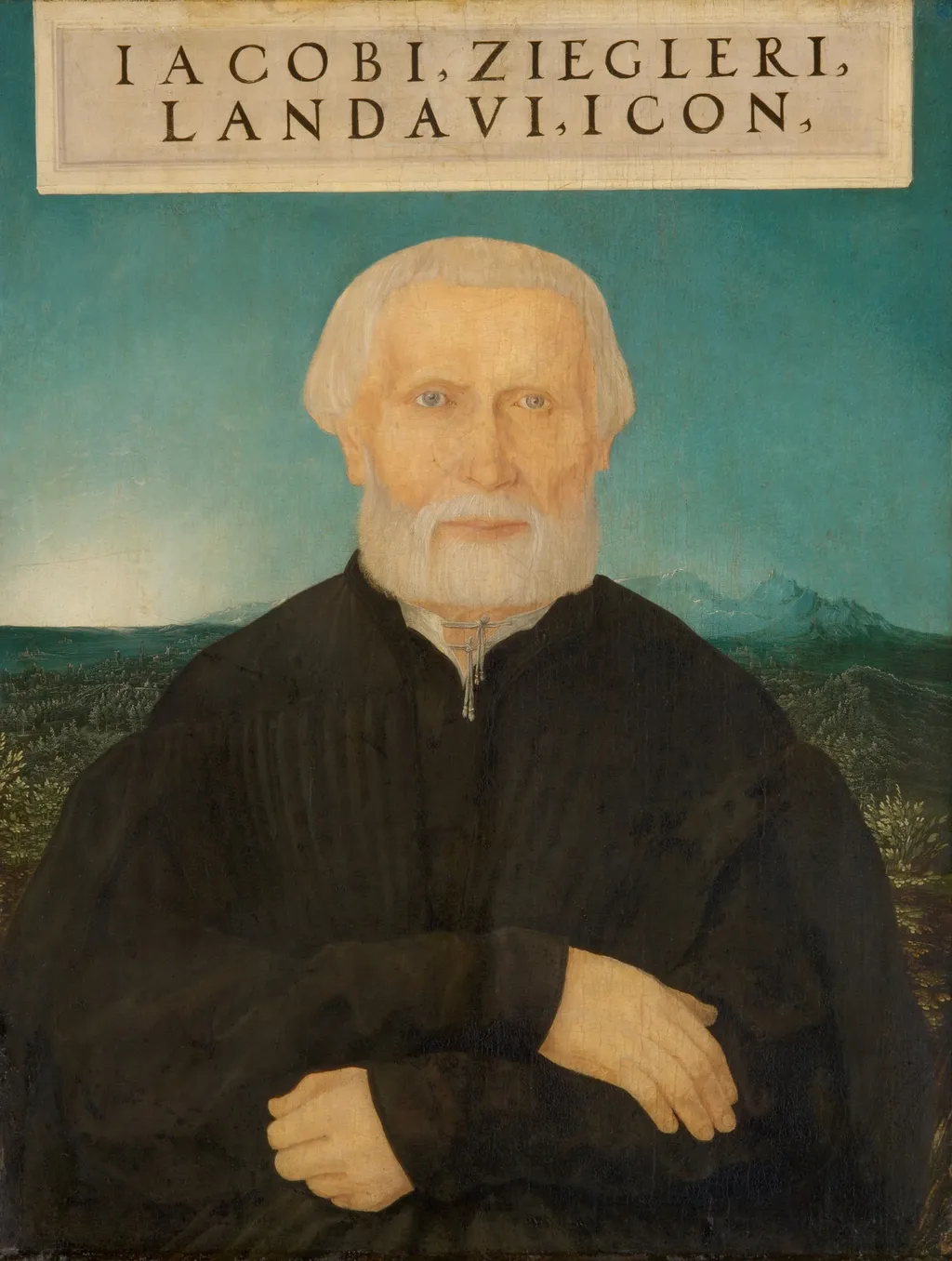
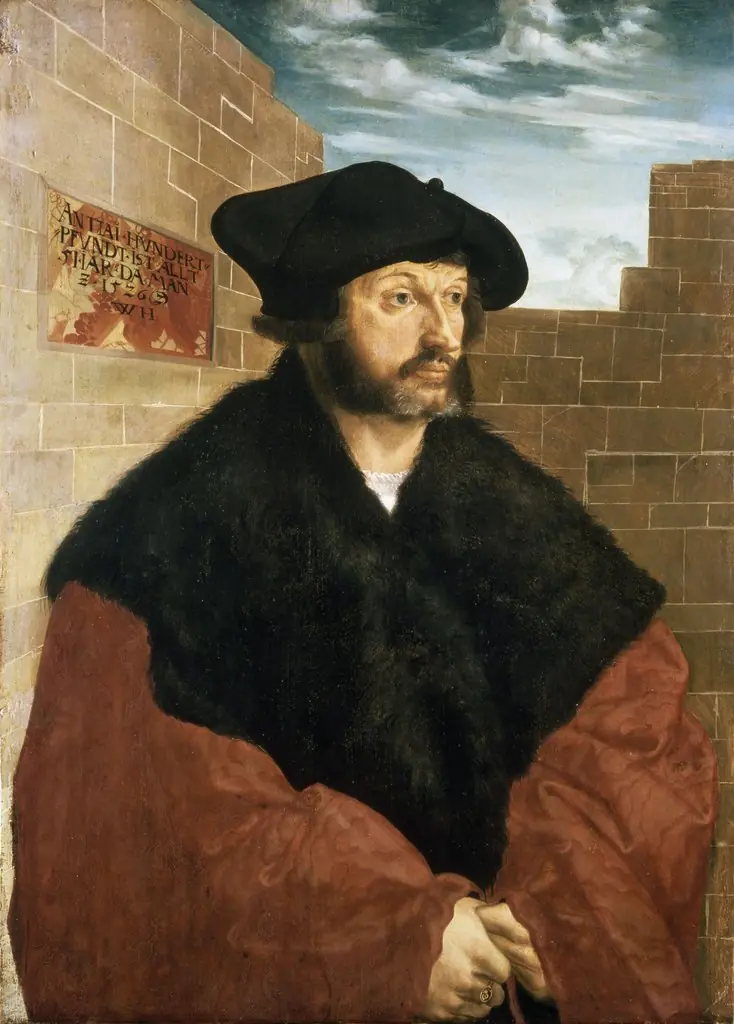
The Humanist Jacob Ziegler (1470/1471-1549) is an oil painting by the Early Baroque Italian artist Wolf Huber. It dates from 1540 and is held in the collection of the Kunsthistorisches Museum.
About this work
Overview
Executed in 1540, this oil-on-panel portrait represents the humanist scholar Jacob Ziegler, rendered by Wolf Huber, a central figure within the Danube school. The painting reflects the artist’s engagement with both Northern European and Italian portrait conventions, balancing meticulous detail with a composed, introspective presence. It remains part of the Kunsthistorisches Museum’s collection.
Subject & Meaning
The sitter, Jacob Ziegler, appears in advanced age, his long white beard and clasped hands conveying scholarly gravitas. A scroll above his head bears his name and place of origin, reinforcing his intellectual identity. The subdued landscape in the background, though faint, situates the figure within a broader humanist tradition, where learning and contemplation transcend immediate surroundings.
Technique & Style
Huber’s approach merges the precision of Northern Renaissance portraiture with the emerging restraint of early Baroque composition. The dark robe and neutral background focus attention on the subject’s face and hands, while subtle tonal shifts in the landscape suggest spatial depth. The inscription, integrated into the pictorial space, underscores the portrait’s commemorative function.
History & Provenance
Created in Passau, where Huber spent much of his career, the painting entered the Kunsthistorisches Museum’s holdings through acquisitions consolidating Central European art. Its survival as a single-panel work, rather than part of a larger decorative scheme, indicates its intended role as an independent portrait celebrating a specific individual’s contributions.
Context
The portrait emerges from a period when humanist scholars gained visibility as patrons and subjects of art. Huber’s association with the Danube school placed him at the intersection of regional artistic innovation and broader European trends. The restrained dignity of Ziegler’s depiction aligns with contemporary ideals of intellectual authority, distinct from more elaborate courtly portraiture.
Legacy
Though not among Huber’s most frequently reproduced works, the portrait exemplifies the Danube school’s synthesis of landscape and figure painting. Its emphasis on individual character over decorative embellishment anticipates later developments in portraiture, where psychological presence outweighs external grandeur. The painting remains a document of early modern scholarly culture.
Artist & collection
Artist
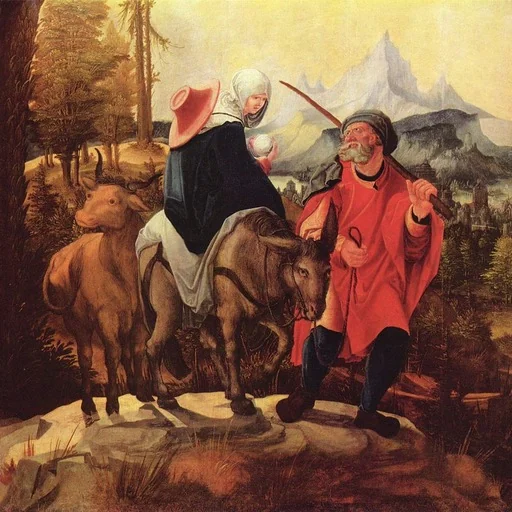
Wolf Huber (c. 1485 – 3 June 1553) was an Austrian- German painter, printmaker, and architect, who worked in Passau, Germany for most of his life as a leading member of the Danube school.

 Heinrich(?) vom Rhein zum Mohren (1477–1536)
 Portrait of Wilhelm Kannengiesser
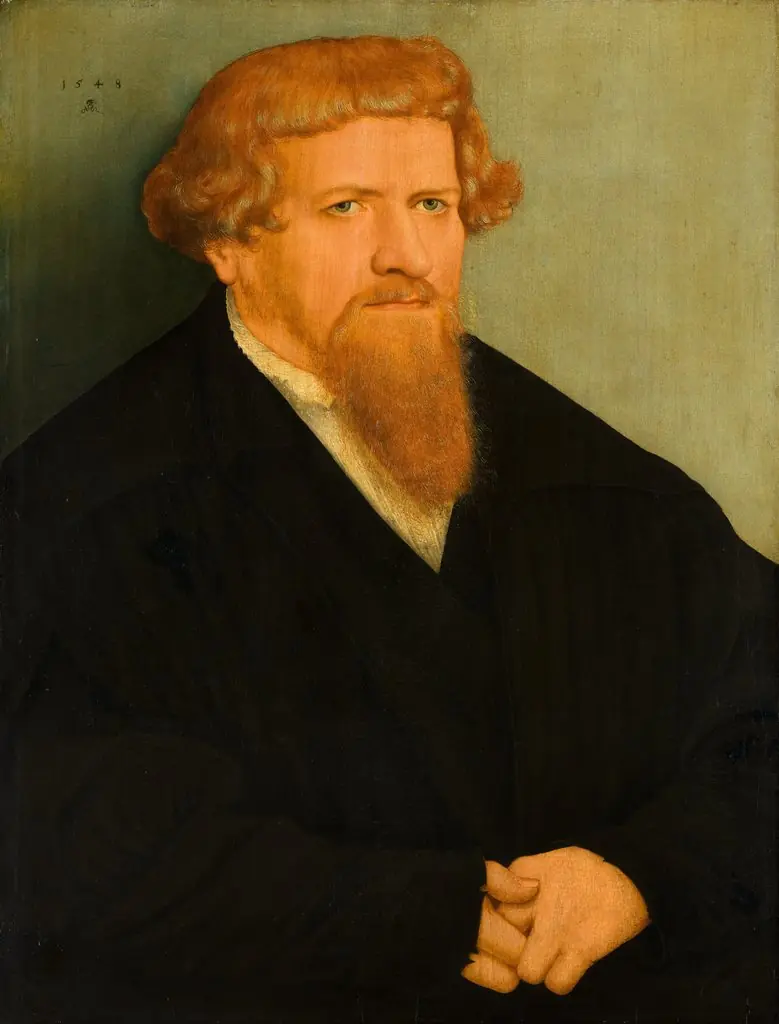 Portrait of a Man with a Red Beard
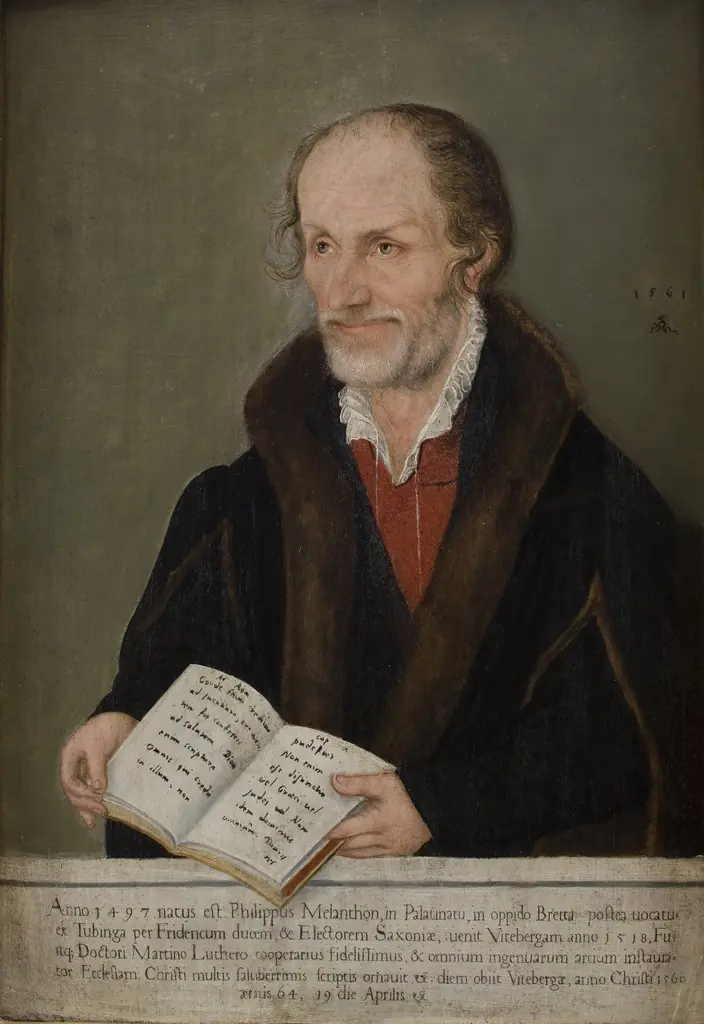 Portrait of Philipp Melanchthon (1497–1560)
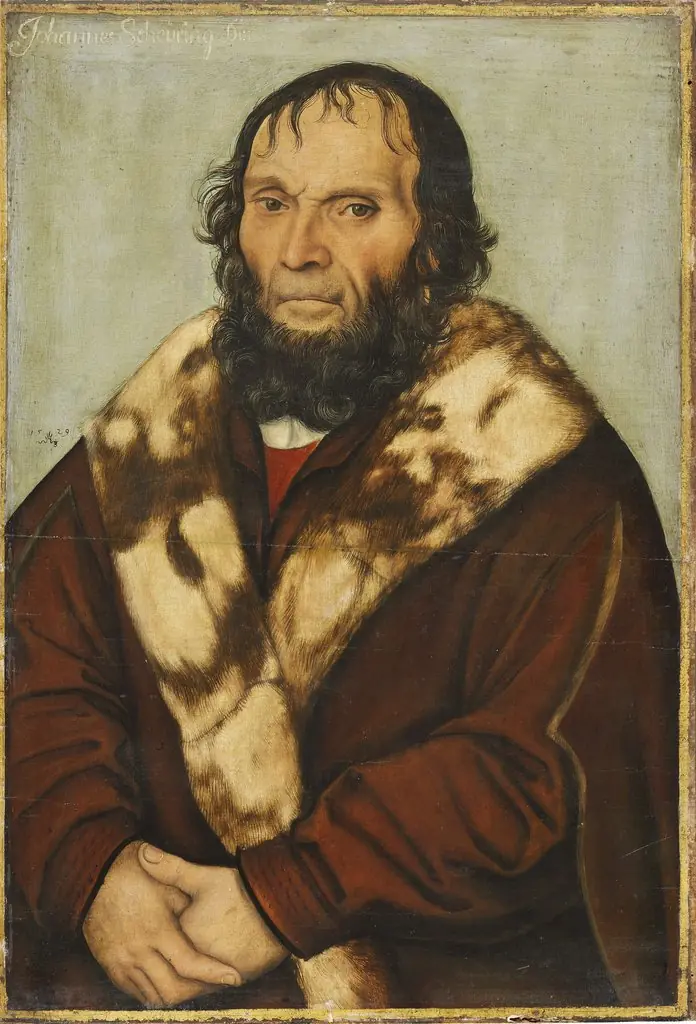 Posthumous Portrait of Dr. J. Scheyring
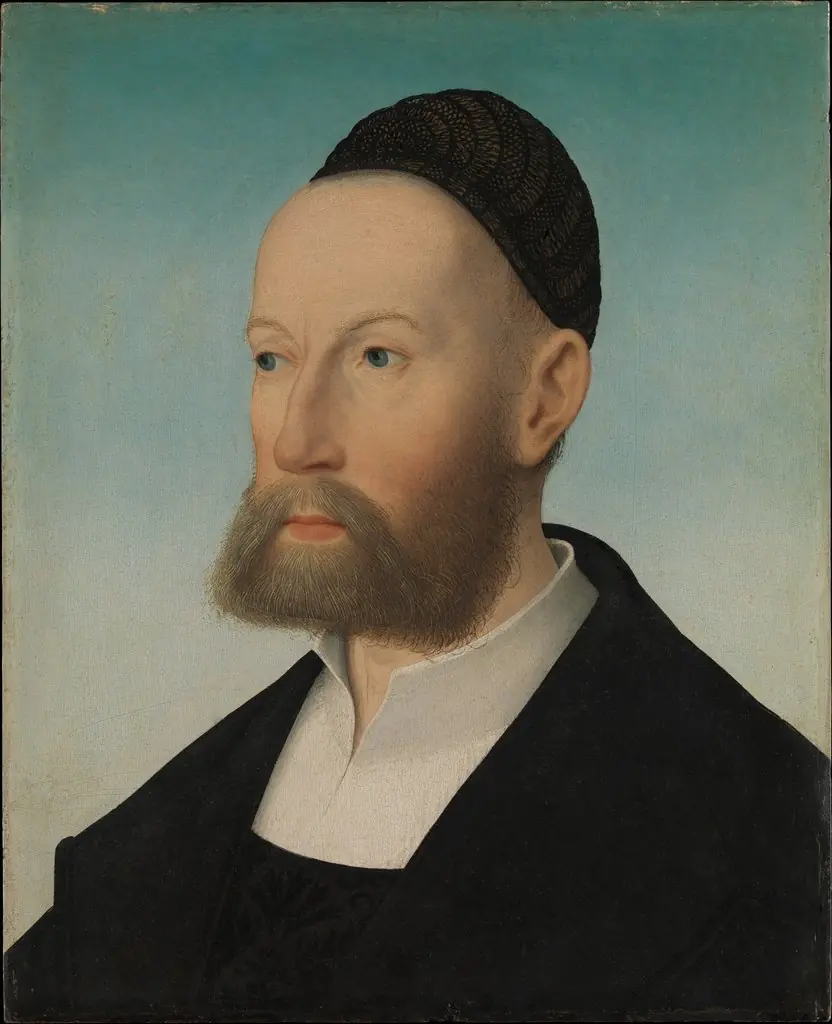 Ulrich Fugger (1490–1525)
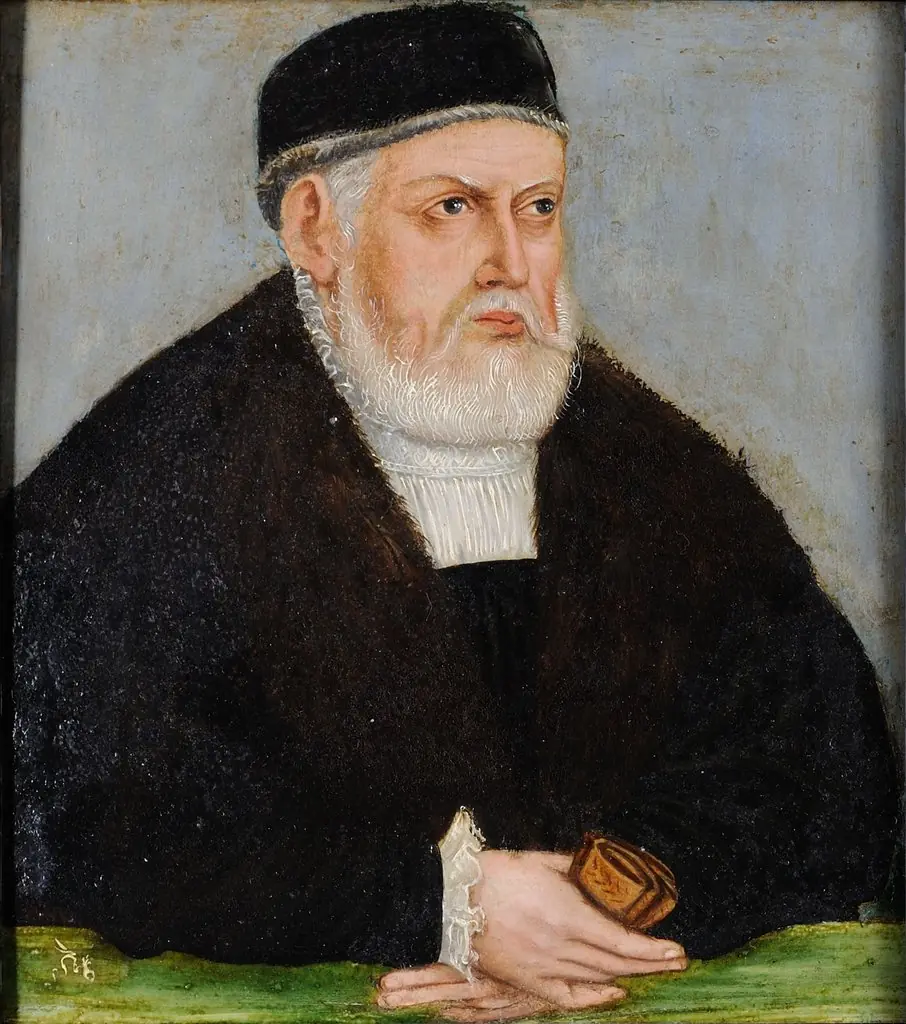 Portrait of Sigismund I the Old
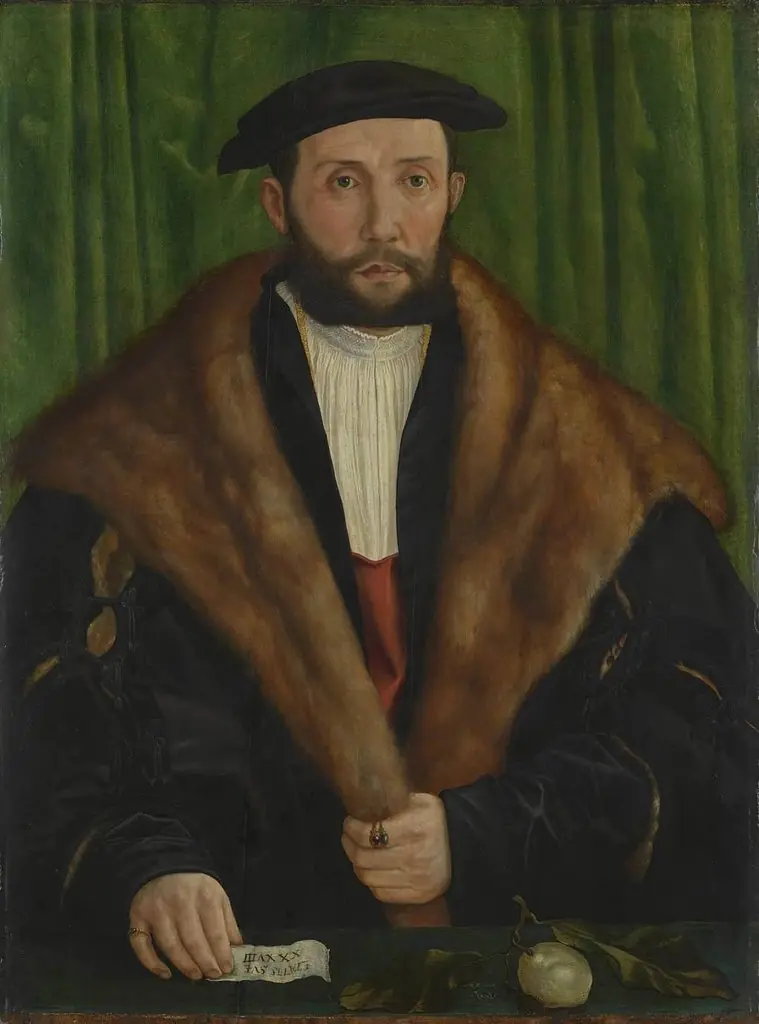 Ligsalz-Bildnisdiptychon: Andreas Ligsalz
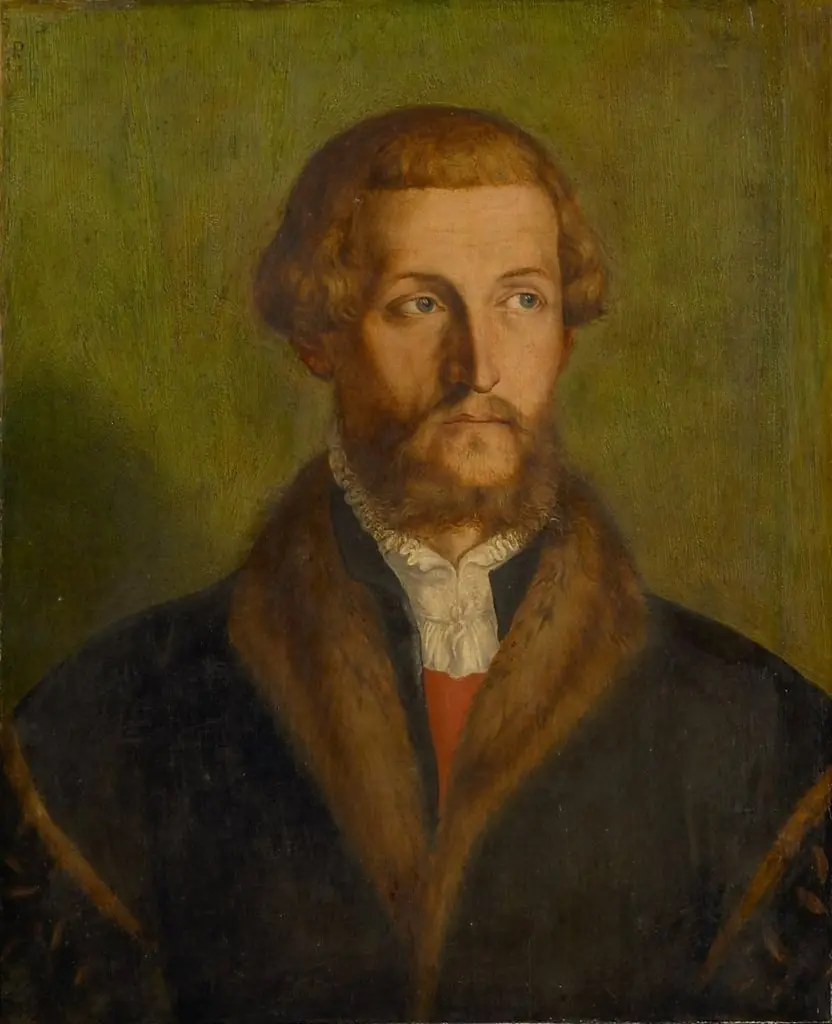 Portrait of a bearded man
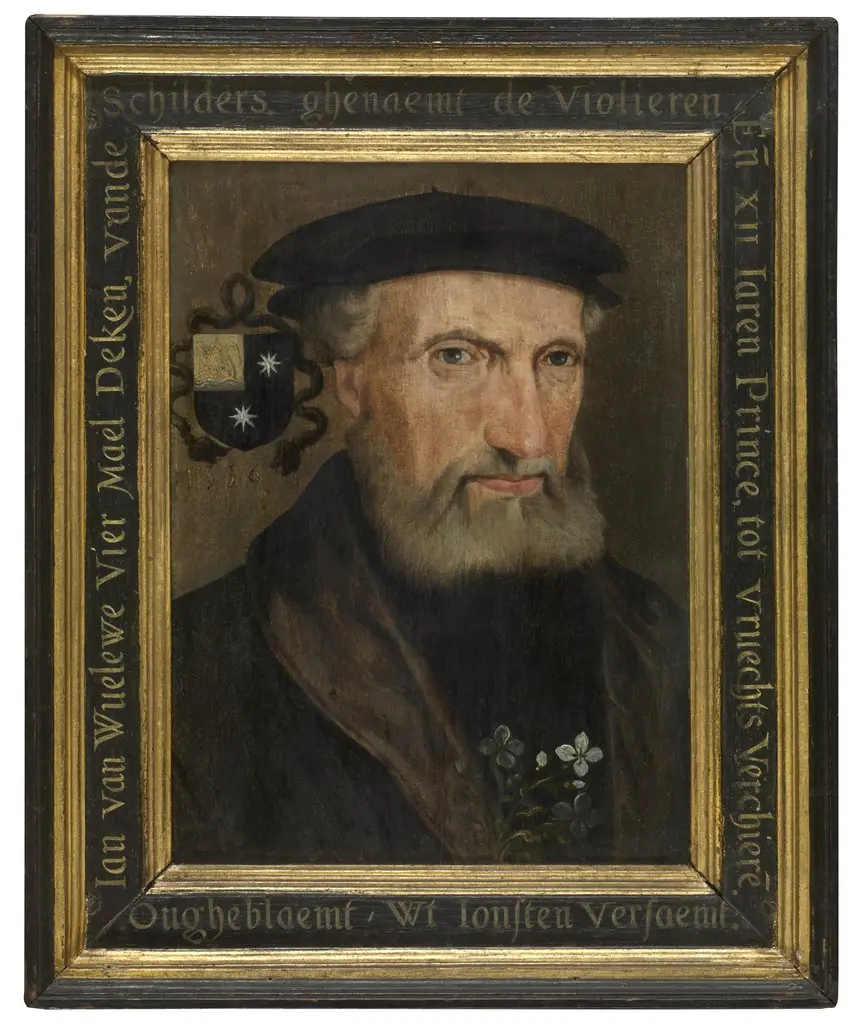 The Painter Jan van Wueluwe
 Portrait of an old man
 Bildnis eines bärtigen Mannes