Artwork
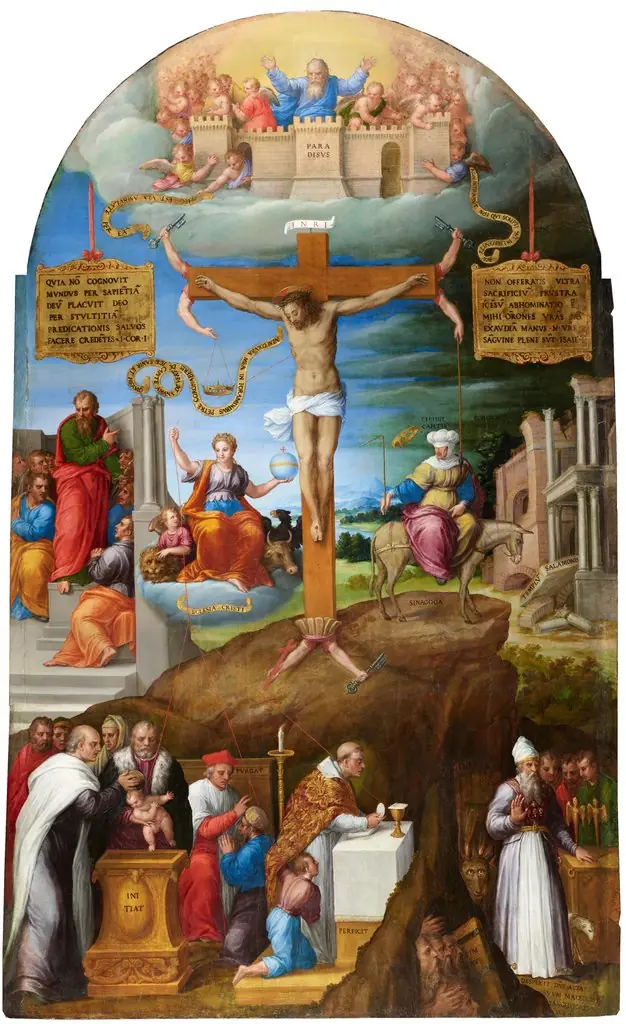
Erlösungsallegorie
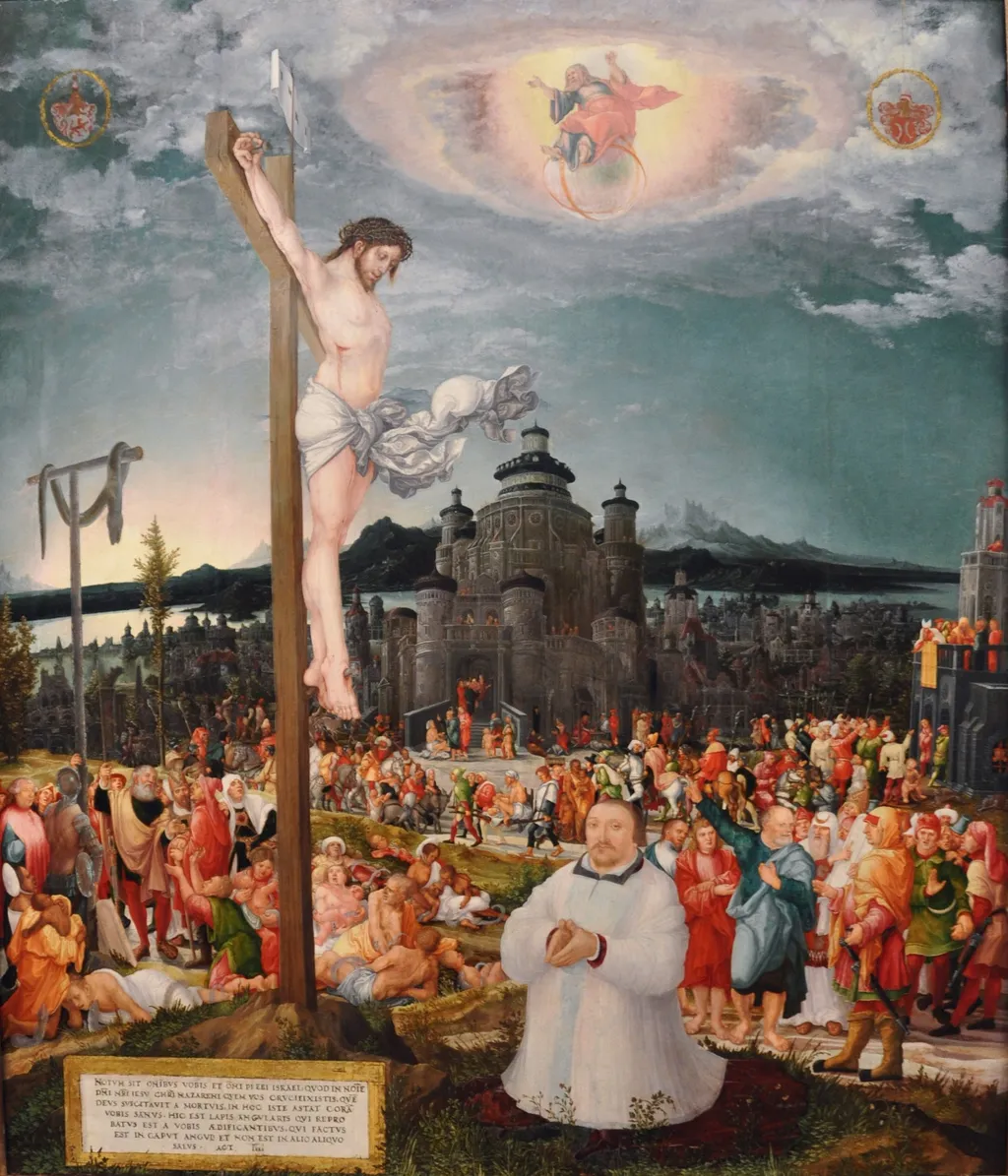
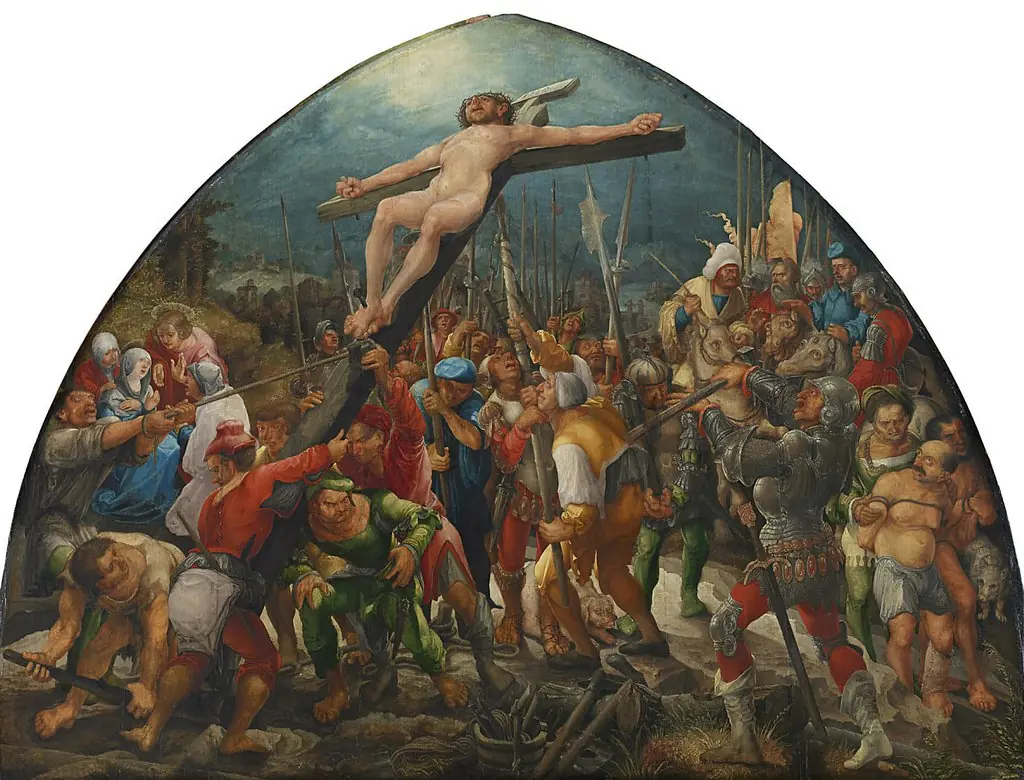
Erlösungsallegorie is an unspecified painting by the Mannerist artist Wolf Huber. It dates from 1543 and is held in the collection of the Kunsthistorisches Museum.
About this work
Overview
Wolf Huber, an Austrian‑German artist active in the mid‑16th century, produced the oil painting *Erlösungsallegorie* in 1543. Executed while he was based in Passau, the work belongs to the Danube school and is presently part of the Kunsthistorisches Museum’s collection.
Subject & Meaning
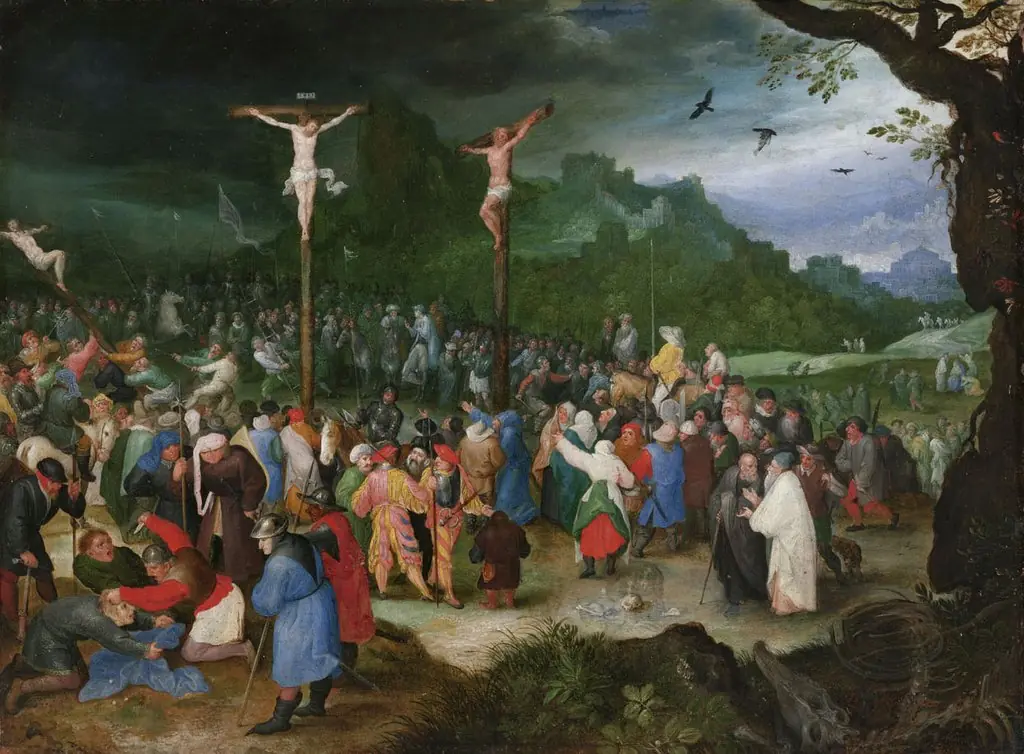
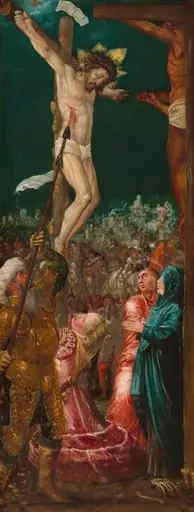
The composition presents a densely populated scene centered on a crucifixion. Christ hangs on a rugged wooden cross, surrounded by a multicolored crowd whose expressions range from grief to astonishment. A figure illuminated from above hovers in the sky, while a man in white robes at the foreground appears to direct attention upward, suggesting a devotional focus on redemption.
Technique & Style
Huber employs the elongated figures and intricate arrangement typical of Mannerist painting, creating a sense of movement within the crowded space. The use of vivid clothing colors and a contrasting luminous figure above the cross demonstrates his skill in handling light and atmospheric depth.
History & Provenance
Created during Huber’s mature period, the painting remained in private or ecclesiastical hands before entering the Kunsthistorisches Museum, where it has been displayed as part of the museum’s representation of Central European religious art.
Context
*Erlösungsallegorie* reflects the Danube school’s interest in dramatic religious narratives and the broader Mannerist tendency toward complex, crowded compositions. Its emphasis on emotional reaction among the onlookers aligns with contemporary Counter‑Reformation visual strategies.
Own this work as a print
Artist & collection
Artist
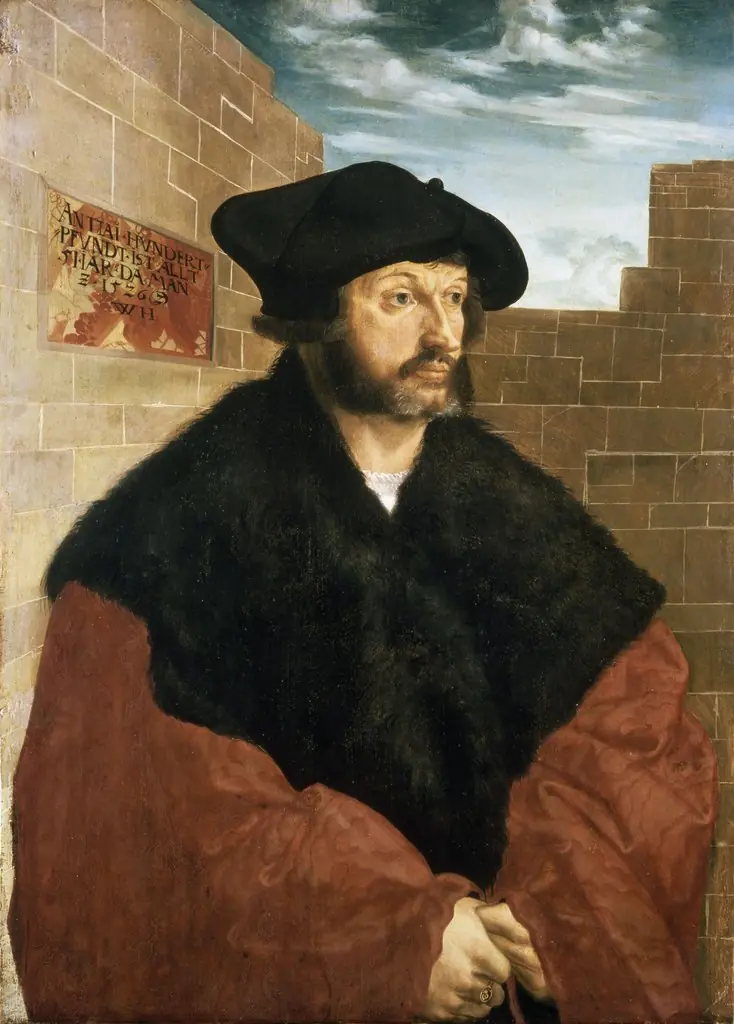
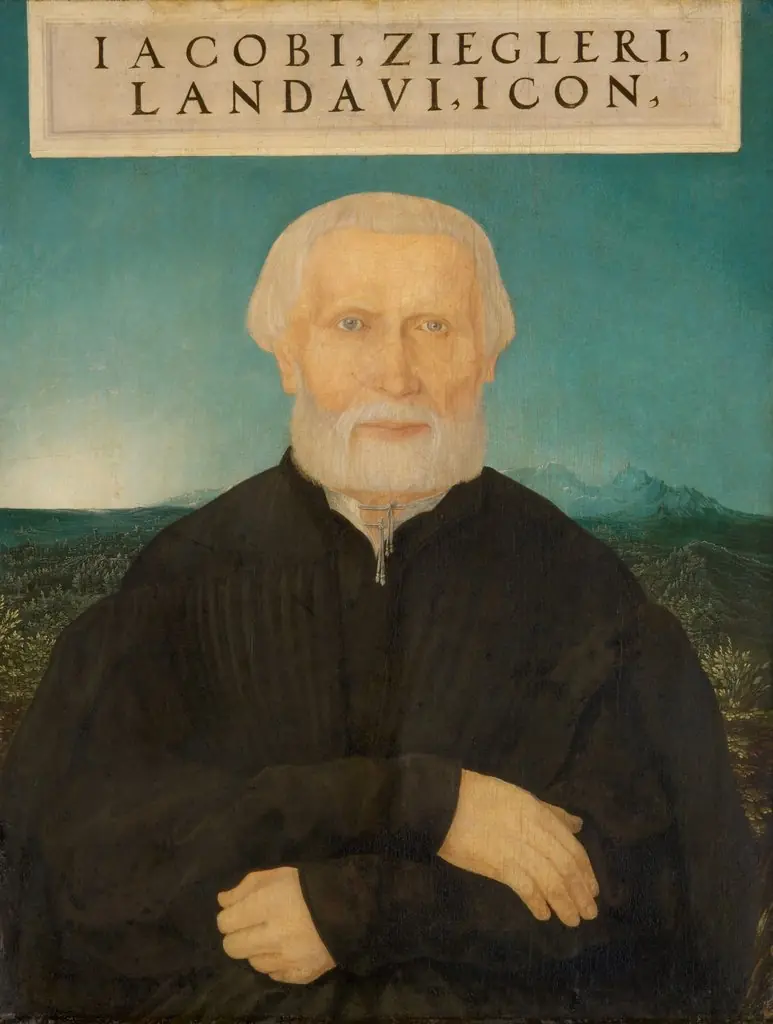
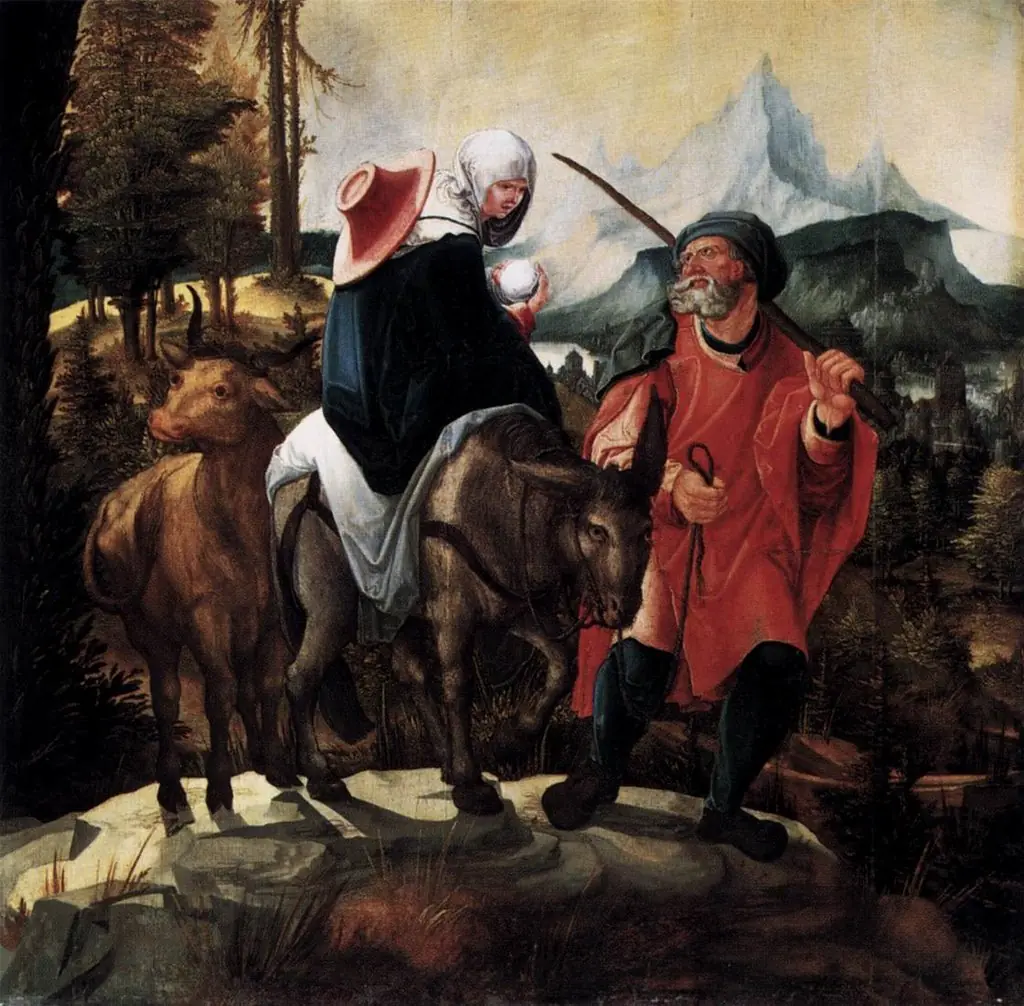
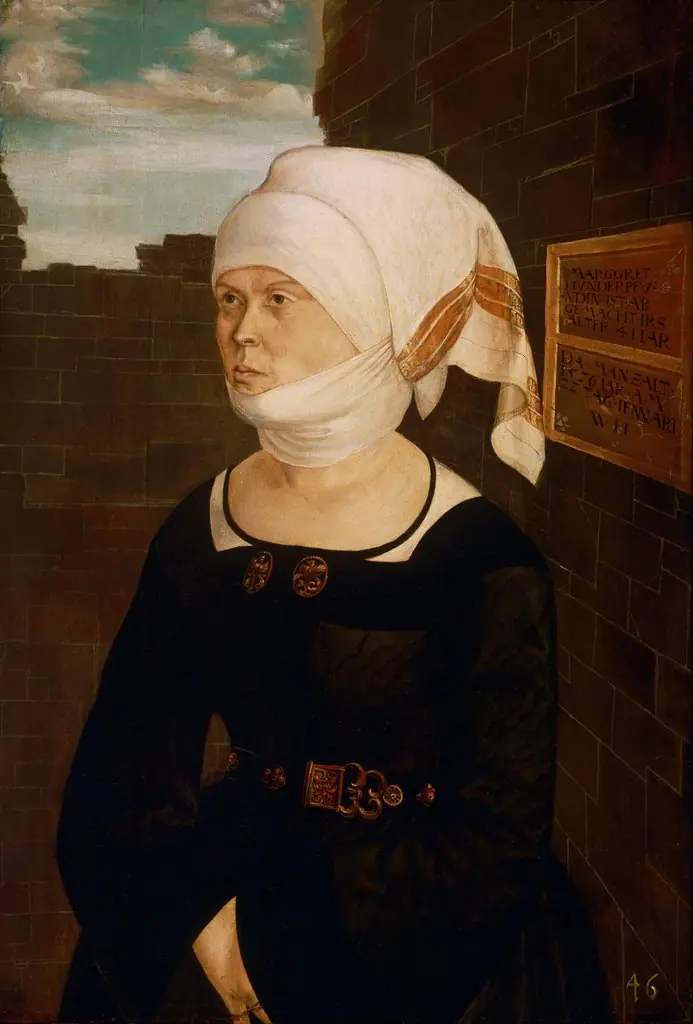
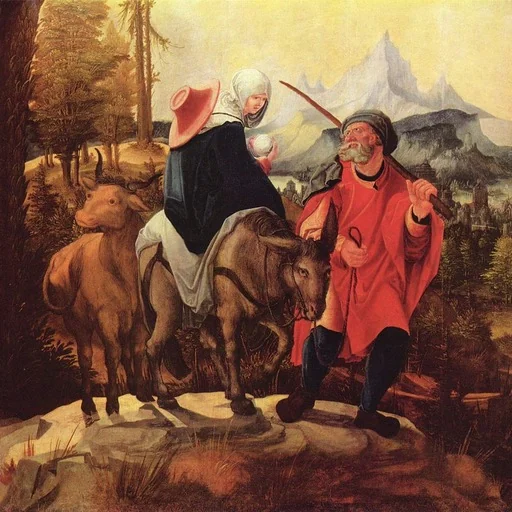
Wolf Huber (c. 1485 – 3 June 1553) was an Austrian- German painter, printmaker, and architect, who worked in Passau, Germany for most of his life as a leading member of the Danube school.