Artwork
The Rest on The Flight into Egypt
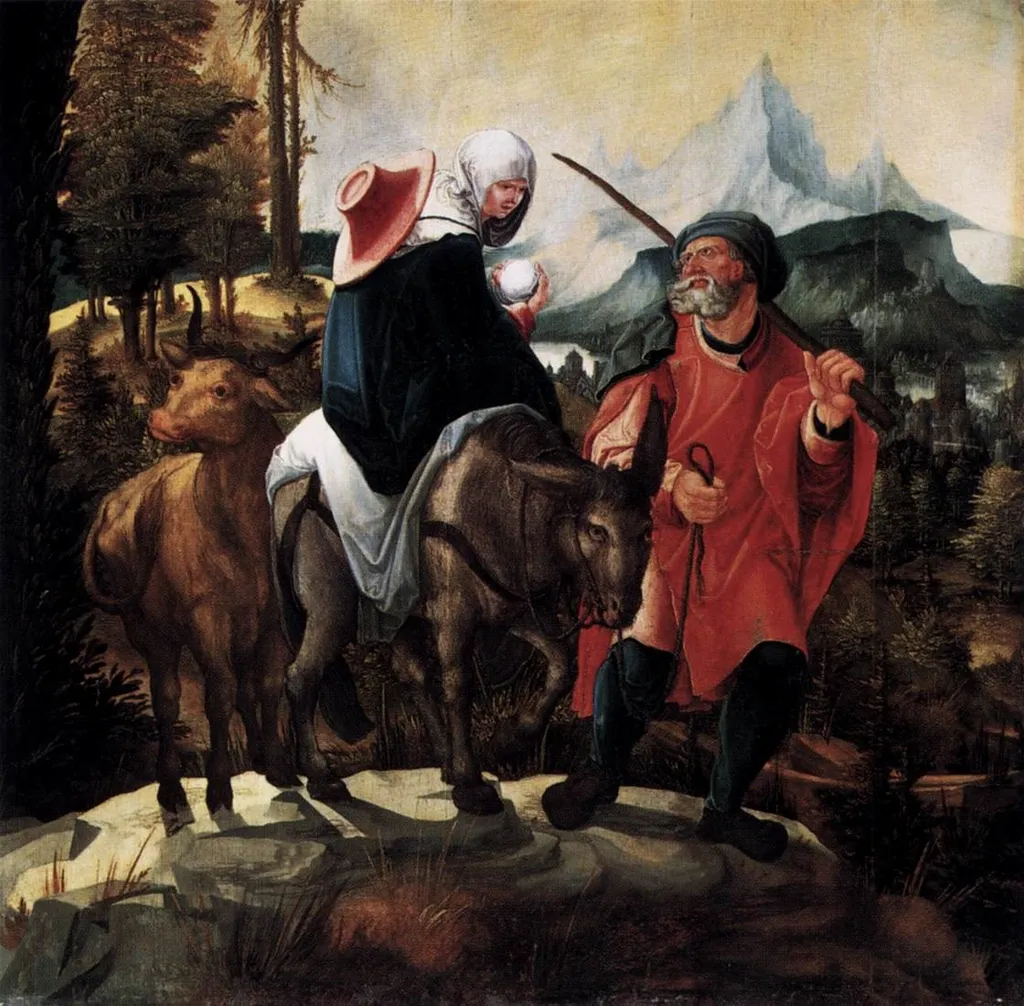
The Rest on The Flight into Egypt is an unspecified painting by the Early Baroque Italian artist Wolf Huber. It dates from 1527 and is held in the collection of the Gemäldegalerie Berlin.
About this work
Overview
Huber, who worked across painting, printmaking, and architecture, rendered the Holy Family’s pause during their flight into Egypt with quiet intimacy.
Painted in 1527 by Wolf Huber, an artist active in Passau, this work belongs to the Danube school, a regional tradition known for integrating landscape with religious narrative. Huber, who worked across painting, printmaking, and architecture, rendered the Holy Family’s pause during their flight into Egypt with quiet intimacy. The scene avoids dramatic spectacle, favoring a contemplative mood grounded in natural surroundings.
Subject & Meaning
The painting illustrates the biblical episode in which Mary, Joseph, and the infant Jesus rest during their escape from Herod’s persecution. Central to the composition, Mary’s tender gaze and protective posture emphasize maternal devotion, while the stillness of the moment suggests divine protection amid uncertainty. The natural setting transforms the sacred journey into a human experience, inviting quiet reflection rather than awe.
Technique & Style
Huber employed a restrained palette of earth tones—olive, ochre, and muted greens—to unify the figures with their environment. Delicate brushwork captures the texture of fabric and foliage, while subtle chiaroscuro models forms without harsh contrasts. The landscape is rendered with careful attention to botanical detail, reflecting the Danube school’s interest in observed nature as a spiritual backdrop.
History & Provenance
Created during Huber’s mature period in Passau, the painting reflects his engagement with both Northern European traditions and emerging Italian compositional ideas. Though records of its early ownership are sparse, it remained within regional collections before entering a public collection in the 19th century. Its survival in relatively intact condition is uncommon for works of this period in Central Europe.
Context
In the 1520s, religious upheaval reshaped artistic patronage across the Holy Roman Empire. While Reformation ideals discouraged elaborate religious imagery, many artists continued producing devotional works for private or Catholic patrons. Huber’s quiet, nature-infused approach offered a spiritually resonant alternative to both medieval iconography and emerging Mannerist drama.
Legacy
Huber’s treatment of the Flight into Egypt influenced later regional painters who favored lyrical landscapes over doctrinal intensity. His synthesis of naturalism and sacred narrative became a model for devotional art in southern Germany and Austria, bridging late Gothic sensibilities with early Renaissance observation. Though less known than his Italian contemporaries, his work preserved a uniquely Northern voice in early 16th-century religious art.
Artist & collection
Artist
Wolf Huber (c. 1485 – 3 June 1553) was an Austrian- German painter, printmaker, and architect, who worked in Passau, Germany for most of his life as a leading member of the Danube school.

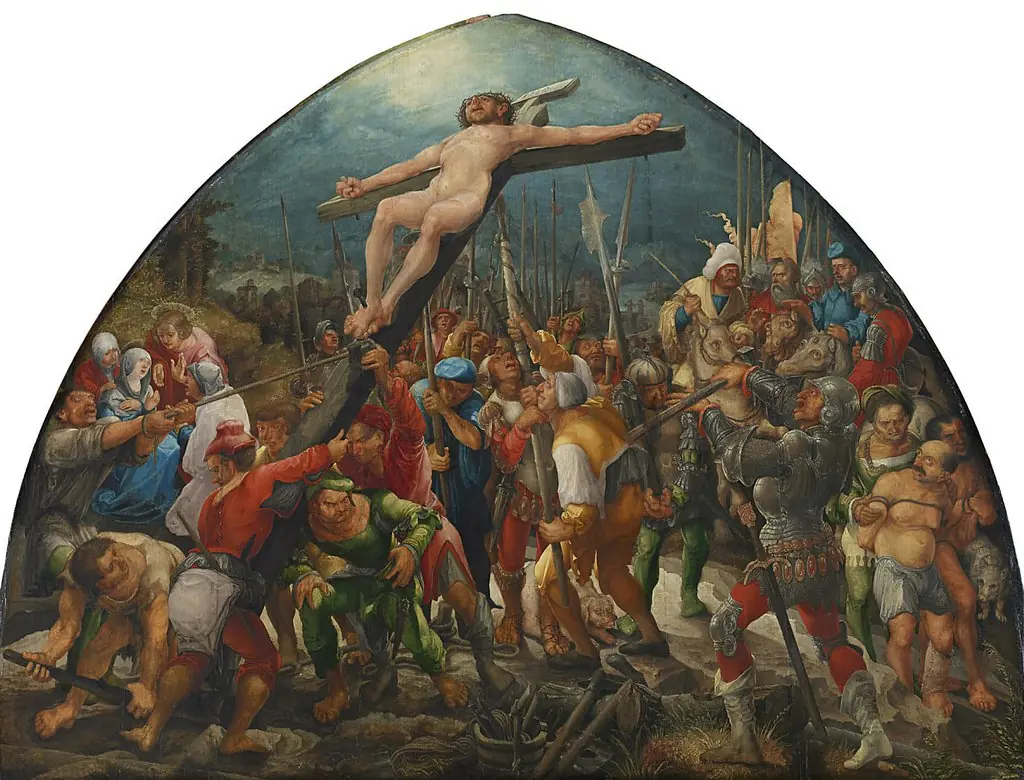
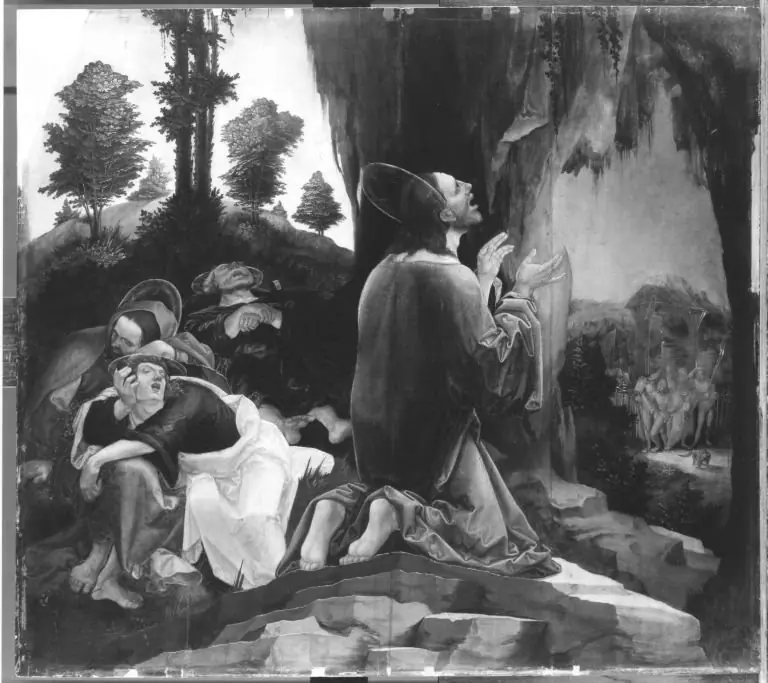
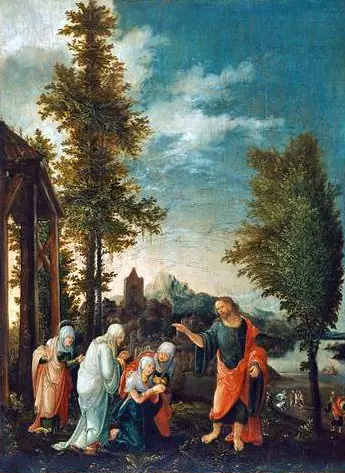
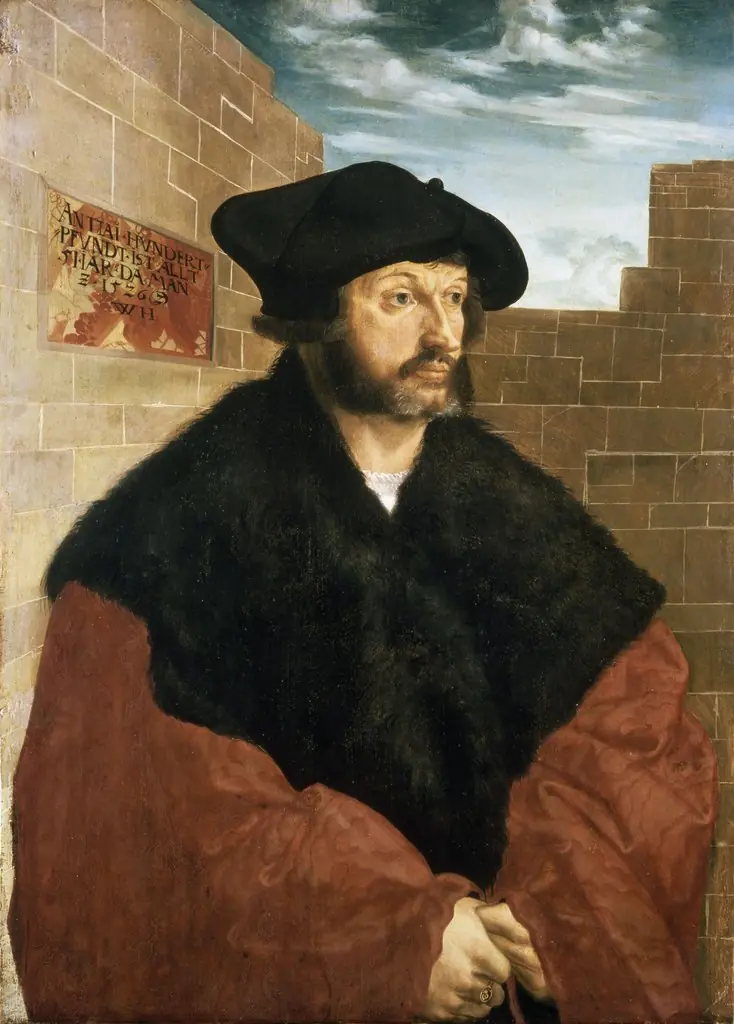
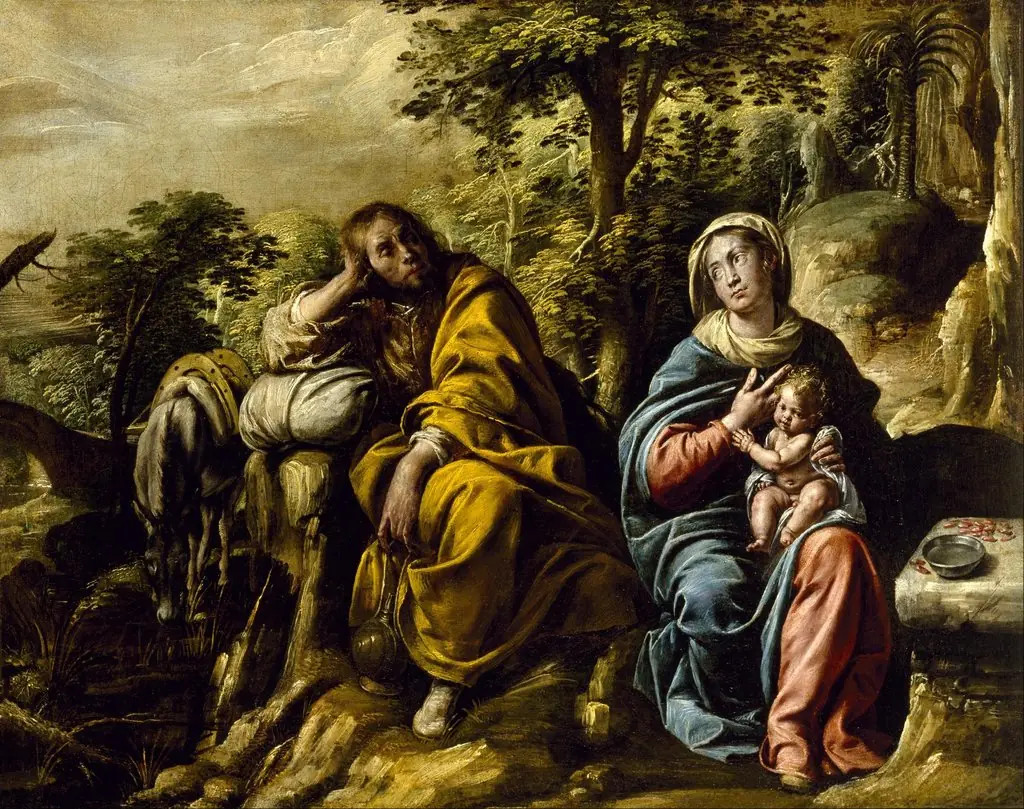 The Rest on the Flight into Egypt
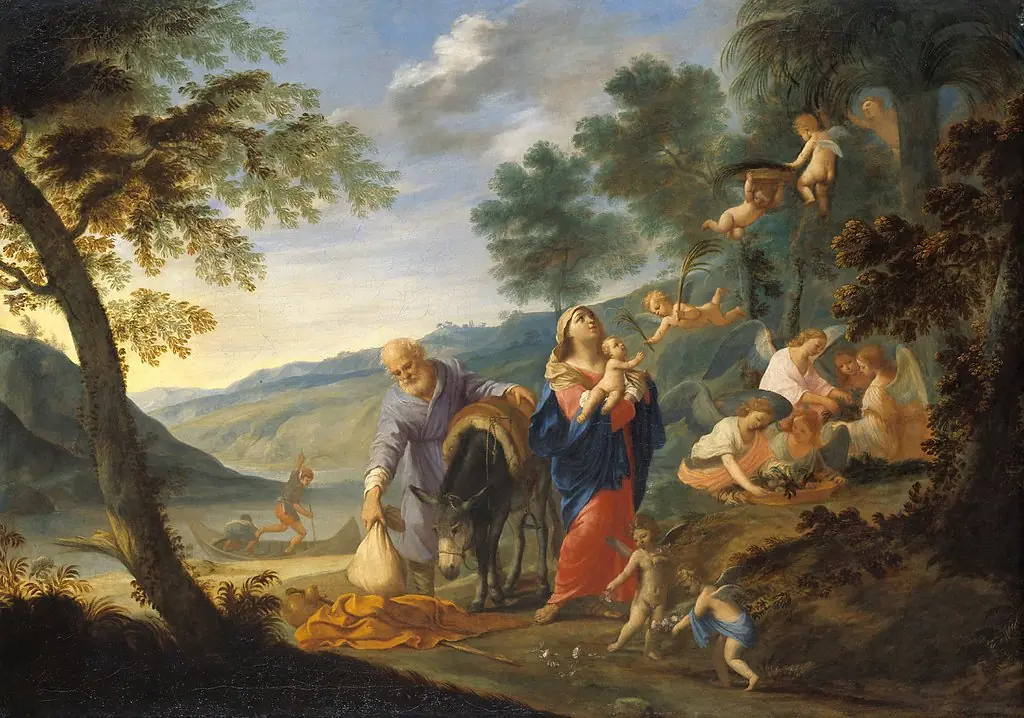 The Rest on the Flight into Egypt
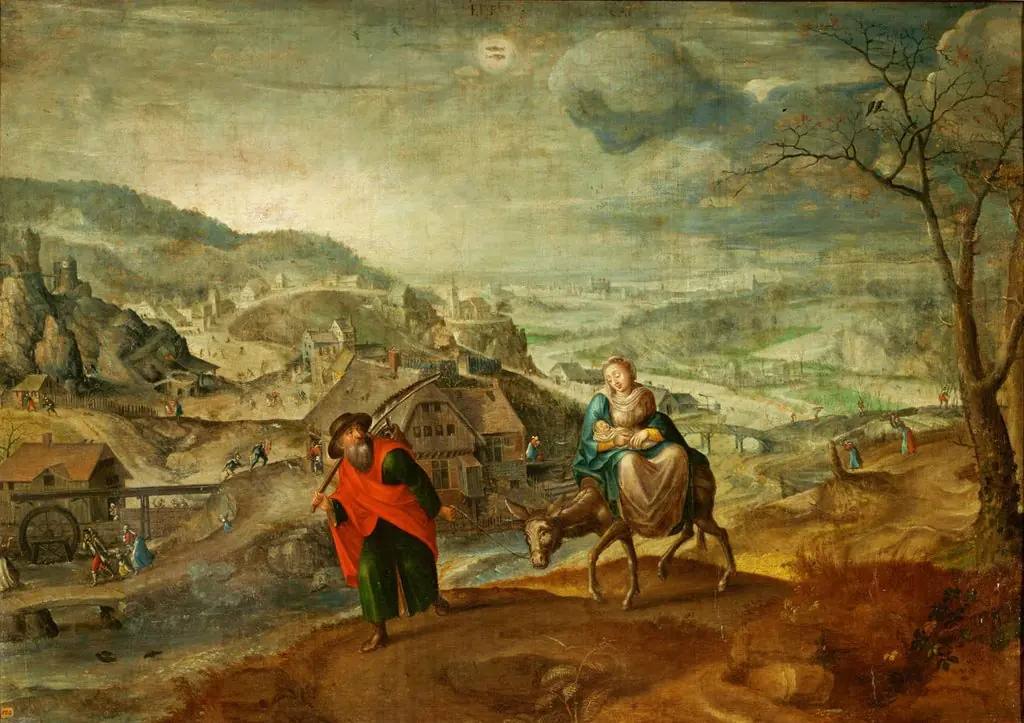 Flight into Egypt (February)
 The Israelites drinking the miraculous Water
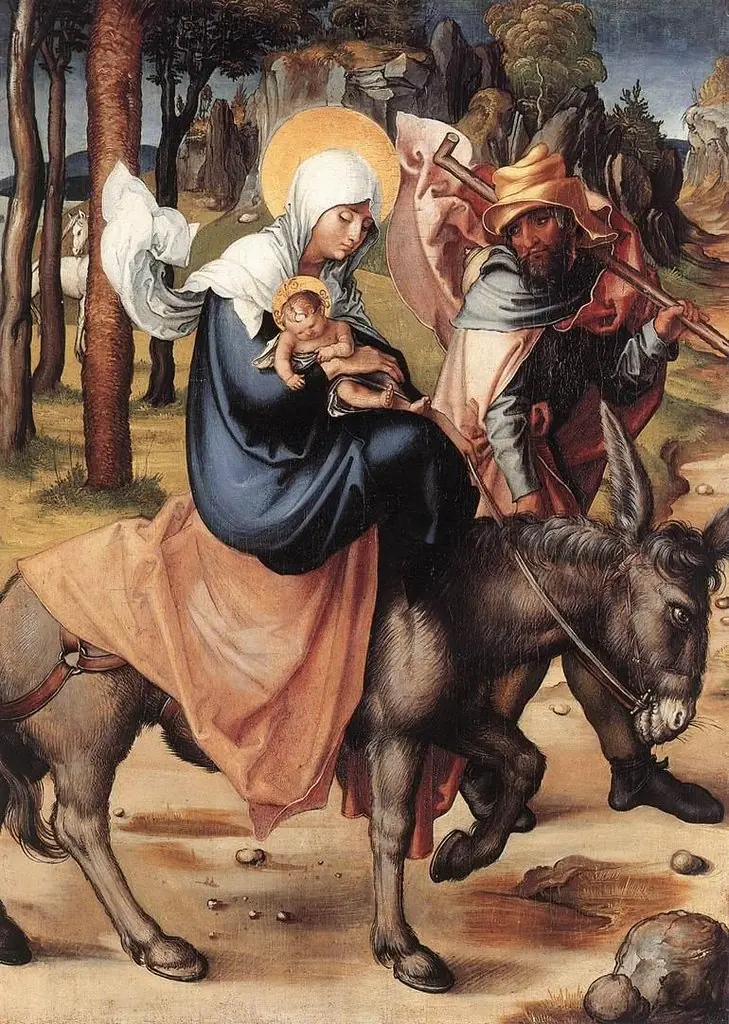 The Seven Sorrows of the Virgin: The Flight into Egypt
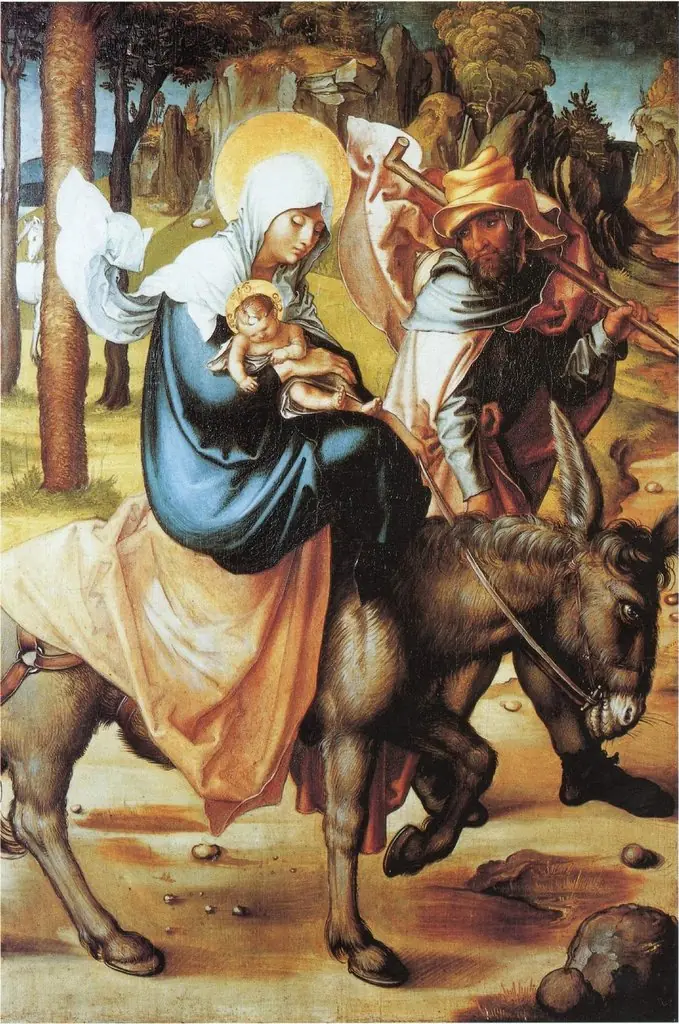 Flight to Egypt
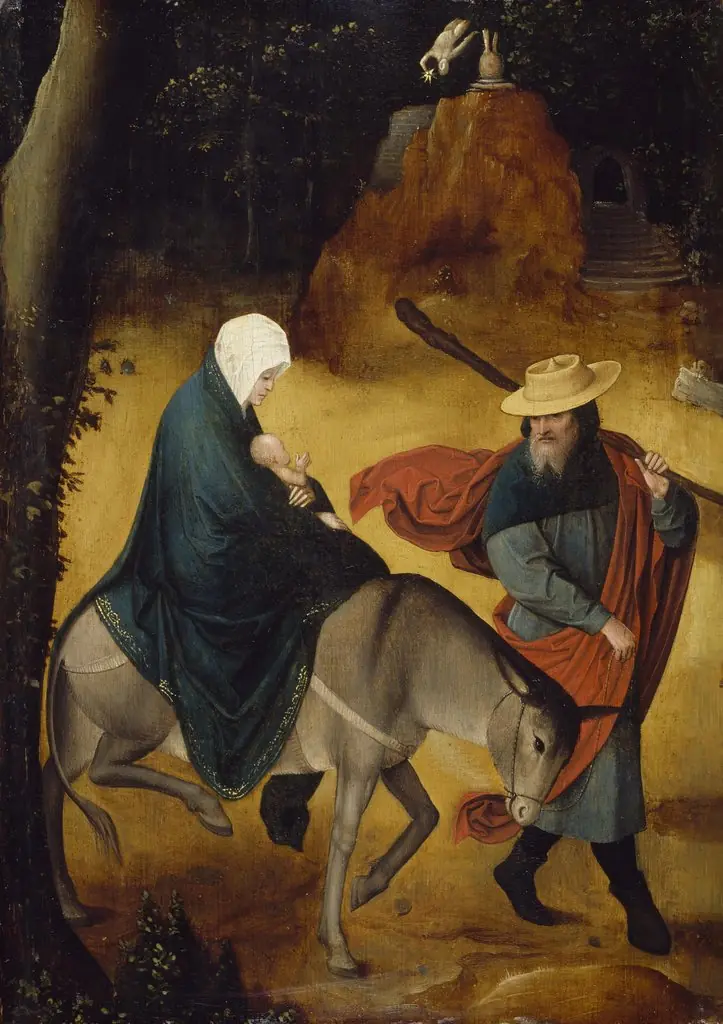 The Flight into Egypt
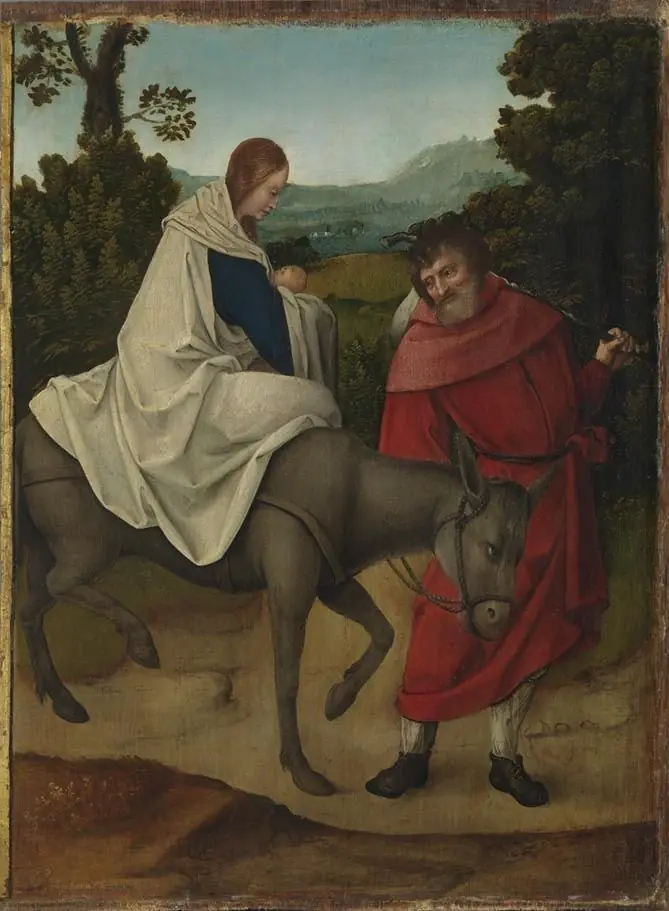 The flight into Egypt
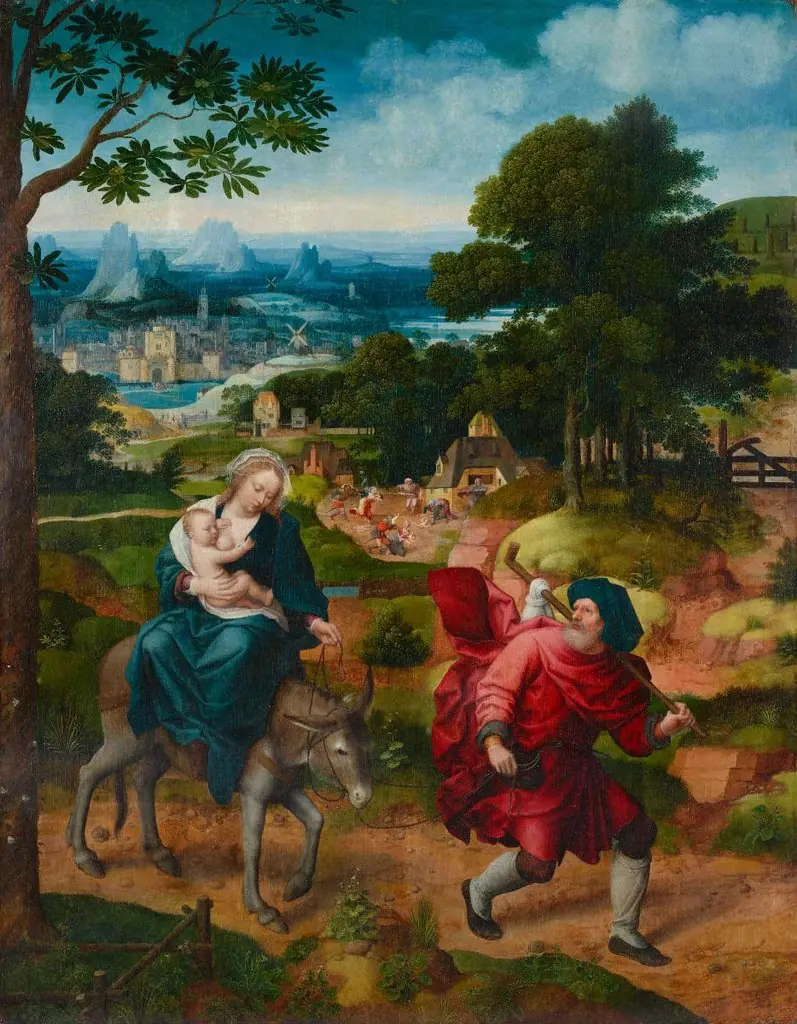 Flucht nach Ägypten
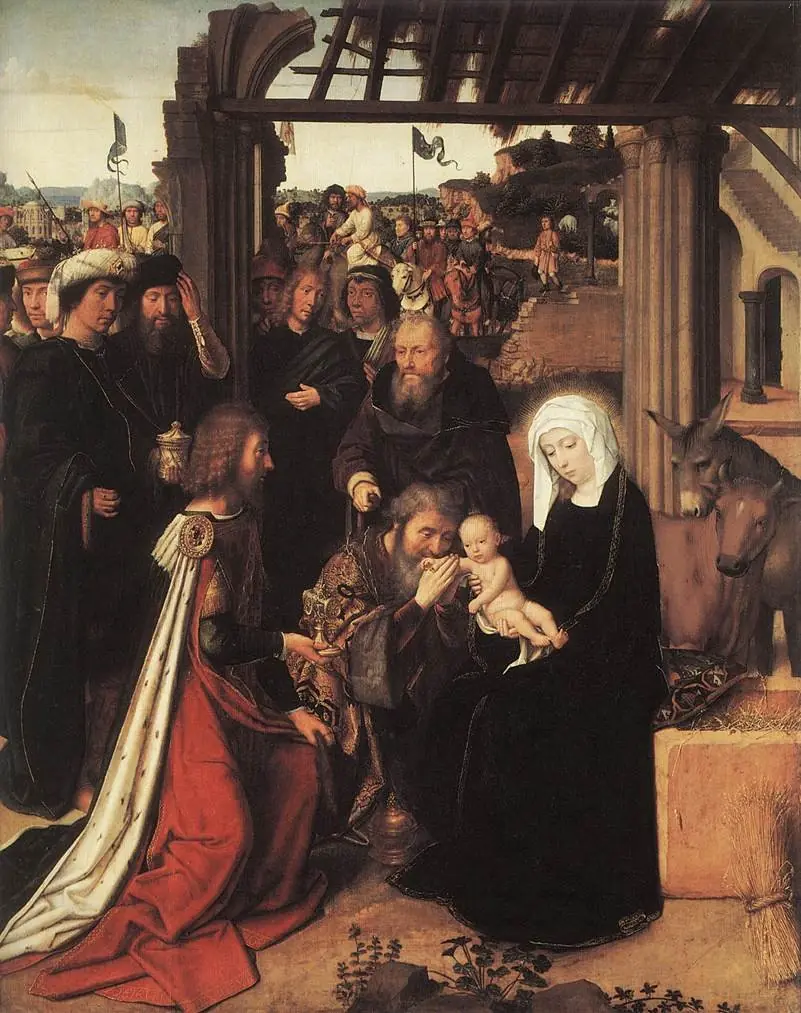 Adoration of the Magi
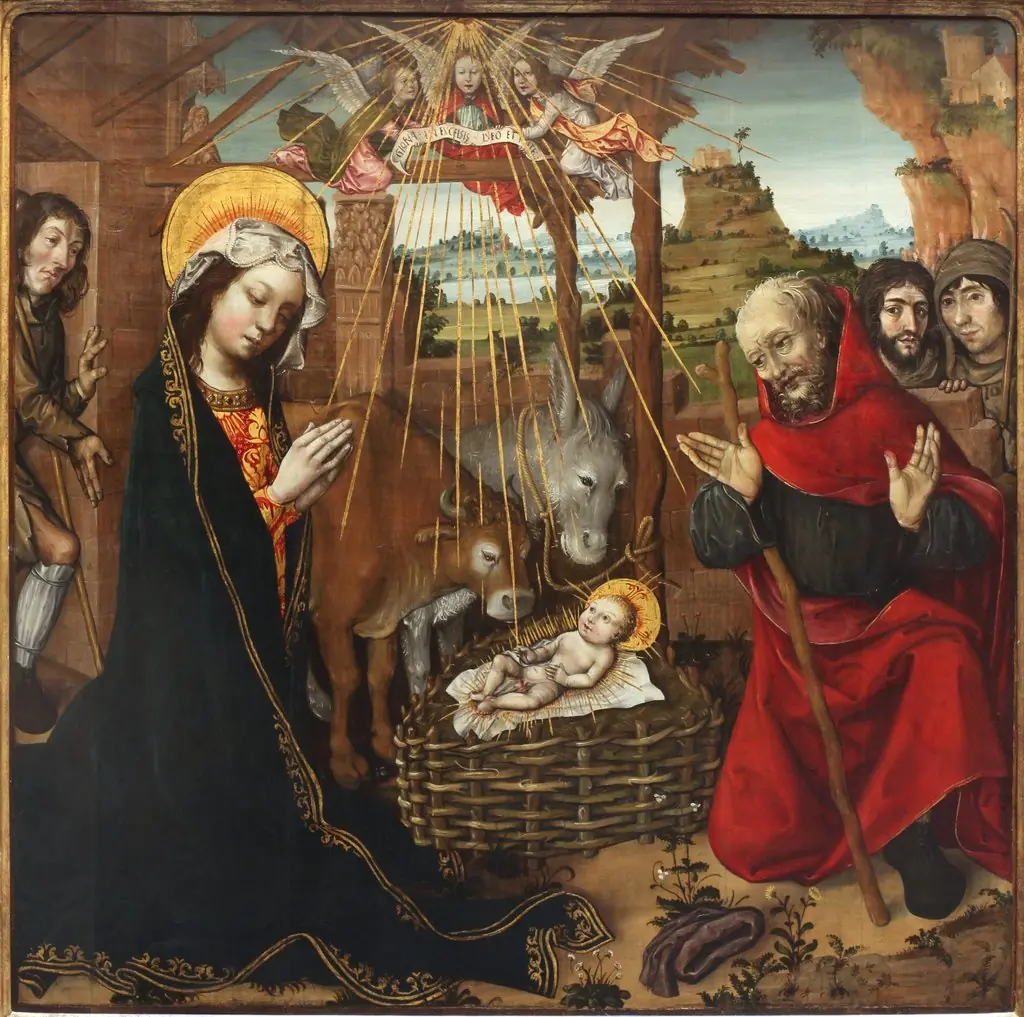 The adoration of the Child
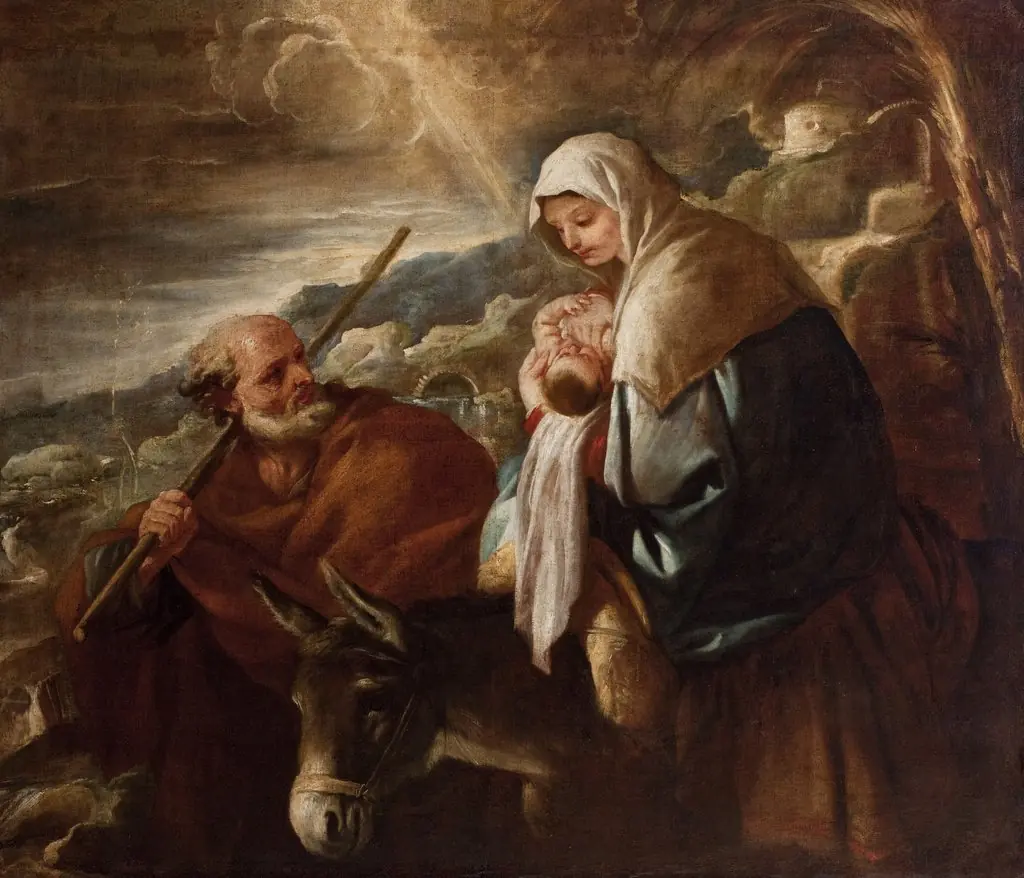 Flight into Egipt