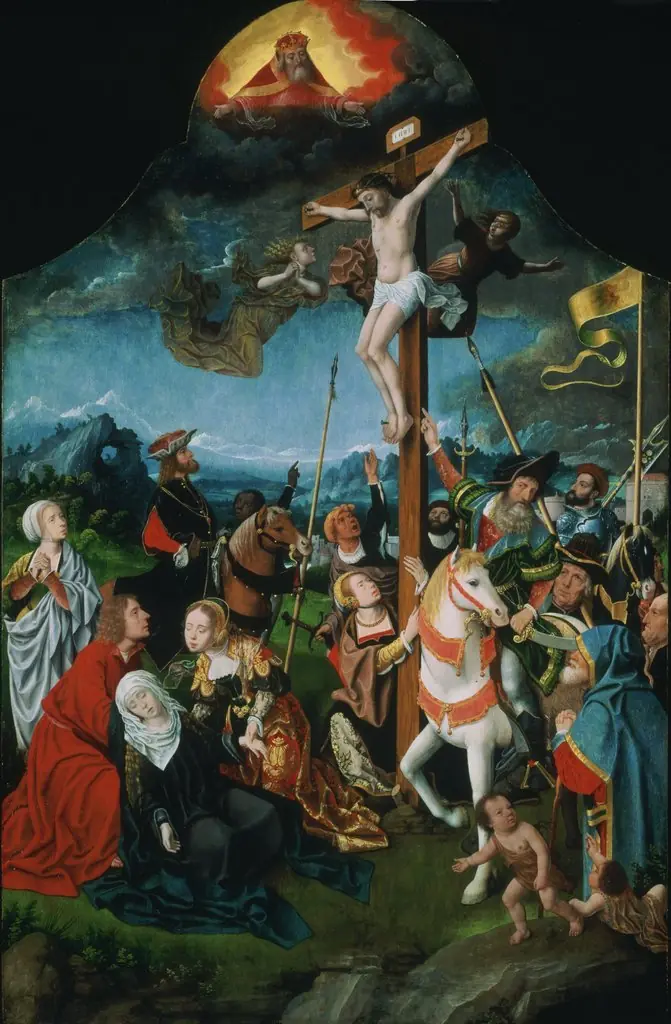
Artwork
Crucifixion of Christ
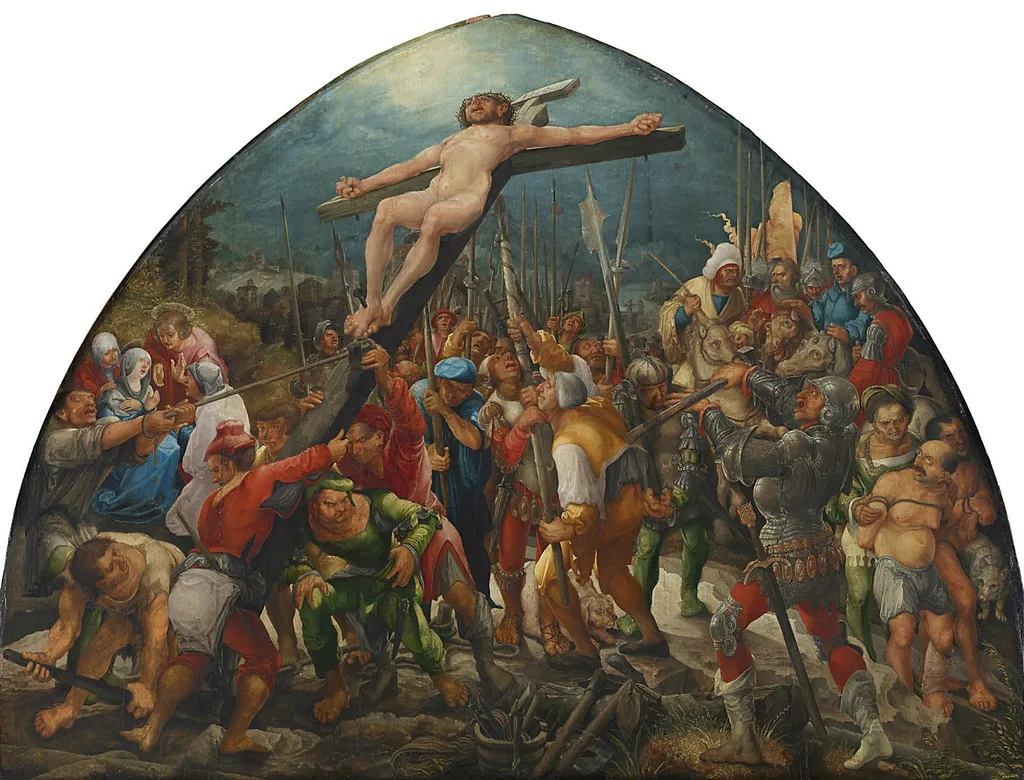
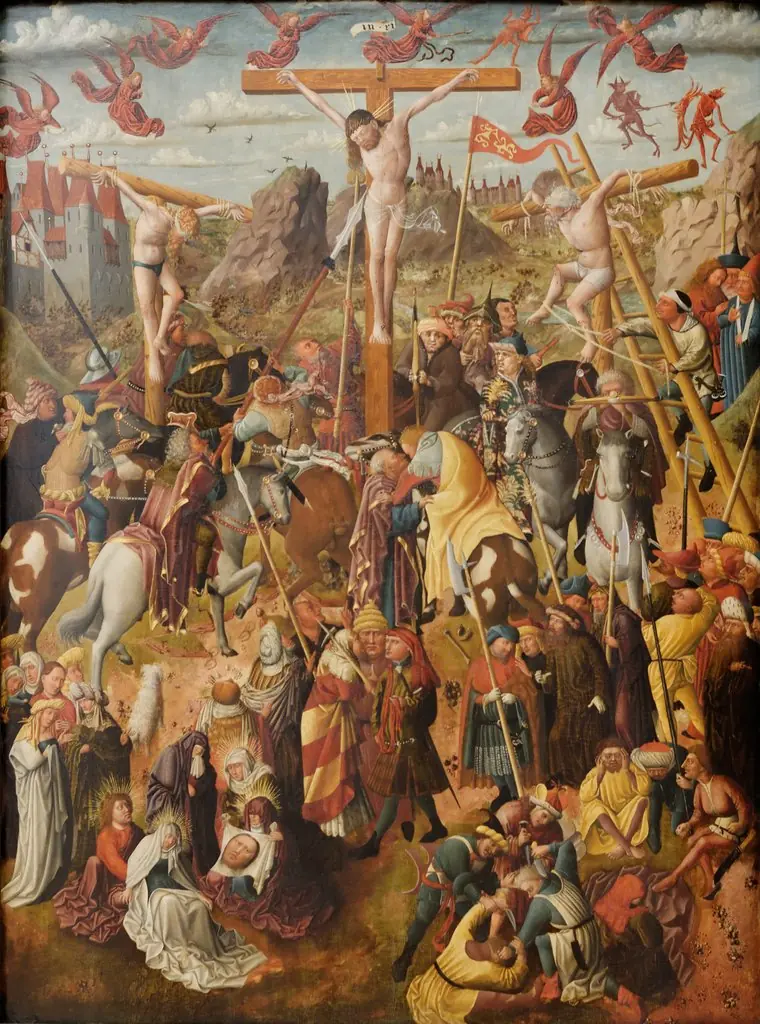
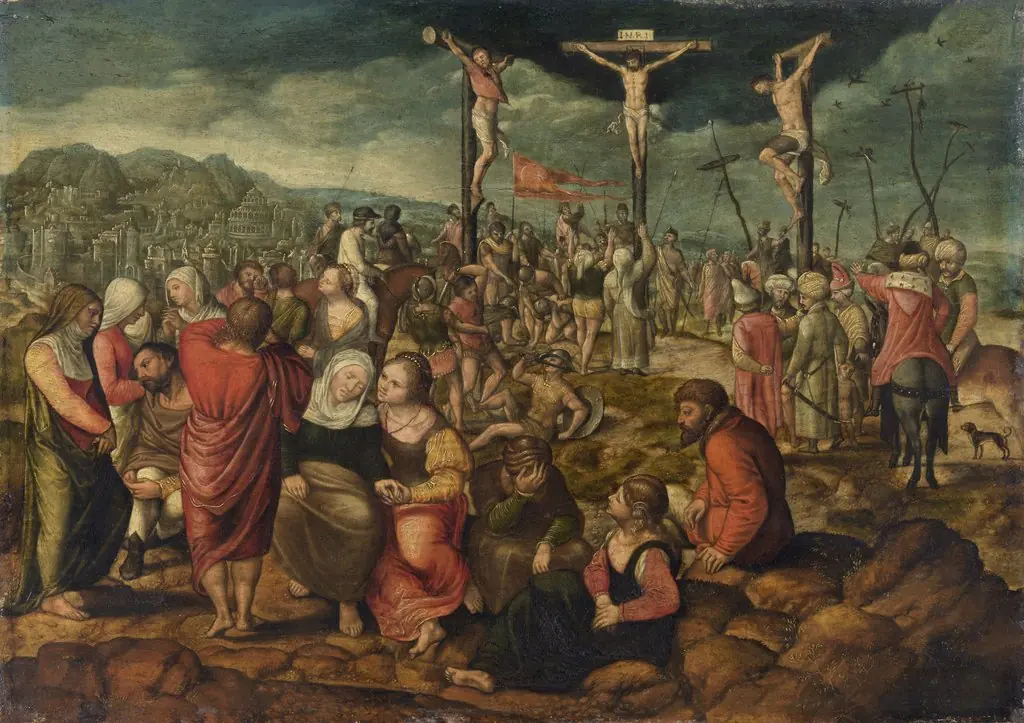
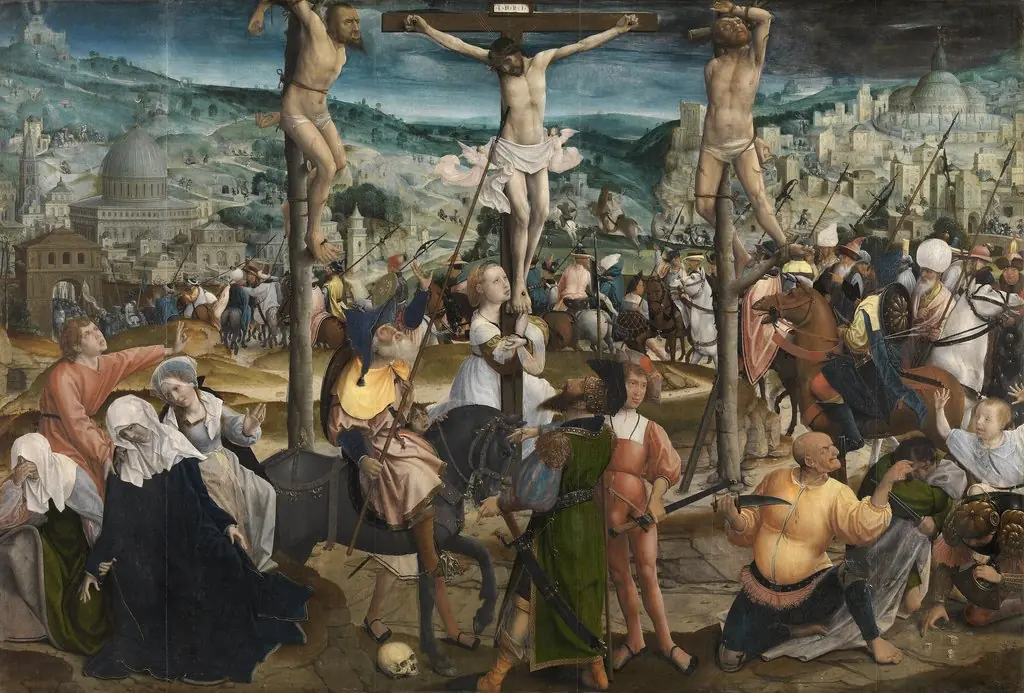
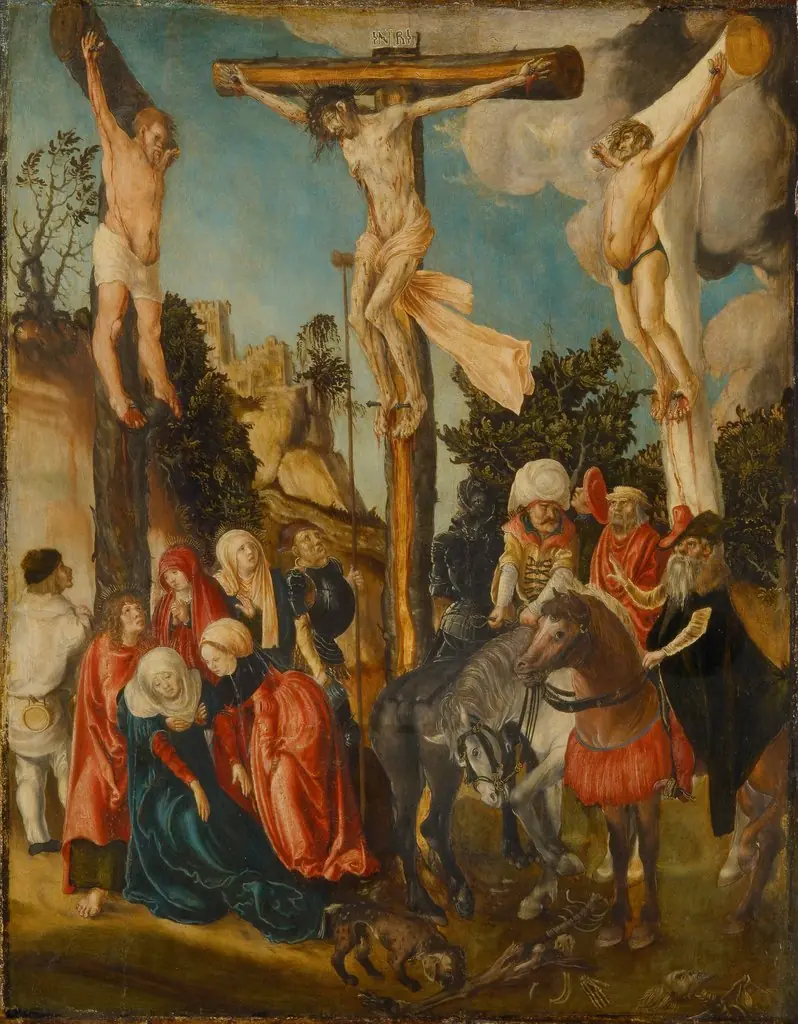
Crucifixion of Christ is an oil painting by the Early Baroque Italian artist Wolf Huber. It dates from 1522 and is held in the collection of the Kunsthistorisches Museum.
About this work
Overview
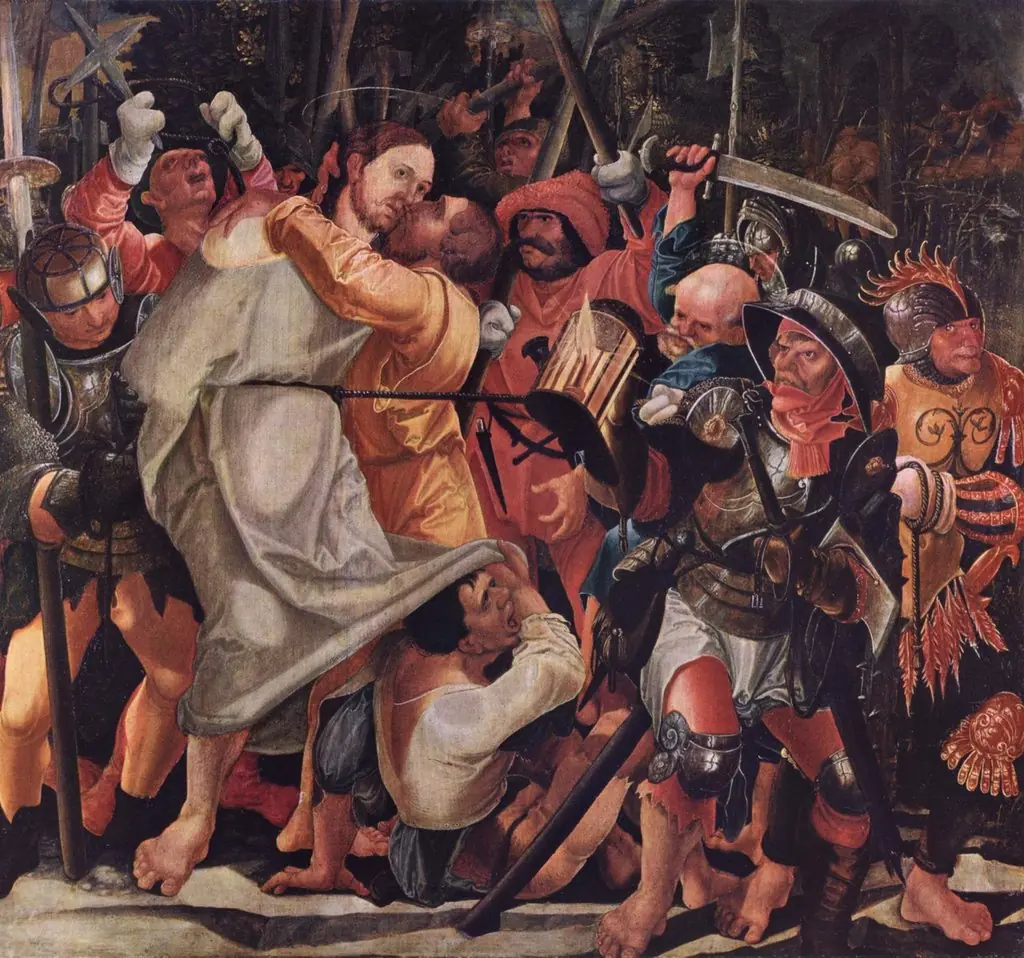
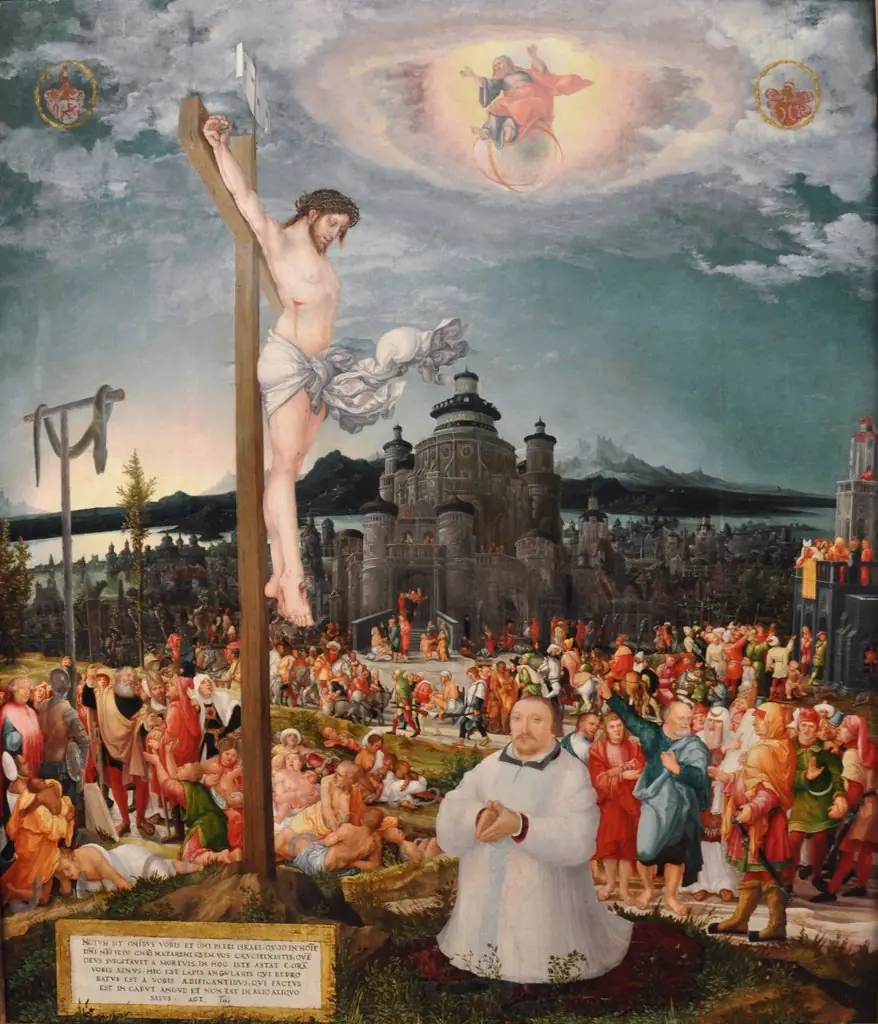
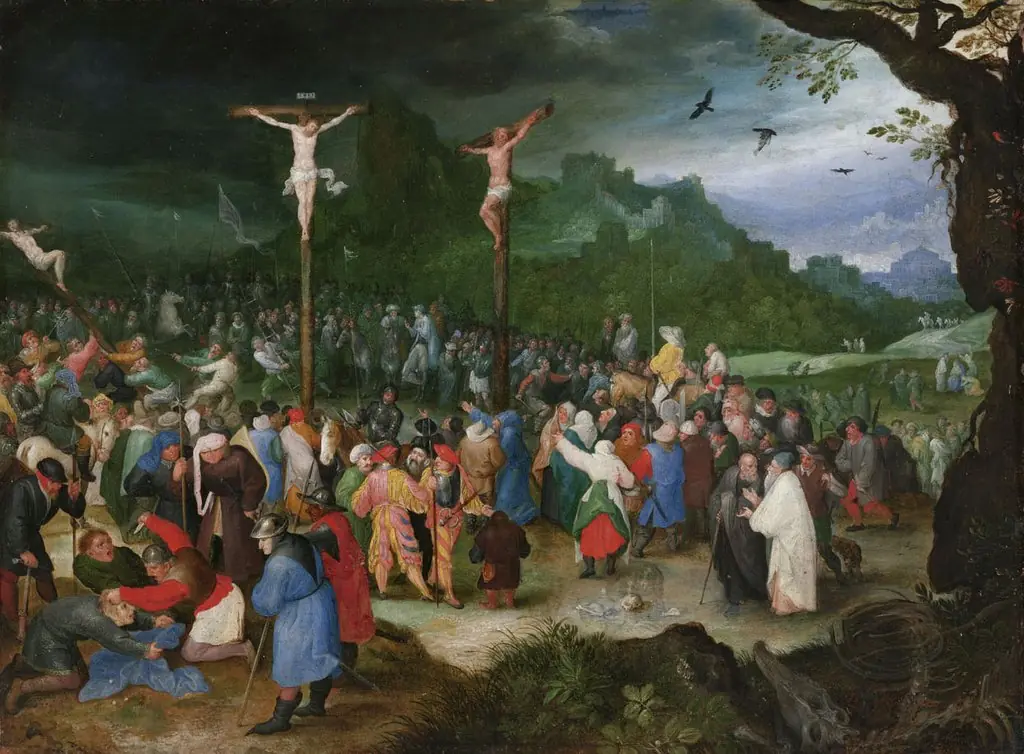
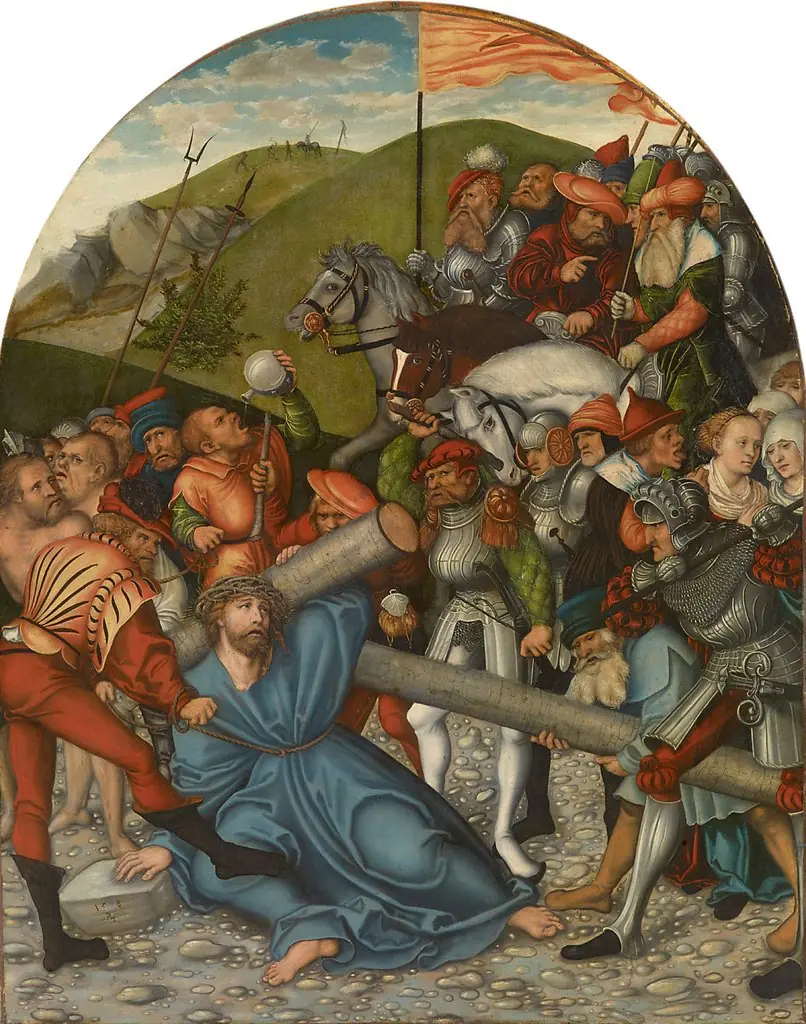
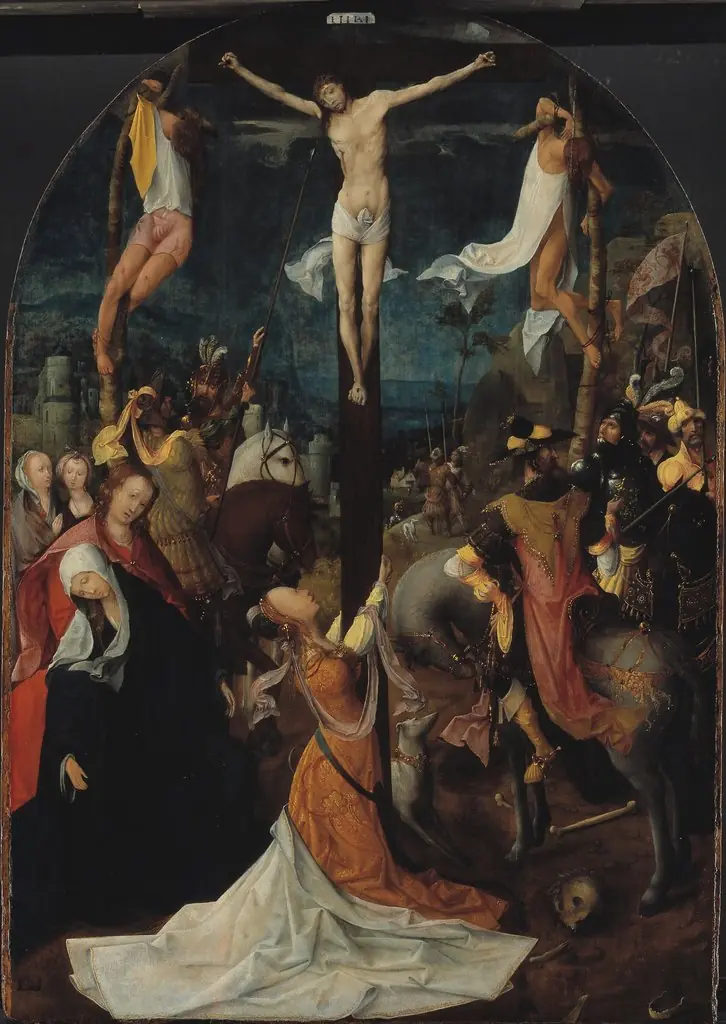
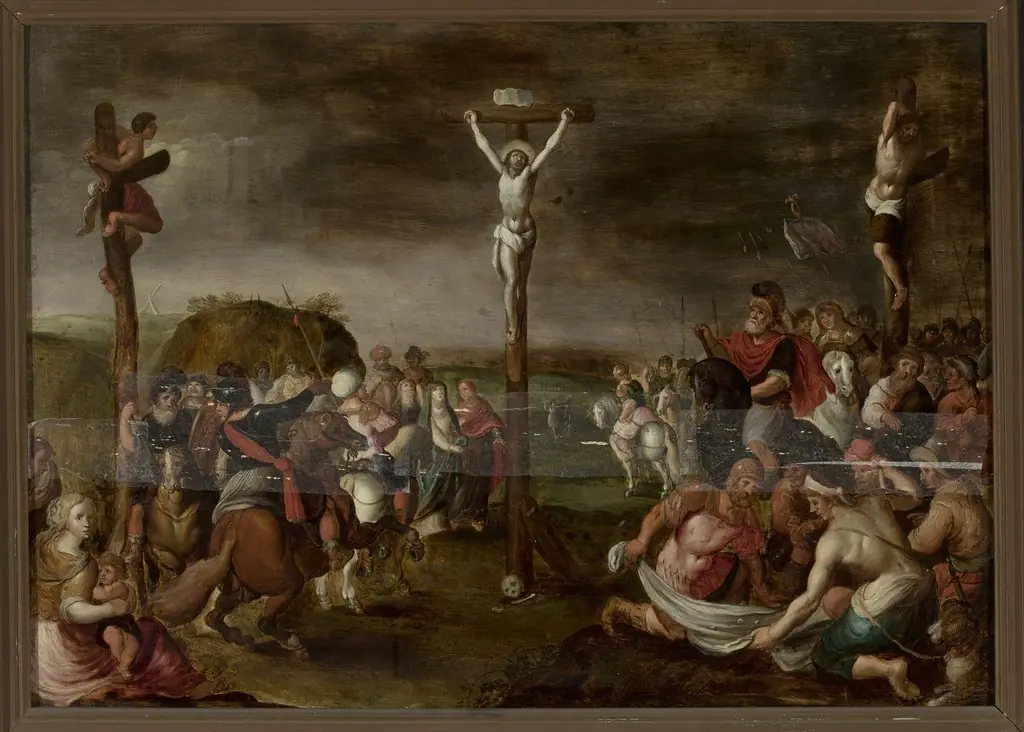
Wolf Huber’s *Crucifixion of Christ* (1522) is an oil painting that belongs to the collection of the Kunsthistorisches Museum. Executed in a style that anticipates early Baroque drama, the work presents the biblical scene of Jesus on the cross surrounded by a tumultuous crowd.
Subject & Meaning
The composition centers on a crowned‑thorns Christ, his arms outstretched on the cross, while soldiers and onlookers clash around him. The varied gestures—jeering, pulling, and spearing—convey the chaotic atmosphere of the crucifixion moment, emphasizing both physical suffering and spiritual significance.
Technique & Style
Huber employs strong chiaroscuro, contrasting luminous, almost golden faces with deep shadows that recede into darkness. This manipulation of light gives the figures a three‑dimensional presence and heightens the emotional intensity, a hallmark of the emerging Baroque aesthetic.
History & Provenance
Born in the Austrian‑German border region, Huber was a leading figure of the Danube school and spent most of his professional life in Passau. The painting entered the Kunsthistorisches Museum’s holdings in the 19th century, where it remains on display.
Context
Created during a period of transition from late Gothic to early Baroque, the work reflects the influence of Italian dramatic narrative while retaining the Northern emphasis on detailed landscape and costume that characterized the Danube school.
Artist & collection
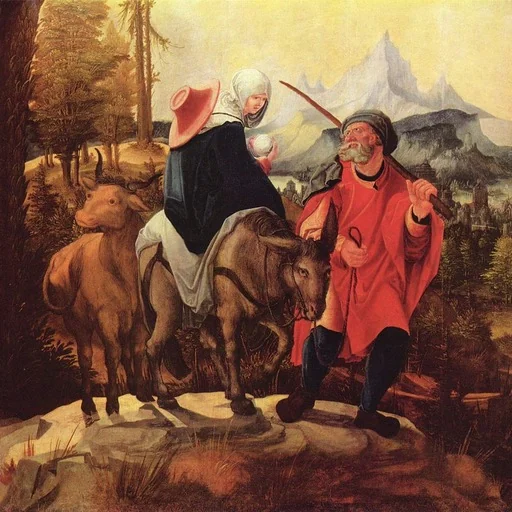
Artist
Wolf Huber (c. 1485 – 3 June 1553) was an Austrian- German painter, printmaker, and architect, who worked in Passau, Germany for most of his life as a leading member of the Danube school.