Artwork
The Day Before the Election
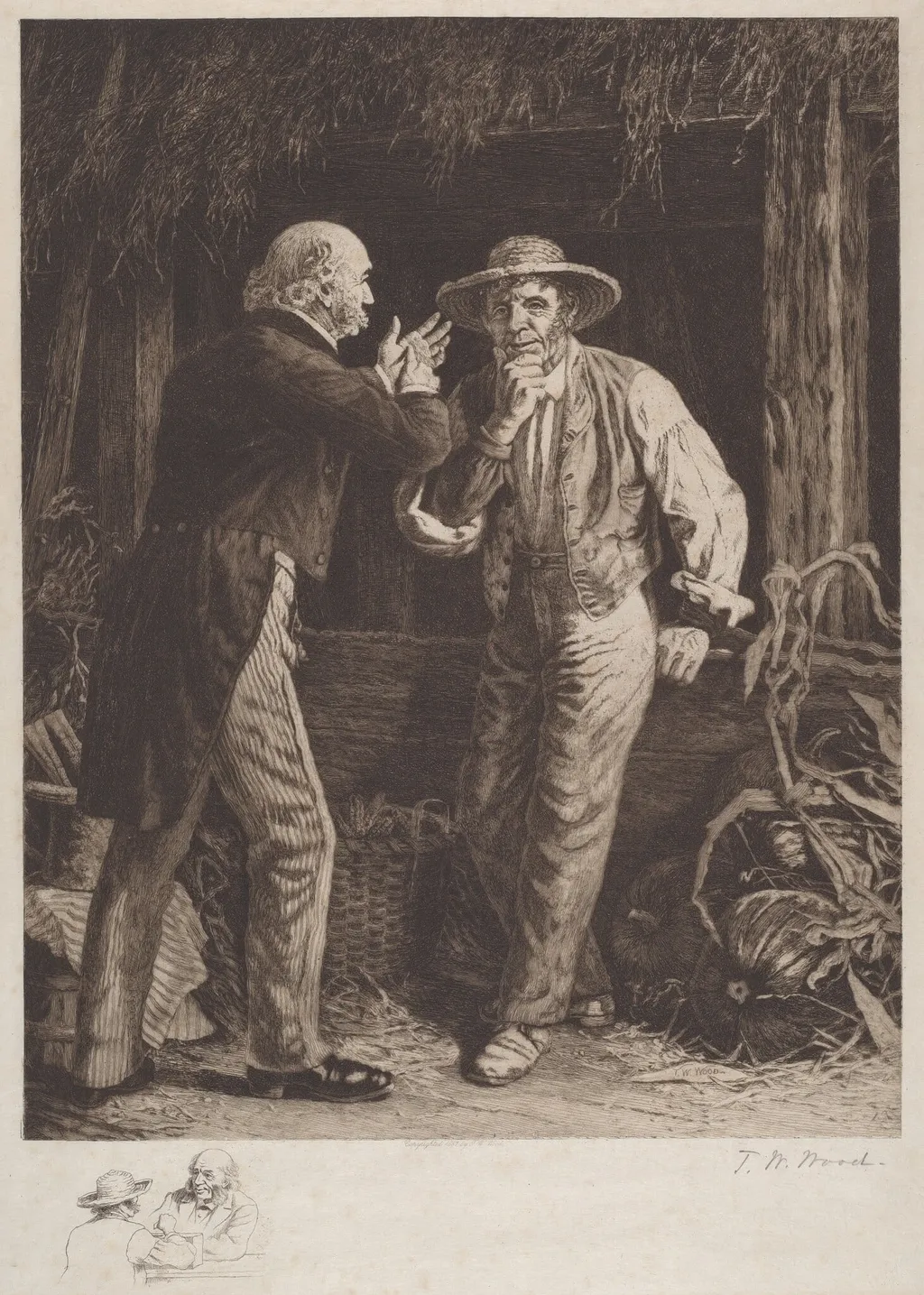
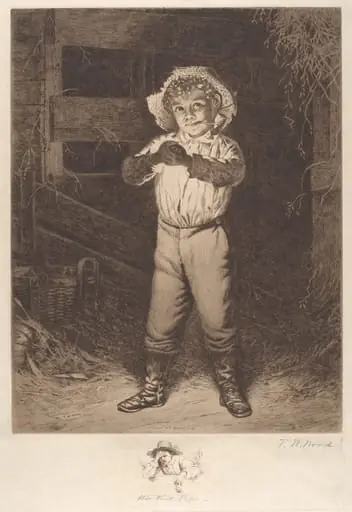
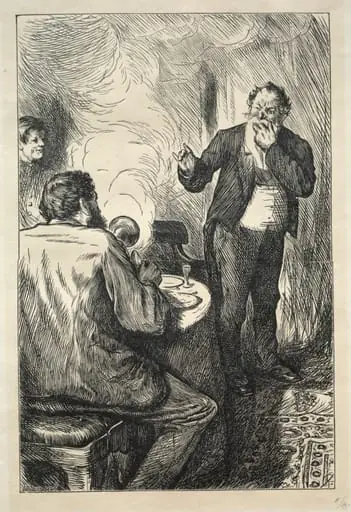
The Day Before the Election is an ink print by the Impressionist artist Thomas Waterman Wood. It dates from 1887 and is held in the collection of the National Gallery of Art.
About this work
Overview
The work belongs to a series of prints Wood produced during the late 1880s, reflecting his interest in rural life and civic engagement.
Created in 1887, The Day Before the Election is an etching by American artist Thomas Waterman Wood. It captures a quiet, tense moment between two men in a forested setting just prior to a vote. The work belongs to a series of prints Wood produced during the late 1880s, reflecting his interest in rural life and civic engagement. The medium of etching allowed for fine linear detail, which Wood used to convey texture and mood.
Subject & Meaning
The scene depicts a rural voter, dressed in worn work clothes, being spoken to by a more formally attired man. The latter gestures emphatically, suggesting persuasion or instruction, while the laborer holds his hat nervously, his posture conveying hesitation. The setting—dense woods and muddy ground—hints at isolation and the weight of a personal decision. The image subtly explores themes of influence, class, and the private nature of political choice.
Technique & Style
Wood employed etching to achieve intricate detail, using acid to bite fine lines into a metal plate. The texture of bark, fabric folds, and damp earth is rendered with delicate, controlled strokes. Shadows are built through dense hatching, enhancing the somber atmosphere. The composition is tightly framed, focusing attention on the two figures and their unspoken exchange, with minimal background detail to avoid distraction.
History & Provenance
The print was made in 1887 during a period when Wood was actively producing prints that depicted everyday American life. It was likely issued as part of a limited run, common for etchings of the time. Early ownership records suggest it passed through regional collectors in the Northeast before entering institutional collections. No major exhibitions are documented for its initial release, but it gained recognition in later scholarly surveys of 19th-century American printmaking.
Context
In the late 1880s, voter turnout and political influence in rural America were subjects of public concern. Wood’s work reflects a broader cultural interest in the lives of ordinary citizens amid industrialization and urban growth. His choice to depict a private political moment—rather than a rally or ballot box—highlights the personal stakes of democracy in remote communities, aligning with the realist tendencies of the era’s visual culture.
Legacy
The Day Before the Election remains a modest but significant example of American etching from the Gilded Age. It is studied for its nuanced portrayal of social dynamics and its technical precision. While not widely reproduced, it is held in several university and public collections as a representative work of Wood’s printmaking. Its quiet intensity continues to inform discussions of civic identity in 19th-century American art.
Artist & collection

Artist
Thomas Waterman Wood (1823–1903) was an American artist, born in Montpelier.

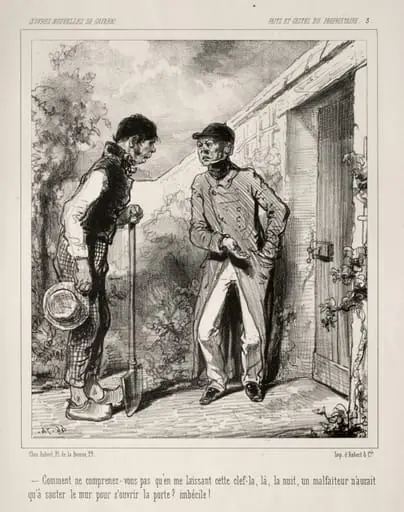 Faite et Gestes du Propriétaire
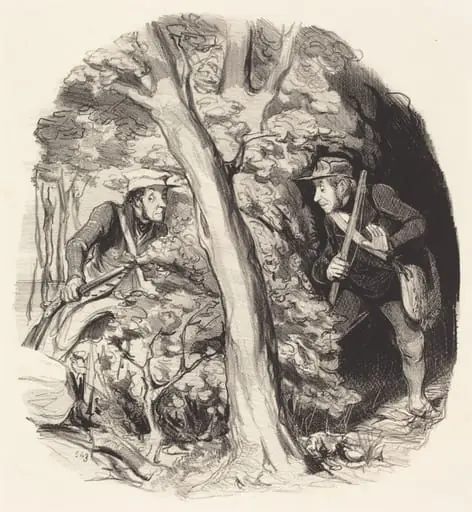 La Rencontre sous bois
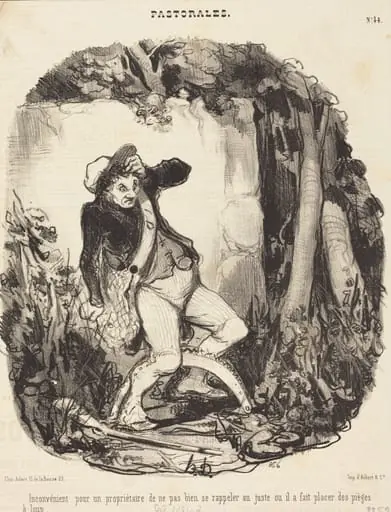 Inconvénient pour un propriétaire de ne pas...
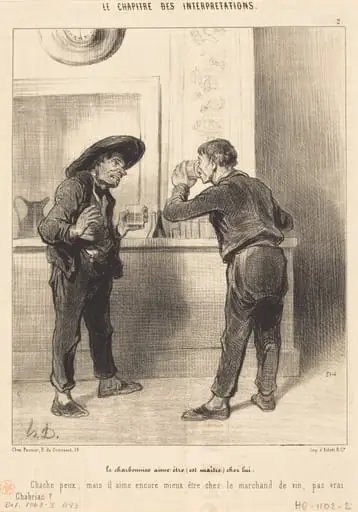 Le Charbonnier aime être (est maitre)...
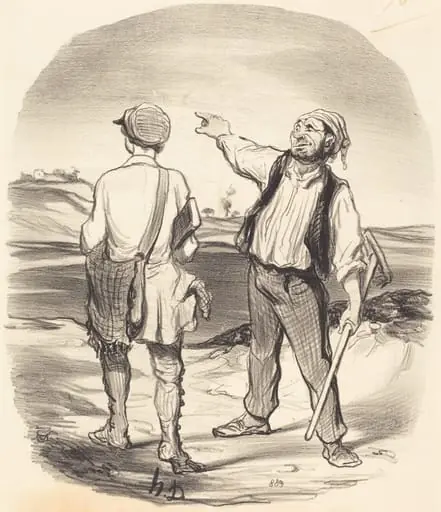 J'ai vu un lièvre... il y a huit jours!
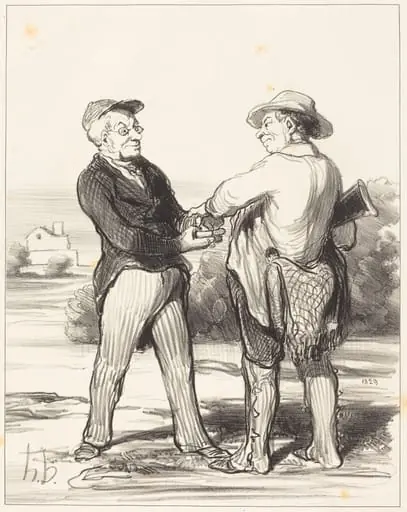 Dites donc, président, impossible d'attraper un lièvre...
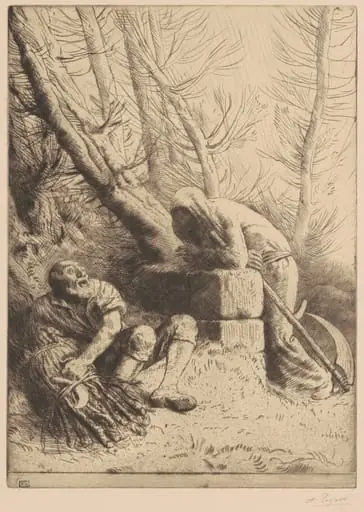 Death and the Woodcutter, 4th plate (La Mort et le bûcheron)
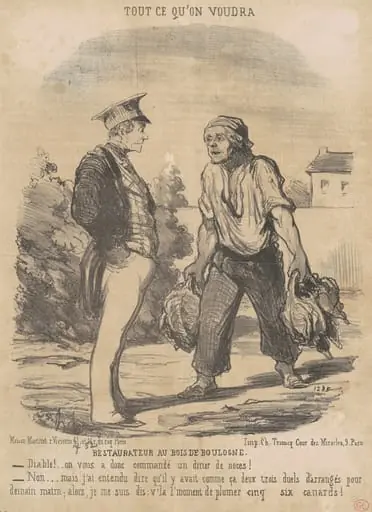 Restaurateur au Bois de Boulogne
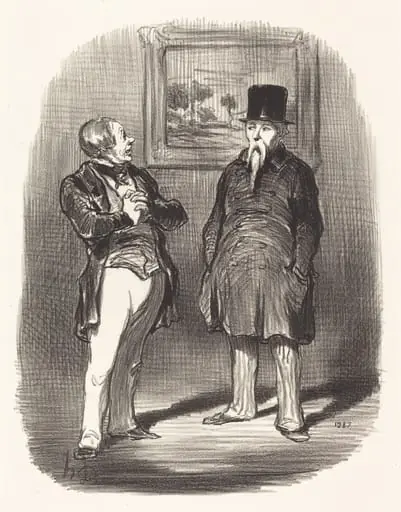 Tiens... je ne te reconnaissais pas...
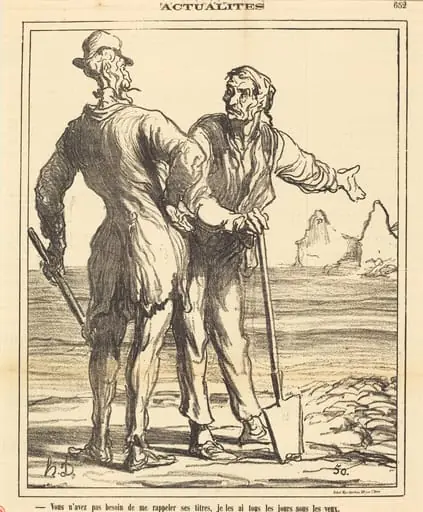 Vous n'avez pas besoin de me rappeler ses titres...
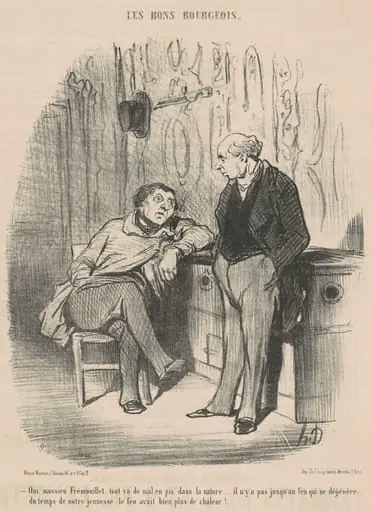 Oui, Mossieu Fremouillet, tout va de mal en pis ...
 Smoking Strictly Prohibited