Artwork
Monument of Lord Bacon in Saint Michael's Church
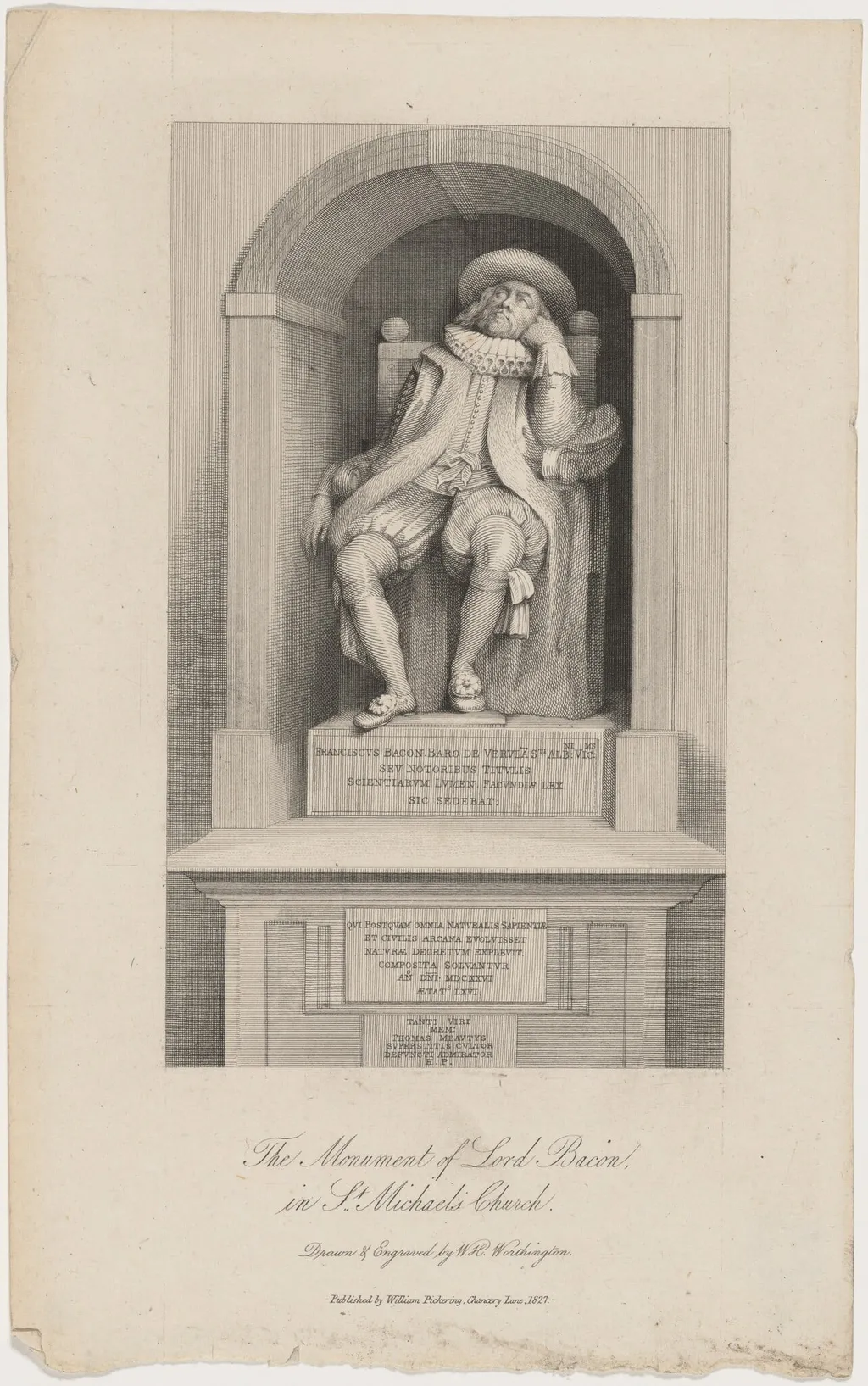
Monument of Lord Bacon in Saint Michael's Church is an ink print by the Romanticist artist William Henry Worthington. It dates from 1827 and is held in the collection of the National Gallery of Art.
About this work
Overview
The composition emphasizes the monument’s classical forms and intricate carvings, reflecting the period’s interest in historical commemoration through print.
This 1827 engraving by William Henry Worthington depicts a funerary monument dedicated to Francis Bacon within Saint Michael's Church. Rendered in fine linear detail, the print captures a sculpted effigy set within an ornate architectural niche. The composition emphasizes the monument’s classical forms and intricate carvings, reflecting the period’s interest in historical commemoration through print.
Subject & Meaning
The effigy portrays Francis Bacon, philosopher and statesman, depicted in Renaissance-era attire—cloak, ruff, and hat—seated in contemplative repose with his head resting on his hand. The pose suggests introspection, aligning with his legacy as a thinker. Inscriptions on the pedestal honor his contributions, framing the image as both memorial and tribute to intellectual achievement within a sacred space.
Technique & Style
Worthington employed fine-line engraving to render the monument’s architectural details and the texture of stone, fabric, and inscription. The composition is carefully balanced, with the central figure framed by arched columns and decorative moldings. The style reflects Romantic-era precision in documenting historical artifacts, prioritizing clarity and fidelity over dramatic interpretation.
History & Provenance
Created in 1827, the engraving was produced as part of a broader effort to record and disseminate images of notable British monuments. Worthington, known for topographical prints, likely made this work for private collectors or institutional archives. Its origin lies in direct observation of the actual monument in Saint Michael’s Church, preserving its appearance before potential alterations.
Context
In the early 19th century, there was renewed interest in England’s historical figures and their physical memorials. Engravings like this served educational and antiquarian purposes, linking national identity with tangible heritage. The choice to depict Bacon—a foundational figure in empirical science—within a church setting reflects the era’s blending of intellectual and spiritual reverence.
Legacy
The engraving remains a documentary record of Bacon’s monument as it appeared in the 1820s. Though not widely exhibited, it contributes to the archive of British topographical prints and offers insight into how historical figures were visually commemorated in ecclesiastical contexts. It stands as a quiet testament to the intersection of art, memory, and scholarship in the Romantic period.
Artist & collection

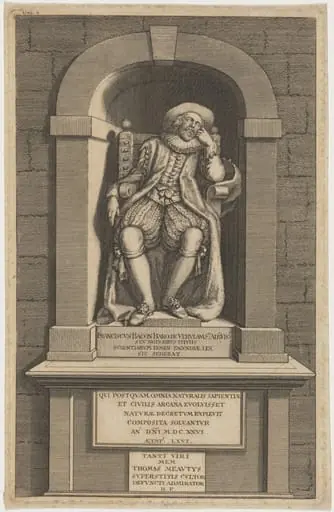 Monument of Bacon in Saint Michael's Church, Saint Albans
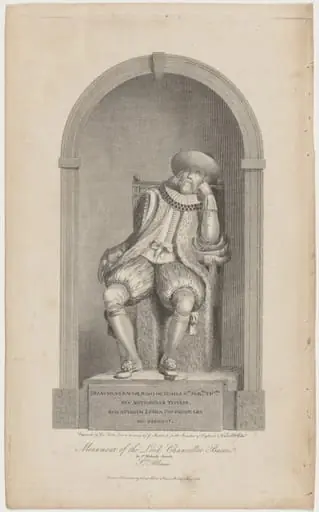 Monument of the Lord Chancellor Bacon, Saint Michael's Church
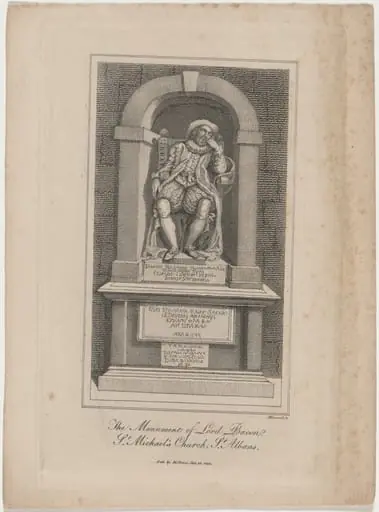 The Monument of Lord Bacon, Saint Michael's Church
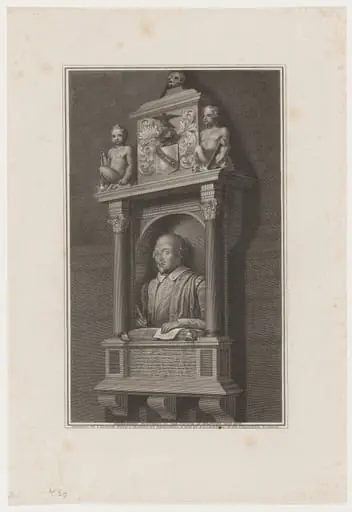 Shakespeare Monument in Church at Stratford-on-Avon
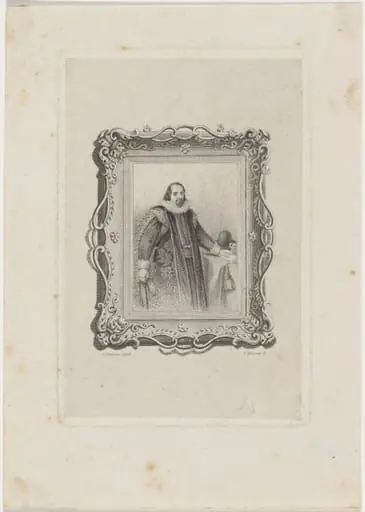 Lord Bacon
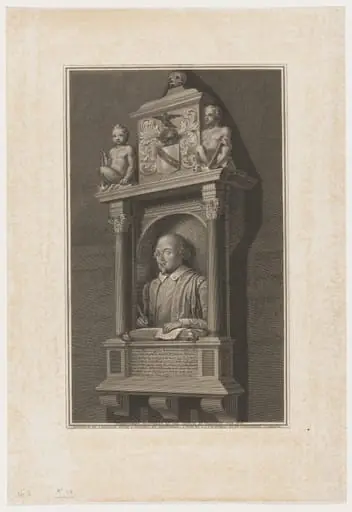 Shakespeare Monument in Church at Stratford-on-Avon
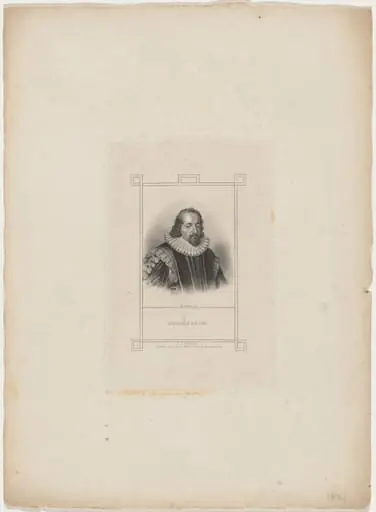 Lord Bacon
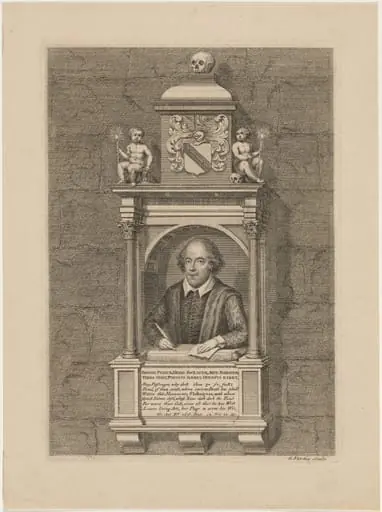 Shakespeare Monument in Church at Stratford-on-Avon