Artwork
Elizabeth
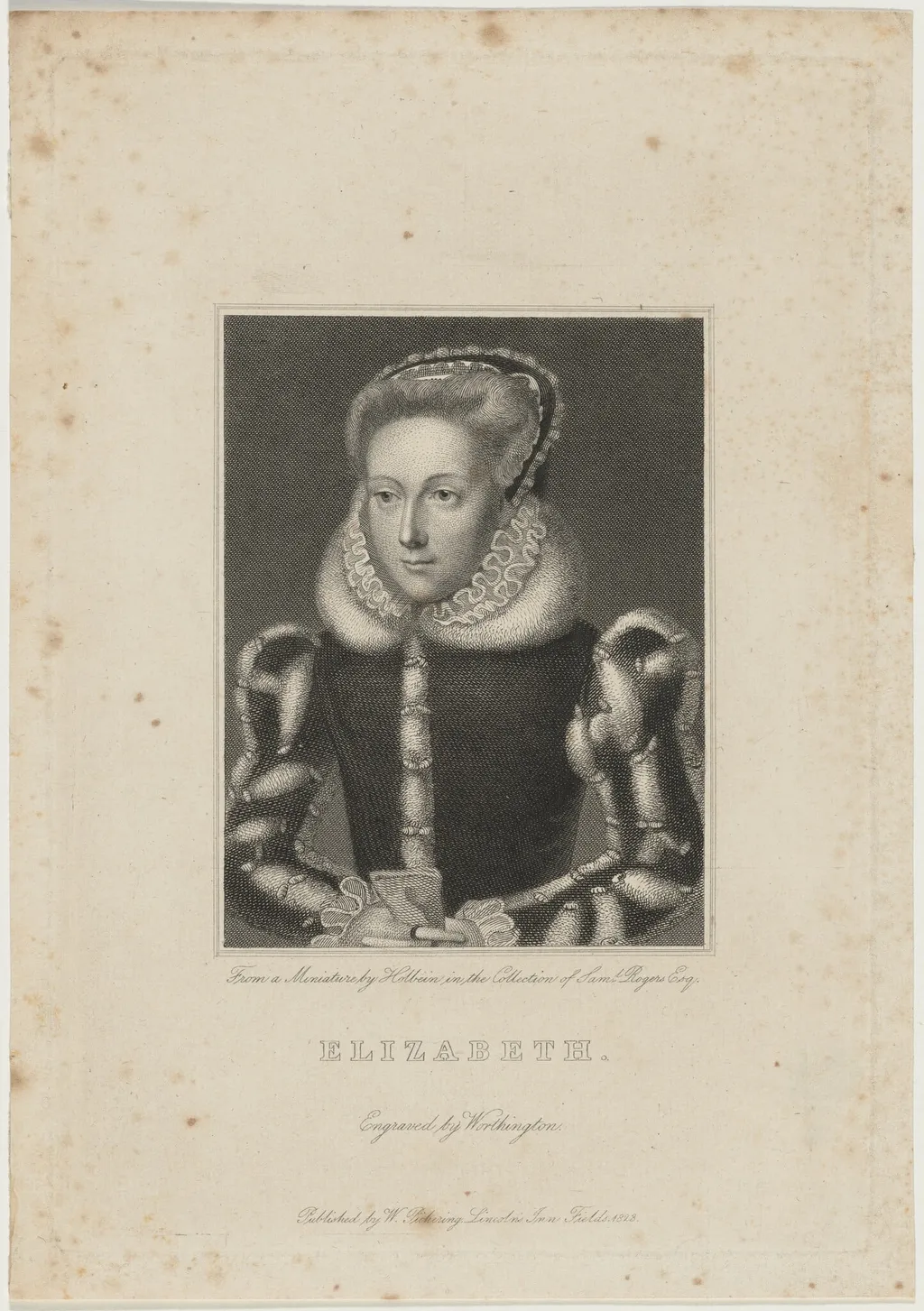
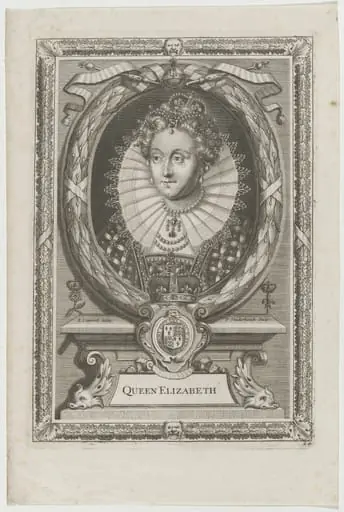
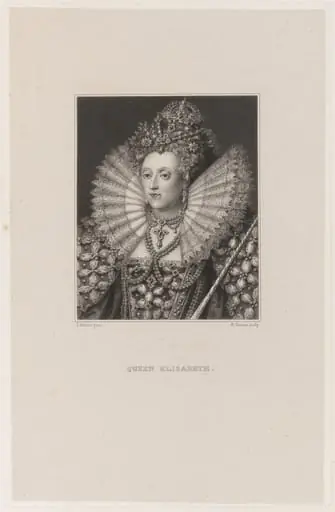
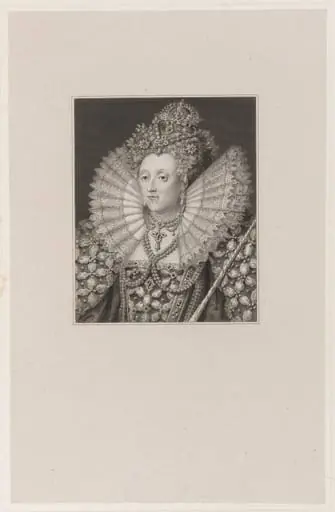
Elizabeth is an ink print by the Romanticist artist William Henry Worthington. It dates from 1823 and is held in the collection of the National Gallery of Art.
About this work
Overview
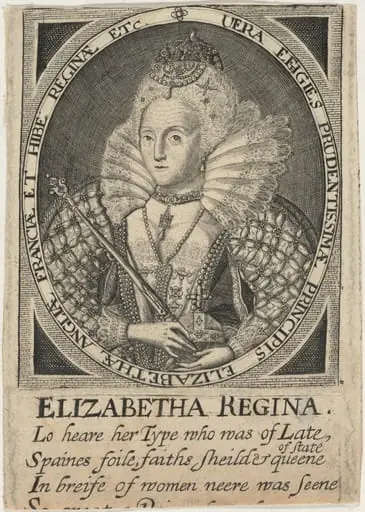
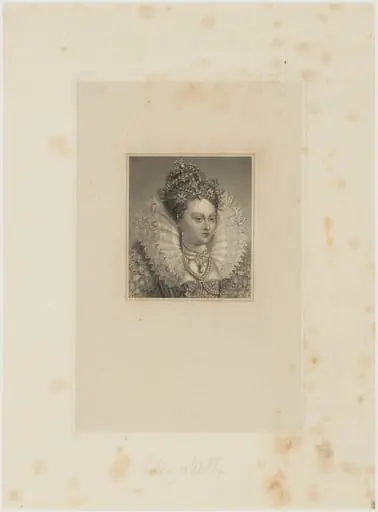
William Henry Worthington’s 1823 engraving titled "Elizabeth" presents a solitary female figure rendered in monochrome. The portrait occupies a plain background, directing attention to the sitter’s face and the intricate treatment of her attire. The work exemplifies early‑19th‑century printmaking, offering a clear view of period fashion and the artist’s precise line work.
Subject & Meaning
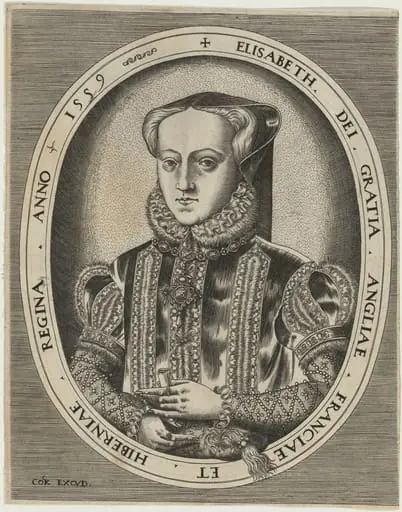
The image depicts a woman dressed in a high‑necked gown trimmed with lace at the collar and cuffs, her hair gathered neatly and accented by a modest headpiece. The composition’s restraint and focus on the sitter’s expression suggest an intention to convey dignity and refinement, typical of portraiture aimed at documenting personal identity rather than narrative content.
Technique & Style
Worthington achieved texture through fine, parallel lines that simulate the delicate patterns of lace and the subtle sheen of fur trim, creating an illusion of depth on a flat surface. This line engraving method, common in the period, relies on meticulous incising of copper plates, allowing the print to capture nuanced tonal variations while maintaining crisp detail.
History & Provenance
Created in 1823, the engraving reflects the popularity of portrait prints as affordable reproductions of genteel subjects in the early nineteenth century. While specific ownership records for this particular piece are scarce, such works were typically circulated among collectors and displayed in domestic settings, serving both decorative and documentary purposes.
Artist & collection