Artwork
lasimaalausluonnos, kukka- ja kasviornamentiikkaa
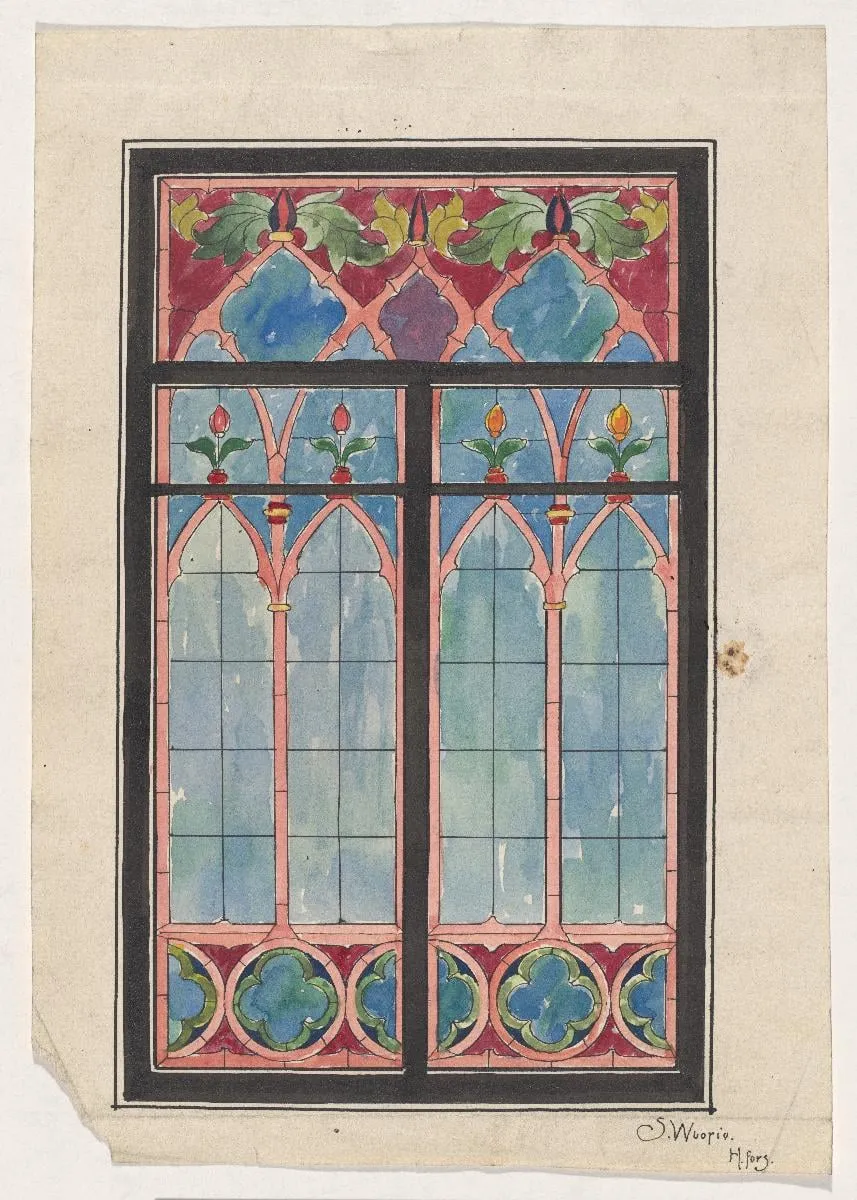
lasimaalausluonnos, kukka- ja kasviornamentiikkaa is a drawing by Salomo Wuorio. It is held in the collection of the Finnish Heritage Agency. This image is a preparatory study for a stained-glass window, executed in paint on a flat surface.
About this work
Overview
It presents a symmetrical composition divided by pink arched lines and black framing, suggesting a structured layout intended for architectural installation.
This image is a preparatory study for a stained-glass window, executed in paint on a flat surface. It presents a symmetrical composition divided by pink arched lines and black framing, suggesting a structured layout intended for architectural installation. The design features distinct upper and lower zones with contrasting color schemes, indicating careful planning for light transmission and visual balance.
Subject & Meaning
The design incorporates floral and vegetal motifs—green leaves and yellow flowers in the upper section, abstract blue and green patterns below—without figurative elements. The emphasis on botanical forms suggests an interest in natural ornamentation, common in decorative arts of the period. The symmetry implies harmony and order, aligning with traditional stained-glass conventions used in ecclesiastical or civic interiors.
Technique & Style
The work employs flat areas of vivid color—red, blue, yellow, and green—outlined by bold black and pink lines to define compartments. The paint application is deliberate and controlled, with no visible brushwork, mimicking the leaded glass technique. The precision of the forms and balanced composition reflect a functional approach, prioritizing clarity and structural integrity over expressive brushwork.
History & Provenance
The study is attributed to Salomo Wuorio, a Finnish artist active in the early 20th century known for ecclesiastical and decorative designs. This piece likely dates from the 1910s–1930s, a period when Finnish artisans revived traditional craft methods in church and public building projects. Its existence as a study implies it was part of a commissioned process, though the final window’s location or status remains unrecorded here.
Context
During the early 1900s, Finnish design embraced national romanticism, integrating folk motifs and natural forms into applied arts. Stained glass, though less common than woodcarving or textiles, was used in churches and public buildings to convey spiritual or cultural themes. Wuorio’s work fits within this movement, blending stylized botany with architectural function in a distinctly Nordic aesthetic.
Legacy
As a study, this piece offers insight into the design process of Finnish decorative artists working in glass. While the final window may no longer exist or remain undocumented, such preparatory works preserve the intent and craftsmanship behind lost or altered installations. Wuorio’s contributions, though not widely known internationally, represent a quiet but significant strand in Finland’s early modern craft tradition.
Artist & collection
Artist
Salomo Wuorio spent his days hunched over sketches of glass windows, turning paint into light before the glass even left the workshop.
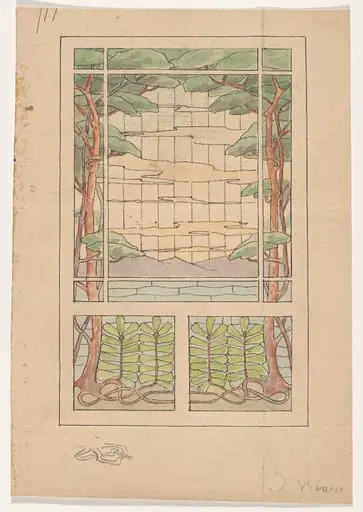 lasimaalausluonnos, maisema
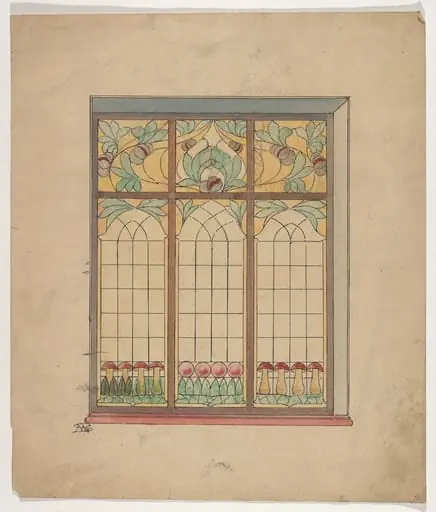 lasimaalaussuunnitelma, kasviornamentiikkaa, sieniä
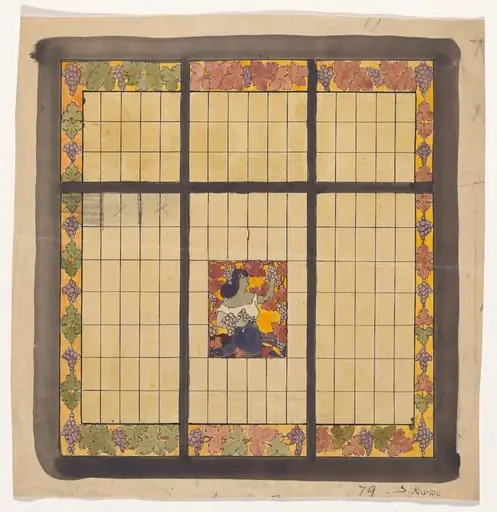 lasimaalaussuunnitelma, viinirypäleornamentiikkaa, nainen ja viinirypäleet
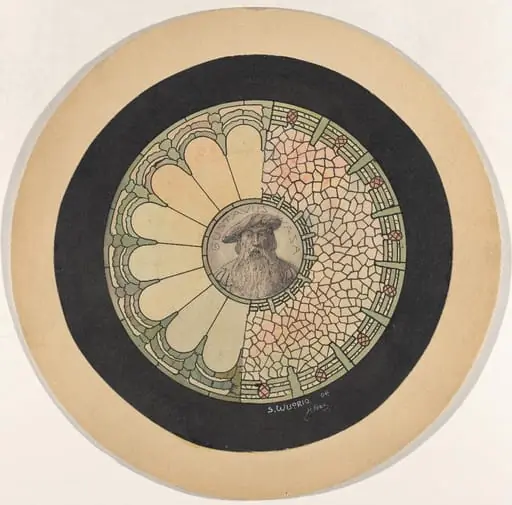 lasimaalausluonnos pyöröikkunaan, Kustaa Vaasa
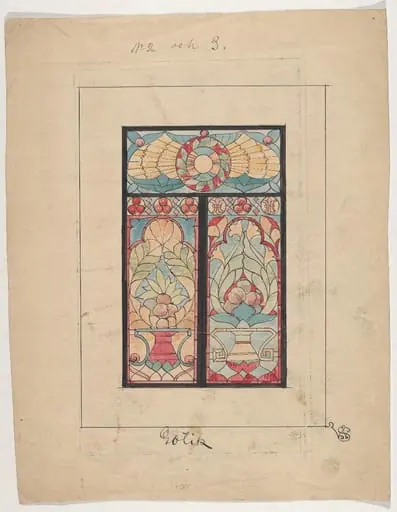 lasimaalaussuunnitelma, kasviornamentiikkaa, hedelmäkulhoja
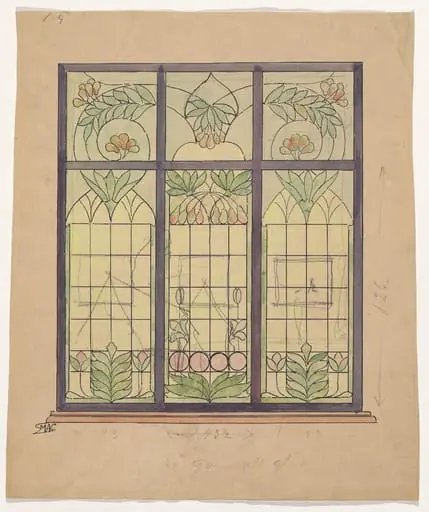 lasimaalaussuunnitelma, kasviornamentiikkaa
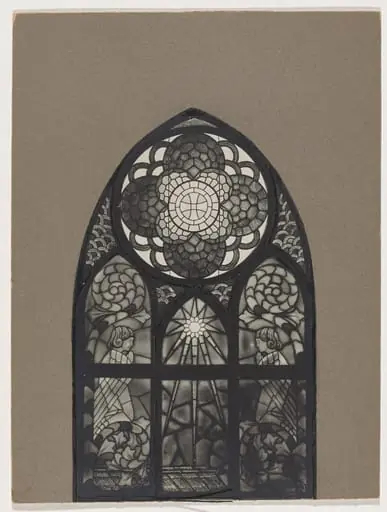 lasimaalaus, Forssan kirkon kuori-ikkuna, Jeesuksen syntymä
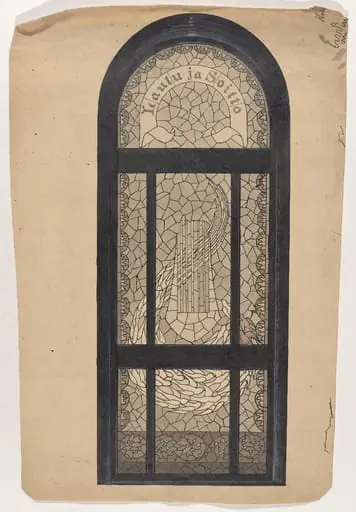 lasimaalausluonnos pyörökaari-ikkunaan, Laulu ja Soitto
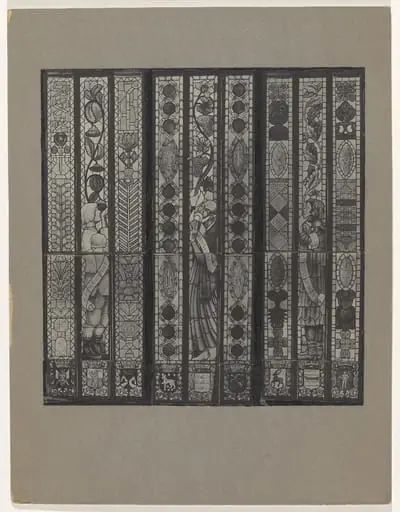 lasimaalauksia, Suomen kansallismuseon pääportaikko, ethnographia - historia - archaeologia
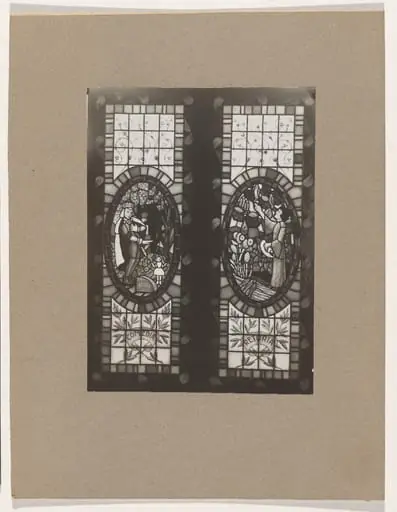 lasimaalaus, Kymintehdas, comedia retoria
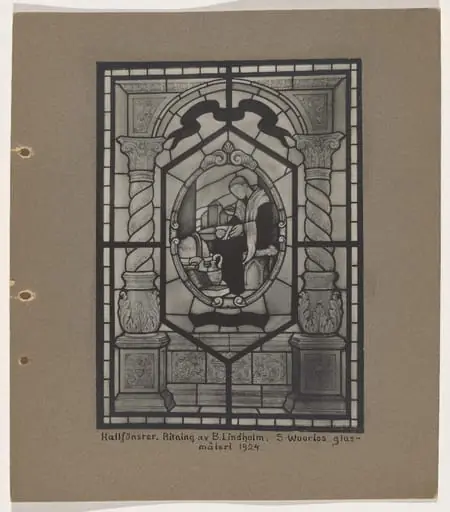 lasimaalaus, eteishallin ikkuna, omistaja herra Kivi
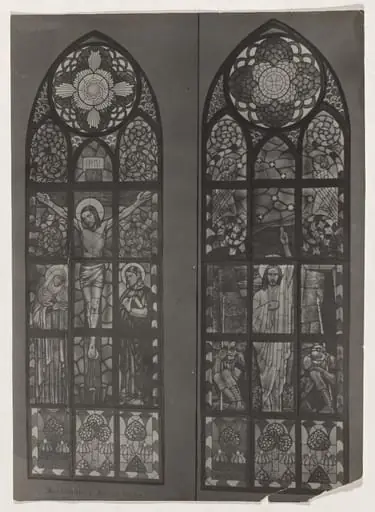 lasimaalaus, Forssan kirkon kuori-ikkunat