Artwork
lasimaalausluonnos pyöröikkunaan, Kustaa Vaasa
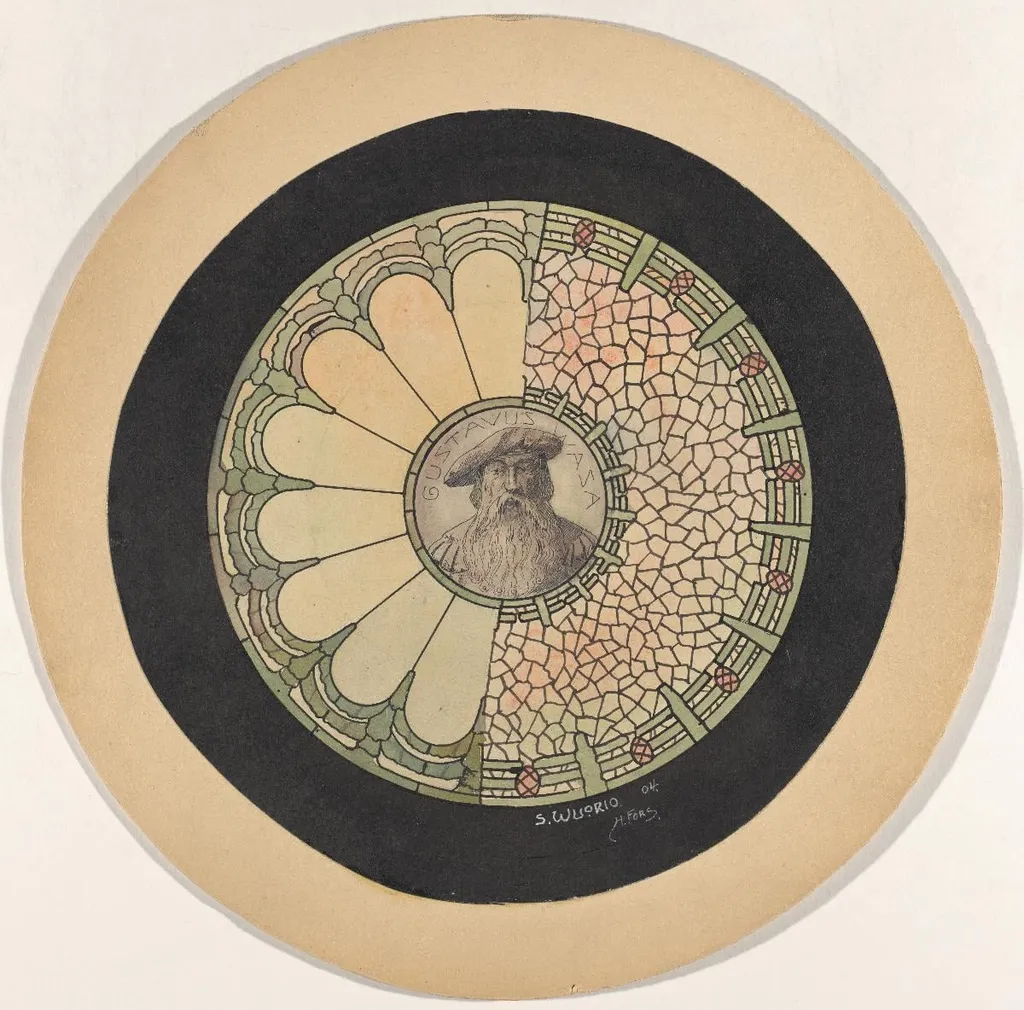
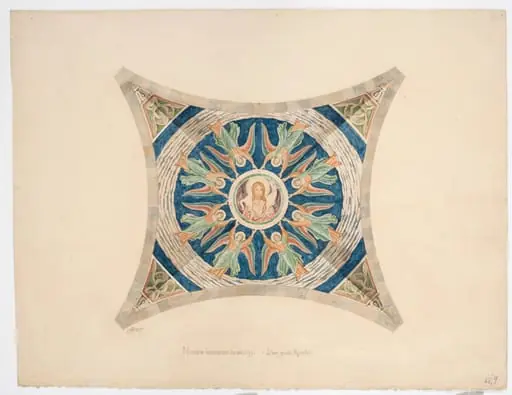
lasimaalausluonnos pyöröikkunaan, Kustaa Vaasa is a drawing by Salomo Wuorio. It is held in the collection of the Finnish Heritage Agency. This pencil drawing by Kustaa Vaasa is a preparatory study for a stained-glass window design.
About this work
Overview
At its center lies a small, precisely rendered portrait, embedded within a circular frame, suggesting a focal point of spiritual or civic significance.
This pencil drawing by Kustaa Vaasa is a preparatory study for a stained-glass window design. It organizes the circular format into four distinct zones: upper and lower halves, each with contrasting visual languages. The upper section features abstract, petal-like curves, while the lower presents a miniature urban grid. At its center lies a small, precisely rendered portrait, embedded within a circular frame, suggesting a focal point of spiritual or civic significance.
Subject & Meaning
The central portrait, depicting a bearded man in period headwear, may represent a patron, religious figure, or civic leader. Its placement within the window’s core implies importance, perhaps symbolizing authority or memory. The surrounding abstract forms and architectural map could evoke a synthesis of the divine and the earthly, or the individual’s role within a structured community. The composition invites contemplation of personal identity within broader social or spiritual frameworks.
Technique & Style
Vaasa employs fine, controlled lines to distinguish between the delicate curves of the upper arches and the intricate, scaled-down urban layout below. The portrait is rendered with meticulous detail, contrasting the looser, more schematic forms around it. The use of tonal variation and precise cross-hatching in the cityscape adds depth without color, demonstrating a deliberate balance between simplicity and complexity within a confined circular space.
History & Provenance
Created as a working sketch for a stained-glass commission, this drawing reflects Vaasa’s process in translating architectural vision into visual form. Though specific details of the original window’s installation are not documented, the drawing’s survival suggests its value as a record of design intent. It likely dates to the mid-20th century, aligning with Vaasa’s active period in Finnish ecclesiastical and public art projects.
Context
In post-war Finland, religious and civic buildings increasingly incorporated modernist stained glass, blending traditional symbolism with abstract design. Vaasa’s work fits within this movement, where artists reinterpreted sacred spaces through geometric clarity and symbolic economy. This drawing exemplifies how functional art was conceived—not as decoration, but as layered visual narrative integrated into architecture.
Legacy
Though the final window may no longer exist or remain unrecorded, this study preserves Vaasa’s approach to integrating portraiture with abstract form in architectural glass. It stands as a quiet testament to the role of preparatory work in public art, revealing how conceptual clarity and compositional discipline shaped Finland’s mid-century visual culture. The drawing continues to inform understanding of how personal and communal identity were visually negotiated in sacred spaces.
Artist & collection
Artist
Salomo Wuorio spent his days hunched over sketches of glass windows, turning paint into light before the glass even left the workshop.
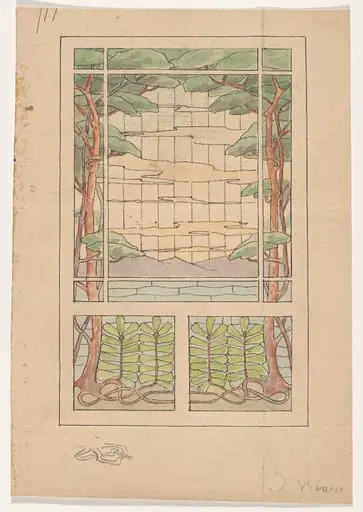 lasimaalausluonnos, maisema
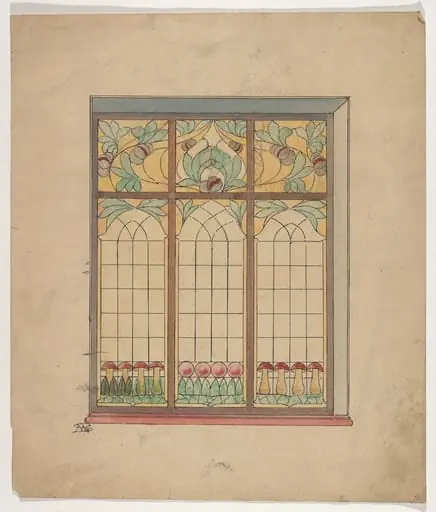 lasimaalaussuunnitelma, kasviornamentiikkaa, sieniä
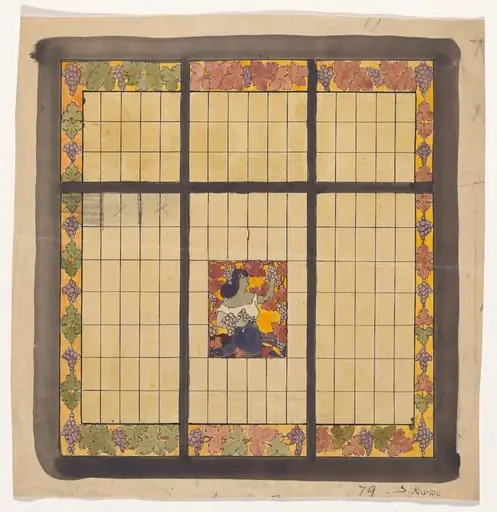 lasimaalaussuunnitelma, viinirypäleornamentiikkaa, nainen ja viinirypäleet
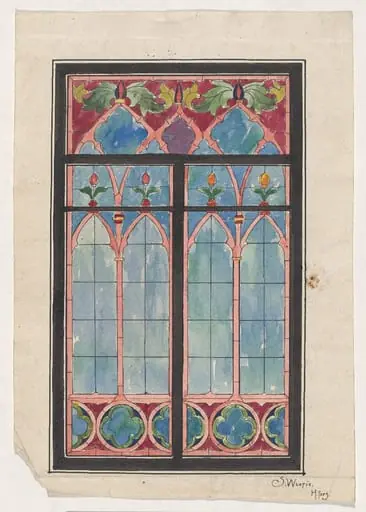 lasimaalausluonnos, kukka- ja kasviornamentiikkaa
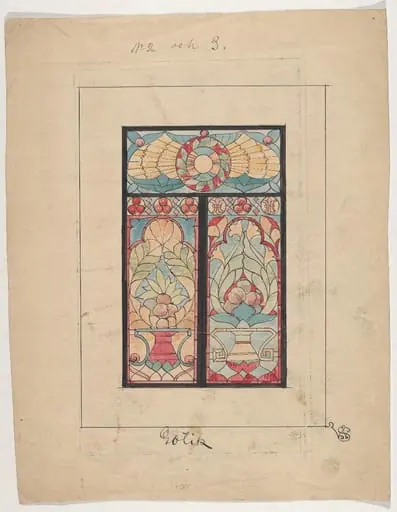 lasimaalaussuunnitelma, kasviornamentiikkaa, hedelmäkulhoja
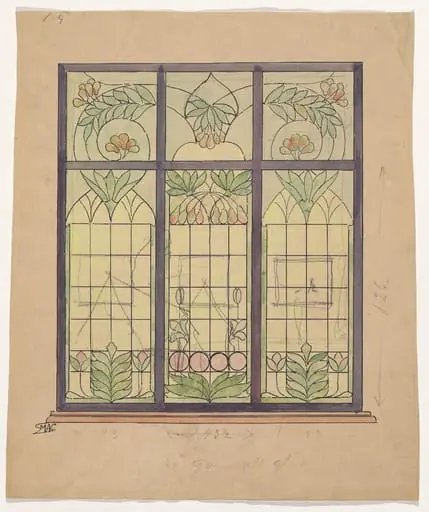 lasimaalaussuunnitelma, kasviornamentiikkaa
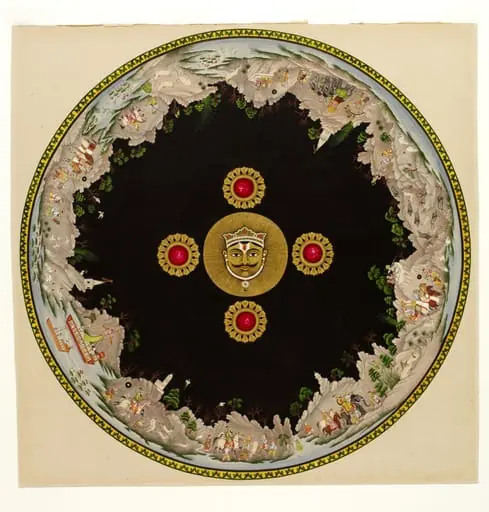 Untitled
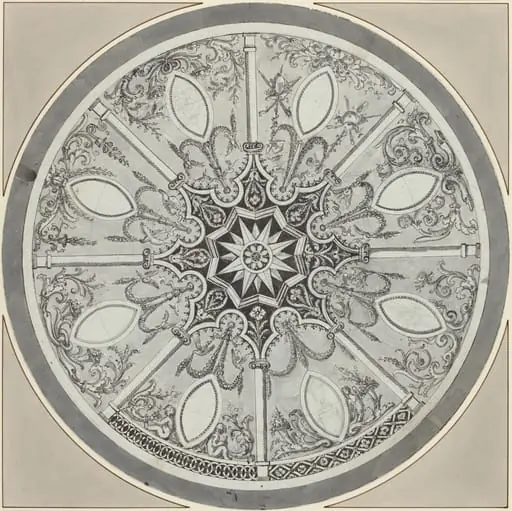 Design for an Inlaid Circular Table Top, with Alternatives
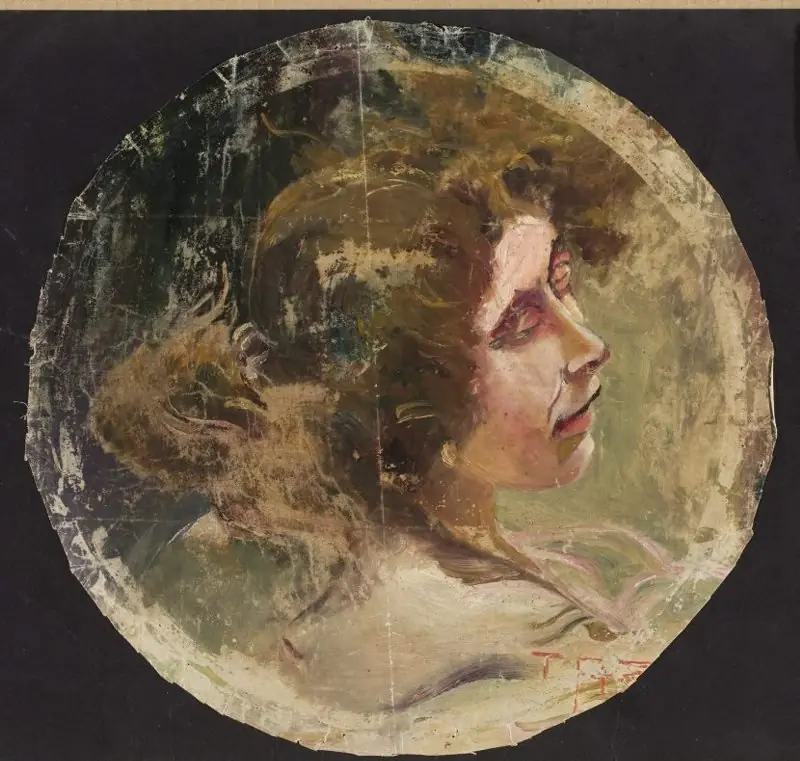 Sketch of a woman’s head
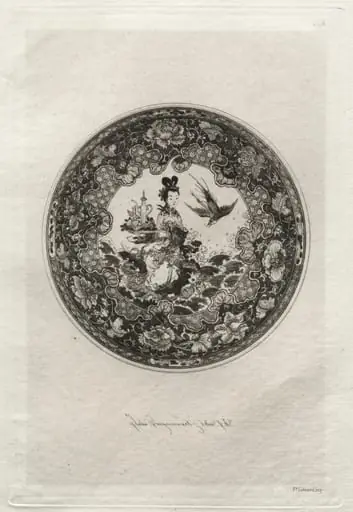 Saucer with Rich Enameled Ground and Medallion Representing the Goddess Kounin
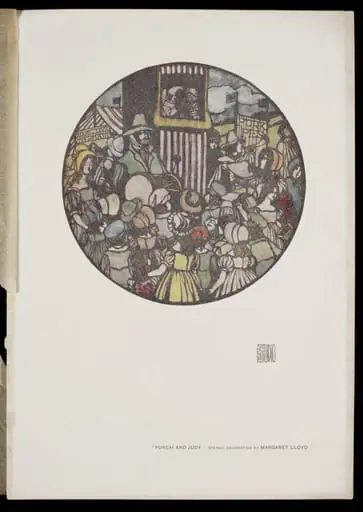 George Speaight Punch & Judy Collection
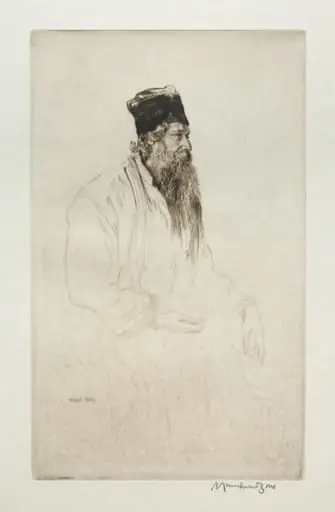 Rabindranath Tagore
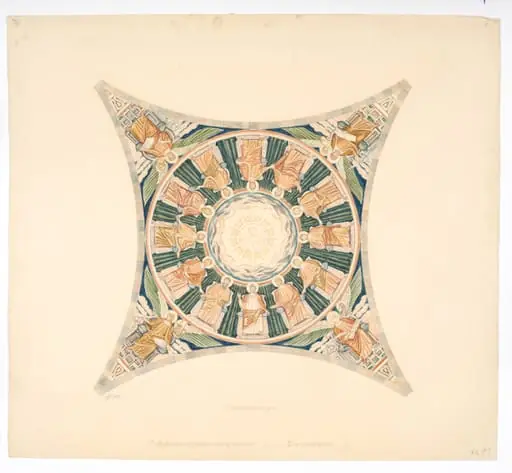 Udkast til freskerne i Viborg Domkirke. Midterhvælvingen
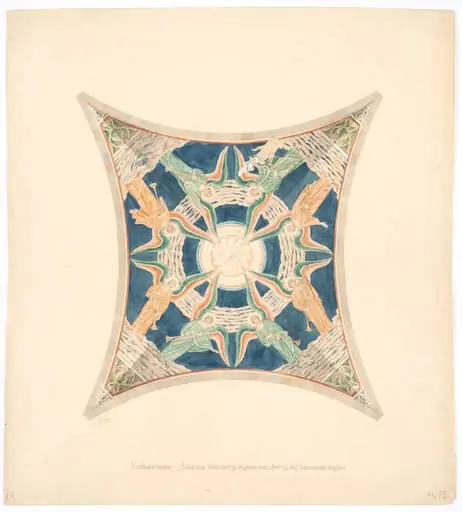 Udkast til freskerne i Viborg Domkirke. Korhvælvingen
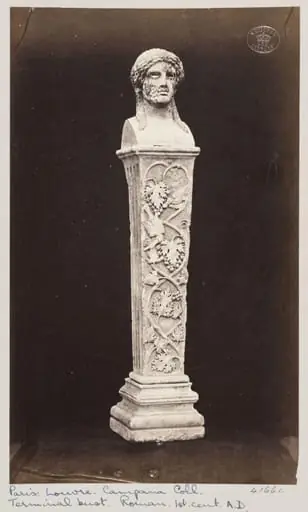 Marble herma with the head of Baccus ornamented with vine leaves and fruit
 Udkast til freskerne i Viborg Domkirke. Nordre korsarms-hvælvning