Artwork
Rabindranath Tagore
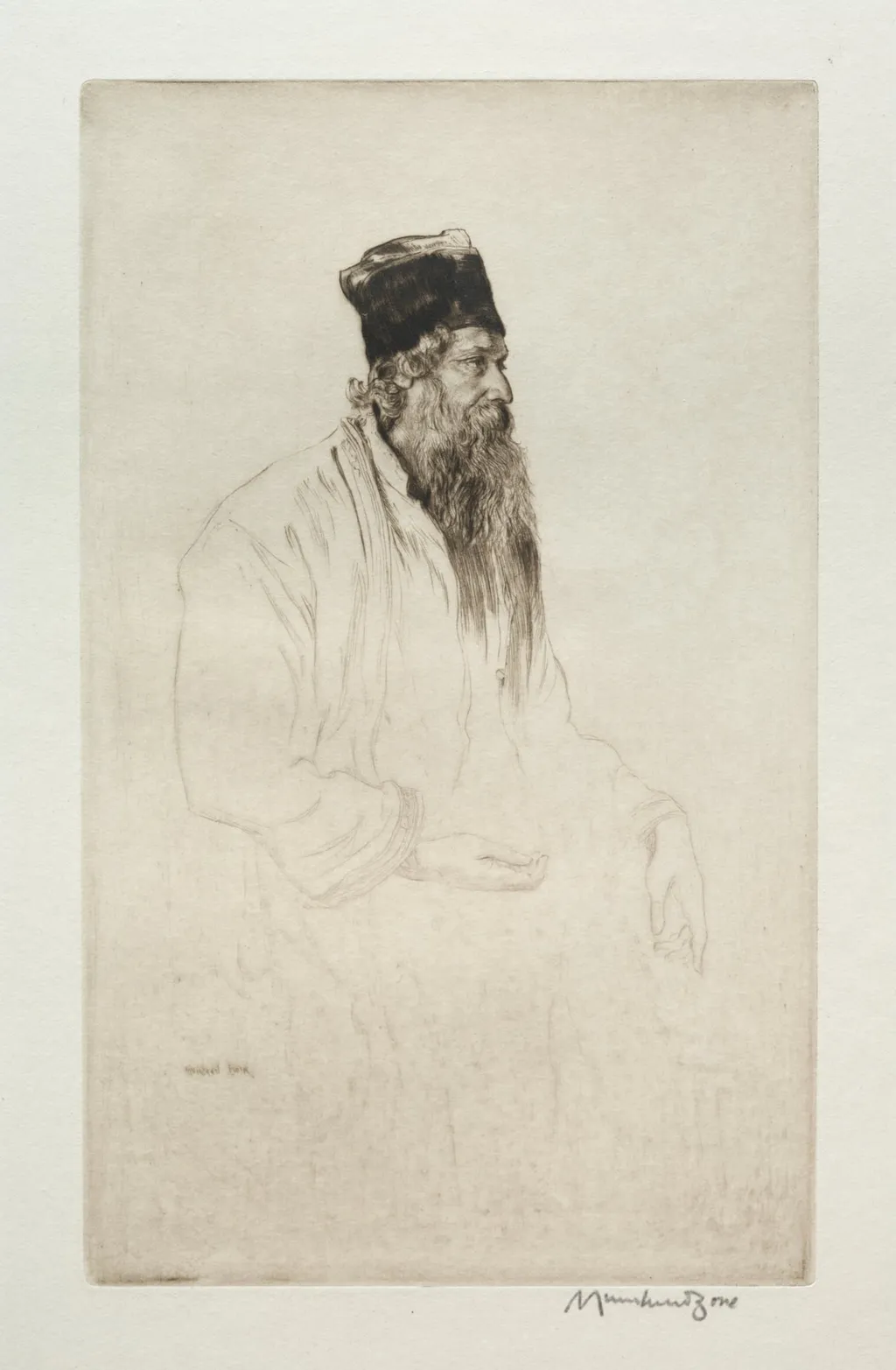
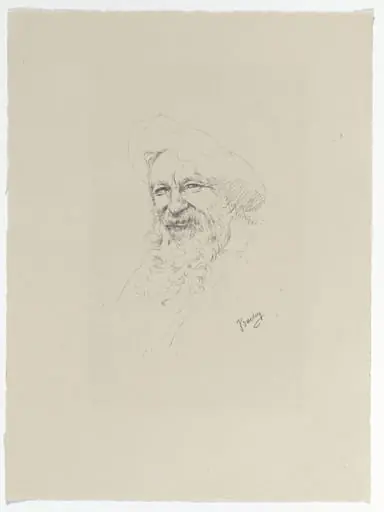
Rabindranath Tagore is a print by Muirhead Bone. It dates from 1920 and is held in the collection of the Cleveland Museum of Art.
About this work
Overview
This print depicts Rabindranath Tagore, the Bengali poet, philosopher, and Nobel laureate, during his 1920 visit to London.
This print depicts Rabindranath Tagore, the Bengali poet, philosopher, and Nobel laureate, during his 1920 visit to London. The artist focuses sharply on his facial features while rendering the rest of his form in loose, minimal strokes. The contrast between detailed realism and sketchlike abstraction creates a sense of presence that feels both grounded and transcendent, aligning with Tagore’s public role as a spiritual and intellectual figure.
Subject & Meaning
Tagore is portrayed not merely as a literary figure but as a symbol of moral authority. His hands, arranged in gestures reminiscent of Indian mudras, suggest meditation, blessing, or renunciation—echoing the iconography of holy men. This visual language elevates him beyond a mere portrait subject, framing him as a spiritual guide navigating the moral crisis of colonial rule and personal disillusionment.
Technique & Style
The artist employs precise, tonal modeling for the face, capturing fine textures of skin and hair with careful shading. The body, by contrast, is suggested with swift, light lines, avoiding definition to imply impermanence or otherworldliness. This deliberate imbalance draws attention to the face and hands, emphasizing expression and gesture over physical presence, a technique aligned with early 20th-century British printmakers like Muirhead Bone.
History & Provenance
Created during Tagore’s 1920 trip to London, the portrait coincides with his public renunciation of his British knighthood in protest of the Amritsar massacre. Though the artist’s identity is not specified, the work likely emerged from the intellectual circles Tagore engaged with during his visit. Its creation reflects a moment when his personal grief and political resolve converged, making the image a quiet testament to his moral stance.
Context
Tagore’s journey to Britain was intended to garner support for Visva-Bharati University, but it became overshadowed by his confrontation with British imperial indifference. The portrait, made amid this turmoil, subtly channels his inner conflict—his dignity and sorrow rendered through restrained visual means. It exists outside overt political propaganda, instead offering a contemplative image of a man transformed by injustice.
Legacy
The print endures as a visual record of Tagore’s transition from celebrated cultural ambassador to resolute critic of empire. Its fusion of realism and abstraction anticipates later modernist approaches to portraiture in South Asia, where inner states were prioritized over physical likeness. The work remains a quiet but potent emblem of intellectual resistance and spiritual resilience.
Artist & collection
Artist
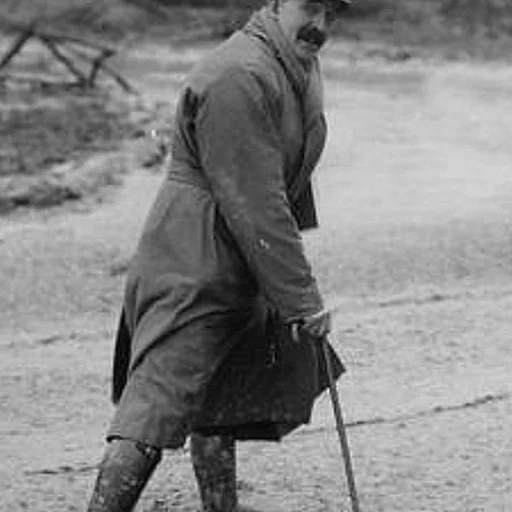
Sir Muirhead Bone (23 March 1876 – 21 October 1953) was a Scottish etcher and watercolourist who became known for his depiction of industrial and architectural subjects and his work as a war artist in both the First and Second World Wars.

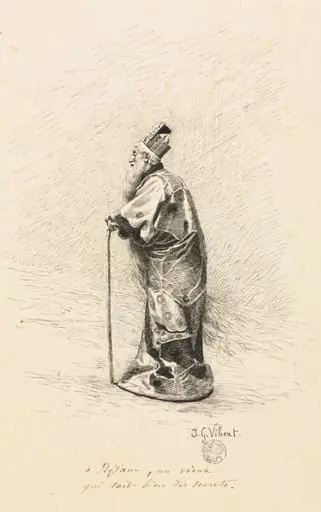 Study for the Magician in "Conte de Fée" (Story of a Fairy)
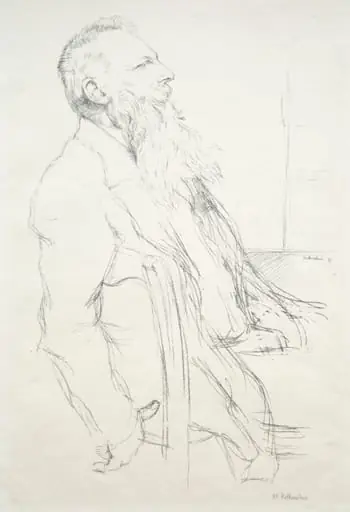 Auguste Rodin
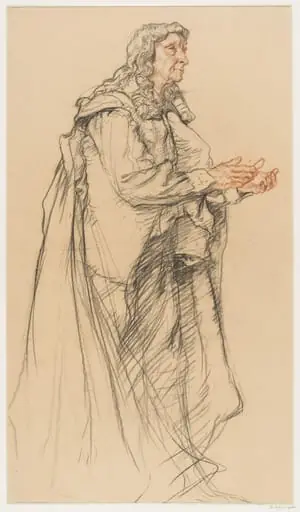 Prince Rupert receiving the Charter of the Hudson Bay Company from Charles II
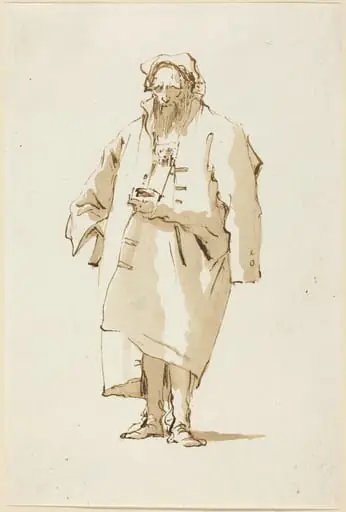 A Standing Oriental Wearing a Greatcoat
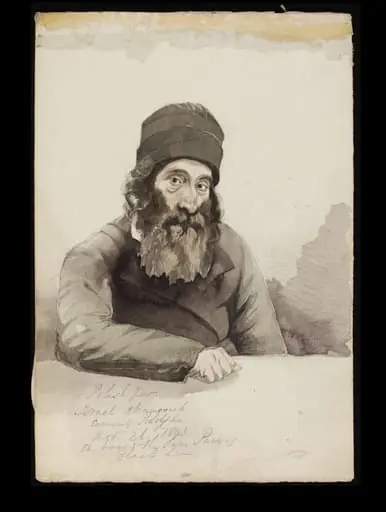 Polish Jew. Israel Abramovich
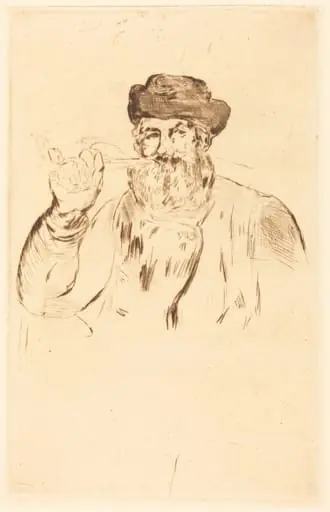 The Smoker (Le fumeur)
 Προσωπογραφία του Γεωργίου Ιακώβου Καλαϊσάκη
 Philip of Burgundy
 A Greek Priest, with Attendant
 Arthur Joseph Conrad
 Untitled
 A Beggar