Artwork
A Corner of West Lake
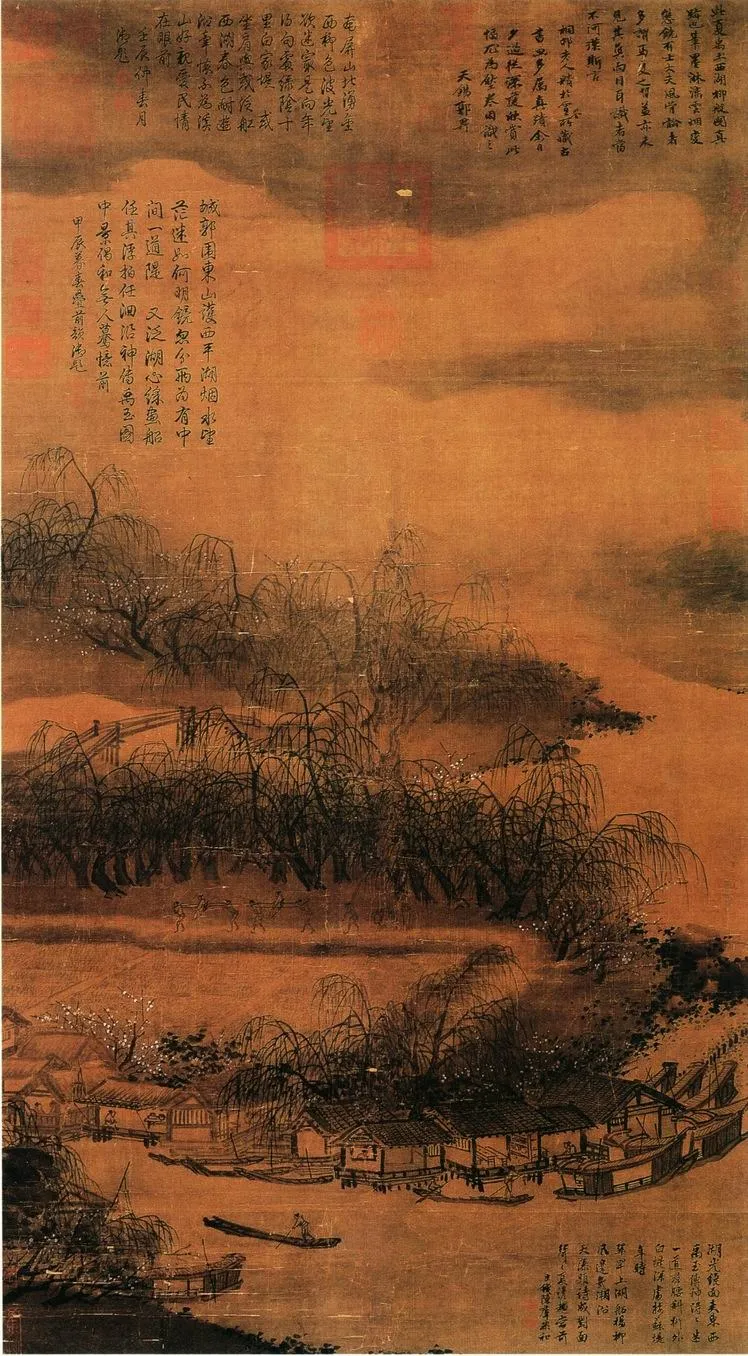
A Corner of West Lake is an unspecified painting by the Song dynasty landscape artist Xia Gui. It dates from 1219 and is held in the collection of the National Palace Museum.
About this work
Overview
Executed in ink and light color on silk, it reflects the Southern Song dynasty’s preference for intimate, atmospheric scenes.
Painted around 1219 by Xia Gui, this landscape work captures a quiet stretch of West Lake in Hangzhou. Executed in ink and light color on silk, it reflects the Southern Song dynasty’s preference for intimate, atmospheric scenes. The composition balances sparse elements—water, shore, distant structures—to suggest vastness without clutter. Its subdued palette and restrained brushwork convey stillness, aligning with Daoist ideals of harmony and quiet observation.
Subject & Meaning
The scene presents a tranquil lakeside, with a lone boat near the foreground and faint structures nestled among trees in the distance. No human figures are present, emphasizing solitude and the quiet rhythm of nature. The painting invites contemplation rather than narrative, reflecting a philosophical shift in Song-era art toward inner reflection and the spiritual resonance of landscape over literal representation.
Technique & Style
Xia Gui employs a modified version of the 'ax-cut' brushstroke, using dry, angular strokes to suggest rock and terrain. Washes of diluted ink create atmospheric depth, while minimal color—ochres, greens, and grays—enhances the mood without distraction. The composition leans heavily on asymmetry and empty space, a hallmark of Southern Song ink painting, where suggestion replaces detail to evoke emotional resonance.
History & Provenance
The painting entered the imperial collection during the Southern Song and remained in royal hands through subsequent dynasties. It was later transported to Taiwan with the National Palace Museum’s holdings in the mid-20th century. Its continuous preservation within elite collections underscores its recognized value among connoisseurs, though its early provenance beyond the court remains undocumented.
Context
Created during a period when the Southern Song court was based in Hangzhou, near West Lake, the painting reflects the emperor’s retreat into cultural refinement amid political instability. Landscape art of this era often served as a metaphor for inner peace and moral order. Xia Gui’s style, favored by court artists, merged poetic sensibility with technical precision, distinguishing it from more monumental Northern traditions.
Legacy
Xia Gui’s approach influenced later ink painters in China and Japan, particularly in the development of monochrome landscape traditions. His use of atmospheric recession and compositional restraint became a model for Zen-inspired art. Though less celebrated than some contemporaries, his works remain key examples of how simplicity and suggestion could convey profound emotional and spiritual depth in Chinese painting.
Artist & collection



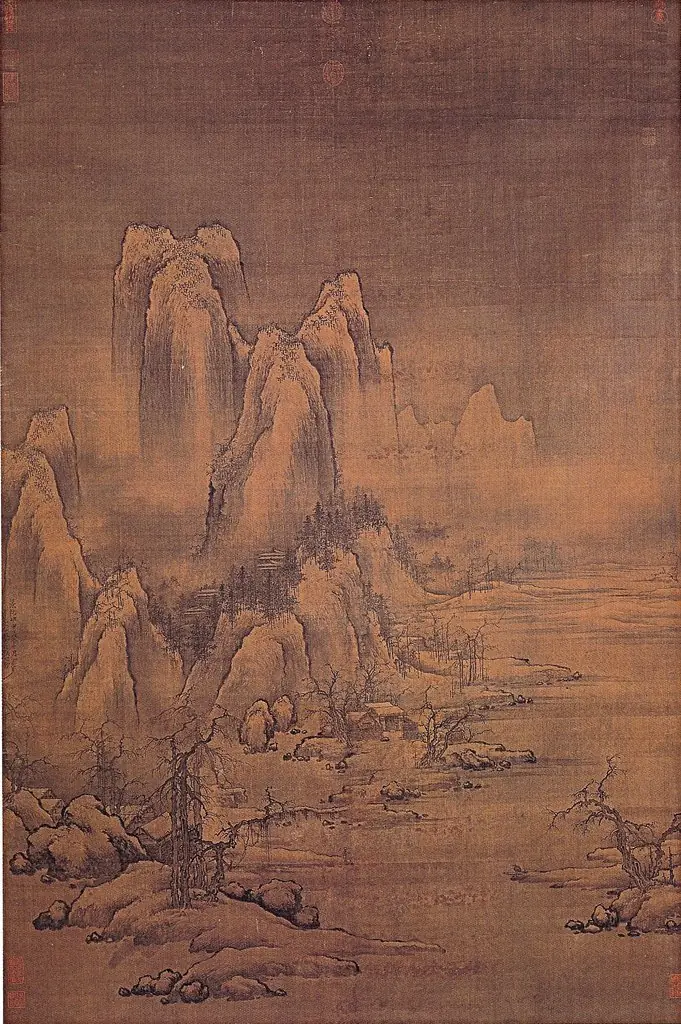 Fisherman on a Snowy River
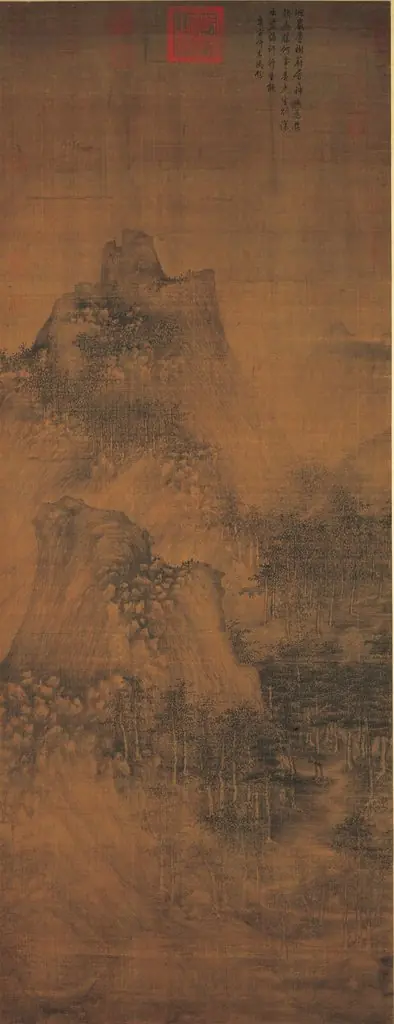 Layered Peaks and Dense Forests
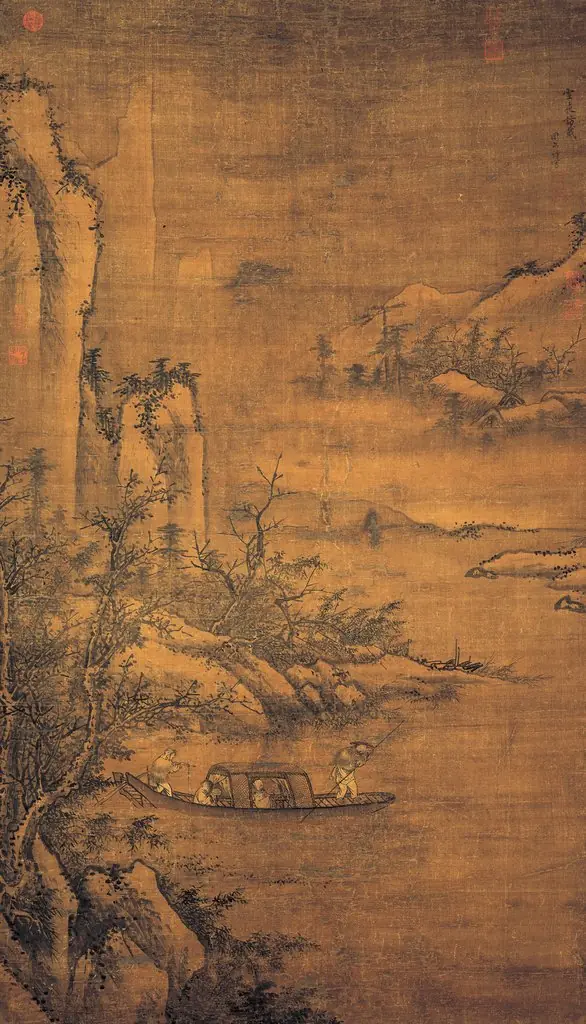 Visiting Tai Kuei on a Snowy Night
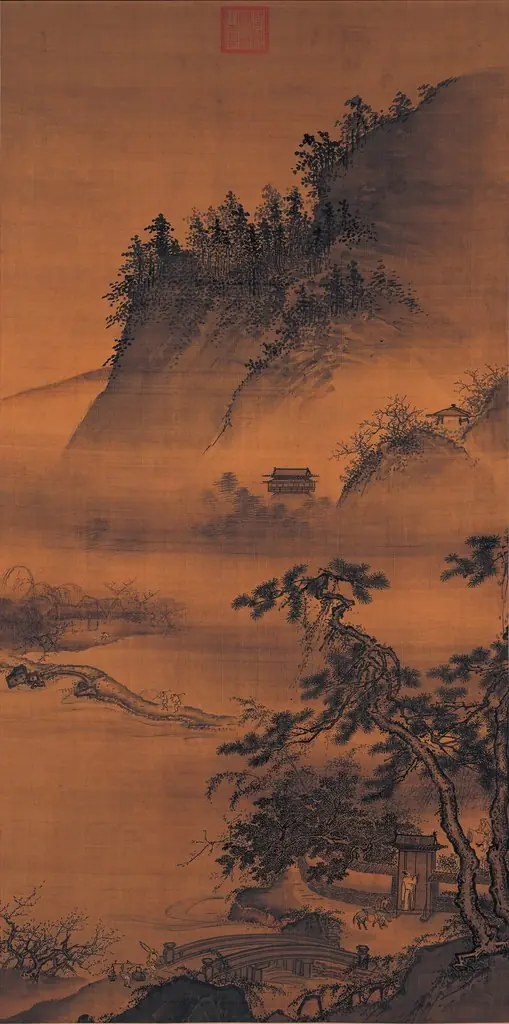 Returning Late from a Spring Outing
 Paintings after Ancient Masters: Landscape in the Style of Ni Zan
 明 藍瑛 仿宋元山水圖 冊|Landscapes after Song and Yuan masters
 Crossing a Bridge over a Stream
 A Small Wintry Grove
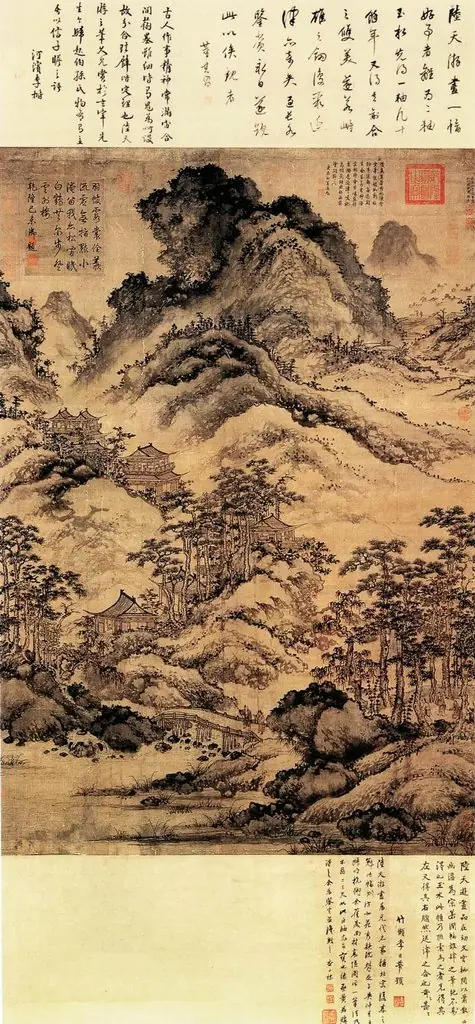 Buildings in the Mountains of the Immortals
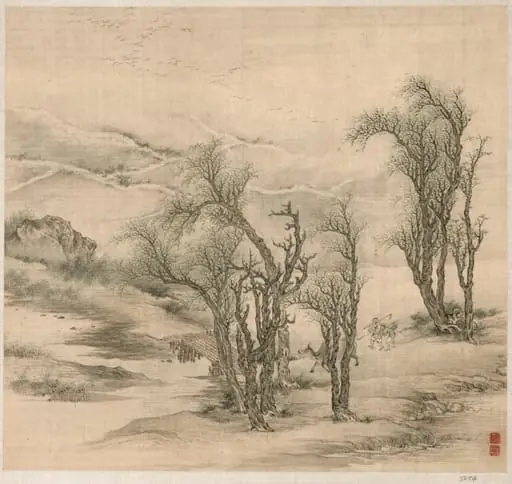 Returning Peasants in a Spring Evening
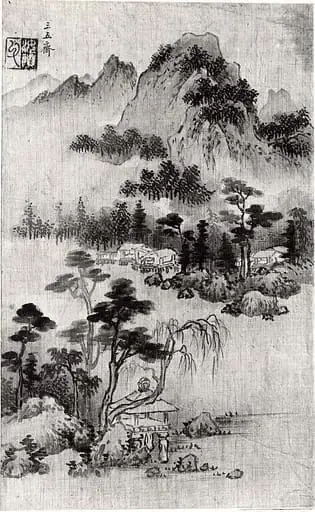 Untitled
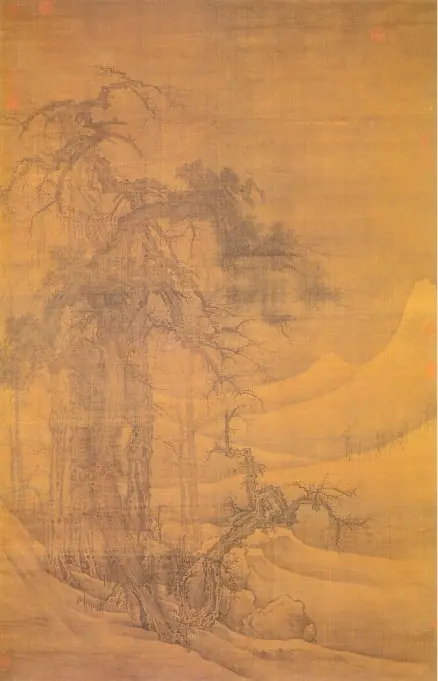 A Wintry Forest