Artwork
Spring
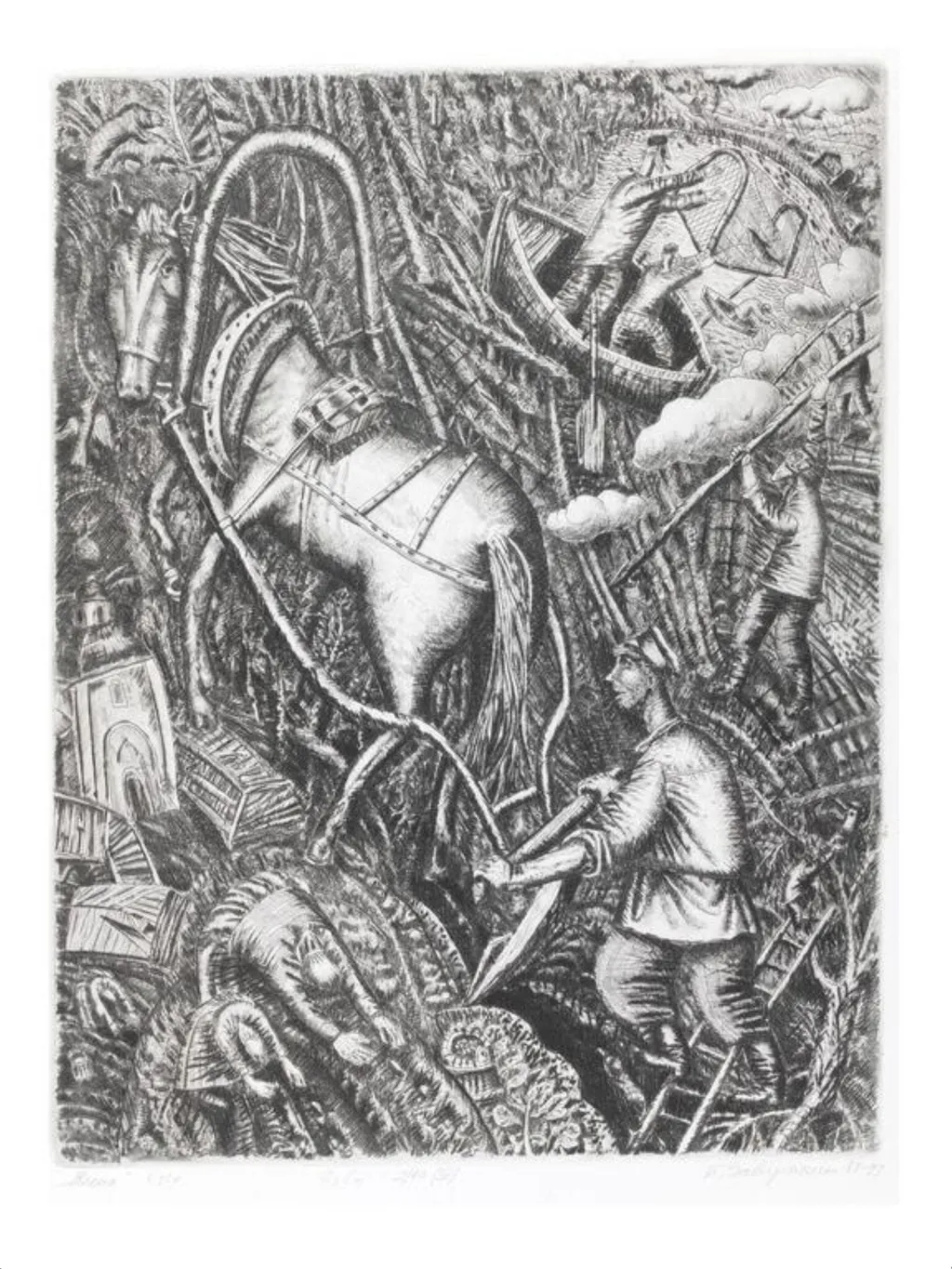
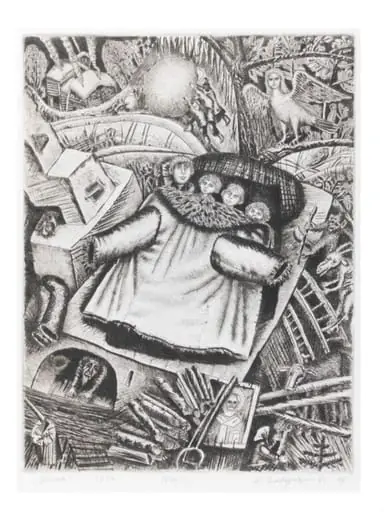
Spring is a print by Boris Zabirokhin. It dates from 1993 and is held in the collection of the Victoria and Albert Museum.
About this work
The Victoria and Albert Museum says they’re part of a set of four about the seasons.
These two prints are titled *Spring*. They’re by Boris Zabirokhin, made around 1993. They’re prints, so not paintings—just to keep that straight.
The Victoria and Albert Museum says they’re part of a set of four about the seasons. They mix nature scenes with religious images. The prints hint at hard lives, but also carry a gentle, nostalgic feel.
If you like this, look up Victoria and Albert Museum.
Overview
These two prints, titled Spring, form part of a four-part series by Boris Zabirokhin representing the seasons. Created around 1993, they are woodcuts or similar relief prints, not paintings. Each panel weaves together scenes of rural life with symbolic religious and natural elements, reflecting a quiet contemplation of seasonal cycles and human endurance in northern Russia.
Subject & Meaning
The prints depict rural labor and natural motifs—birds, blossoms, trees—interwoven with subtle religious imagery. They convey the hardship of village life without overt sentimentality, while evoking a sense of spiritual continuity. The presence of children and domestic routines suggests resilience, framed by a tone of gentle remembrance rather than despair.
Technique & Style
Zabirokhin employs a linear, illustrative style with clear outlines and muted tones, typical of traditional printmaking. The compositions are carefully structured, blending narrative detail with symbolic elements. The flatness of form and deliberate pacing invite slow viewing, reinforcing the quiet, almost liturgical rhythm of rural existence.
History & Provenance
Zabirokhin produced these works after years of travel to remote northern Russian villages, beginning shortly after his art school graduation. The series was conceived in 1982 but printed in 1993, reflecting a prolonged engagement with his subject. The prints entered the Victoria and Albert Museum’s collection as part of their broader documentation of 20th-century Russian graphic art.
Context
The series emerges from a post-Soviet cultural moment when artists revisited pre-revolutionary themes of peasant life. Zabirokhin drew from childhood memories of time spent with his grandmother and the literary tradition of Russian 'country writers' like Saltykov-Shchedrin, who portrayed rural hardship with moral depth and empathy.
Legacy
These prints contribute to a modest but significant body of work that reimagines folk and religious iconography through a modern printmaking lens. Zabirokhin’s approach avoids romanticization, instead offering a restrained, poetic record of rural Russia’s enduring rhythms, influencing later artists interested in memory, place, and material tradition.
Artist & collection
Artist
Russian printmaker Boris Zabirokhin captured seasons in stark, graphic style—his Winter (ca.

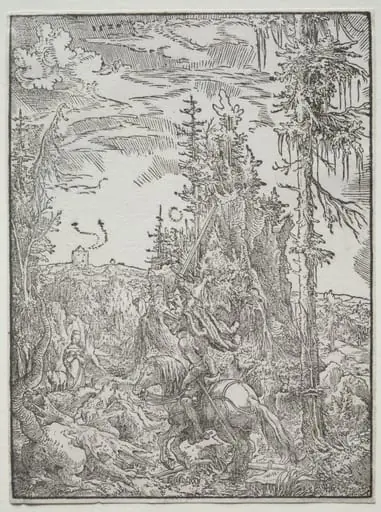 St. George and the Dragon
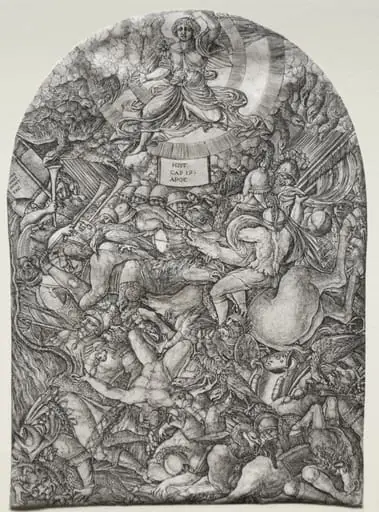 The Apocalypse: The Angel in the Sun Calling the Birds of Prey
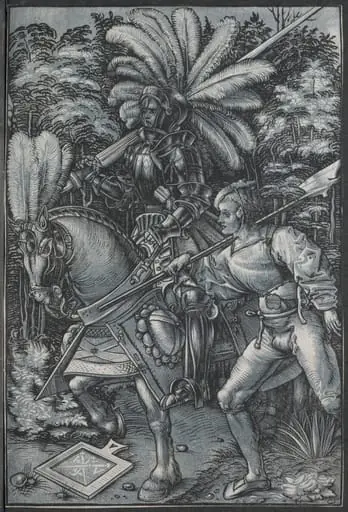 The Knight and Lansquenet
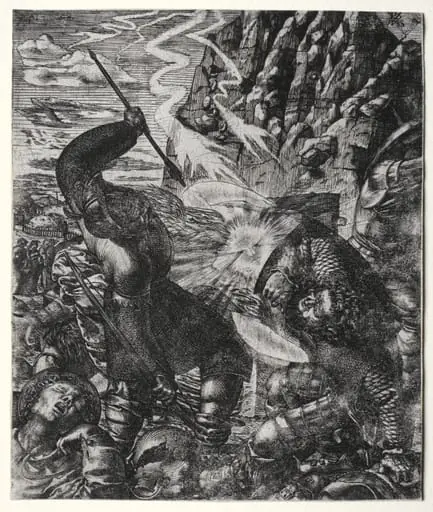 The Resurrection
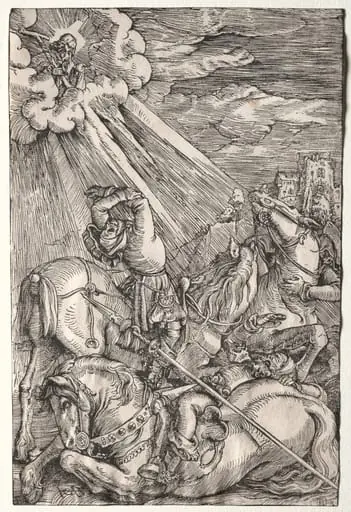 The Conversion of St. Paul
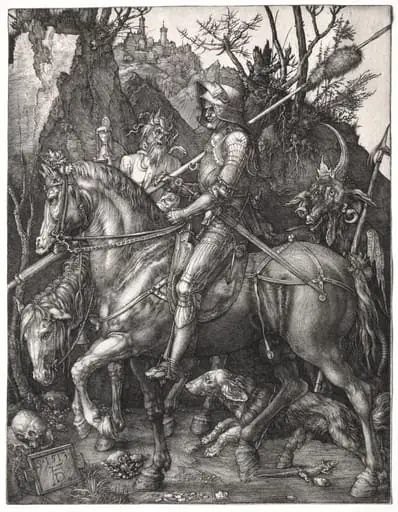 Knight, Death, and the Devil
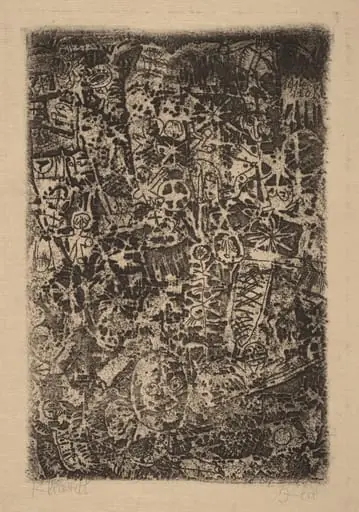 Small World (Kleinwelt)
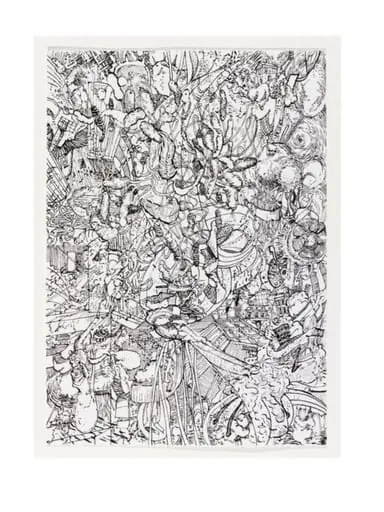 T28 (Plenum Series)
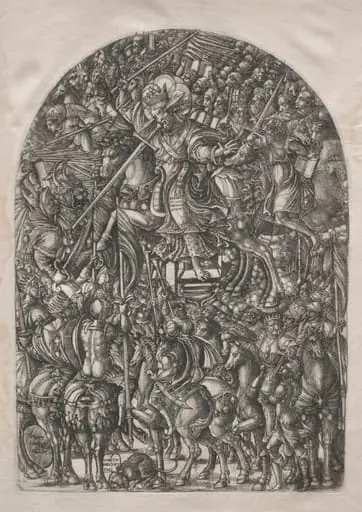 The Apocalypse: Christ Mounted on a White Horse
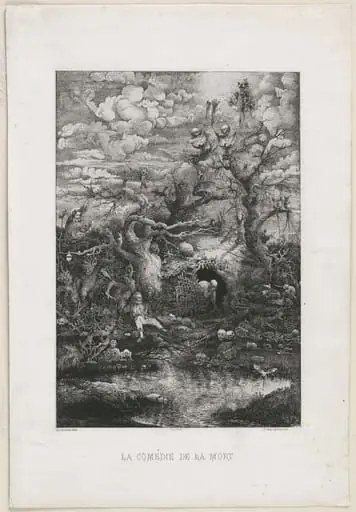 Untitled
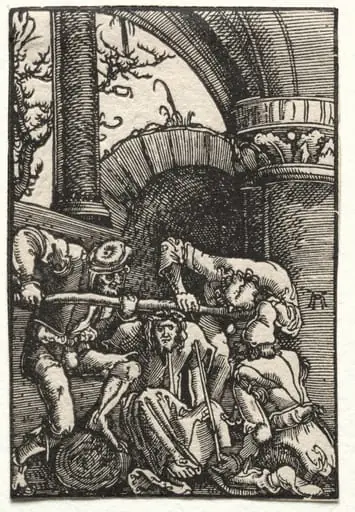 The Fall and Redemption of Man: Christ Crowned with Thorns
 Winter