Artwork
Compoziție 9
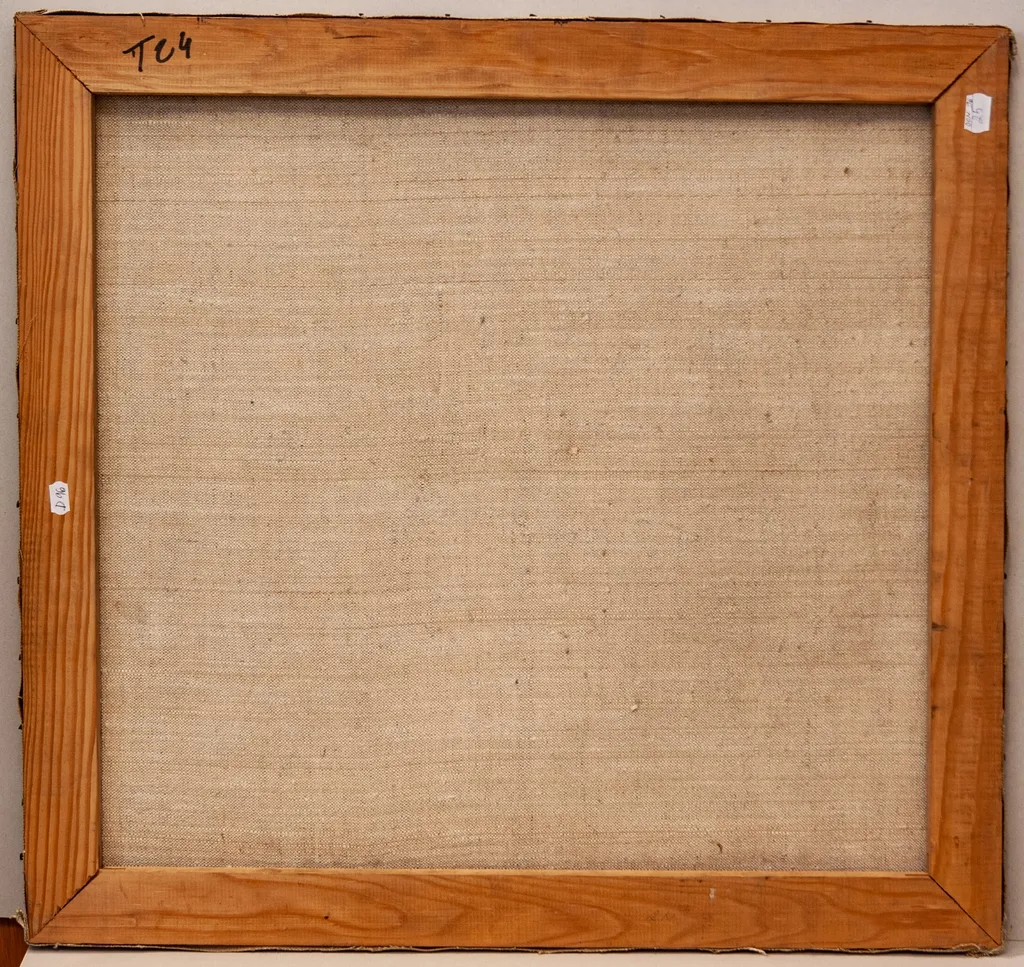
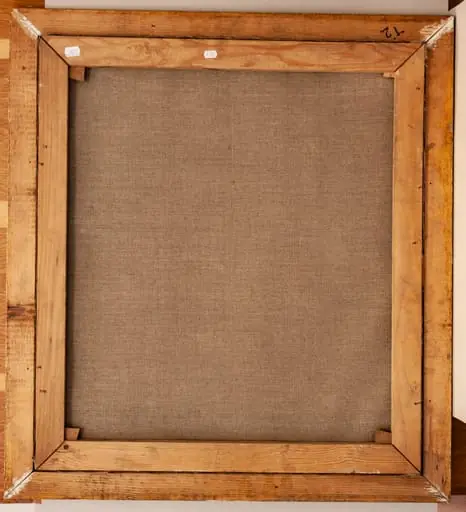
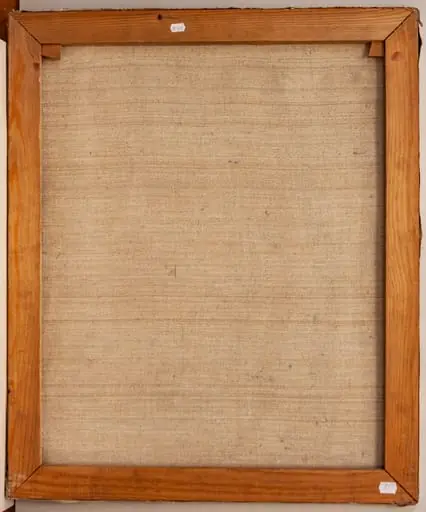
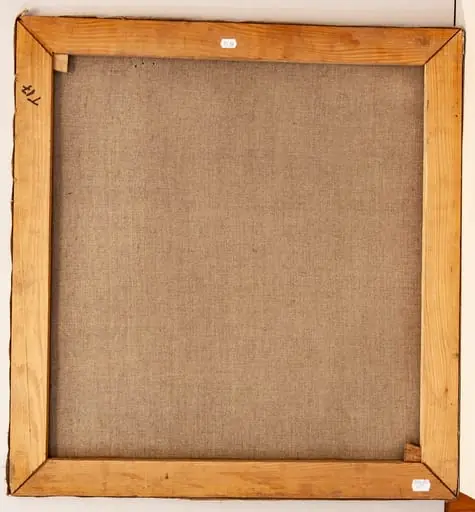
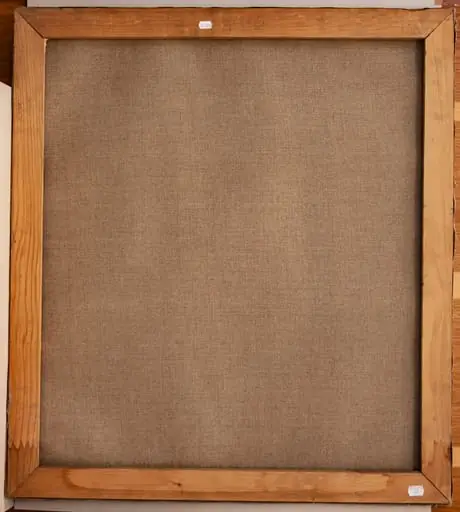
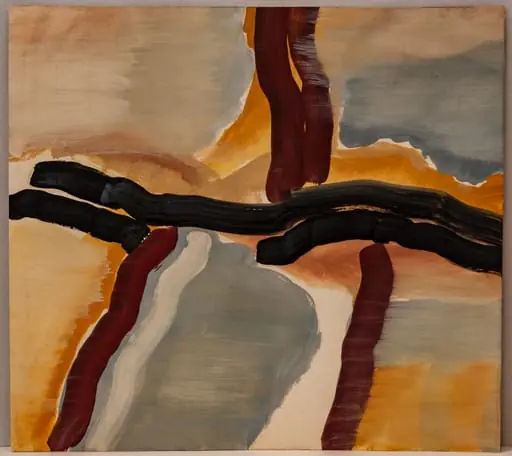
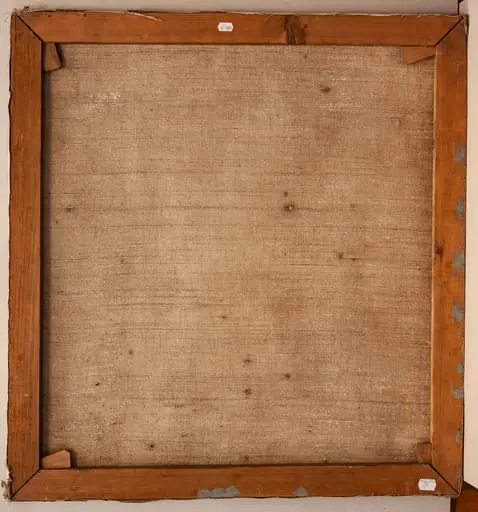
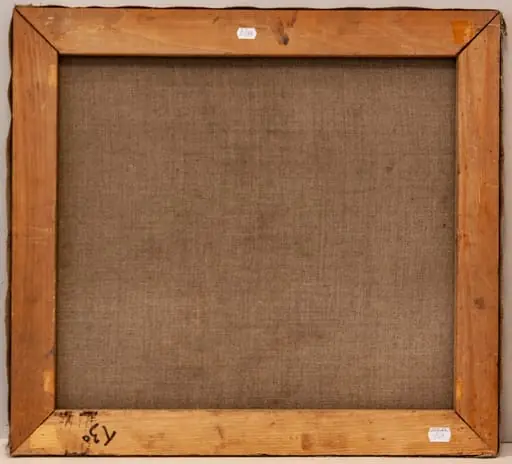
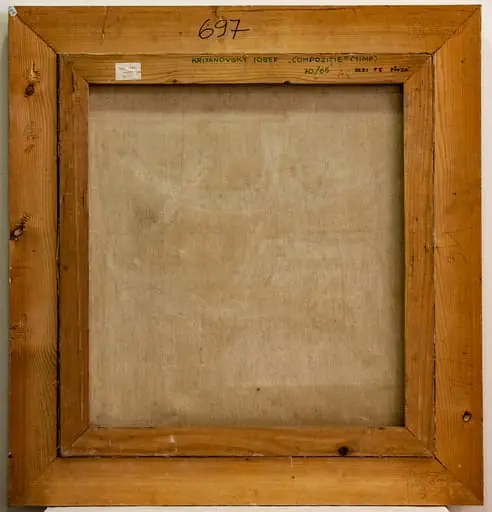
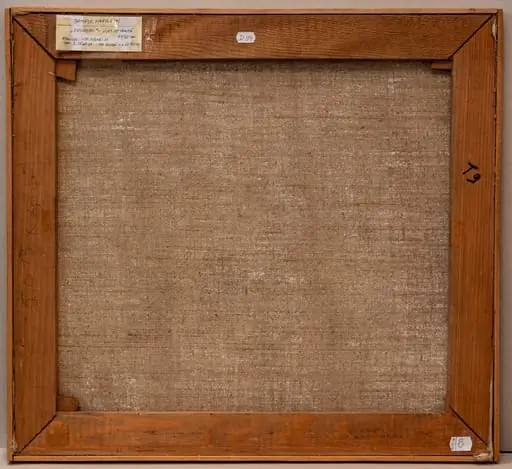
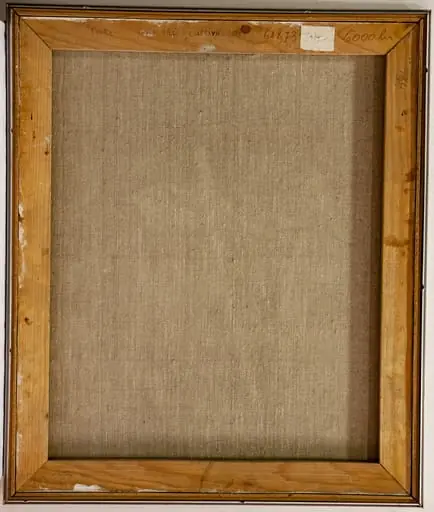
Compoziție 9 is a print by Zamfir Napoleon. It is held in the collection of the Gavrila Simion Eco-Museum Research Institute Tulcea. This image depicts a wooden picture frame against a neutral beige background.
About this work
Overview
The frame occupies the majority of the composition, its surface marked by visible wear—scratches, scuffs, and uneven texture suggest prolonged use.
This image depicts a wooden picture frame against a neutral beige background. The frame occupies the majority of the composition, its surface marked by visible wear—scratches, scuffs, and uneven texture suggest prolonged use. Small, unlabeled white stickers are present but contribute no discernible information. The surrounding wall is barely perceptible, emphasizing the frame as the sole subject. The image is stripped of decorative elements or narrative cues, focusing attention on the object’s physical presence.
Subject & Meaning
The subject is a utilitarian frame, devoid of any artwork it might once have held. Its worn condition and lack of ornamentation suggest abandonment or neglect. The absence of content within the frame invites contemplation of absence itself—what was once displayed, why it was removed, and what remains when meaning is stripped away. The stickers hint at prior labeling or institutional use, yet their insignificance underscores the frame’s current anonymity.
Technique & Style
The image is rendered with a documentary precision, avoiding stylization or dramatic lighting. The flat, even illumination reveals surface details without enhancing mood. Texture is captured through subtle tonal shifts rather than brushwork, suggesting photographic documentation. The composition is deliberately minimal, with no focal point beyond the frame’s edges. This restrained approach aligns with a conceptual interest in ordinary objects, prioritizing observation over interpretation.
History & Provenance
The work is attributed to Zamfir Napoleon, though little public documentation exists about the artist or the circumstances of this image’s creation. The frame’s condition implies it was not a curated object but one found or repurposed. The stickers may indicate prior display in a domestic, educational, or institutional setting. Its transition into an artwork suggests a shift in context—from functional item to object of contemplation—though no clear provenance trail has been established.
Context
This image emerges from a postwar artistic tendency to elevate mundane or discarded objects as subjects worthy of attention. It resonates with movements like Arte Povera or conceptual art, where the significance of an object is derived from its context rather than its intrinsic value. The frame’s emptiness reflects broader cultural inquiries into loss, memory, and the role of art institutions in assigning meaning to the overlooked.
Legacy
The work remains obscure, with no significant critical reception or inclusion in major collections. Its quiet presence contributes to a quieter lineage of art that examines the margins of visual culture—objects stripped of function, history, or fame. While not widely recognized, it exemplifies how simplicity and absence can provoke reflection, challenging assumptions about what constitutes a subject worthy of artistic attention.
Artist & collection
Artist
Museum
Gavrila Simion Eco-Museum Research Institute Tulcea
Continue through works from the same source collection.