Artwork
Beggars and Street Characters

Beggars and Street Characters is an unspecified painting by the Ming dynasty painting artist Shen Zhou. It is held in the collection of the Cleveland Museum of Art.
About this work
You see a scroll crowded with ragged people—some missing limbs, others hunched over sticks, all jostling for space.
You see a scroll crowded with ragged people—some missing limbs, others hunched over sticks, all jostling for space.
Zhou Chen lived in Suzhou, a wealthy city where beggars were so common they became part of the street noise. Instead of pity, his brush shows their sharp edges: a toothless grin, a claw-like hand. The painting might have been made for the New Year, when beggars performed for coins.
Look up more paintings of china, ming dynasty (1368–1644) to see how artists pictured everyday life.
Overview
Zhou Chen’s hand‑scroll, titled Beggars and Street Characters, presents a dense tableau of destitute figures populating the bustling streets of Suzhou. The composition is crowded with individuals who are missing limbs, hunch over makeshift staffs, and clutch at one another for space, creating a vivid record of the city’s marginalized populace during the late Ming period.
Subject & Meaning
The work captures the stark contrast between Suzhou’s wealth and the growing number of homeless, unemployed, or infirm former farmers who inhabited its markets. Rather than eliciting sympathy, Zhou emphasizes their harshness—toothless smiles, claw‑like hands—reflecting a societal fear of the underclass and hinting at their ritual role during the lunar New Year, when beggars masqueraded as ghosts to ward off evil.
Technique & Style
Executed in ink on silk, the scroll employs brisk, angular brushstrokes that accentuate the ragged textures of clothing and the contorted postures of the figures. Zhou’s use of negative space between the crowded bodies heightens the sense of claustrophobia, while the stark contrast of dark ink against the light background underscores the severity of the subjects’ conditions.
History & Provenance
Created in the late 16th century, the painting originates from Zhou Chen’s native Suzhou, a city renowned for its commercial prosperity. It is believed to have been produced for New Year festivities, when itinerant beggars performed theatrical displays for alms, a practice documented in contemporary local customs.
Context
During the Ming dynasty, rapid urban expansion intensified social stratification, producing a visible underclass that populated city streets. Zhou’s depiction aligns with a broader trend among Ming artists who began to document everyday life, moving beyond courtly and religious themes to portray the realities of urban poverty.
Legacy
The scroll stands as a rare visual testimony to the lived experience of Suzhou’s poor, offering scholars insight into the city’s social dynamics and the cultural rituals surrounding the lunar New Year. Its unflinching portrayal continues to inform studies of Ming‑period genre painting and the representation of marginal groups in Chinese art.
Artist & collection
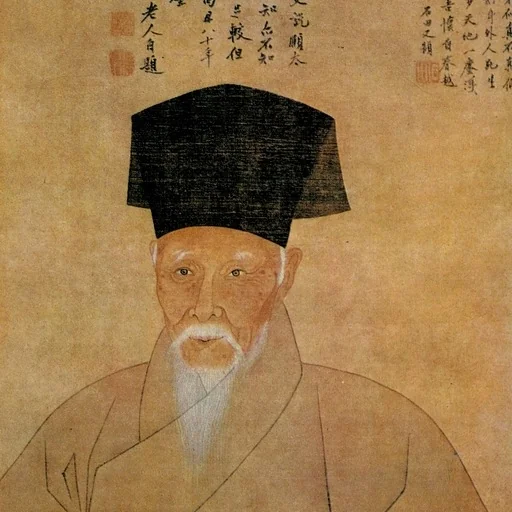
Artist
Shen Zhou spent his life in the Suzhou region of China, where his family’s money and connections mattered more than art—until it did.

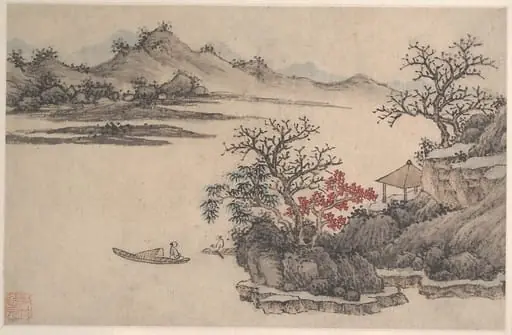 Untitled
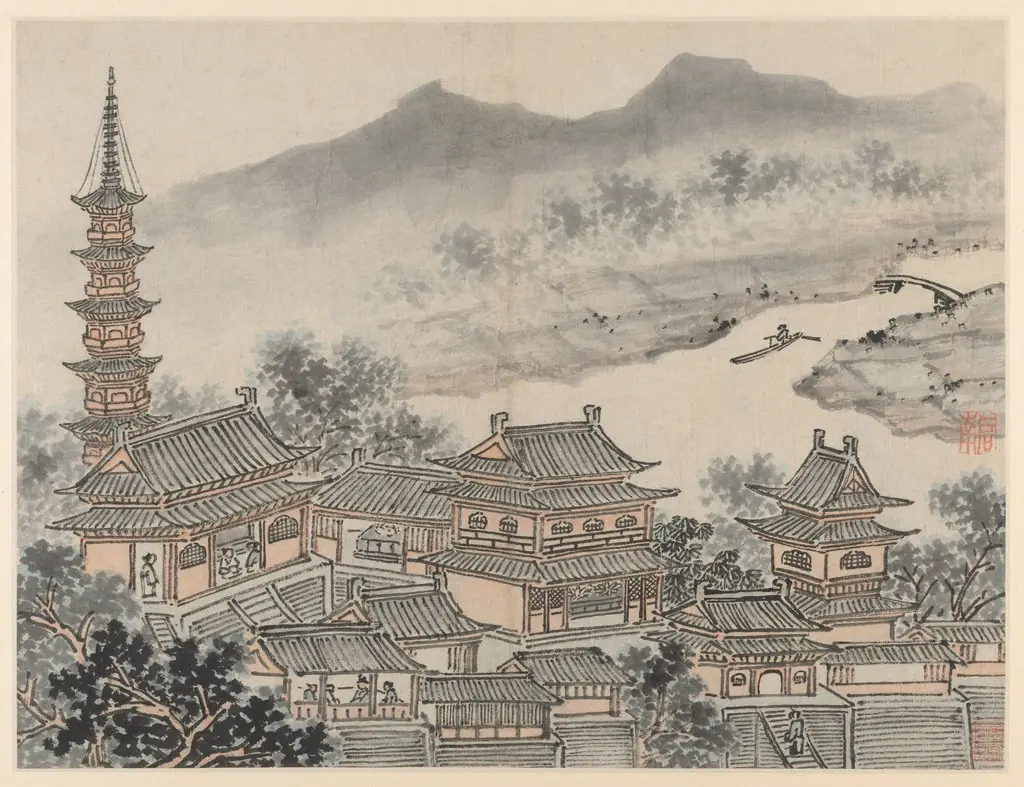 The Thousand Buddha Hall and the Pagoda of the "Cloudy Cliff" Monastery, from Twelve Views of Tiger Hill, Suzhou
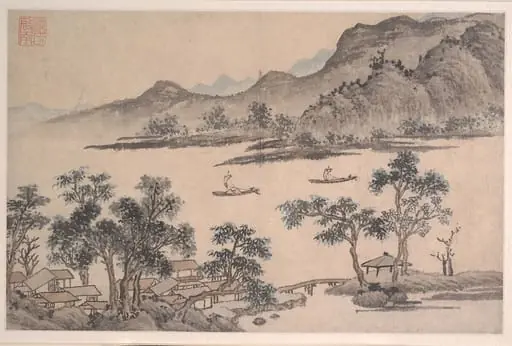 Untitled
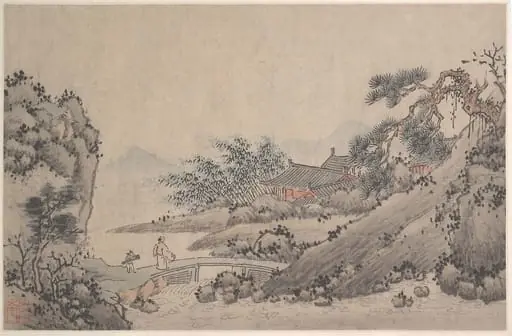 Untitled
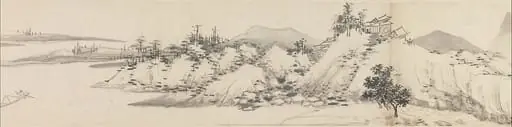 明 沈周 溪山秋色圖 卷|明 沈周 溪山秋色圖 卷明 楷書溪山秋色圖 引首|Autumn Colors among Streams and Mountains
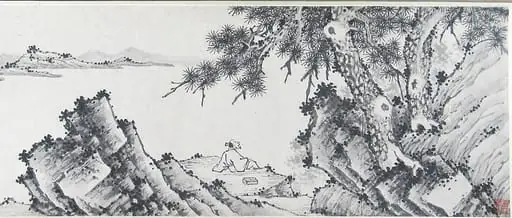 明 (倣)沈周 怡松圖 卷|Enjoying the Pines
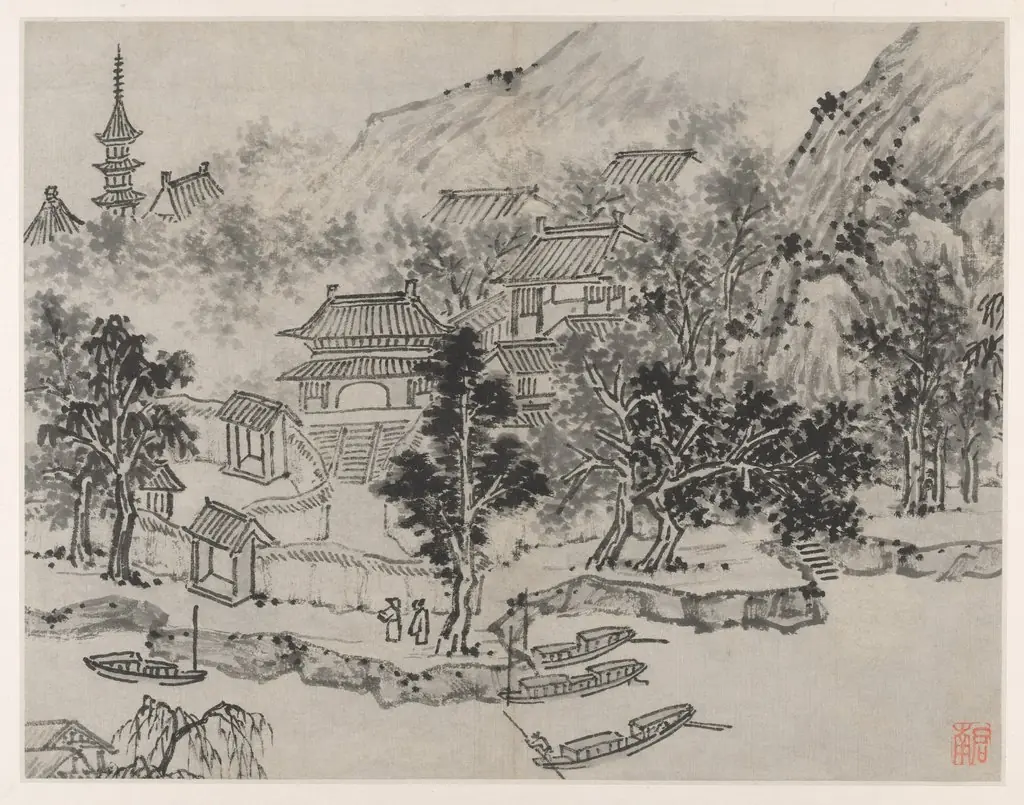 Distant View of Tiger Hill from the Canal Mooring, from Twelve Views of Tiger Hill, Suzhou
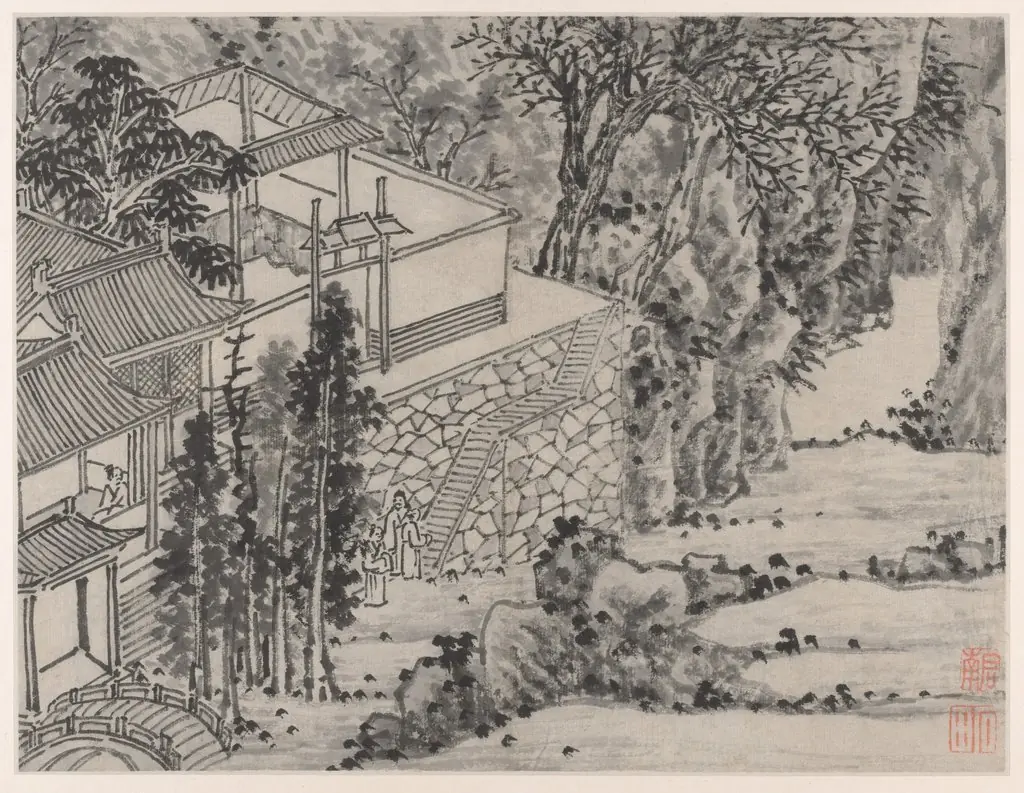 The Enlightened Stone Retreat, from Twelve Views of Tiger Hill, Suzhou
 Festival Scenes
 Flowers of Four Seasons, with Poems
 Sericulture (The Process of Making Silk)
 Chinese Emperor (Hsi-yu t'u)
 A Hundred Sparrows in a Lofty Grove
 Water Village
 Oeyama Engi
 In the Palace
 Zhao Mengfu Writing the Heart (Hridaya) Sutra in Exchange for Tea
 Mt. Taibo in the Style of Wang Meng
 Mt. Taibo in the Style of Wang Meng
 Beggars and Street Characters