Artwork
Hawfinch
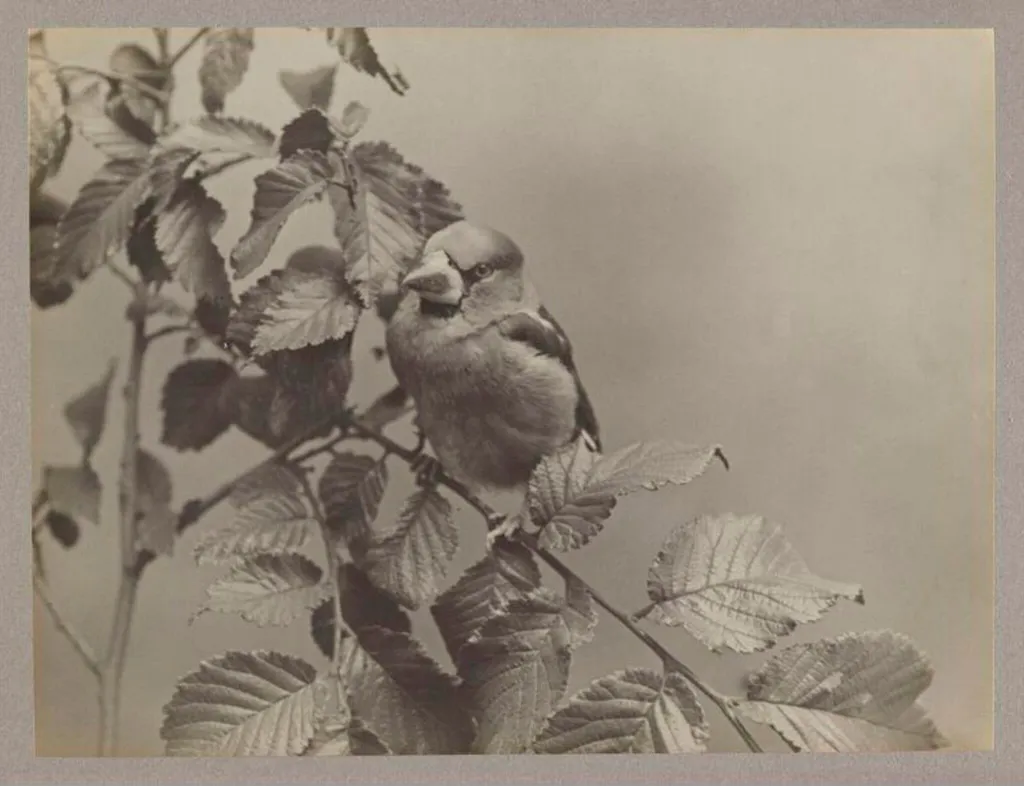
Hawfinch is a photographic photography by Zoological Photographic Club. It is held in the collection of the Victoria and Albert Museum.
About this work
Overview
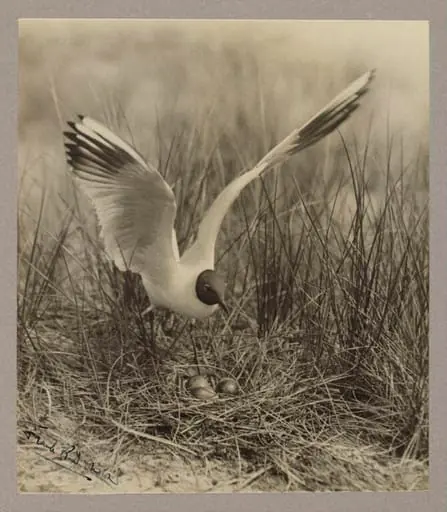
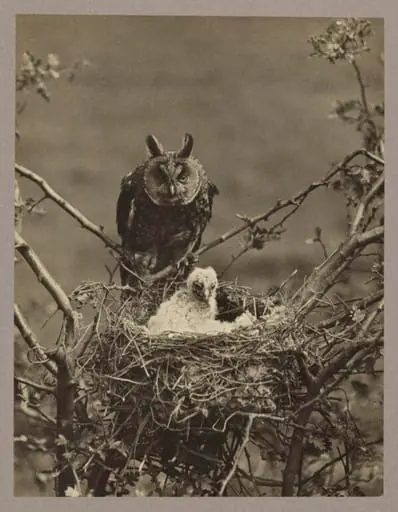
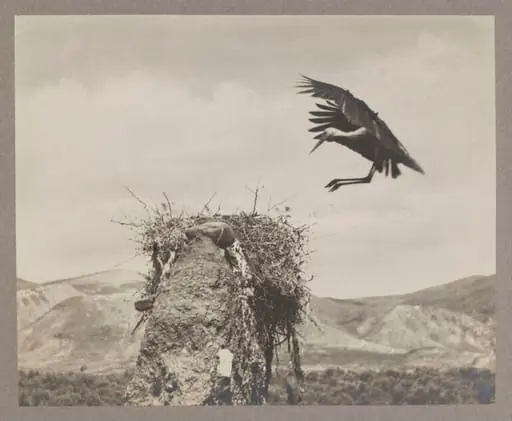
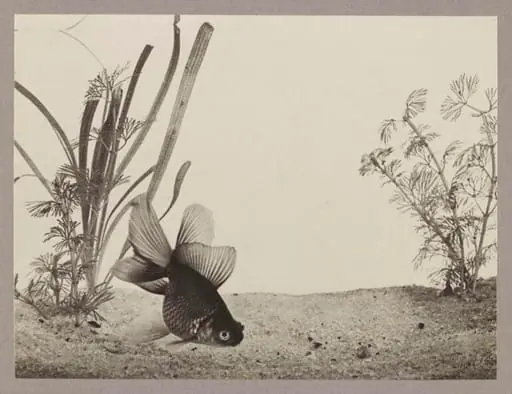
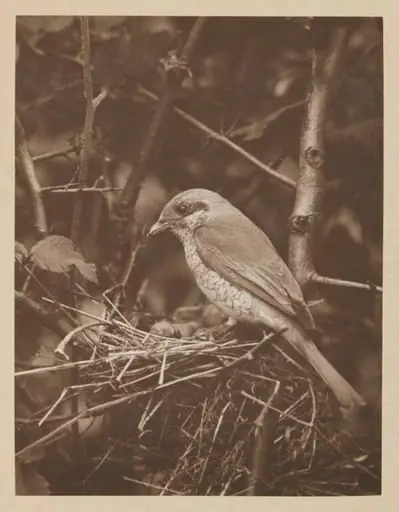
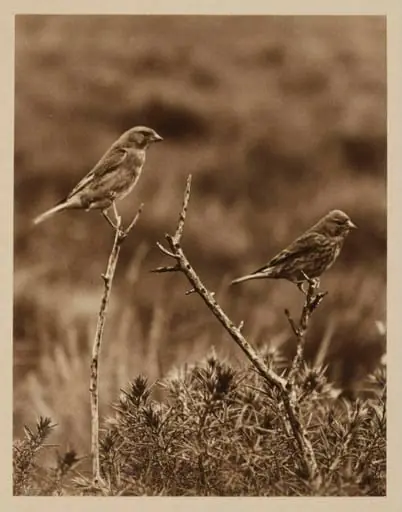
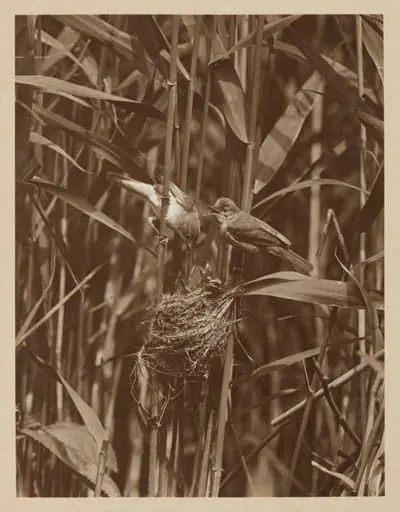
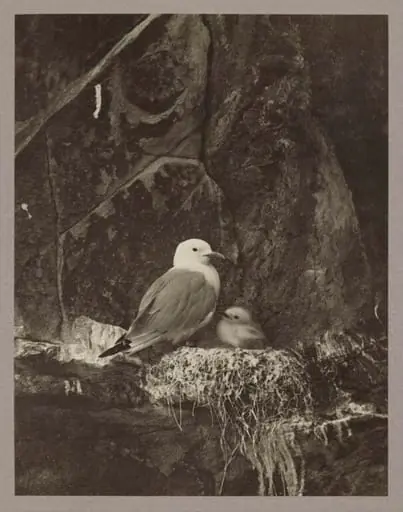
A black-and-white photograph of a hawfinch, mounted within a bound album, is part of a larger collection held by the Victoria and Albert Museum.
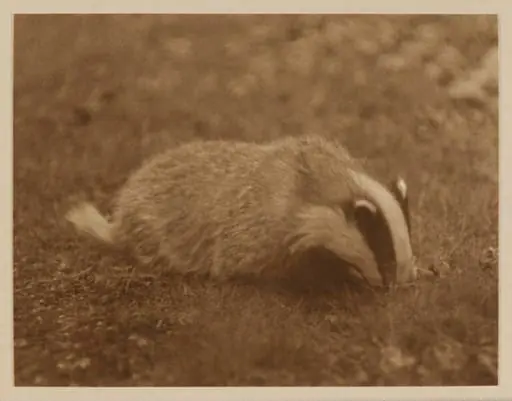
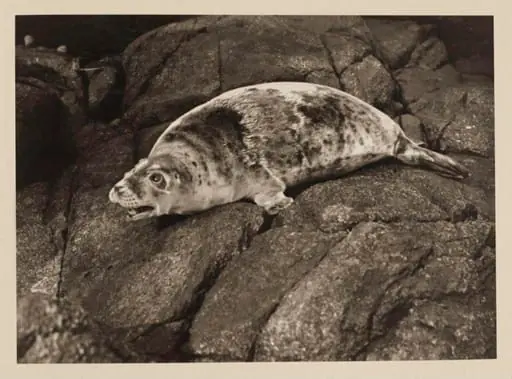
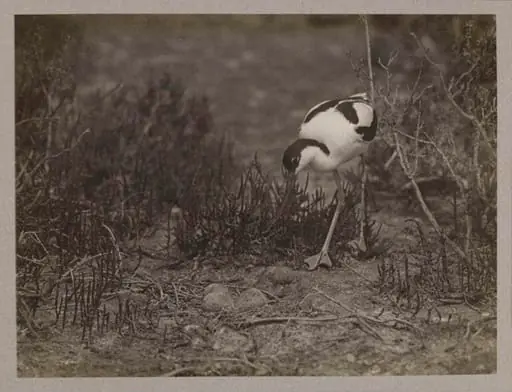
A black-and-white photograph of a hawfinch, mounted within a bound album, is part of a larger collection held by the Victoria and Albert Museum. The image, cataloged under numbers 3250:1-2023 to 3250:39-2023, was produced by the Zoological Photographic Club, a group dedicated to documenting wildlife with technical precision. The composition emphasizes natural detail through careful lighting and focus, avoiding theatrical staging.
Subject & Meaning
The bird is captured mid-call, beak slightly parted, perched on a slender branch amid finely rendered foliage. The moment suggests observation rather than intervention, reflecting the club’s aim to portray animals in their natural behavior. The open beak implies sound and movement, grounding the static image in lived experience without anthropomorphizing the subject.
Technique & Style
The photograph uses soft tonal gradations to define texture—feathers, leaf veins, and bark are rendered with clarity through controlled contrast. The absence of color directs attention to form and light, while the shallow depth of field isolates the bird from its background. This method prioritizes anatomical accuracy over aesthetic embellishment, typical of scientific nature photography of the period.
History & Provenance
The photograph belongs to a series assembled by the Zoological Photographic Club, active in the late 19th or early 20th century. Its inclusion in a numbered album suggests systematic documentation, likely intended for study or exhibition. The album’s current home at the Victoria and Albert Museum indicates its recognition as a record of early naturalist visual practice.
Context
Produced during a time when photography was becoming a tool for biological study, the image aligns with broader efforts to classify and observe nature through mechanical means. Unlike artistic portraits of animals, this work reflects a scientific ethos—valuing fidelity to detail over emotional resonance, and contributing to a growing archive of wildlife imagery for academic use.
Legacy
The photograph endures as an example of early naturalist photography that prioritized observation over ornamentation. Its preservation within a curated museum collection underscores its role in documenting evolving methods of visual science. It remains a quiet testament to the discipline and patience required to record nature with technical rigor before the advent of modern equipment.
Artist & collection
Artist
The Zoological Photographic Club took crisp, close-up photos of animals in the late 1800s, long before smartphones.