Artwork
Landscape with trees and houses
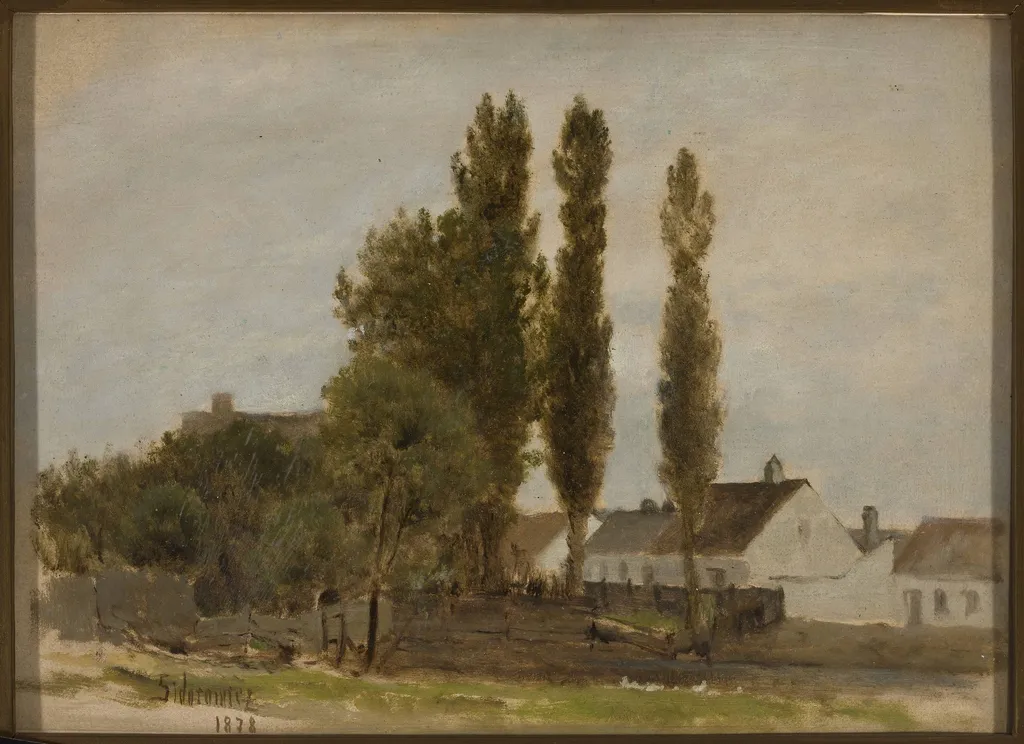
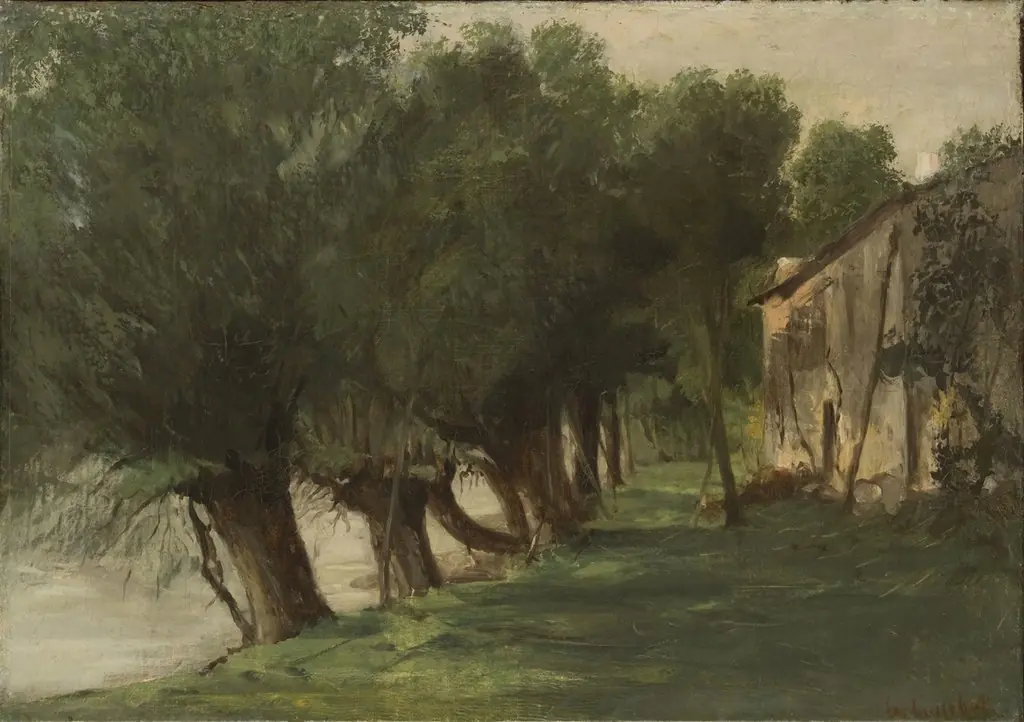
Landscape with trees and houses is an oil painting by the Impressionist artist Zygmunt Sidorowicz. It is held in the collection of the National Museum in Warsaw.
About this work
Overview
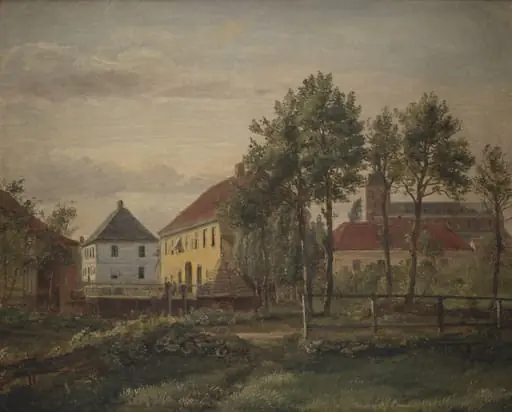
Painted in 1890 by Zygmunt Sidorowicz, this oil-on-canvas work depicts a quiet rural scene in Poland. It belongs to the collection of the National Museum in Warsaw, where it remains part of the institution’s 19th-century Polish landscape holdings. The composition emphasizes natural elements—trees, dwellings, and open ground—rendered with restrained detail and a muted palette.
Subject & Meaning
The painting presents a modest village setting with white-walled homes nestled among tall, slender trees. A low wooden fence and patches of grass anchor the foreground, suggesting human presence without narrative drama. The scene conveys stillness and order, reflecting a quiet appreciation for everyday rural life rather than grandeur or symbolism.
Technique & Style
Sidorowicz applied oil paint in thin, layered strokes that preserve the texture of the canvas while avoiding heavy impasto. The sky is rendered in soft gray tones, blending gently with the green foliage and white structures. Spatial depth is achieved through subtle atmospheric perspective, with forms receding softly into the distance.
History & Provenance
The painting was completed in 1890 and entered the National Museum in Warsaw’s collection shortly thereafter. Its provenance is unbroken, with no documented changes in ownership. It has been exhibited periodically as part of thematic displays on Polish landscape painting from the late 19th century.
Context
Created during a period when Polish artists were exploring national identity through regional scenes, this work aligns with a broader trend of depicting rural life with sincerity rather than idealization. Sidorowicz’s approach reflects the influence of French Realism and the Polish plein air movement, emphasizing observation over romanticism.
Legacy
Though not widely reproduced, the painting contributes to the understanding of lesser-known Polish landscape artists of the era. It remains a quiet example of how everyday rural environments were rendered with dignity and attention to light and structure, offering insight into the aesthetic values of its time.
Artist & collection

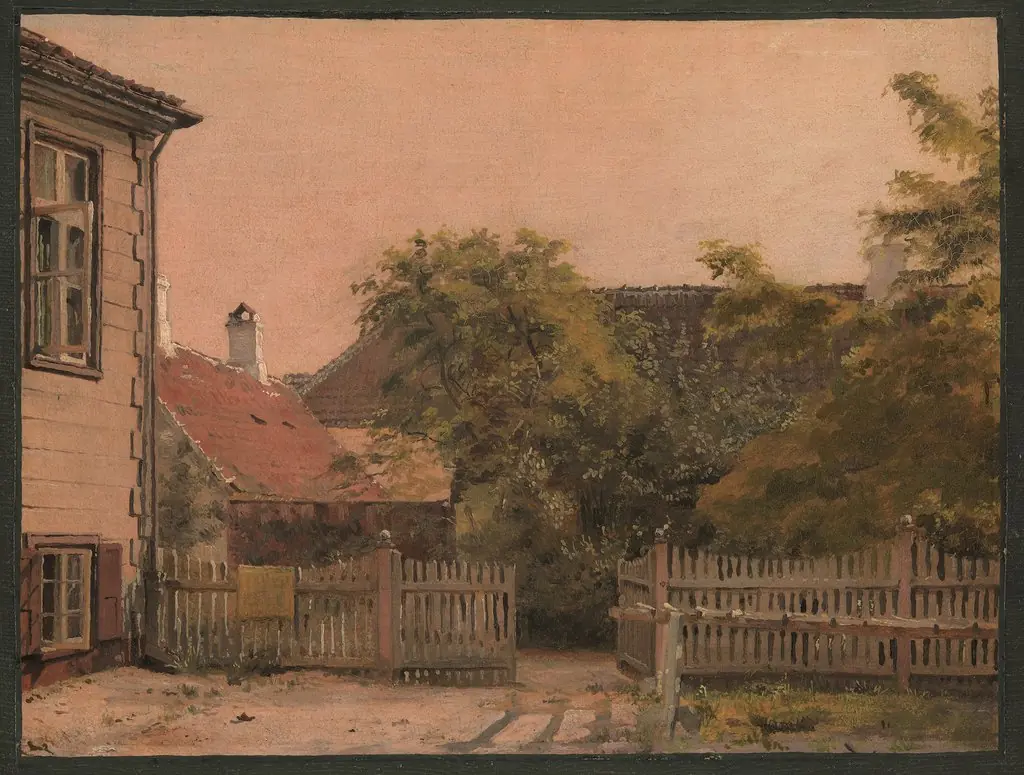 A Corner of the Artist´s Father's House
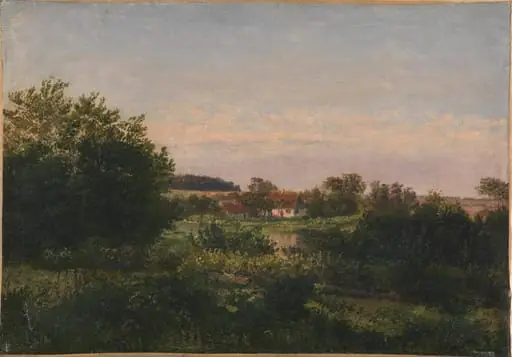 Landscape with a Cottage beside a Pond
 A Mill in Odense
 A Corner of the Artist´s Father's House
 Forest landscape with water
 Millpond and Cottage
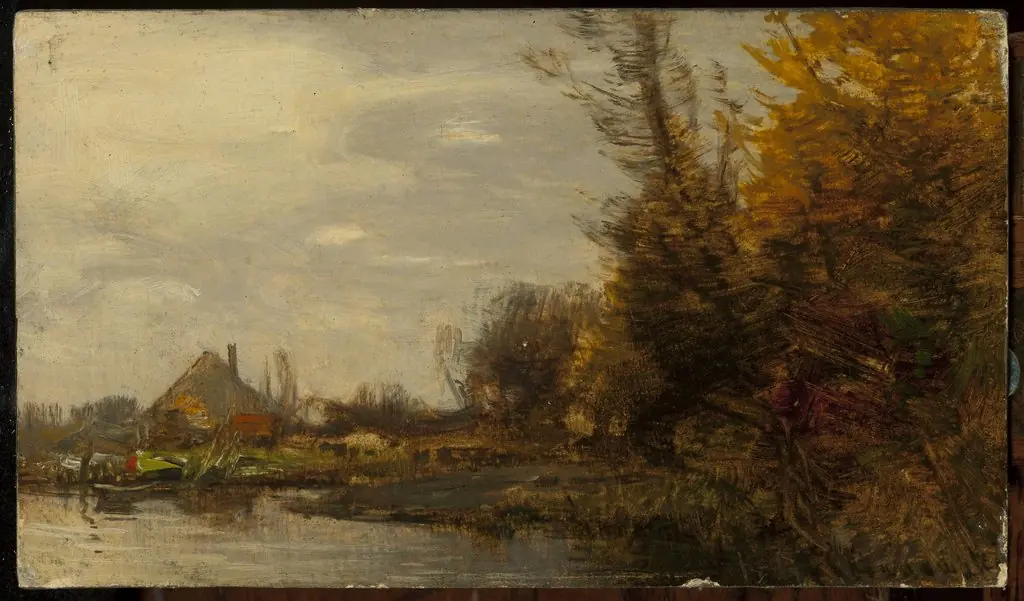 Autumn landscape with a cottage at waterside
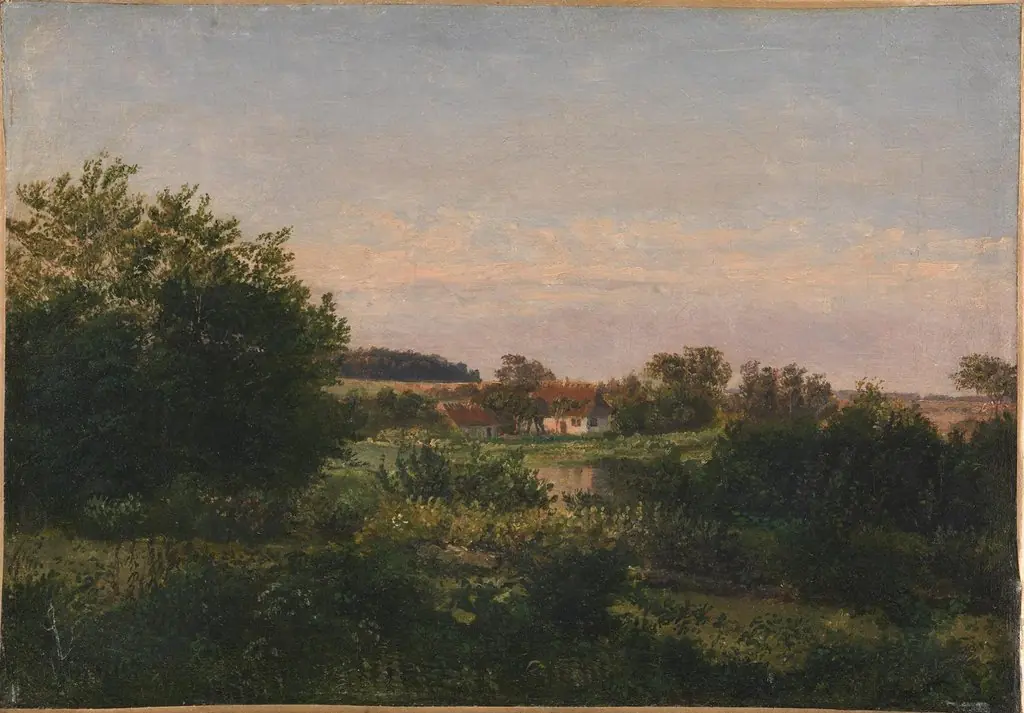 Landscape with a Cottage beside a Pond
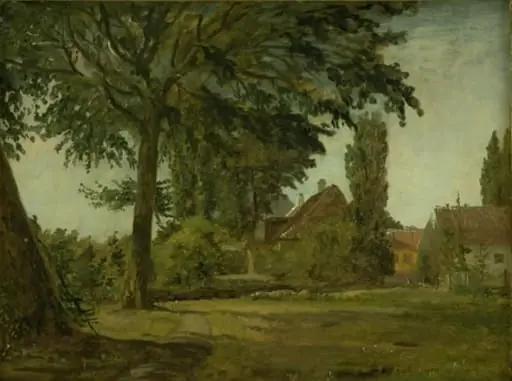 View of Falkonerallé outside Copenhagen
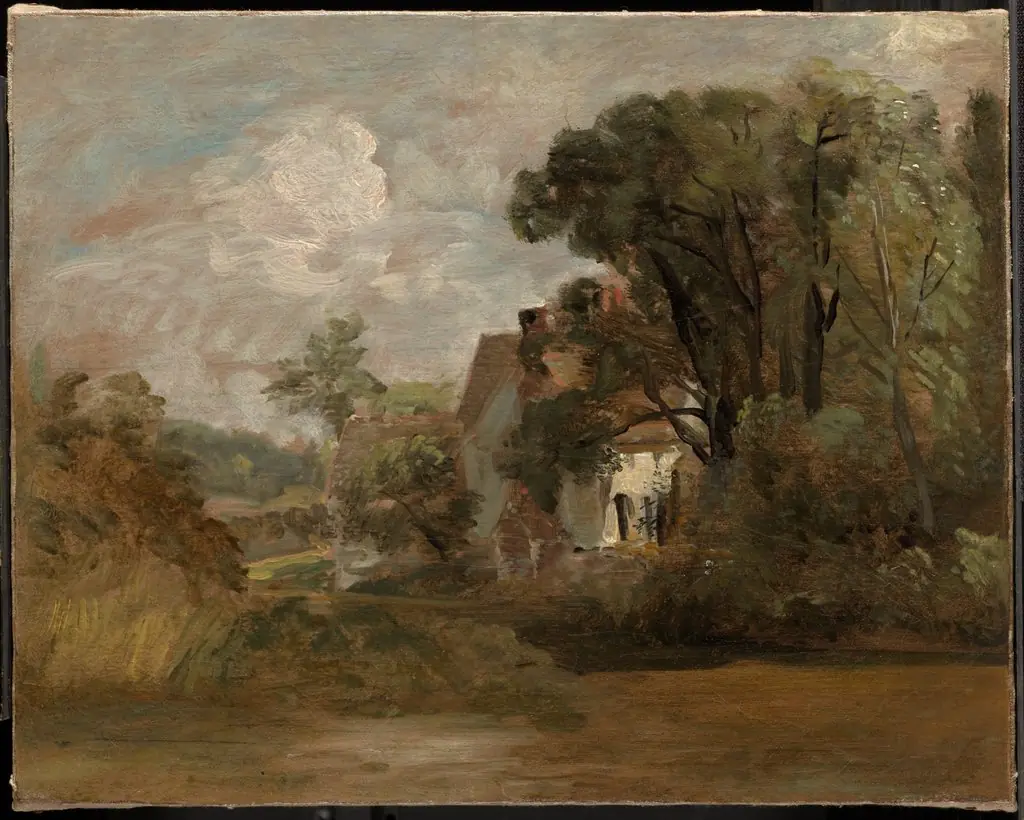 Willy Lott's House (recto); Landscape Sketches with Trees and Church Tower (verso)
 La Charente, Port-Berteau
 Château Thierry