Artwork
Fra udgravning i Kejserpaladset, Rom 1864
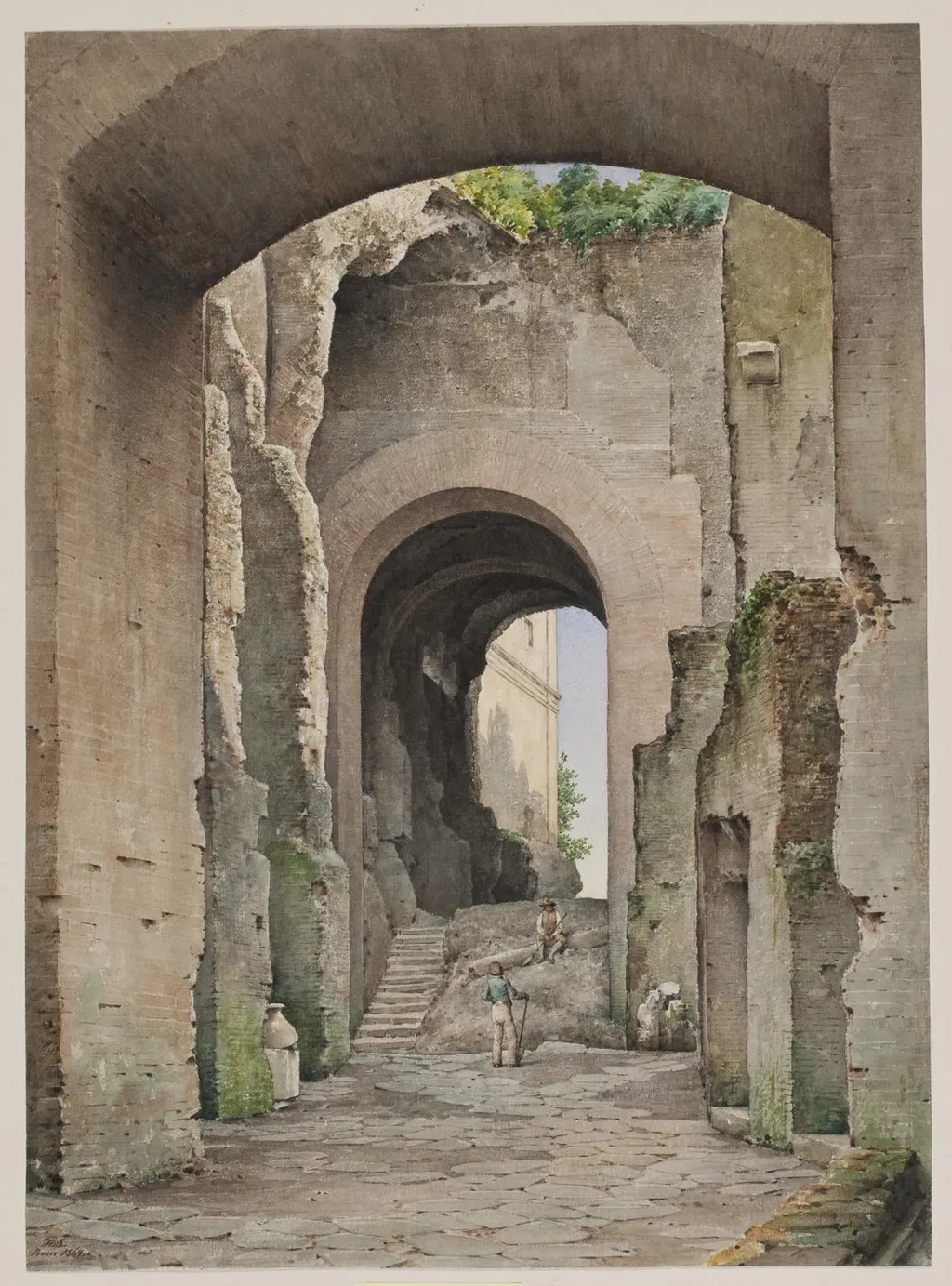
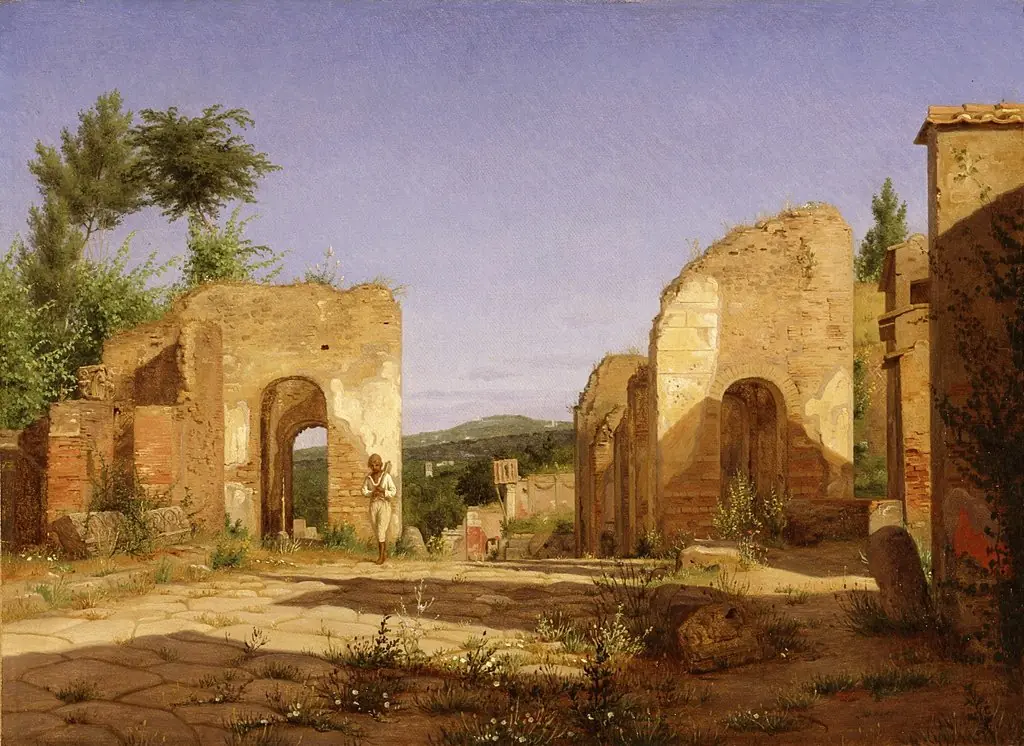
Fra udgravning i Kejserpaladset, Rom 1864 is an unspecified painting by the Impressionist artist Unknown. It dates from 1864 and is held in the collection of the Statens Museum for Kunst. Painted in 1864, this work captures a moment of quiet observation amid ancient Roman ruins.
About this work
Overview
The artist depicts a fragment of imperial architecture overgrown with vegetation, emphasizing decay rather than grandeur.
Painted in 1864, this work captures a moment of quiet observation amid ancient Roman ruins. The artist depicts a fragment of imperial architecture overgrown with vegetation, emphasizing decay rather than grandeur. Executed in subdued earth tones, the scene reflects a deliberate turn toward unembellished observation, aligning with broader 19th-century artistic shifts away from romanticized history painting.
Subject & Meaning
The image centers on a weathered stone archway, partially collapsed and cloaked in moss, with a solitary figure approaching a staircase leading to a distant structure. The presence of a small jar near the base suggests human activity, however minor, within the ruins. The composition conveys time’s quiet erosion of power, inviting reflection on impermanence rather than celebrating antiquity.
Technique & Style
The artist employs a restrained palette of grays, greens, and browns to render the textures of aged stone and damp vegetation. Light is carefully modeled to highlight cracks, moss patches, and uneven surfaces, enhancing the tactile sense of decay. Brushwork is deliberate but unshowy, avoiding idealization in favor of close attention to natural detail, characteristic of emerging Realist tendencies.
History & Provenance
Created during a period of heightened archaeological interest in Rome, the work was likely made after direct study of the imperial palaces on the Palatine Hill. It entered the collection of the Museum of Ethnography, where its focus on material traces of the past aligns with the institution’s interest in cultural artifacts and daily life across time.
Context
In the mid-19th century, artists increasingly turned from mythological or heroic subjects to scenes of actual, often humble, environments. This painting reflects that trend, joining a wave of works that treated ruins not as symbols of lost glory but as living remnants shaped by nature and time, resonating with contemporary scientific and historical inquiry.
Legacy
Though not widely exhibited beyond its institutional home, the work exemplifies a quiet but significant strand of 19th-century European art: the documentation of ruins as sites of quiet, ongoing transformation. Its emphasis on texture, light, and absence of narrative influence later generations interested in the material traces of history.
Artist & collection

 Domestic Scene
 Giacomo and Cardinal Marco, investing Andrea, Abbot of San Zeno, with his Benefice
 The Nymph of Fontainebleau
 Portrait of a Woman
 Madonna and Child with Saints in the Enclosed Garden
 Venus and Minerva
 Family Group of Four on Sofa
 Wall painting from Room H of the Villa of P. Fannius Synistor at Boscoreale
 Untitled
 Interior of the Colosseum
 Ruiner. Caracallas termer i Rom?
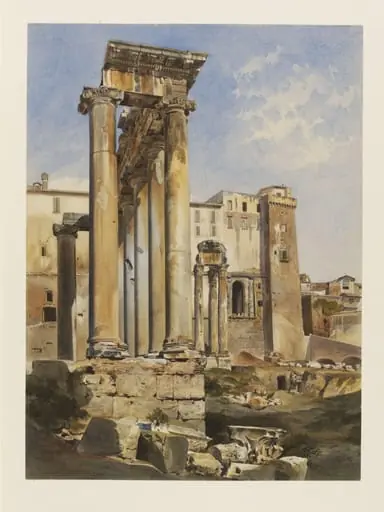 The Temple of Saturn and the Temple of Concord, Rome
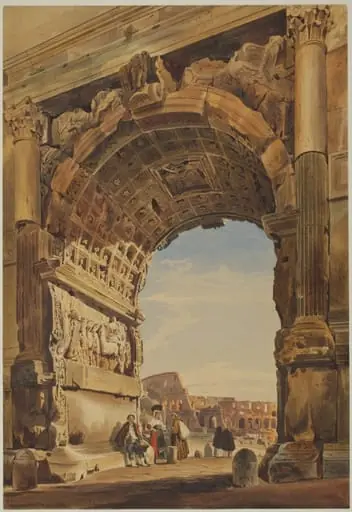 The Arch of Titus and the Coliseum, Rome
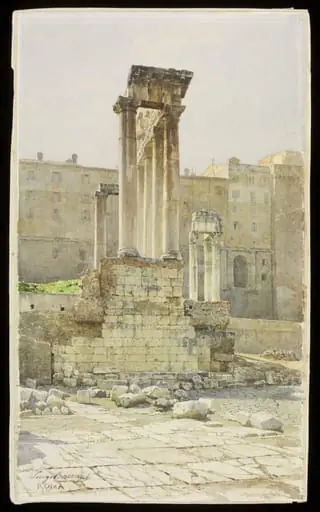 Untitled
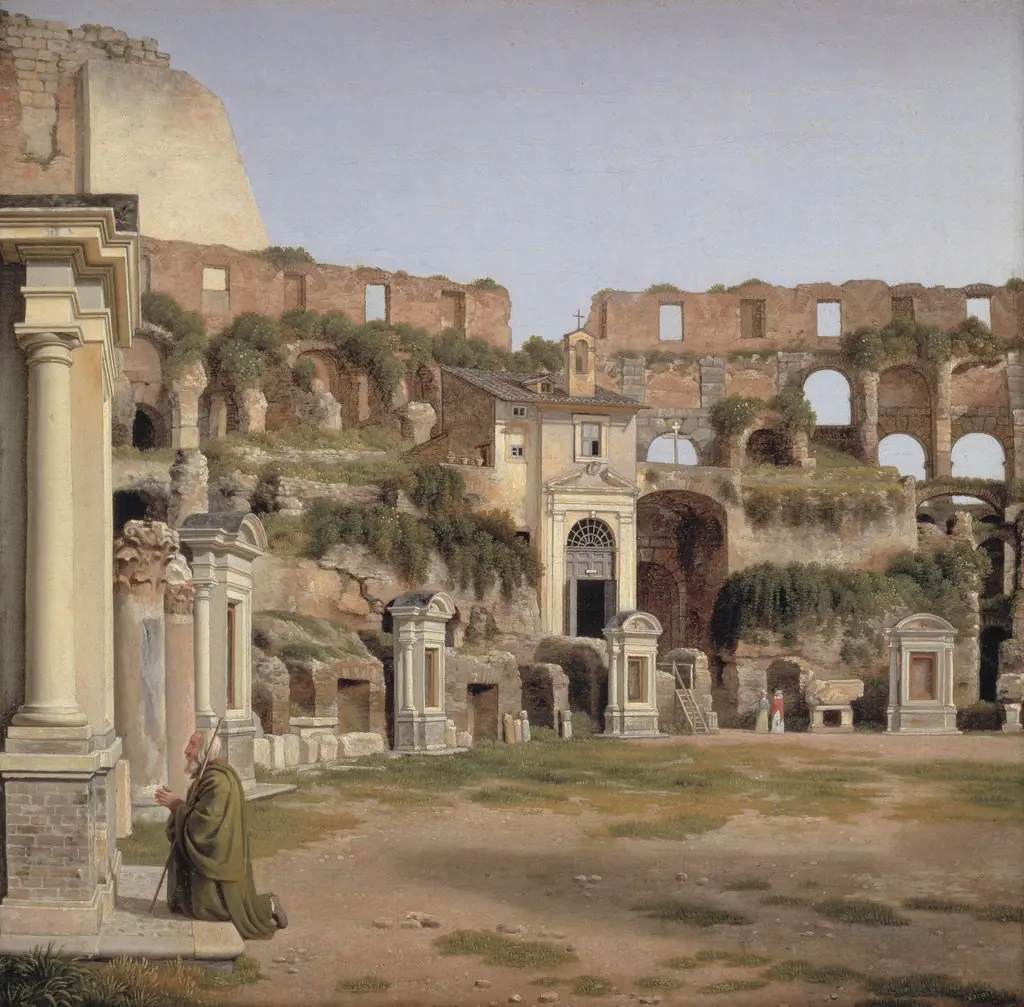 View of the Interior of the Colosseum
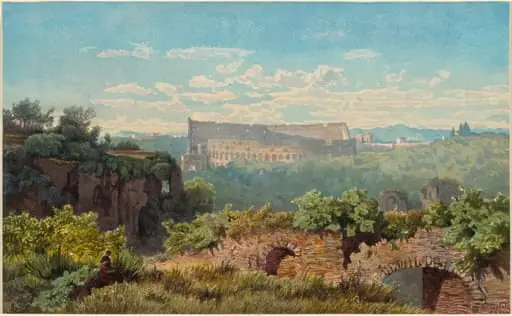 The Colosseum Seen from the Palatine Hill
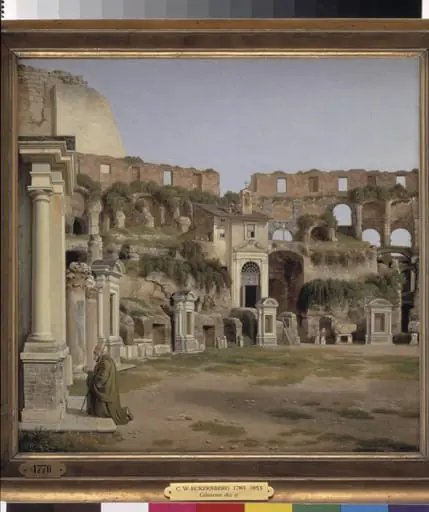 View of the Interior of the Colosseum
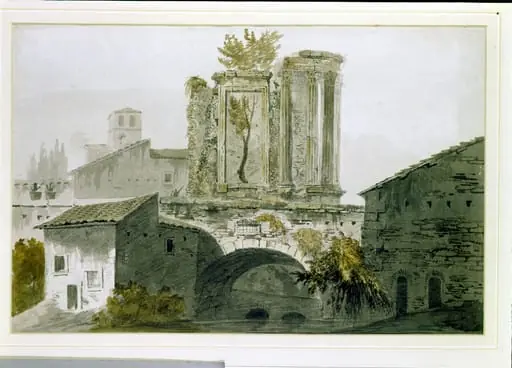 Italian Ruins
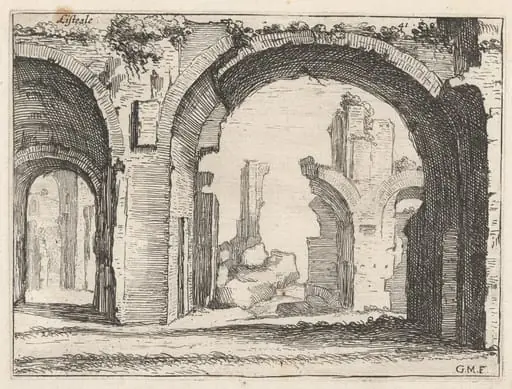 Antonine Baths, or Baths of Caracalla
 Gateway in the Via Sepulcralis in Pompeii