Artwork
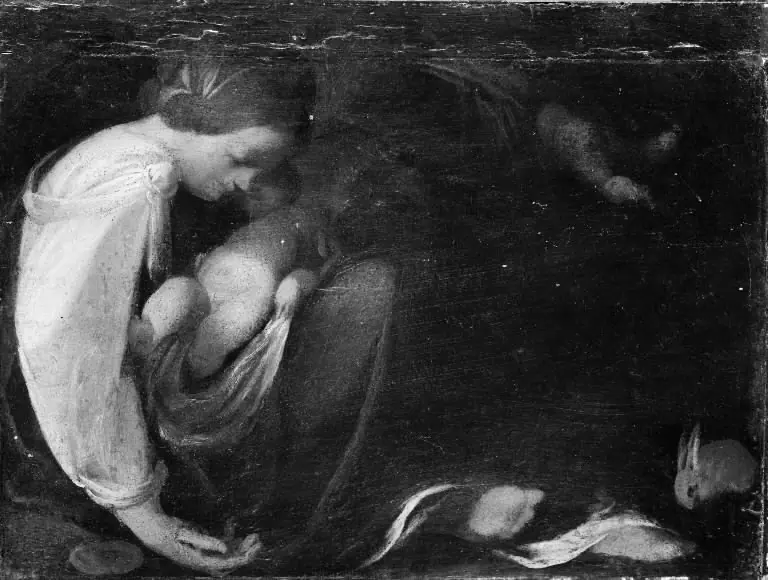
La Zingarella
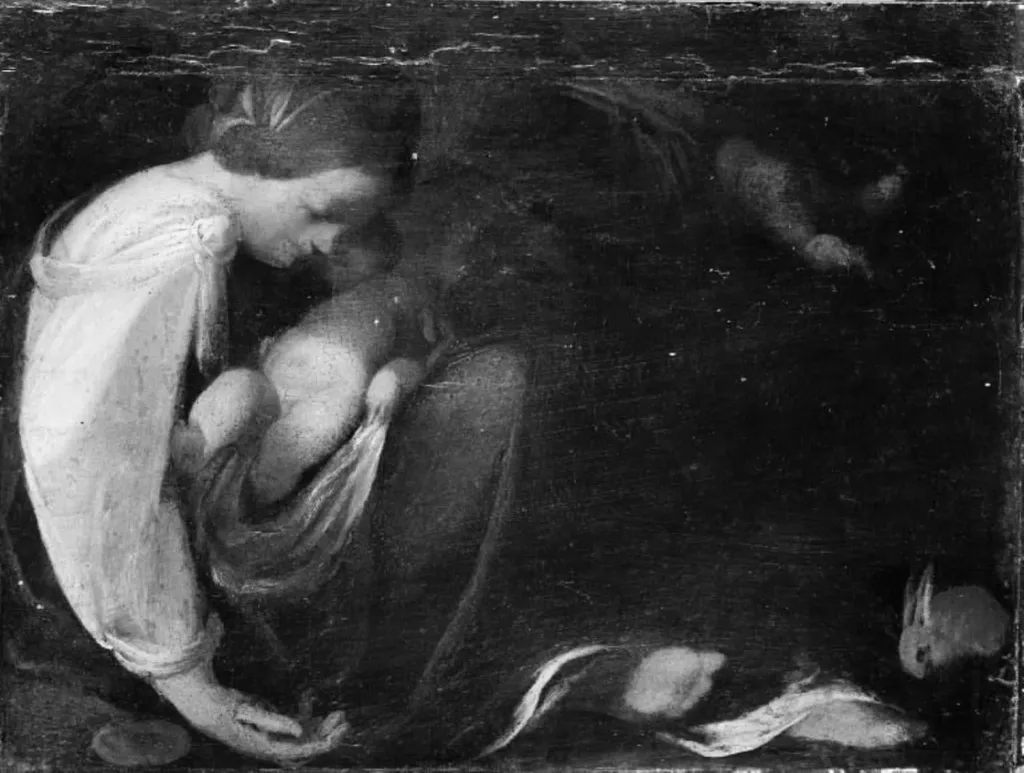
La Zingarella is a photography by Unknown. It dates from 1550 and is held in the collection of the Statens Museum for Kunst.
About this work
Overview
The work is part of the collection at the Museum of Ethnography, where it is preserved as an example of early modern figural representation.
Created around 1550, La Zingarella is a black-and-white image attributed to an artist active in the mid-16th century. It depicts a woman seated on the ground with an infant in her lap. The work is part of the collection at the Museum of Ethnography, where it is preserved as an example of early modern figural representation. Its monochromatic tone and intimate composition suggest a focus on human presence rather than narrative detail.
Subject & Meaning
The figure, likely intended as a Romani woman, is shown in a quiet, domestic moment with her child. Her downward gaze and relaxed posture convey tenderness, while the loose garment and minimal surroundings hint at a nomadic or marginalized lifestyle. The absence of overt symbolism or context invites interpretation rooted in social observation rather than religious or mythological reference.
Technique & Style
The image employs chiaroscuro to model form through stark contrasts of light and shadow, particularly on the woman’s face and hands. This technique enhances the three-dimensionality of the figures and draws attention to their emotional stillness. The rendering is restrained, with soft contours and minimal detail, emphasizing atmosphere over precision. The scattered objects at her feet suggest everyday life without overt narrative.
History & Provenance
The work’s origins are undocumented prior to its inclusion in the Museum of Ethnography’s holdings. It was likely produced as a study or sketch, possibly from a larger series of genre scenes. Its survival as a standalone piece suggests it was valued for its expressive quality rather than its original function. No records confirm its creator’s identity or early ownership.
Context
In mid-16th-century Europe, depictions of Romani people were often stereotypical, yet this image avoids caricature. Its quiet realism aligns with emerging interest in ordinary life among artists of the period. The use of chiaroscuro reflects broader trends in drawing and printmaking, where light and shadow became tools for emotional and spatial expression beyond religious subjects.
Legacy
La Zingarella remains a rare example of early modern figural work focused on a marginalized individual with dignity. It contributes to scholarly discussions on the representation of itinerant communities in Renaissance visual culture. Though not widely reproduced, its presence in a museum of ethnography underscores its role as a document of social observation rather than artistic grandeur.
Artist & collection

 Domestic Scene
 Giacomo and Cardinal Marco, investing Andrea, Abbot of San Zeno, with his Benefice
 The Nymph of Fontainebleau
 Portrait of a Woman
 Madonna and Child with Saints in the Enclosed Garden
 Venus and Minerva
 Family Group of Four on Sofa
 Wall painting from Room H of the Villa of P. Fannius Synistor at Boscoreale
 Virgin and Child with Young Saint John the Baptist
 Study for The Fortune Teller
 Heilige Familie mit Engel
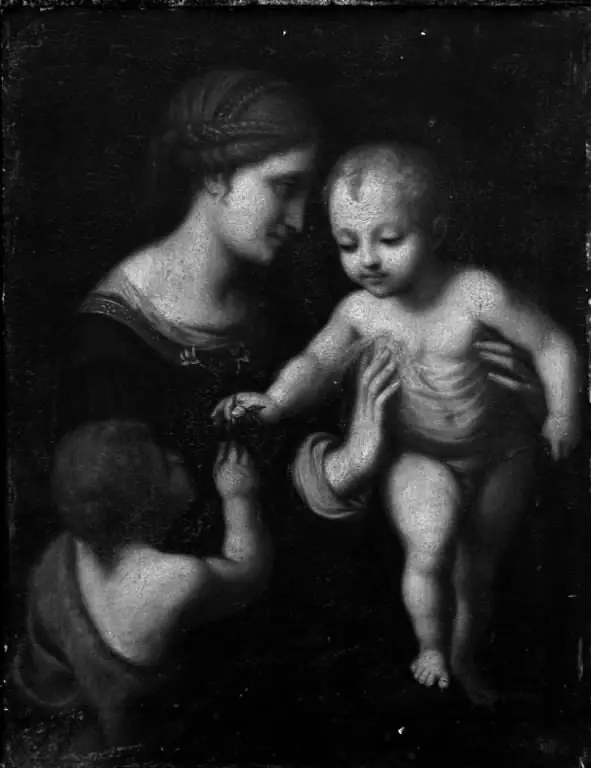 Virgin and Child with St. John
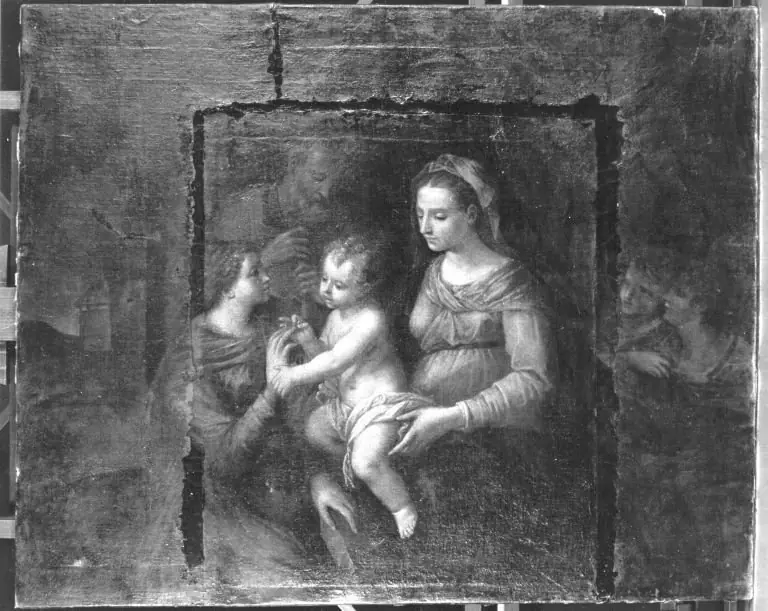 Marriage of St Catherine
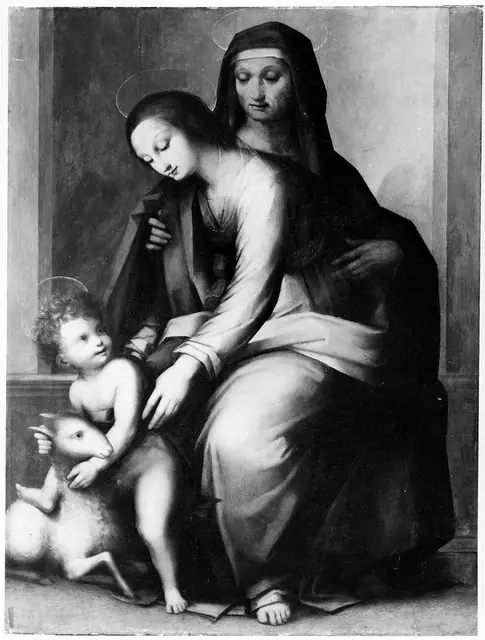 Virgin and Child with Saint Anne
 Virgin and Child with St. John
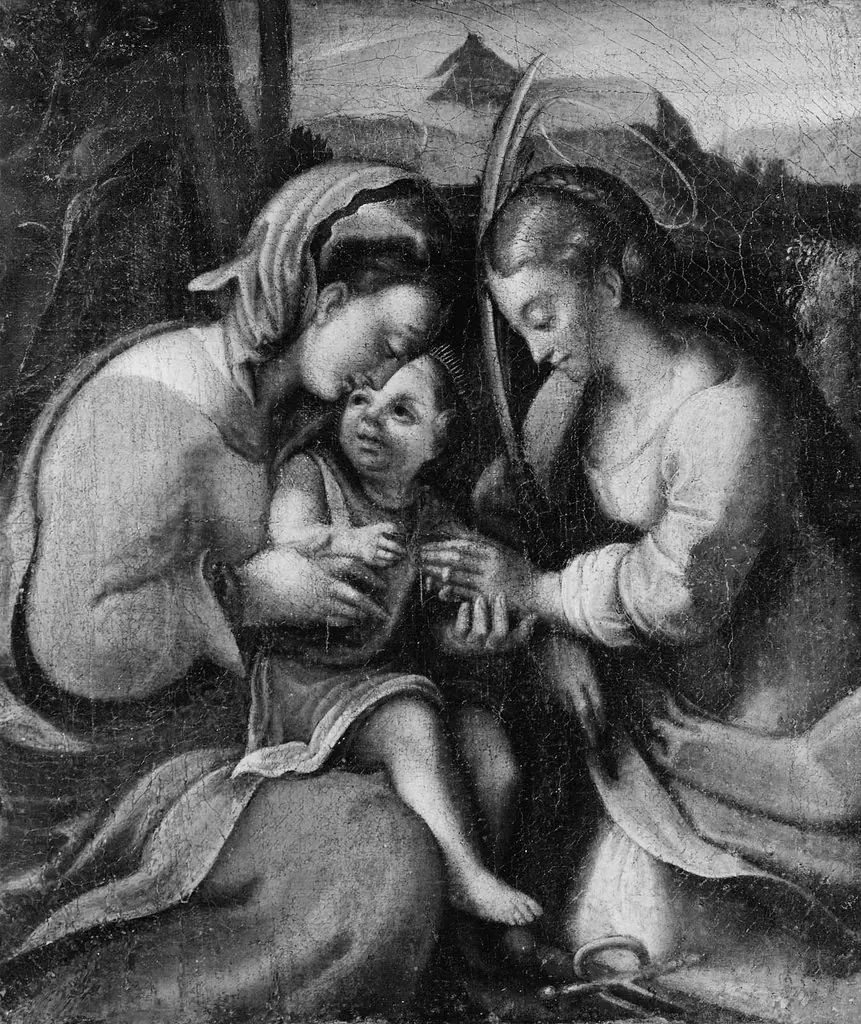 The Mystic Marriage of Saint Catherine
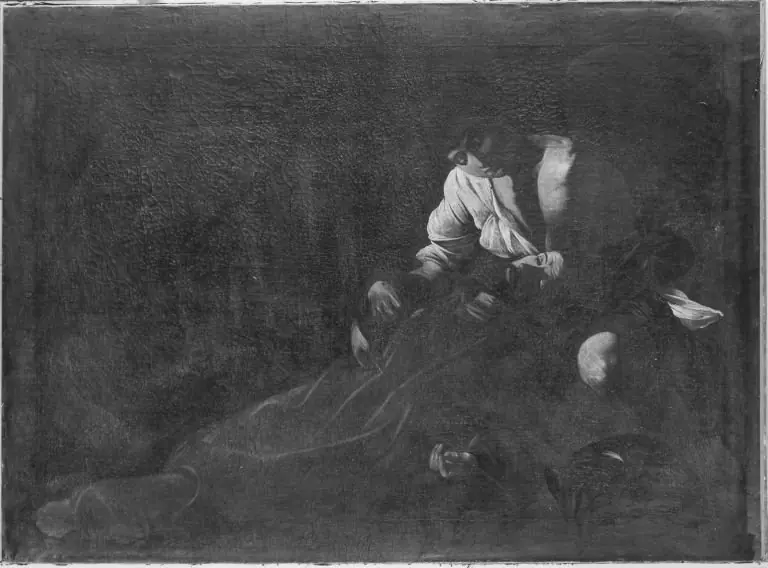 Tod des hl. Franziskus (Kopie nach)
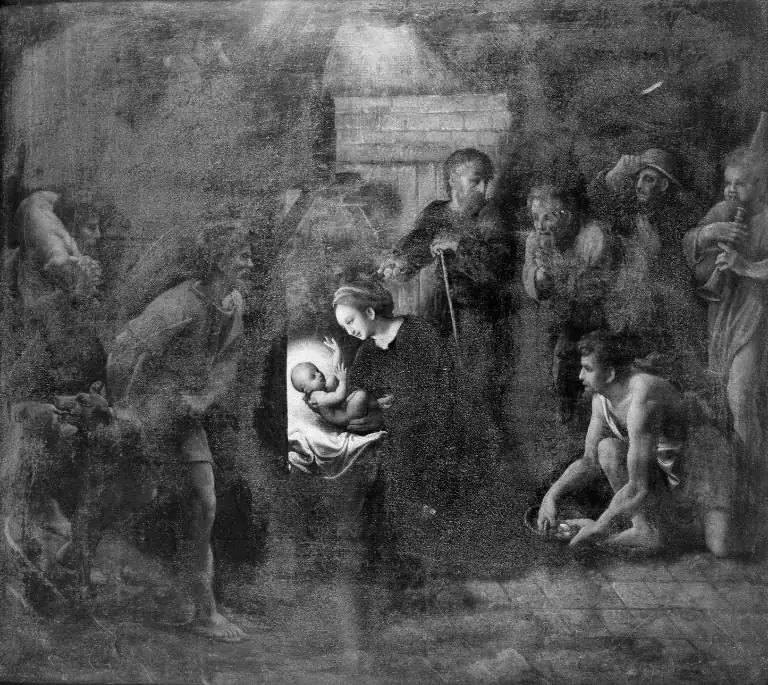 Hyrdernes tilbedelse
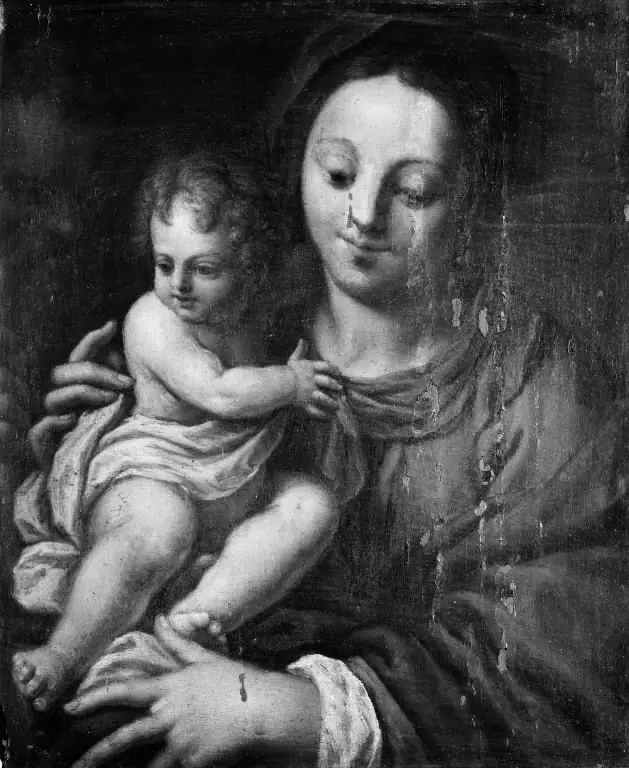 Virgin and Child
 La Zingarella