Artwork
La Zingarella
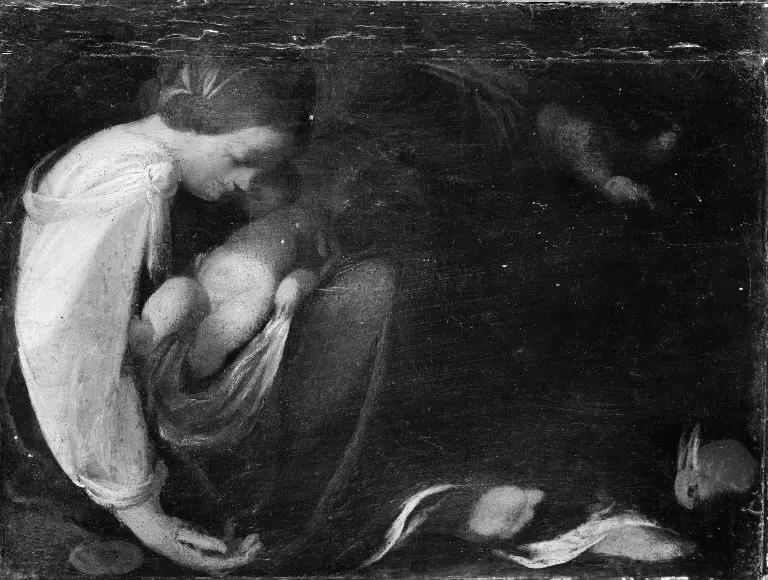
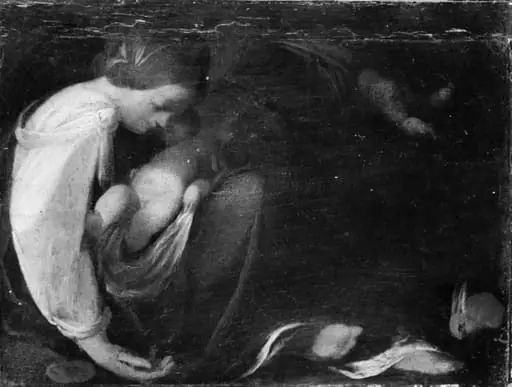
La Zingarella is an unspecified painting by the Early Baroque Italian artist Bartolomeo Schedoni. It dates from 1604 and is held in the collection of the Statens Museum for Kunst.
About this work
Overview
Painted in 1604 by Bartolomeo Schedoni, La Zingarella is a small-scale oil on canvas depicting a woman seated on the ground with a basket of fruit. The work resides in the collection of Statens Museum for Kunst in Copenhagen. Its intimate composition and subdued palette reflect early Baroque tendencies in northern Italy, emphasizing quiet observation over dramatic narrative.
Subject & Meaning
The figure, likely intended as a Romani woman, is shown in a moment of stillness, gazing at her basket of fruit. Her identity is suggested rather than defined, avoiding overt stereotype while evoking themes of labor and solitude. The absence of narrative context invites contemplation of her inner state, aligning with a broader trend of humanizing marginal figures in early 17th-century art.
Technique & Style
Schedoni employs chiaroscuro to model the figure with strong contrasts between light and shadow, enhancing the three-dimensionality of form. The warm hues of her dress contrast with the cool, receding background, drawing focus to her hands and the basket. Brushwork is restrained, favoring smooth transitions over texture, reinforcing the painting’s quiet, introspective mood.
History & Provenance
The painting entered the Danish national collection in the 19th century, though its earlier ownership remains undocumented. It was likely acquired through European art markets following Schedoni’s death in 1615. Its survival in relatively intact condition is notable, given the fragility of small-scale works from this period and the dispersal of many Italian paintings during the Napoleonic era.
Context
Created during Schedoni’s time in Modena, the work reflects the influence of Caravaggio’s naturalism, adapted to a more restrained, northern Italian sensibility. While contemporaries pursued theatricality, Schedoni favored psychological subtlety. La Zingarella aligns with a growing interest in everyday subjects among artists seeking to move beyond religious and mythological themes.
Legacy
Though not widely reproduced, La Zingarella is recognized in scholarly circles as an example of Schedoni’s sensitive handling of light and character. It contributes to understanding how Caravaggesque techniques were localized in smaller Italian courts, influencing later genre painting without adopting its more overt dramaturgy.
Artist & collection

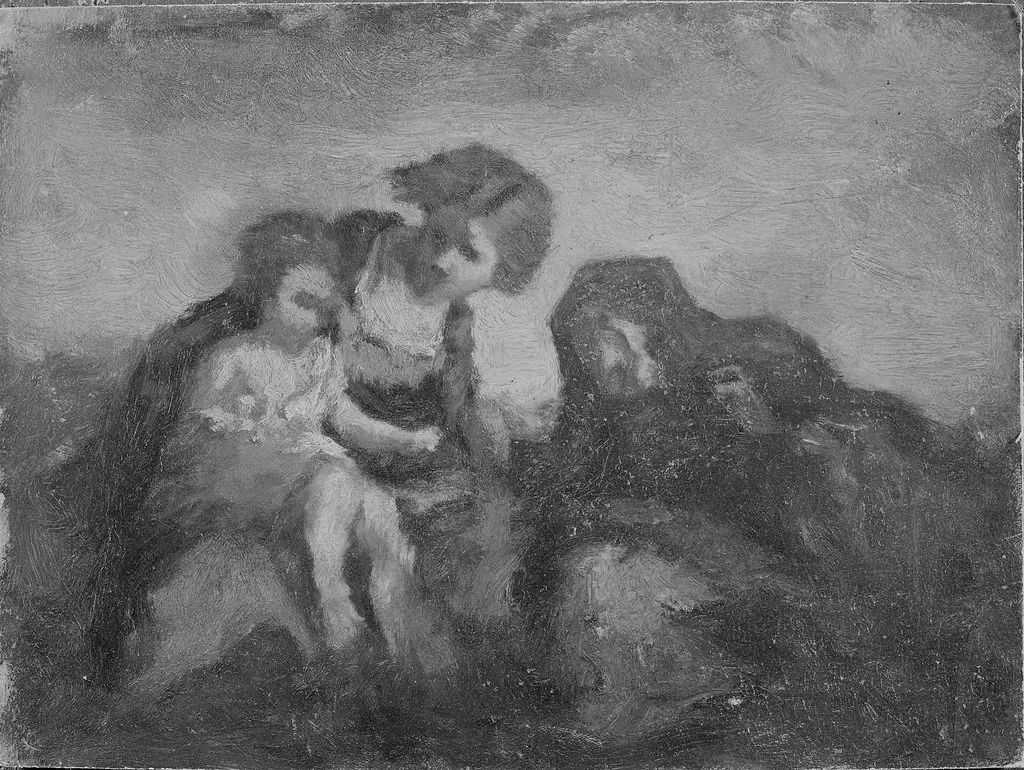 Study for The Fortune Teller
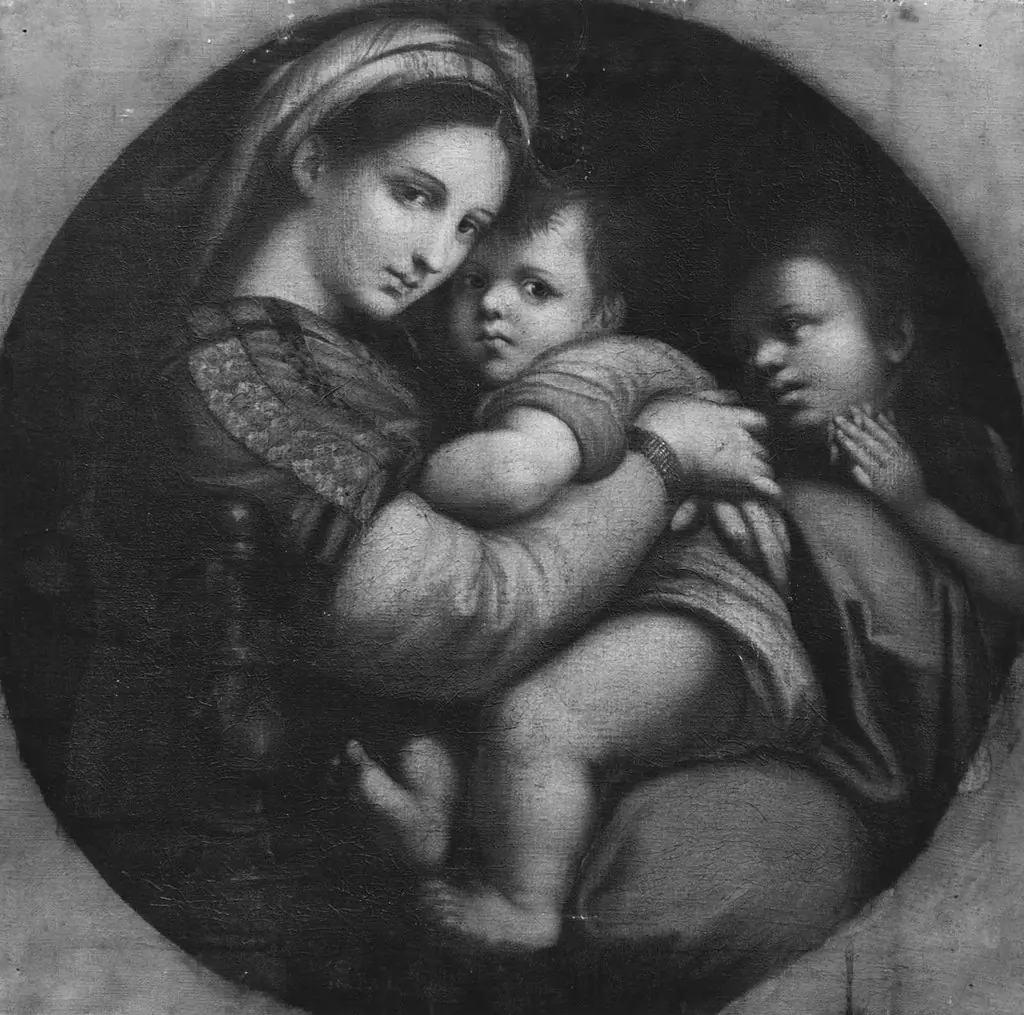 Virgin and Child with Young Saint John the Baptist
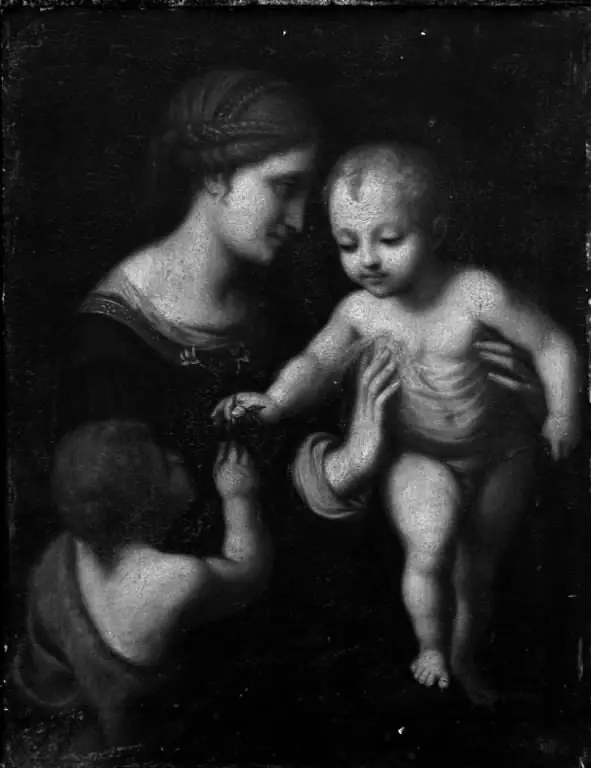 Virgin and Child with St. John
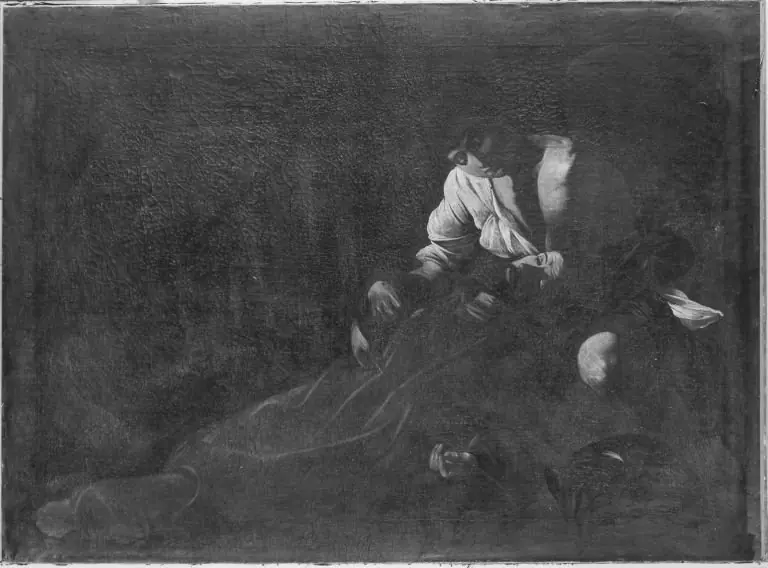 Tod des hl. Franziskus (Kopie nach)
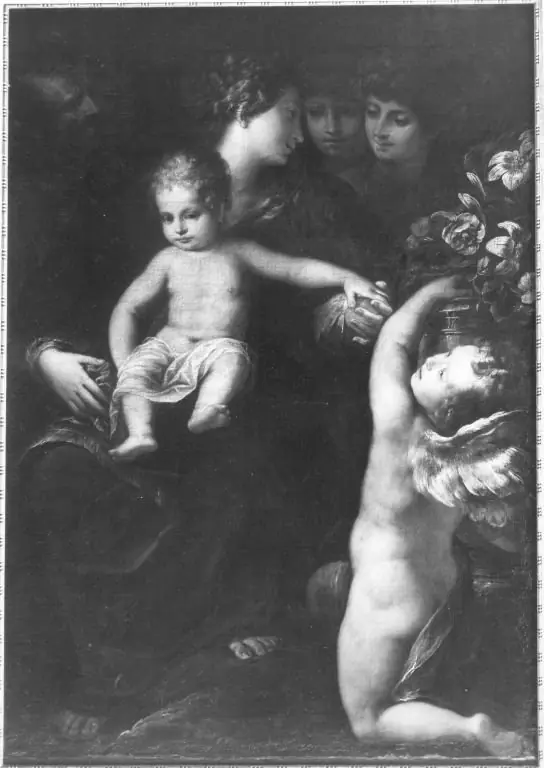 Heilige Familie mit Engel
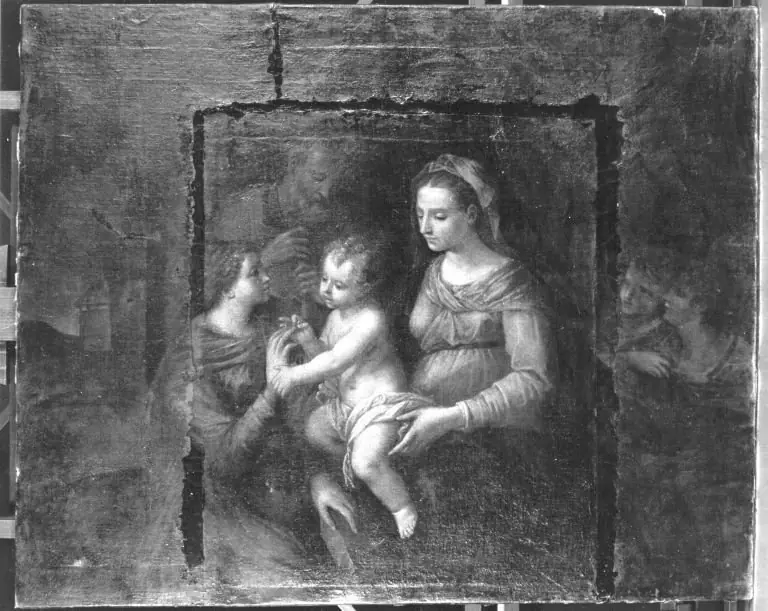 Marriage of St Catherine
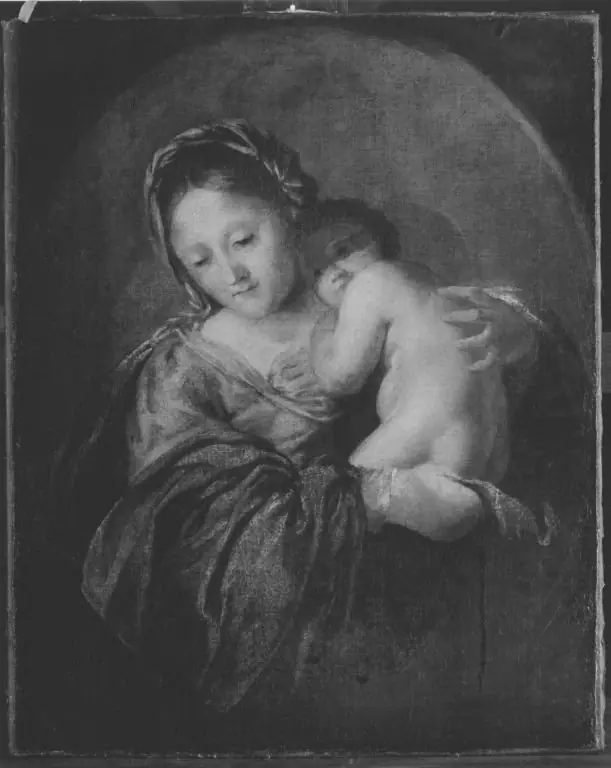 Maria mit Kind
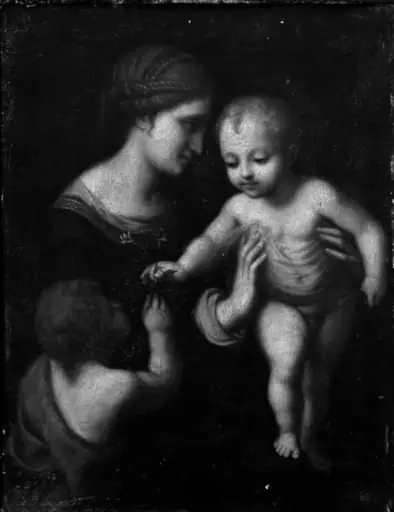 Virgin and Child with St. John
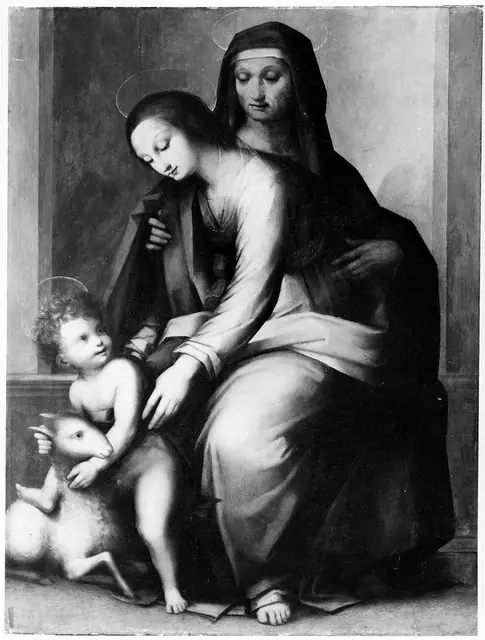 Virgin and Child with Saint Anne
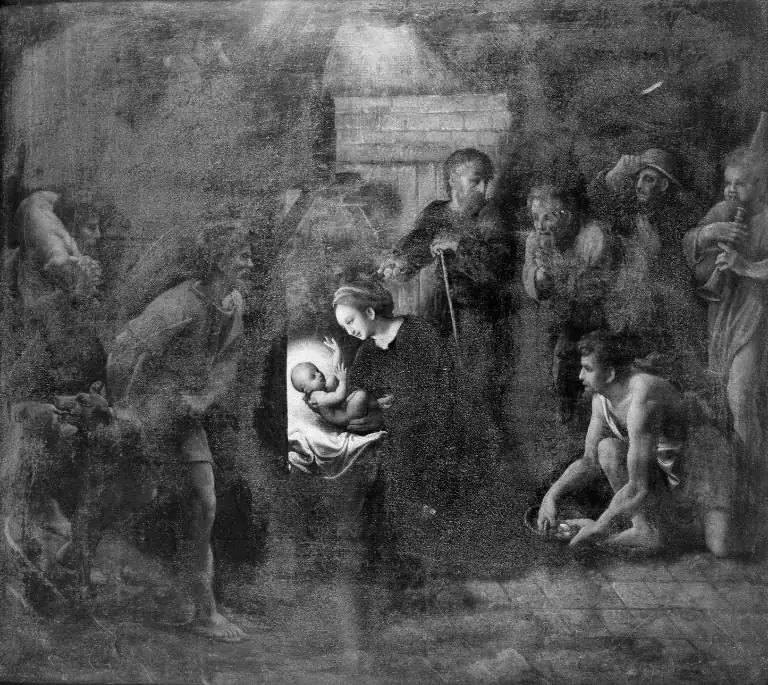 Hyrdernes tilbedelse
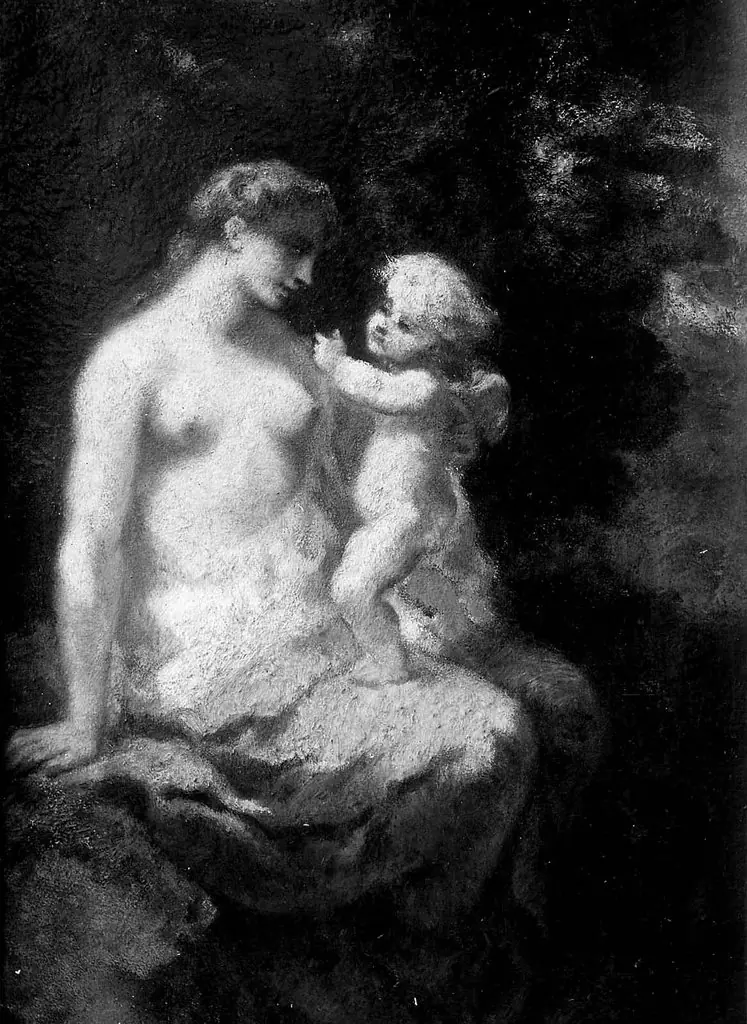 Venus and Cupid (II)
 La Zingarella